
Stenamma diversum
- Sci. Name
- Stenamma diversum
- Tribe
- Stenammini
- Subfamily
- Myrmicinae
- Author
- Mann, 1922
- Distribution
- Found in 5 countries
Introduction
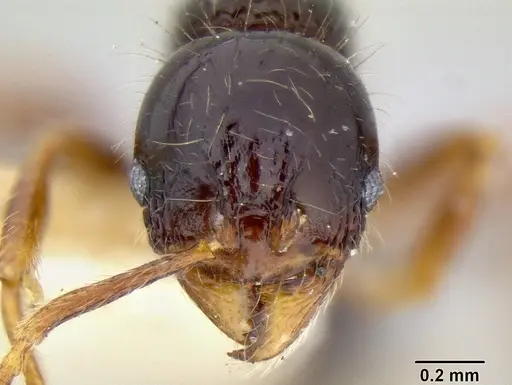
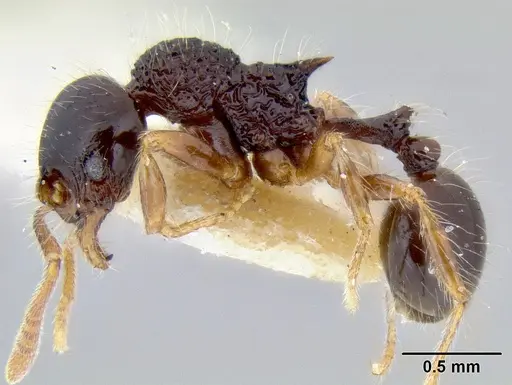
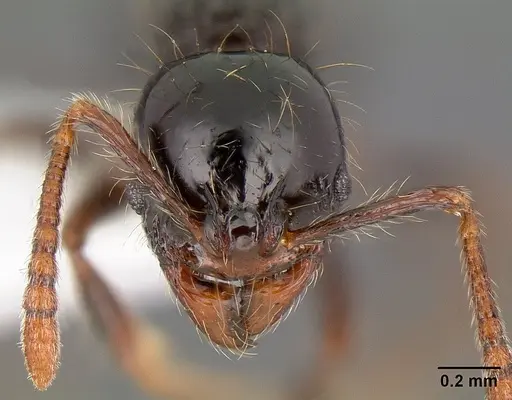
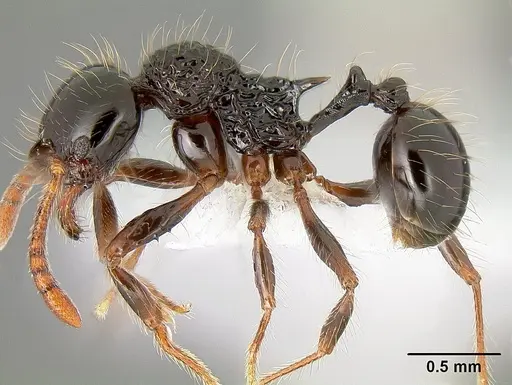
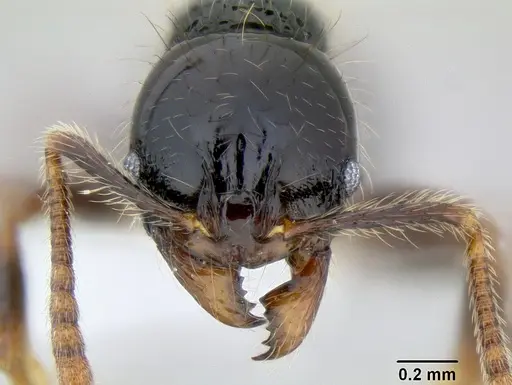
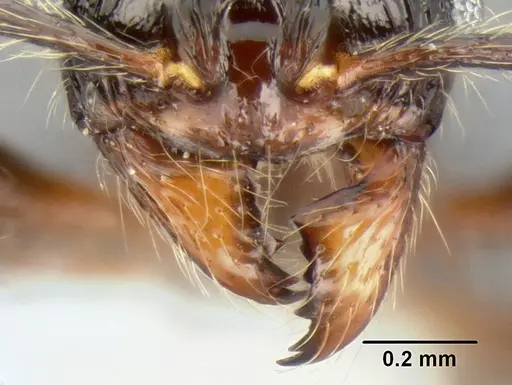
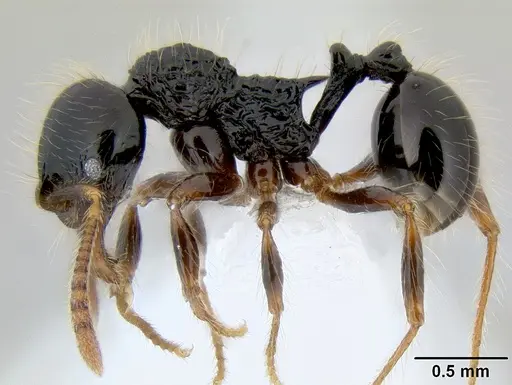
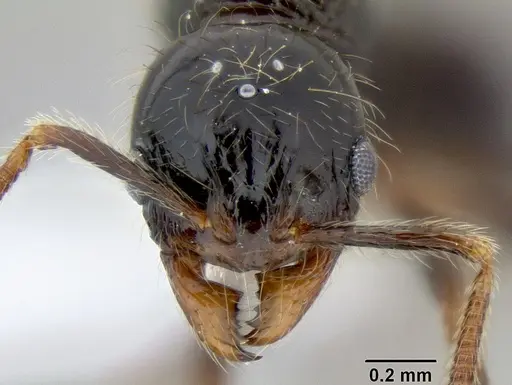
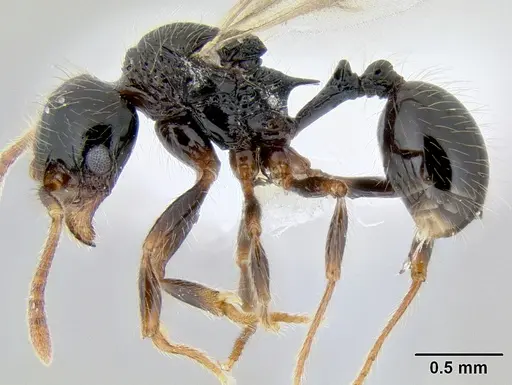
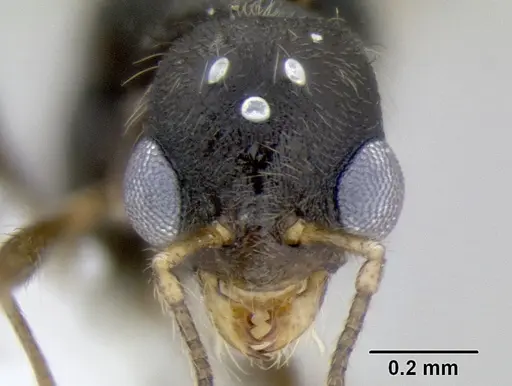
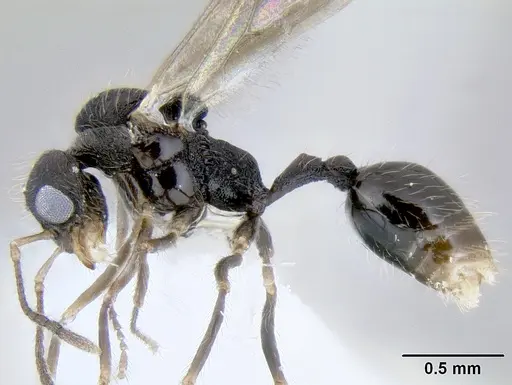
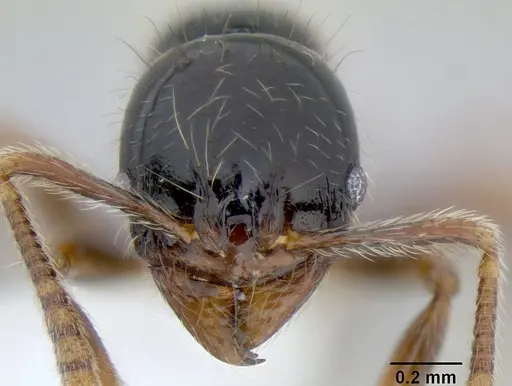
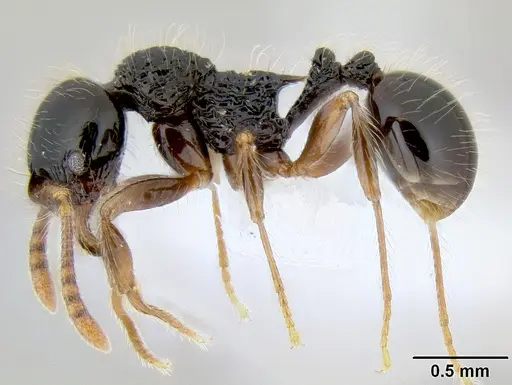
Stenamma diversum is a medium-sized cryptic ant native to Central America, ranging from southern Mexico to Nicaragua . Workers have a distinctive appearance: the body is mostly black and shiny, with long propodeal spines and expanded frontal lobes that cover the antenna sockets when viewed from above . This species is a specialist of red clay environments, building nests in banks along streams, steep slopes, and under tree roots . The nest architecture is particularly interesting - they construct a small ear-like turret sunk into a shallow alcove, leading to a single chamber . Unlike some related species, S. diversum does not use a pebble to block the nest entrance . Colonies are small, typically containing a single queen and up to about a dozen workers . Workers are slow-moving and most active during daylight hours .
Quick Summary
- Difficulty: Medium
- Origin & Habitat: Wet forests from southern Mexico to Nicaragua, at elevations from sea level to about 1,100 meters [1][2]. This species is a specialist of red clay substrates in pristine humid forest habitats [1].
- Colony Type: Single-queen colonies (monogyne), typical colony consists of one queen with up to about a dozen workers [1].
- Size & Growth:
- Queen: Size data unavailable, body length not provided in available literature. Queens are similar in head size to workers [2].
- Worker: Size data unavailable, body length not provided in available literature. Workers are described as medium-sized [1].
- Colony: Up to approximately a dozen workers at maturity [1].
- Growth: Slow to moderate, natural colony size ceiling is small.
- Development: Unknown, not documented for this species. Based on typical Myrmicinae development in warm conditions, likely several weeks. (No direct data, estimate is speculative.)
- Antkeeping:
- Temperature: Keep at 22-26°C (estimated from tropical lowland habitat). Provide a gentle temperature gradient. Avoid drops below 20°C.
- Humidity: High humidity is essential, these ants inhabit wet forests and clay banks that stay damp. Keep the nest substrate consistently moist but not waterlogged, with some drier areas available [1].
- Diapause: No, as a tropical species from low elevations, they do not require hibernation.
- Nesting: This species specializes in clay environments. In captivity, a naturalistic setup with moist clay or a plaster nest with good moisture retention works well. They prefer tight, enclosed chambers that mimic their natural nest architecture [1]. Avoid dry, airy conditions.
- Behavior: Workers are slow-moving and docile, they are not aggressive and rarely sting [1]. They are most active during daylight hours, foraging slowly through their territory. Escape risk is moderate, they are small but not particularly adept at climbing smooth surfaces. Standard escape prevention (fluon on rim edges) is sufficient. They are cryptic by nature and prefer to stay hidden within their nest chambers.
- Common Issues: colonies stay very small, this is normal for the species, don't expect large populations, high humidity is critical, dry conditions will kill colonies quickly, clay specialist may not accept typical test tube setups, naturalistic or plaster nests work better, slow-moving workers mean limited foraging range, place food near nest, rarely collected so wild colonies may be difficult to find
Housing and Nest Preferences
Stenamma diversum is a clay-bank specialist, so your setup should reflect their natural nesting preferences. In the wild, they build nests in red clay banks along streams, steep slopes, and sometimes in small patches of vertical clay under tree roots [1]. The nest consists of a small ear-like turret sunk into a shallow alcove, with a single chamber at the center [1]. For captive care, a naturalistic setup with a clay or soil chamber works best. Plaster nests or other moisture-retentive materials are also suitable. Avoid dry test tube setups, this species needs consistent dampness in the nest area. The nest chamber should be relatively small and enclosed, mimicking their natural single-chamber architecture. Provide an outworld area for foraging, but keep the nest humid and protected.
Feeding and Diet
The specific diet of Stenamma diversum has not been documented, but based on related Stenamma species, they are likely generalist predators and scavengers that collect small invertebrates and honeydew from aphids or scale insects. In captivity, offer small protein sources such as fruit flies, small mealworms, or other tiny insects. Sugar water or honey can be offered occasionally. Place food in the outworld near the nest entrance since workers are slow-moving and have limited foraging range. Remove uneaten prey after 24-48 hours to prevent mold. Feed small amounts 2-3 times per week, adjusting based on colony consumption.
Temperature and Humidity Requirements
This is a tropical lowland species from wet forests in Central America, so warmth and humidity are both essential [1]. Maintain temperatures between 22-26°C, avoiding drops below 20°C. A heating cable on one side of the nest can create a gentle gradient. Humidity should be high, think damp forest floor. Keep the nest substrate consistently moist but not waterlogged. The species occurs from sea level to about 1,100 m elevation, indicating they can tolerate a range but prefer stable, humid conditions [2]. Monitor for condensation on nest walls, which indicates good humidity. Avoid placing the nest near air conditioning vents or in rooms with fluctuating humidity.
Colony Structure and Growth
Stenamma diversum colonies are notably small compared to many ant species. A mature colony consists of a single queen and up to approximately a dozen workers [1]. This is one of the smallest mature colony sizes among Stenamma species. The small colony size means you should not expect rapid population growth. Queens are similar in size to workers [2]. There is no ergatoid (wingless queen) system documented for this species. Because colonies stay small, they are manageable in modest setups and do not require large formicaria. Growth rate is slow to moderate, limited by the natural colony size ceiling.
Behavior and Temperament
Workers are slow-moving and docile, they are not aggressive and pose no threat to keepers [1]. They are most active during daylight hours, which is unusual among many cryptic ant species that tend to be nocturnal or crepuscular. Workers forage slowly through leaf litter and along trails, searching for small prey and honeydew. They do not have a defensive door-pebble behavior like some related Stenamma species (Stenamma alas and Stenamma expolitum) [1]. This means they rely on their cryptic lifestyle and small colony size for survival rather than active defense. In captivity, they will retreat into their nest when disturbed rather than engaging in aggressive behavior.
Frequently Asked Questions
How long does it take for Stenamma diversum to produce first workers?
Direct data is not available. Based on typical Myrmicinae development in tropical conditions, expect several weeks from egg to worker at optimal temperatures of 24-26°C.
Can I keep Stenamma diversum in a test tube?
Not recommended. This species is a clay-bank specialist that requires high humidity and enclosed chambers. Test tubes dry out too quickly and don't provide the enclosed space they prefer. Use a naturalistic setup with moist clay or a plaster nest with good moisture retention instead.
How big do Stenamma diversum colonies get?
Colonies remain small, a mature colony has a single queen and up to approximately a dozen workers [1]. This is one of the smallest mature colony sizes among Stenamma species. Don't expect large colonies.
Do Stenamma diversum ants sting?
They are not aggressive and rarely sting. Workers are slow-moving and docile, preferring to retreat rather than engage defensively [1].
What temperature do Stenamma diversum ants need?
Keep them at 22-26°C. As a tropical species from lowland Central American forests, they prefer warm, stable conditions. Avoid temperatures below 20°C.
Do Stenamma diversum need hibernation?
No. As a tropical species from low elevations in Central America, they do not require hibernation or winter dormancy. Maintain warm temperatures year-round.
Are Stenamma diversum good for beginners?
They are rated as medium difficulty. The main challenges are providing high humidity, creating an appropriate clay-based nesting environment, and accepting that colonies remain small. They are not difficult to keep once proper humidity and nesting conditions are met.
What do Stenamma diversum eat?
Specific diet is not documented. They likely accept small protein sources like fruit flies, small insects, and may occasionally take sugar water or honey. Feed small prey items 2-3 times per week and remove uneaten food promptly.
Where is Stenamma diversum found in the wild?
This species occurs in pristine wet forests from southern Mexico through Belize, Guatemala, Honduras, to Nicaragua, at elevations from sea level to about 1,100 meters [1][2]. They are specialists of red clay substrates in areas bordering streams and trails.
Why is Stenamma diversum nest architecture special?
Stenamma diversum builds a unique ear-like turret nest that is convergent with the unrelated Stenamma alas species. The turret sits in a shallow alcove with a single chamber inside. Unlike Stenamma alas and Stenamma expolitum, they do not use a pebble to block the nest entrance [1]. This specialized architecture may be an adaptation to very wet, exposed environments.
Report an Issue
The current care sheet is based fully on literature. See inconsistencies, or something that's incorrect? Please , it will be resolved after review from an admin. Contributing to the blogs tab also helps providing information, to make us be able to further improve the caresheets. Thank you for your support!
References

This caresheet is licensed under CC BY-SA 4.0 .
Community Blogs
CASENT0194018
View on AntWeb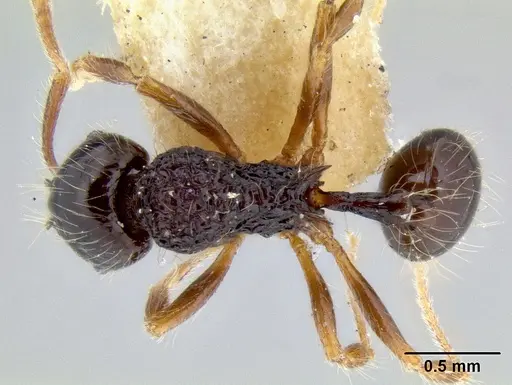
CASENT0605173
View on AntWeb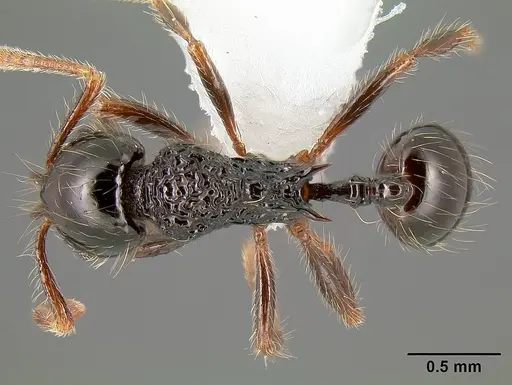
CASENT0606723
View on AntWeb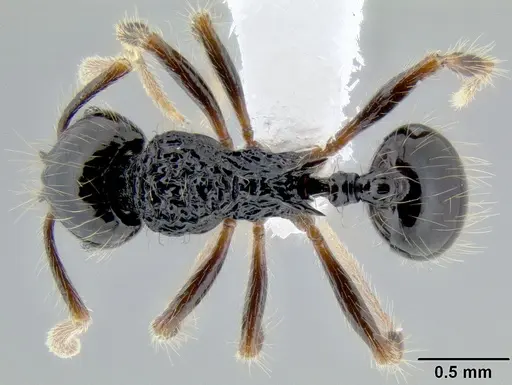
CASENT0606782
View on AntWeb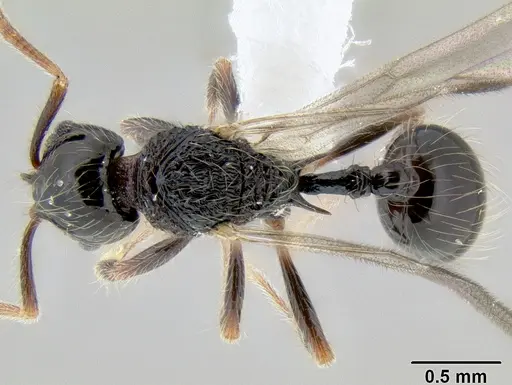
CASENT0622357
View on AntWeb
CASENT0622410
View on AntWeb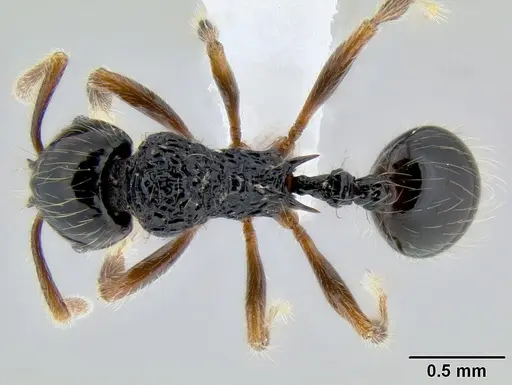
Literature
Loading distribution map...Loading products...