
Stenamma alas
- Sci. Name
- Stenamma alas
- Tribe
- Stenammini
- Subfamily
- Myrmicinae
- Author
- Longino, 2005
- Distribution
- Found in 3 countries
Introduction
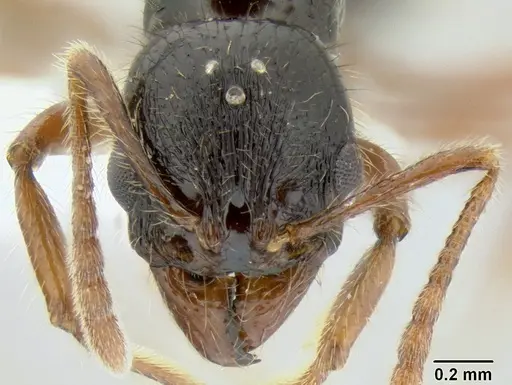
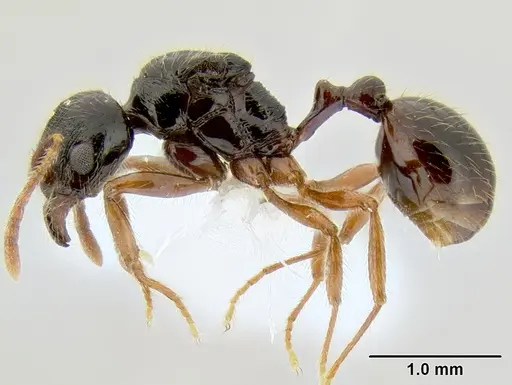
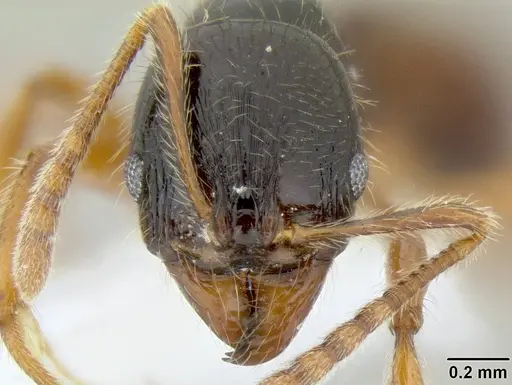
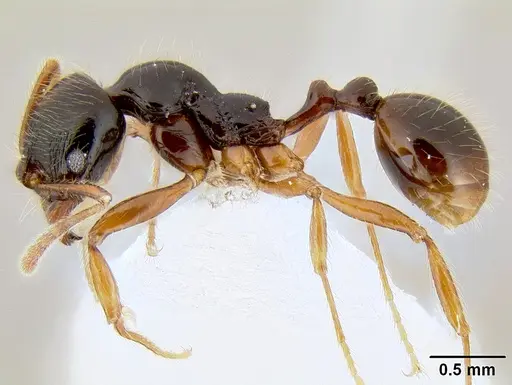
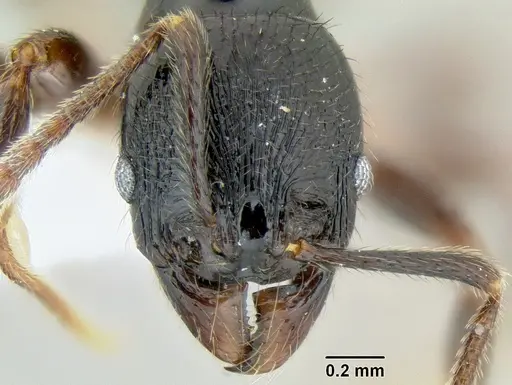
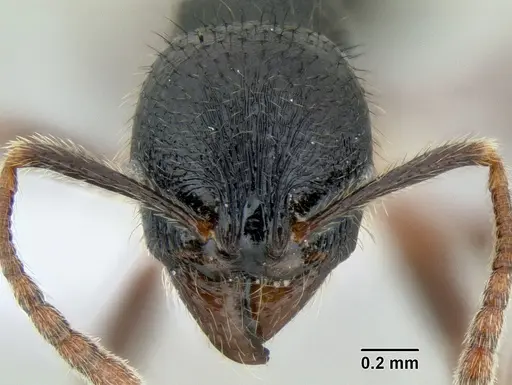
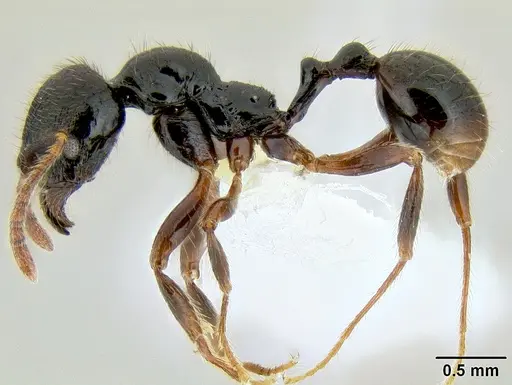
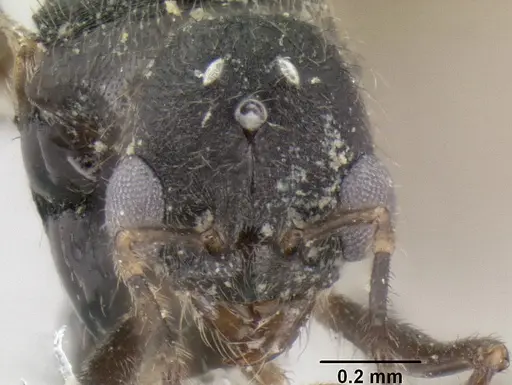
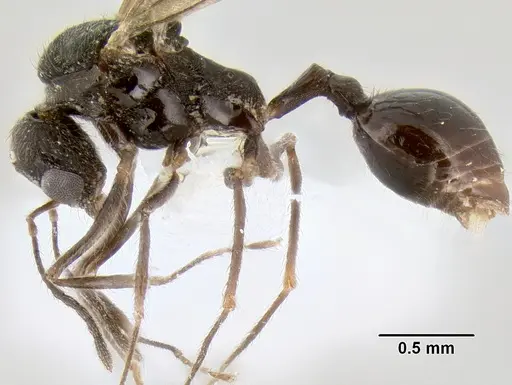
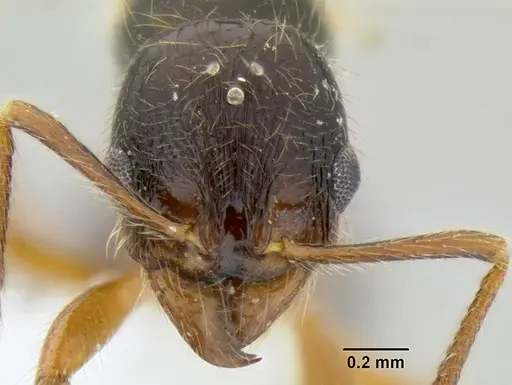
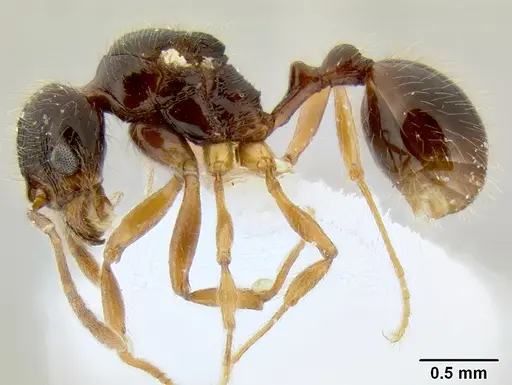
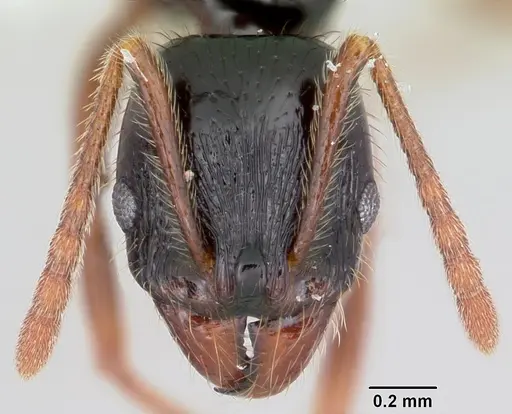
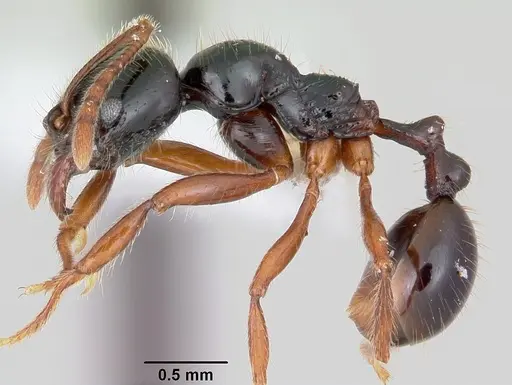
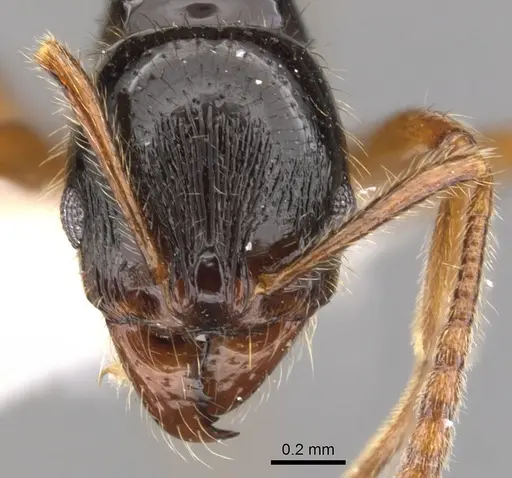
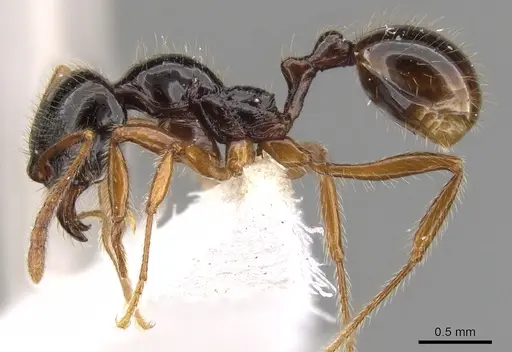
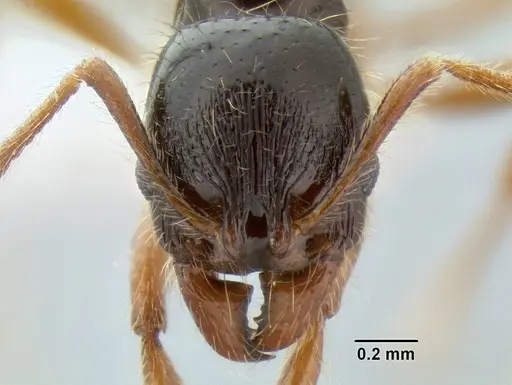
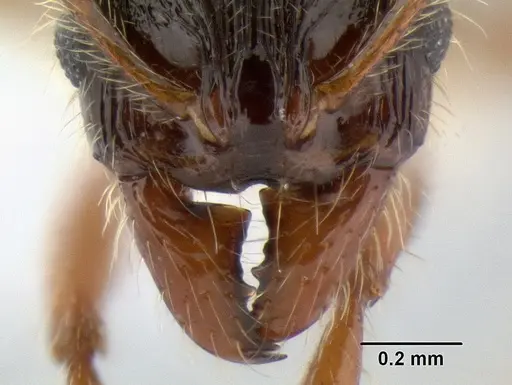
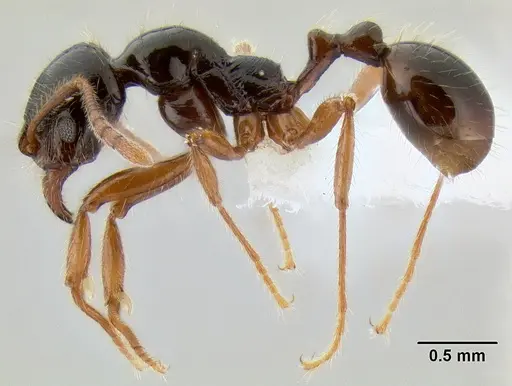
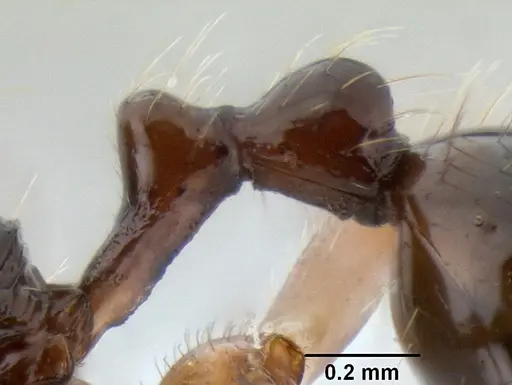
Stenamma alas is a medium-sized ant found in wet forests from Costa Rica to Ecuador . Its body is mostly black to dark red-brown with orange-brown legs, though some populations have darker legs. The face has a fan of fine lines (carinulae) extending outward from the frontal lobes, and the middle body section (promesonotum) is smooth and shiny. Unlike many ants, it has no propodeal spines . Total body length has not been reported in scientific literature, so an exact size is unavailable. This species is best known for its unique nesting behavior. It builds nests in nearly vertical clay banks along streams or trail cuts, constructing a horizontal ear-like turret that sticks out from the bank . Workers keep a small clay pebble near the entrance. When army ants or other predators approach, a worker quickly emerges and seals the entrance with the pebble . Colonies are monogyne (single queen) and can reach up to 250 workers, usually maintaining 2-3 nearby nests with only one actively occupied . Two variant forms exist with differences in facial sculpture and leg color, but all share the core nesting behavior .
Quick Summary
- Difficulty: Medium
- Origin & Habitat: Stenamma alas lives in wet forests from Costa Rica to Ecuador, at elevations from 50 to 1800 m, most abundant between 300-800 m [1][3]. It is a specialized inhabitant of clay banks, nests are found in nearly vertical clay banks along streams or in vertical cuts along trails [1][2].
- Colony Type: Monogyne, single queen colonies with up to 250 workers [1][2]. Colonies keep 1-5 closely spaced nests, but only one contains the queen, brood, and most workers. Ergatoid replacement reproductives have not been documented.
- Size & Growth:
- Queen: Size data unavailable, total length not reported in the literature.
- Worker: Size data unavailable, total length not reported in the literature.
- Colony: Up to 250 workers [1][2].
- Growth: Moderate, inferred from typical Stenamma development patterns.
- Development: Unknown, not documented for this species. Based on general myrmicine development, an estimate of 6-10 weeks is possible at optimal temperatures. (Development time depends on temperature. Keep at 22-26°C for best results.)
- Antkeeping:
- Temperature: 22-26°C year-round. As a tropical species from wet forests, avoid temperatures below 20°C or above 30°C.
- Humidity: Moderate to high, the nest substrate should be consistently moist but not waterlogged. This mimics the damp clay banks of their natural habitat [1]. Provide a water source in the outworld.
- Diapause: No true diapause, they are tropical and do not require hibernation [1]. Activity may slow slightly in cooler periods.
- Nesting: Specialized, provide a naturalistic setup with compacted clay or soil that allows for horizontal tunneling. A Y-tong (aerated concrete) or plaster nest with chambers at least 8 cm deep works well. Test tubes are not ideal for established colonies.
- Behavior: Foragers are solitary, move slowly, and freeze when disturbed, this helps them avoid detection by predators [1][2]. Workers are not aggressive and rely on their door-pebble defense rather than confrontation. They are generalist scavengers. Escape risk is moderate, standard barriers work, but note that workers are small so ensure tight seals. They do not have a functional stinger.
- Common Issues: tropical species may weaken if kept below 20°C for extended periods, maintain warm temperatures year-round., colonies can fail if the nest material dries out, clay banks stay damp, so keep substrate consistently moist., wild-caught colonies may carry parasitoids such as phorid flies, quarantine new colonies if possible., slow growth compared to temperate species, patience is needed, especially during founding., their multi-nest behavior means they may benefit from extra space, but avoid disturbance when moving nests.
Housing and Nest Setup
Stenamma alas needs housing that mimics its natural clay bank habitat. In the wild, nests consist of horizontal tunnels about 8 cm deep,2 cm wide, and 5 mm high, dug into vertical clay banks [3]. In captivity, use a mixture of compacted clay and soil in a container that allows for this horizontal structure. A Y-tong (aerated concrete) or plaster nest with chambers sized for a medium colony works well, though they may not build full turrets in artificial setups.
The key is to provide damp, compact substrate that holds its shape. Standard test tubes are not ideal for established colonies because of their tunneling needs. Instead, use a formicarium with a dirt chamber or a deep soil layer (at least 10 cm) against one side to create a vertical banking effect. Keep the nesting area consistently moist but never waterlogged, the substrate should hold its shape when pressed without dripping [1].
Escape prevention is straightforward, they are not strong climbers, but because workers are small, seal all connections between the nest and outworld securely. Use fluon or other barriers if needed.
Feeding and Diet
Stenamma alas is a generalist scavenger. Workers have been seen returning to the nest with cookie baits and small pieces of organic matter, suggesting they accept a wide range of foods [1][2]. Offer protein sources such as small insects (fruit flies, small mealworms, cricket pieces) two to three times a week, and keep sugar water or honey available at all times. Replace liquid sugars every few days to prevent fermentation.
Workers are slow-moving foragers, so place food near the nest entrance and give them time to discover it. A small dish or platform works well for liquids. Remove uneaten prey after 24-48 h to avoid mold. Because foragers freeze when disturbed, avoid placing food directly at the entrance, let them find it naturally.
Temperature and Seasonal Care
As a tropical species from Central and South American wet forests, Stenamma alas needs stable warmth. Keep the nest at 22-26 °C year-round. Room temperature within this range is suitable. Avoid prolonged exposure below 20 °C, as this can slow brood development and weaken the colony. No diapause is required, they are non-diapausing [1].
If your room runs cool, a heating cable on one side of the nest can create a gentle gradient. Heat only part of the nest, not the whole area, to let the ants choose. During heating, monitor humidity more closely, warmth dries the substrate faster. Aim for stable, humid conditions similar to a clay bank interior.
Unique Behaviors and Defense
The most remarkable behavior of Stenamma alas is its sophisticated anti-predator tactic. In the wild, workers keep a small clay pebble just below the nest entrance [1][3]. When army ants or other predaceous ants approach, a worker quickly emerges and pushes the pebble into the opening, sealing the entrance. This behavior evolved as a defense against army ant raids, a major threat in Neotropical forests [1].
In captivity, you may see workers blocking the entrance with substrate or debris if they feel threatened. This is normal, it indicates a healthy, alert colony. The slow, deliberate movement and freezing when disturbed is also characteristic and helps avoid detection.
Colonies maintain 1-5 nearby nests, though only one is actively occupied at a time [1]. This multi-nest structure may be a risk-spreading strategy. In captivity, providing extra space or multiple chambers can allow this natural behavior, but avoid disturbing the active nest too often.
Colony Growth and Development
Stenamma alas colonies grow to a maximum of about 250 workers, large for Stenamma [1][2]. Each colony has a single egg-laying queen. Observed field colonies had 80-196 workers, and some contained 18-49 alate (winged) queens [3]. Development time from egg to worker has not been directly studied, so specific timelines are unknown. First workers (nanitics) will be smaller than mature workers.
Growth rate is moderate, faster than many temperate species but slower than tropical pioneers. Patience is required, especially during the founding stage. Founding behavior is unconfirmed, there is no data on whether queens are claustral or semi-claustral.
Frequently Asked Questions
How long does it take for Stenamma alas to produce first workers?
This is unknown for S. alas. Based on general myrmicine development, an estimate of 6-10 weeks at 22-26°C is possible, but no direct observations exist. The first workers (nanitics) will be smaller than mature workers.
Can I keep Stenamma alas in a test tube setup?
Test tubes are not ideal for established colonies. These ants are specialized clay bank nesters that dig horizontal tunnels. A naturalistic setup with compact, damp soil or a Y-tong/plaster nest with appropriately sized chambers works better. Test tubes can work for founding queens, but transfer them to a more suitable nest once the colony reaches 20+ workers.
Do Stenamma alas ants sting?
Stenamma alas does not have a prominent stinger and is not considered a stinging ant. Their primary defense is the door-pebble behavior and freezing response, not chemical stings. They may bite if handled, but this is harmless.
How big do Stenamma alas colonies get?
Colonies can reach up to 250 workers at maturity [1][2]. This is large for the genus but modest compared to many other Myrmicinae. Colonies remain monogyne (single queen) throughout their life.
What do Stenamma alas eat?
They are generalist scavengers. Offer protein sources (small insects like fruit flies, tiny mealworms, cricket pieces) 2-3 times per week, and keep sugar water or honey available constantly. They accept a wide variety of organic matter.
Do Stenamma alas need hibernation or diapause?
No, as a tropical species from Costa Rica to Ecuador, they do not require hibernation [1]. Keep them at 22-26°C year-round. Activity may slow slightly during cooler periods, but no special winter care is needed.
Are Stenamma alas good for beginners?
This species is rated as medium difficulty. Their specialized nesting needs (damp clay banks) and tropical temperature requirements make them better suited for keepers with some experience. Their slow growth and high humidity needs require attention.
Why do my Stenamma alas keep blocking their nest entrance?
This is normal defensive behavior. In the wild, workers use a clay pebble to seal the entrance when threatened by predators like army ants [1][3]. If your colony does this, it means they feel threatened. Check for vibrations, disturbances, or other stressors. A healthy, alert colony will do this.
Can I keep multiple Stenamma alas queens together?
No, colonies are monogyne with a single egg-laying queen [1][2]. Multiple unrelated queens will fight. The species does not exhibit pleometrosis (multiple queen founding) and colonies maintain only one active queen.
What temperature range is best for Stenamma alas?
Keep nest temperatures between 22-26°C. These are tropical wet forest ants [1]. Room temperature within this range is ideal. Avoid temperatures below 20°C or above 30°C.
Report an Issue
The current care sheet is based fully on literature. See inconsistencies, or something that's incorrect? Please , it will be resolved after review from an admin. Contributing to the blogs tab also helps providing information, to make us be able to further improve the caresheets. Thank you for your support!
References

This caresheet is licensed under CC BY-SA 4.0 .
Community Blogs
CASENT000005886
View on AntWeb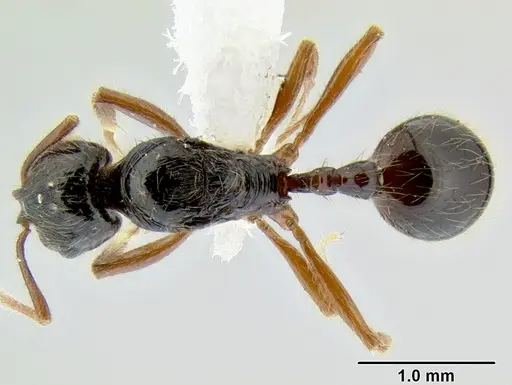
CASENT0600040
View on AntWeb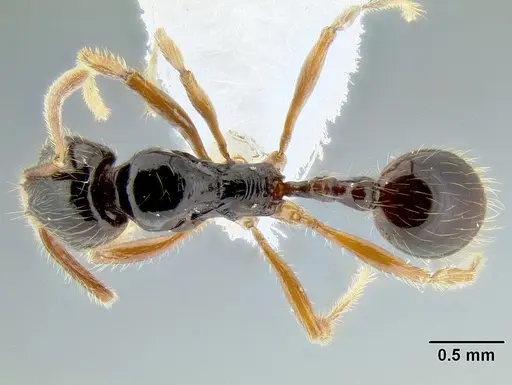
CASENT0600114
View on AntWeb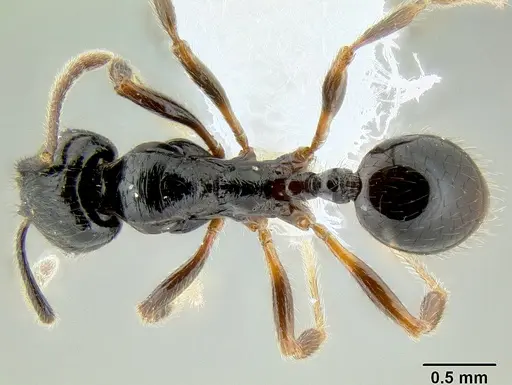
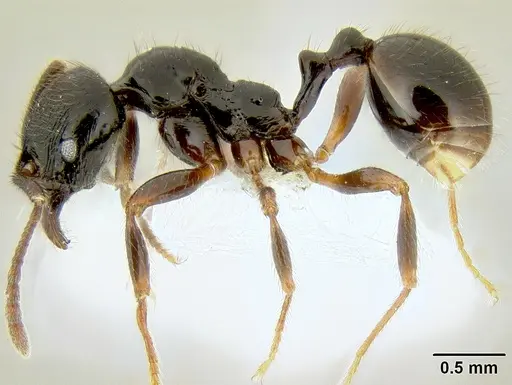
CASENT0606832
View on AntWeb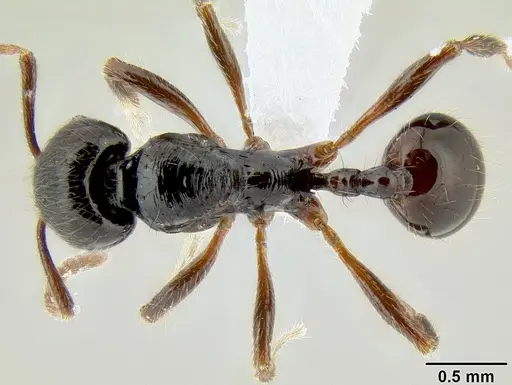
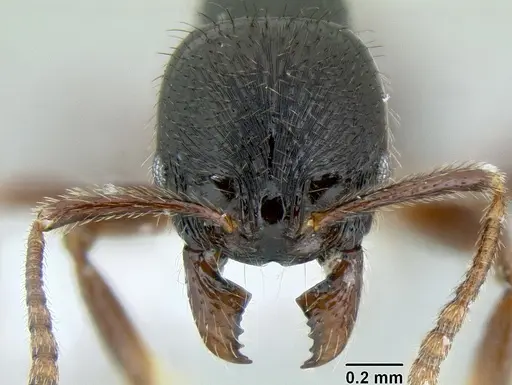
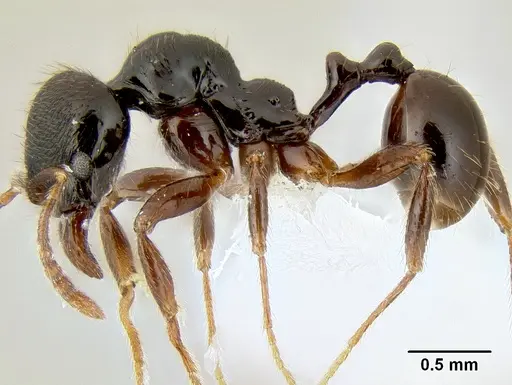
CASENT0606870
View on AntWeb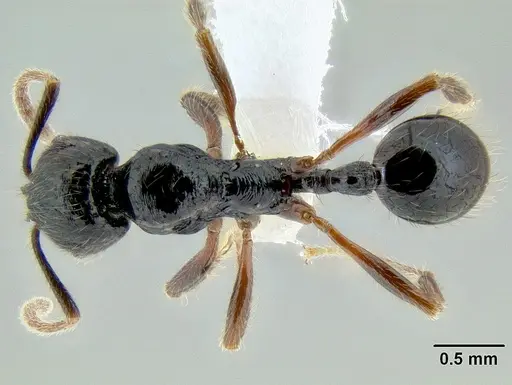
CASENT0623103
View on AntWeb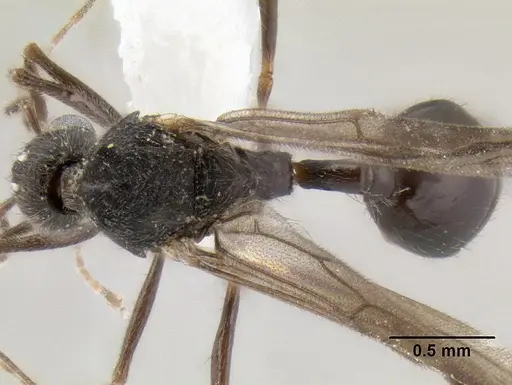
CASENT0623104
View on AntWeb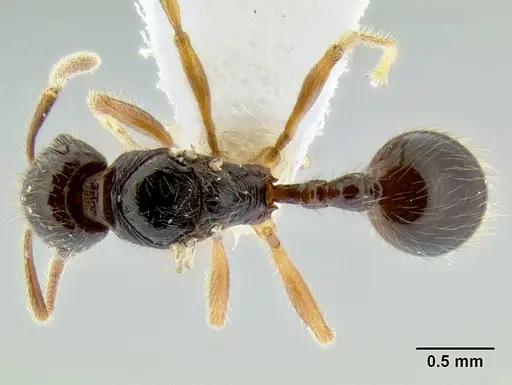
JTLC000005593
View on AntWeb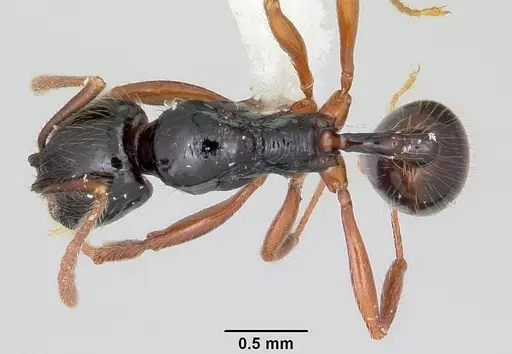
JTLC000005879
View on AntWeb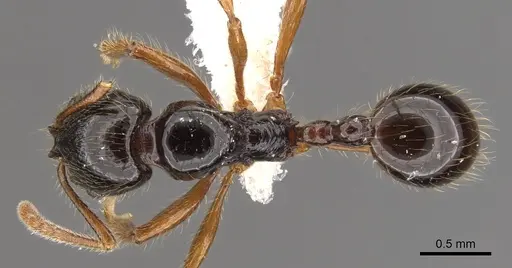
JTLC000005880
View on AntWeb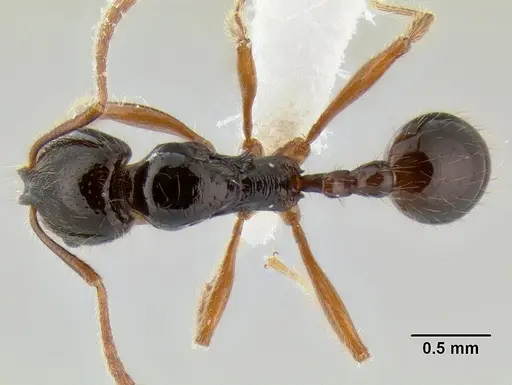
Literature
Loading distribution map...Loading products...