
Lasius israelicus
- Sci. Name
- Lasius israelicus
- Tribe
- Lasiini
- Subfamily
- Formicinae
- Author
- Seifert, 2020
- Distribution
- Found in 0 countries
Introduction
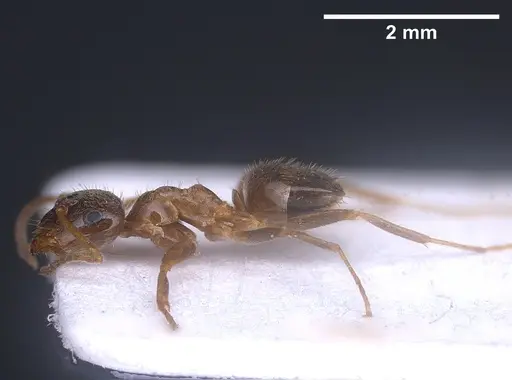
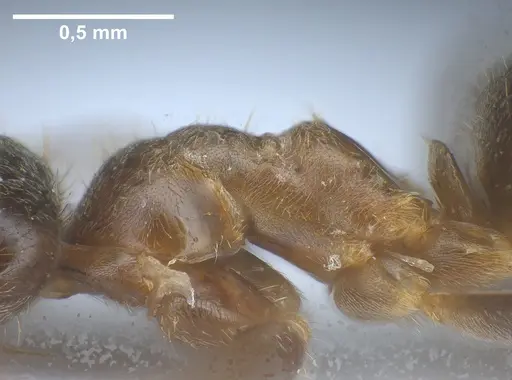
Lasius israelicus is a small ant species from the Lasius turcicus species complex, found only in a small area of roughly 6000 km² in northern Israel and Jordan at elevations between 205 and 662 meters . Workers measure approximately 3-4mm in body length - inferred from the Lasius genus . They have a distinctive appearance with very long body hairs, a thin petiole with a sharp dorsal crest, and relatively long antennae and maxillary palps . Coloration varies from bicolored (dark brown head and gaster with yellowish-reddish mesosoma) to more uniformly medium brown . This species was formally described in 2020,so its exact biology in the wild remains poorly documented .
Quick Summary
- Difficulty: Medium, newly described species with limited data
- Origin & Habitat: Northern Israel and Jordan (West Bank), elevations 205-662m in dry, semi-arid Mediterranean habitats [1]
- Colony Type: Unconfirmed, likely single-queen colonies based on typical Lasius patterns
- Size & Growth:
- Queen: Undescribed, likely 7-9mm inferred from Lasius genus
- Worker: approximately 3-4mm, inferred from Lasius genus [1]
- Colony: Unknown, likely dozens to low hundreds based on related species
- Growth: Unknown, likely moderate like other Lasius
- Development: Estimated 6-10 weeks based on typical Lasius development at warm temperatures (Direct development data unavailable, estimates based on genus-level patterns for Lasius in the brunneus group)
- Antkeeping:
- Temperature: Keep at room temperature (20-25°C) with a slight gradient, they likely prefer warmer conditions given their Mediterranean origin
- Humidity: Low to moderate, typical for ants from dry Mediterranean habitats. Provide a moist test tube setup but allow drying between water additions
- Diapause: Likely required, based on temperate Lasius patterns. Provide a cool period (10-15°C) for 2-3 months during winter
- Nesting: Likely soil-nesting or under stones in nature. Test tube setups work well, Y-tong nests for established colonies
- Behavior: Behavior is unstudied, but likely similar to other Lasius, relatively docile, not aggressive, moderate foraging activity. Their small size means good escape prevention is essential. Lasius ants have stingers but rarely use them.
- Common Issues: newly described species with no captive husbandry data, expect a learning curve, small size makes escape prevention critical, use fine mesh and tight-fitting lids, no established feeding or colony development data exists, hibernation requirements are inferred, not confirmed, wild-caught colonies may be difficult to locate given their limited range
Species Discovery and Taxonomy
Lasius israelicus was formally described in 2020 by Bernhard Seifert as part of a major taxonomic revision of Palaearctic Lasius species [1]. It belongs to the Lasius turcicus species complex within the brunneus species group of the Lasius niger clade [1][2]. The species was identified from specimens collected in northern Israel, with the type locality near Nahal Ammud in Israel [1]. Its known distribution is extremely limited to approximately 6000 km² in northern Israel and Jordan, making it one of the more geographically restricted Lasius species in the region [1]. The species name directly references Israel as its type locality [1].
Identification and Morphology
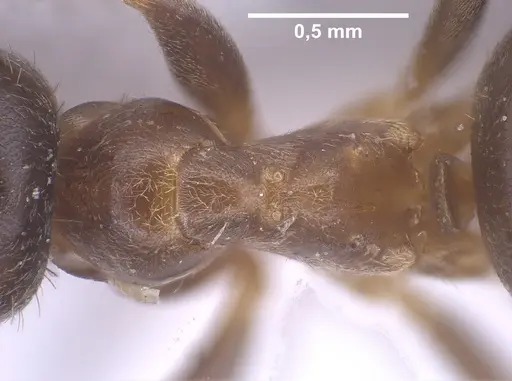
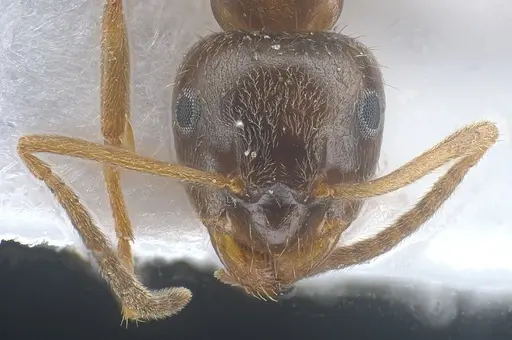
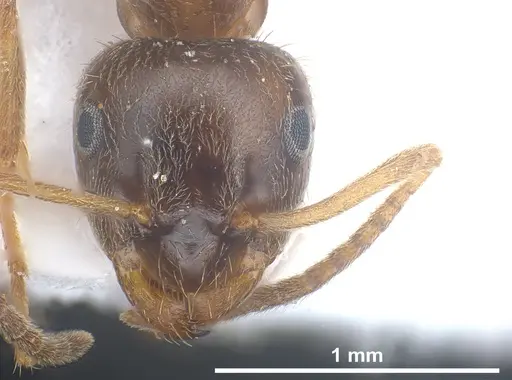
Workers of Lasius israelicus are distinctive within the Lasius turcicus species complex due to their very long and numerous body hairs (setae), except on the scape [1]. The petiole scale is thin in profile view with a sharp dorsal crest [1]. They have relatively long scapes and terminal maxillary palps compared to related species [1]. Body size is rather large for the complex, workers measure approximately 3-4mm in body length [1]. Coloration is variable, some specimens show a bicolored pattern with dark brown head and gaster and light yellowish-reddish mesosoma, while others are more uniformly medium brown with a yellowish tinge [1]. These morphological differences help distinguish them from other species in the complex like Lasius turcicus and Lasius neglectus.
Housing and Nest Setup
Since this is a newly described species with no established captive husbandry protocols, keepers will need to adapt from what works for related Lasius species. Start with a standard test tube setup, these tiny ants do well in small, humid chambers. Use a water tube with a cotton plug providing moisture, but avoid flooding. Because of their small size, escape prevention must be good, use tight-fitting lids and consider fine mesh on any ventilation. Once the colony establishes (reaches 20-30 workers), you can transition to a Y-tong setup with appropriately scaled chambers and tunnels. The species likely prefers dry to moderately humid conditions given its origin in the dry Mediterranean region of Israel.
Feeding and Diet
No specific dietary studies exist for Lasius israelicus, but like other Lasius species, they likely primarily feed on honeydew from aphids and small insects. In captivity, offer sugar water or honey water as a constant energy source. For protein, provide small prey items like fruit flies, small mealworms, or other tiny insects. Given their small worker size, prey items should be appropriately scaled. Feed protein 2-3 times per week and ensure sugar sources are always available. Remove uneaten prey after 24-48 hours to prevent mold.
Temperature and Seasonal Care
Lasius israelicus originates from the Mediterranean region of Israel, where temperatures are warm most of the year but winters can be cool. Keep colonies at room temperature (roughly 20-25°C) with a slight thermal gradient if possible. A heating cable on one side of the nest can help if your room runs cool. Based on typical Lasius patterns from temperate regions, they likely require a winter diapause period, provide 2-3 months at cool temperatures (around 10-15°C) during winter months. This mimics their natural seasonal cycle and helps maintain colony health long-term. Monitor colony activity, if workers become sluggish and cluster together, temperatures may be too low.
Colony Development Expectations
Since Lasius israelicus was only described in 2020,no captive breeding data exists. Based on typical Lasius development patterns, expect the following timeline: after mating, a claustral queen will seal herself in a small chamber and lay eggs within 1-2 weeks. Eggs develop through larval and pupal stages over approximately 6-10 weeks at optimal warm temperatures (around 24°C). The first workers (nanitics) will be smaller than mature workers and may take several weeks to develop fully. Colony growth will be gradual, expect months to reach 20-30 workers, and potentially years to reach larger colony sizes. Patience is essential, especially with this poorly understood species.
Frequently Asked Questions
How long does it take for Lasius israelicus to produce first workers?
Direct data does not exist for this newly described species. Based on typical Lasius development patterns, expect 6-10 weeks from egg to first worker at optimal temperatures (around 24°C). The claustral queen will seal herself in and raise her first brood alone, so patience is essential.
What do Lasius israelicus ants eat?
Like other Lasius species, they likely feed on honeydew and small insects. In captivity, offer sugar water or honey constantly, and protein sources like fruit flies, small mealworms, or tiny insects 2-3 times per week. Scale prey to their small worker size.
Can I keep multiple Lasius israelicus queens together?
This has not been documented. Most Lasius species are single-queen (monogyne), though some can be multi-queen. Until specific data exists, it is not recommended to combine unrelated queens.
Do Lasius israelicus ants need hibernation?
Likely yes, based on typical Lasius patterns and their temperate to Mediterranean origin. Provide a cool period (10-15°C) for 2-3 months during winter. This helps maintain natural seasonal rhythms.
How big do Lasius israelicus colonies get?
Colony size is unconfirmed for this species. Based on related small Lasius species in the brunneus group, colonies likely reach dozens to a few hundred workers over several years.
Are Lasius israelicus good for beginners?
This species is not recommended for beginners due to its newly described status and lack of captive husbandry data. There are no established protocols for keeping this species successfully. More common Lasius species like Lasius niger or Lasius flavus are better choices for beginners.
What temperature should I keep Lasius israelicus at?
Keep them at room temperature (20-25°C) with a slight gradient. A heating cable on part of the nest can help if your room runs cool. Their Mediterranean origin suggests they prefer warmer conditions.
When should I move Lasius israelicus to a formicarium?
Keep them in a test tube setup until the colony reaches at least 20-30 workers and the test tube shows signs of crowding or waste buildup. Their small size means transitions to larger nests should be gradual.
Why are my Lasius israelicus escaping?
Their small size means they can squeeze through tiny gaps. Use good escape prevention: tight-fitting lids, fine mesh barriers, and fluon on container edges. Check for gaps you cannot see.
Report an Issue
The current care sheet is based fully on literature. See inconsistencies, or something that's incorrect? Please , it will be resolved after review from an admin. Contributing to the blogs tab also helps providing information, to make us be able to further improve the caresheets. Thank you for your support!
References

This caresheet is licensed under CC BY-SA 4.0 .
Community Blogs
ANTWEB1041443
View on AntWeb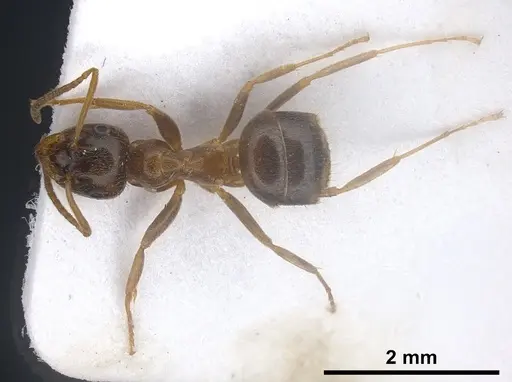
Literature
Loading distribution map...Loading products...