Lasius flavus has a tightly defined flight window centered on August. Most nuptial flights occur within just 2 months, making this a highly predictable species for collectors. The concentrated timeframe makes peak months critical for sightings.
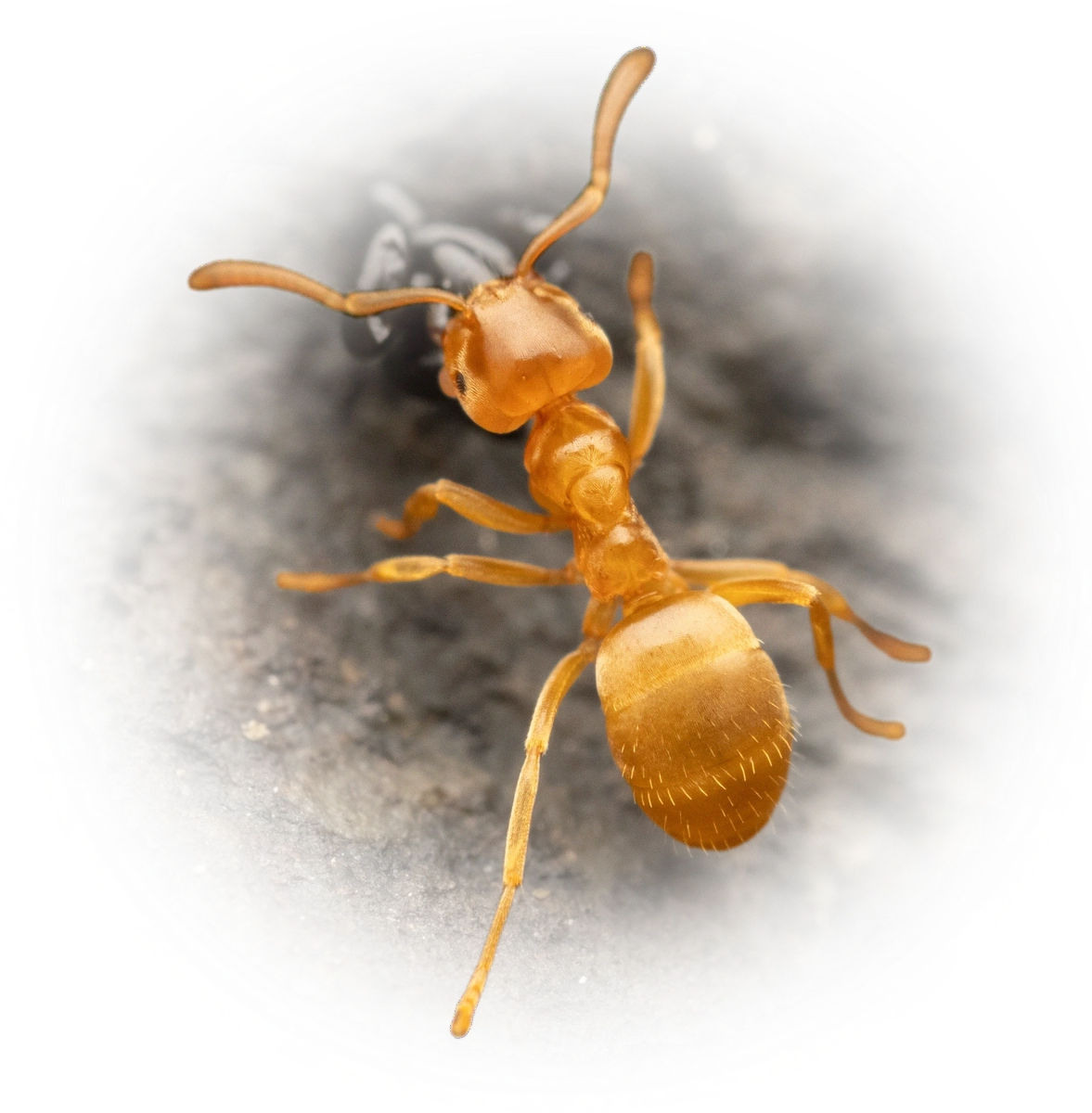
Yellow Meadow Ant
Lasius flavus
- Sci. Name
- Lasius flavus
- Tribe
- Lasiini
- Subfamily
- Formicinae
- Author
- Fabricius, 1782
- Common Name
- Yellow Meadow Ant
- Distribution
- Found in 17 countries
- Nuptial Flight
- From July to August
- Peak flight Time
- 18:00
AI Identifiable
try →
Introduction
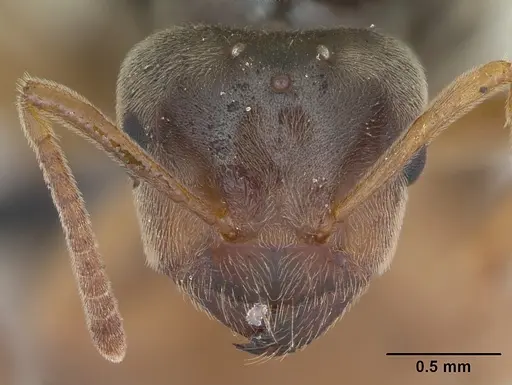
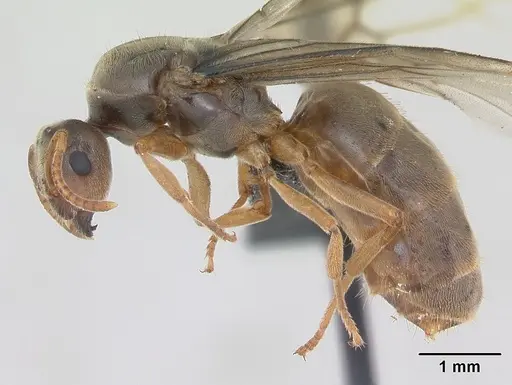
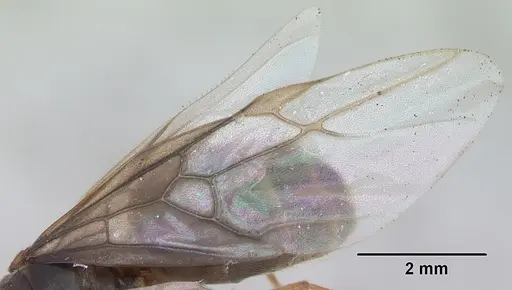
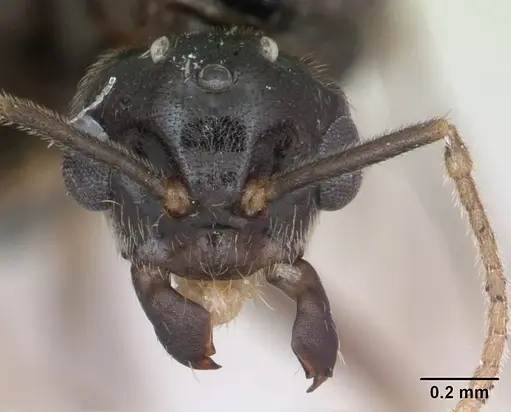
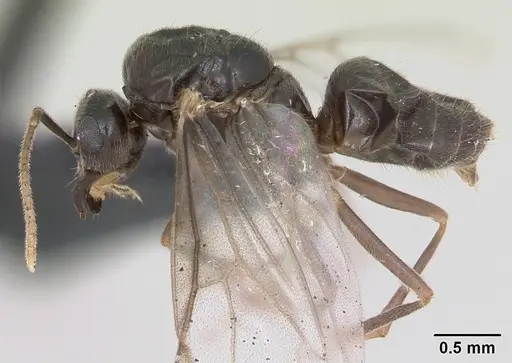
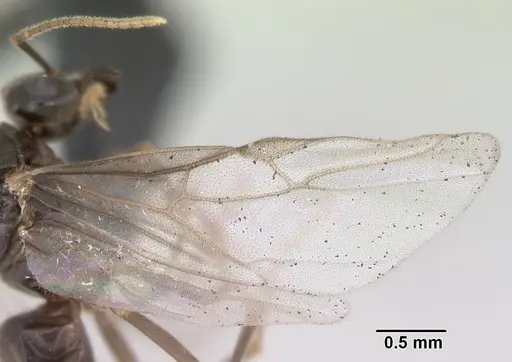
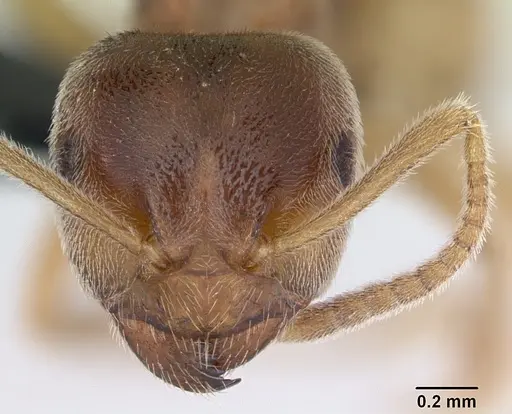
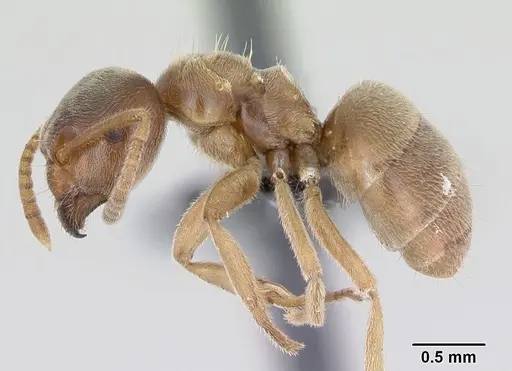
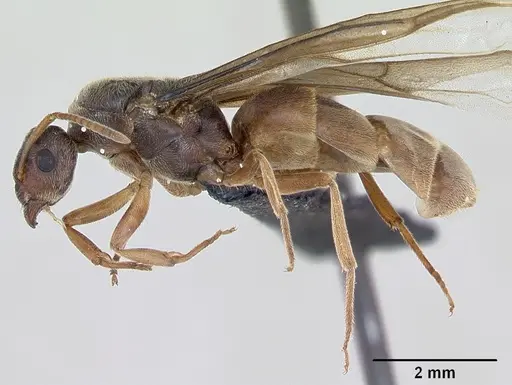
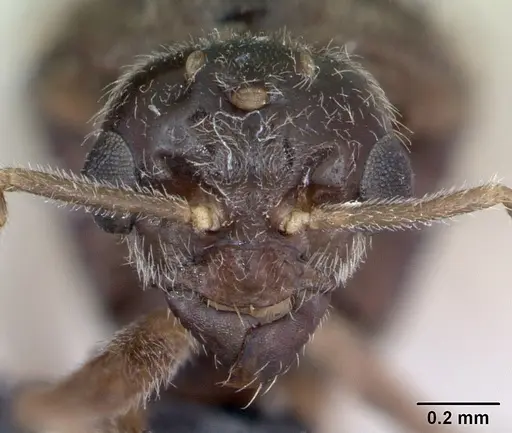
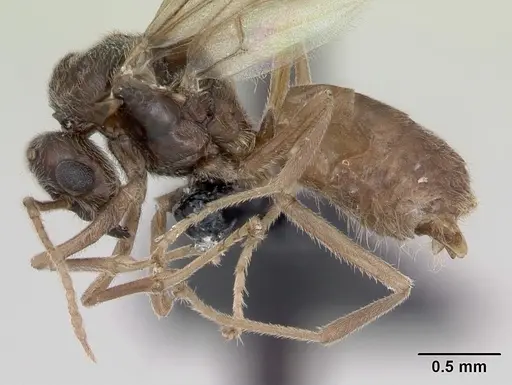
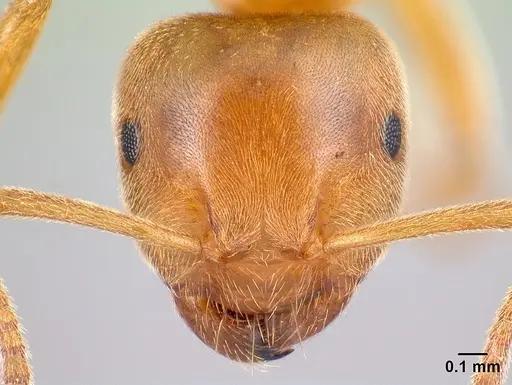
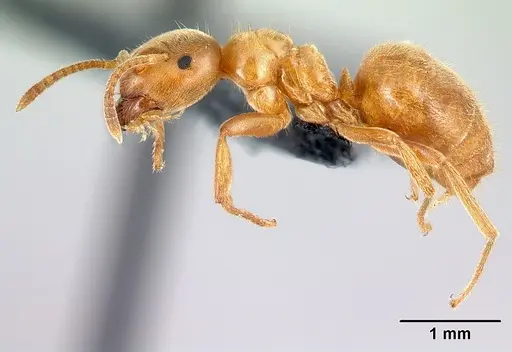
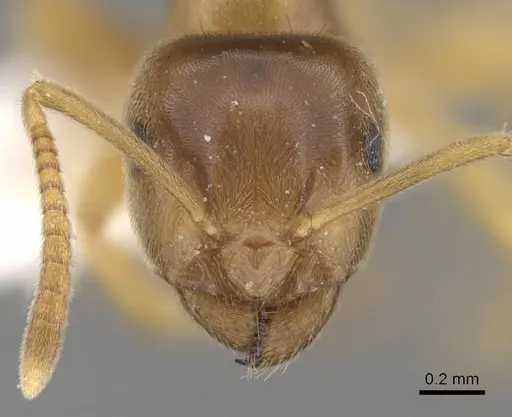
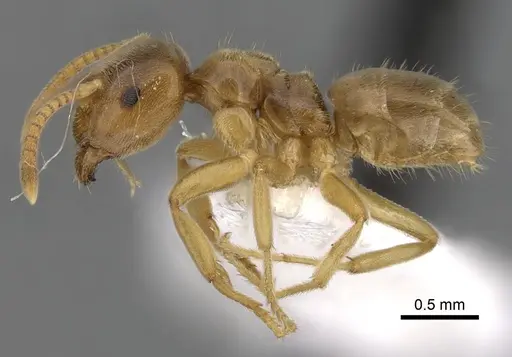
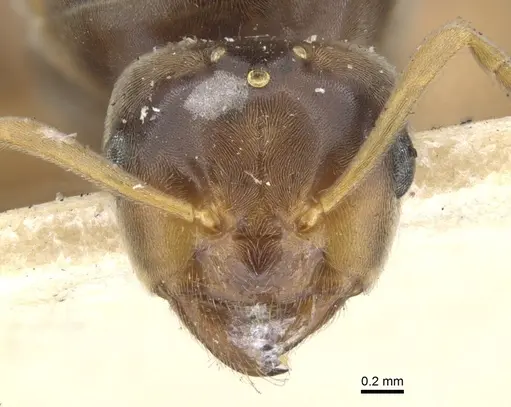
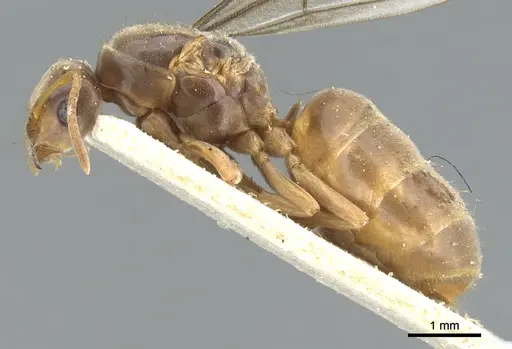
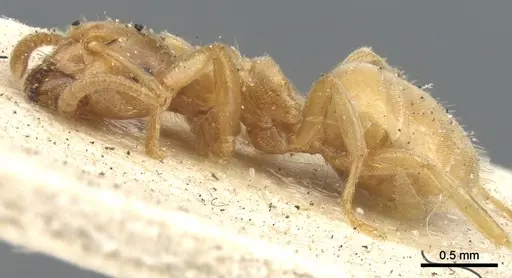
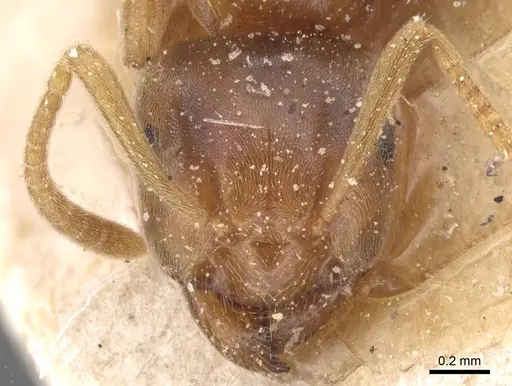
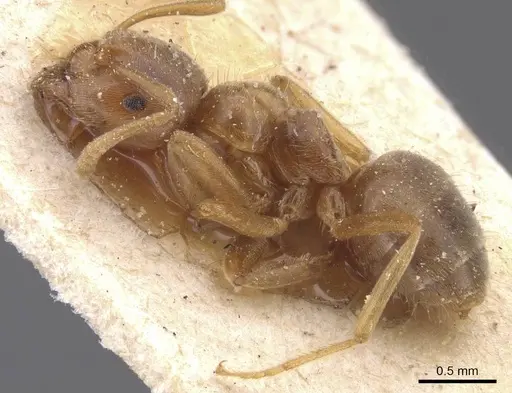
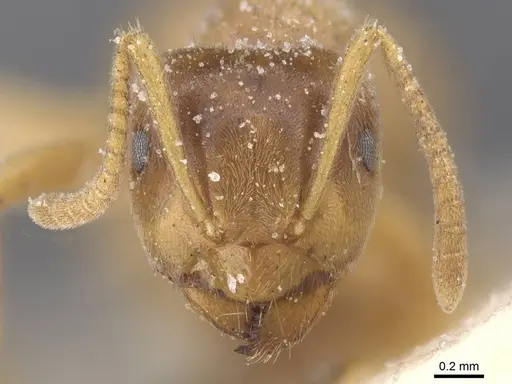
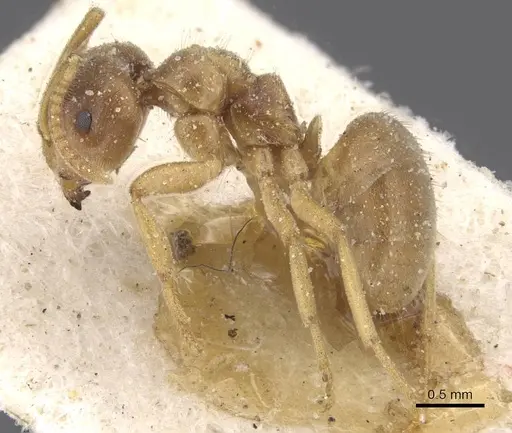
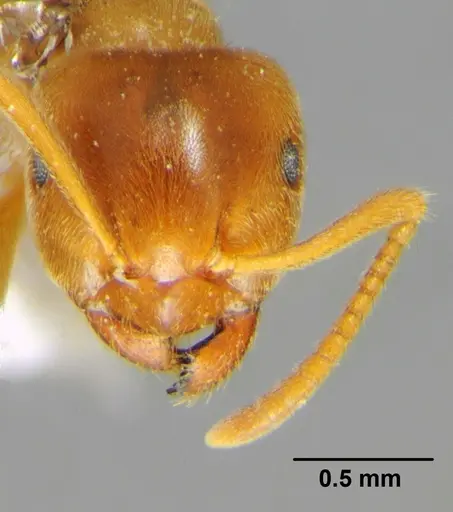
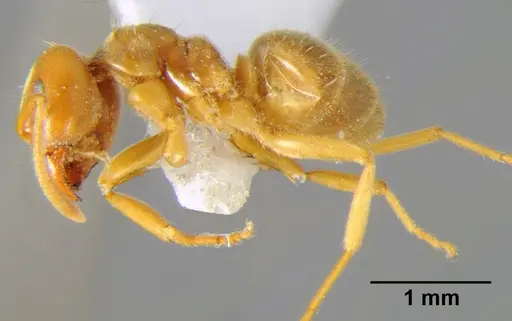
Lasius flavus is a small ant native to grasslands and meadows across the Holarctic region. Workers measure 1.7-4mm and are pale yellow to yellowish-brown, with noticeably polymorphic sizes within colonies. Queens are larger at 7-9.2mm and dark brown. This species is famous for building distinctive earth mound nests in pastures, often covered with grasses and moss, creating the characteristic 'hummock' or 'buckelweide' terrain in traditional grazing areas. Unlike most ants, Lasius flavus lives almost entirely underground, foraging in soil passages and tending root aphids as their primary food source. They rarely emerge above ground except during nuptial flights. The species is completely harmless - they lack a stinger and spray formic acid for defense when threatened in large numbers.
Quick Summary
- Difficulty: Easy
- Origin & Habitat: Widespread across the Holarctic region, Europe, Asia (including Japan), and North America. Found from lowlands to mountainous areas, preferring open sunny habitats like meadows, pastures, grasslands, and lawn areas [1][2]. The species was intercepted in quarantine in eastern North America but is not known to have become established there [3].
- Colony Type: Primarily monogynous (single queen) colonies, though pleometrosis (multiple queens founding together) is documented. After workers emerge, fighting typically reduces the colony to a single queen. Some populations can become polygynous (multiple queens) in stable habitats [4][5][6].
- Size & Growth:
- Antkeeping:
- Temperature: Keep at room temperature (18-24°C). Workers become active above 10°C, and larvae require temperatures above 20°C for proper development [10]. A heating cable on one side of the nest can create a gradient if your room is cool.
- Humidity: Keep the nest substrate consistently moist but not waterlogged. This species naturally inhabits moist meadows and pastures, the soil should feel damp to the touch. They tolerate wet conditions better than most ants and can survive temporary flooding by retreating to air-filled chambers [11].
- Diapause: Yes, requires a winter rest period. Reduce temperature to 5-10°C (unheated garage or refrigerator) for 3-4 months from late autumn through early spring. This mimics their natural cycle in temperate regions [4].
- Nesting: Y-tong (AAC) nests work well, or a naturalistic setup with soil-filled containers. They prefer nests with multiple chambers for brood and aphid farming. Provide deeper nesting areas since they're subterranean. Test tubes with cotton can work for founding colonies but they'll need more space as the colony grows.
- Behavior: Extremely peaceful and non-aggressive. Workers rarely emerge above ground and spend most of their time underground tending root aphids. They do not sting but will spray formic acid in defense when directly threatened. Escape risk is low, they are slow-moving and rarely leave the nest area. However, their small size means they can slip through very small gaps, so basic escape prevention is still recommended.
- Common Issues: colonies often fail during hibernation if kept too wet, ensure proper moisture balance before winter rest, slow growth means beginners may lose patience and overfeed, causing mold issues, wild-caught colonies may have parasites that kill them in captivity, test tubes can flood if water reservoirs are too large for their shallow chambers, they are so subterranean that keepers may think the colony has died when it's actually just underground
Nuptial Flight Activity Analysis 1706 observations
Flight Activity by Hour 1706 observations
Lasius flavus nuptial flight activity peaks around 18:00 during the evening. Activity is spread across a 11-hour window (11:00–21:00). Times may be influenced by human observation patterns.
Housing and Nest Setup
Lasius flavus is a subterranean species that thrives in nests with soil or soil-like substrates. A Y-tong (AAC) formicarium with chambers filled with loose, moist substrate works well. Alternatively, use a naturalistic setup with a soil-filled container. Provide enough depth for their extensive tunnel systems, at least 5-10cm of substrate. For founding colonies, a test tube with moist cotton works initially, but transfer to a larger setup once the colony reaches 20-30 workers. They don't need vertical space, horizontal floor space matters more. Keep the nest dark as they prefer dim conditions. Escape prevention is straightforward since they rarely climb smooth surfaces, but seal any gaps just in case. [1][8][4]
Feeding and Diet
In the wild, Lasius flavus feeds almost exclusively on honeydew from root aphids they farm in their nests. They maintain aphid colonies on grass roots growing through their mounds, harvesting sugary honeydew and occasionally eating the aphids. In captivity, offer sugar water (1:1 ratio) or honey as a constant food source. For protein, offer small insects like fruit flies, pinhead crickets, or mealworm pieces, but these are supplemental since they rarely hunt. Sugar sources should always be available, with protein offered 1-2 times per week. They are not aggressive predators and won't tackle large prey. Root aphids are difficult to maintain in captivity, so sugar substitutes are essential. [11]
Temperature and Seasonal Care
Lasius flavus adapts well to typical room temperatures (18-24°C). They are moderately thermophilic but not demanding, avoid temperature extremes. In summer, room temperature is fine. In winter, they require a diapause period. From late October through February, gradually reduce temperature to around 5-10°C and reduce feeding. Achieve this by moving the colony to an unheated garage, shed, or refrigerator. During diapause, check monthly to ensure the substrate hasn't dried out completely, but otherwise leave them alone. In spring, slowly warm them back up and resume normal feeding. This annual cycle is essential for long-term colony health. [4][10][9]
Behavior and Colony Dynamics
This is one of the most peaceful ant species you can keep. Colonies are highly organized with workers specializing in tasks, some tend aphids, some care for brood, some maintain the nest. They are completely subterranean and construct elaborate tunnel systems in suitable substrate. They don't maintain aggressive territorial boundaries. Their mounds serve important ecosystem functions in the wild, they aerate soil, cycle nutrients, and create unique microhabitats. In captivity, you'll rarely see workers on the surface unless the nest is disturbed. The queen can live over 20 years. Colonies grow moderately, expect 2-3 years to reach 100 workers, with faster growth thereafter. [1][4][10]
Common Issues and Troubleshooting
The most common problem is keepers thinking the colony has died because they never see workers. Remember, this is a subterranean species that spends almost all its time underground. Check for activity by gently disturbing the nest surface. Another issue is overfeeding leading to mold, their nest chambers are small and food spoils quickly. Remove uneaten food within 24 hours. During hibernation, too much moisture can kill the colony, the substrate should be damp but not soggy. If workers die off rapidly, check for parasites or fungal infections. Wild-caught colonies often contain parasites, quarantine new colonies for several weeks. Finally, don't be alarmed if the colony seems inactive for months during winter, this is normal dormancy, not death. [8]
Frequently Asked Questions
Can I keep Lasius flavus in a test tube?
Yes, for founding colonies. A test tube with moist cotton works for the claustral founding stage. However, transfer to a larger formicarium or soil-filled container once the colony reaches 20-30 workers, as they need space to create their extensive tunnel systems.
How long until first workers appear?
Expect 6-8 weeks from egg to first worker at room temperature. The queen seals herself in and does not leave to forage, she lives entirely on stored fat reserves until the first nanitic workers emerge.
What do Lasius flavus eat?
Their primary food is sugar from honeydew. In captivity, offer sugar water or honey constantly. For protein, small insects like fruit flies or tiny mealworm pieces are accepted occasionally. They are not active hunters and prefer easy sugar sources.
Do they need hibernation?
Yes, they require a winter rest period of 3-4 months. Reduce temperature to 5-10°C from late autumn through early spring. This can be done in an unheated garage, shed, or refrigerator. Skipping hibernation will eventually weaken and kill the colony.
Are Lasius flavus good for beginners?
Yes, excellent for beginners. They are peaceful, non-aggressive, and tolerate a range of conditions. The main challenges are their subterranean nature (you won't see much activity) and the need for annual hibernation. They are forgiving of mistakes and long-lived.
How big do colonies get?
Mature colonies can reach 20,000-25,000 workers over many years. The queen can live over 20 years. Growth is moderate, expect 2-3 years to reach 100 workers, then faster growth as the colony establishes.
Can I keep multiple queens together?
Pleometrosis (multiple queens founding together) is documented in this species. However, after workers emerge, fighting typically reduces the colony to a single queen. In captivity, combining unrelated queens is not recommended, they will likely fight.
When is the nuptial flight of Lasius flavus?
The nuptial flight of Lasius flavus typically occurs From July to August.
What time of day does Lasius flavus fly?
The nuptial flight of Lasius flavus peaks around 18:00 during the evening, with most activity between 11:00 and 21:00. Times may be influenced by human observation patterns.
Report an Issue
The current care sheet is based fully on literature. See inconsistencies, or something that's incorrect? Please , it will be resolved after review from an admin. Contributing to the blogs tab also helps providing information, to make us be able to further improve the caresheets. Thank you for your support!
References

This caresheet is licensed under CC BY-SA 4.0 .
Community Blogs
CASENT0173149
View on AntWeb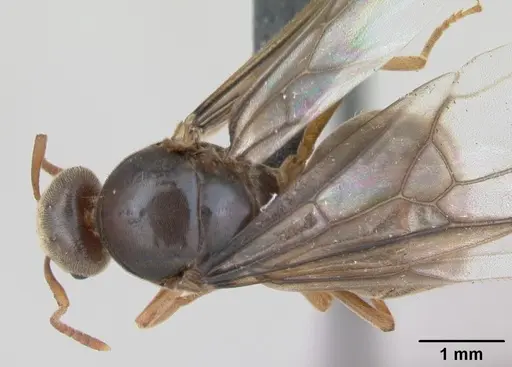
CASENT0173150
View on AntWeb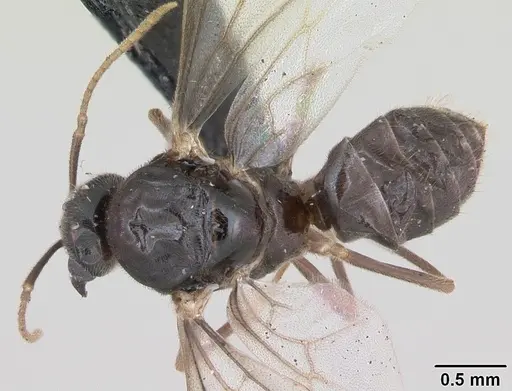
CASENT0173167
View on AntWeb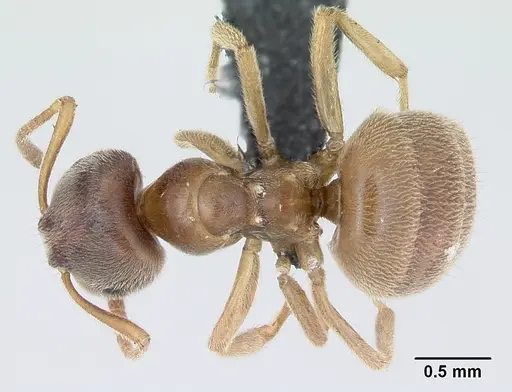
CASENT0173168
View on AntWeb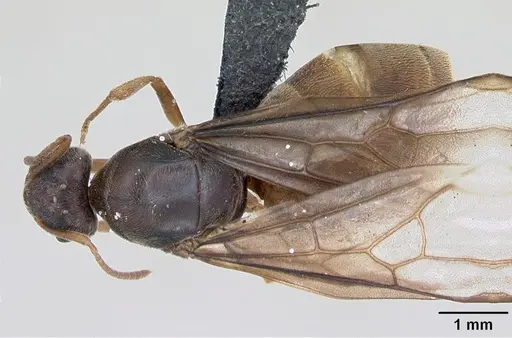
CASENT0173169
View on AntWeb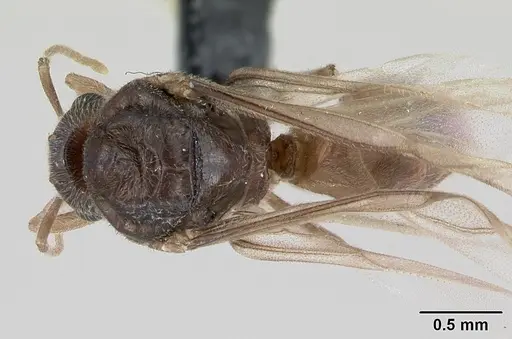
CASENT0179923
View on AntWeb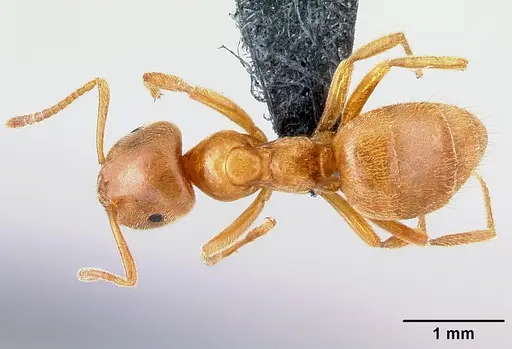
CASENT0280457
View on AntWeb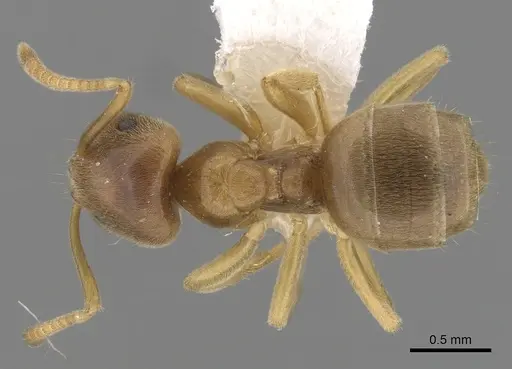
CASENT0903209
View on AntWeb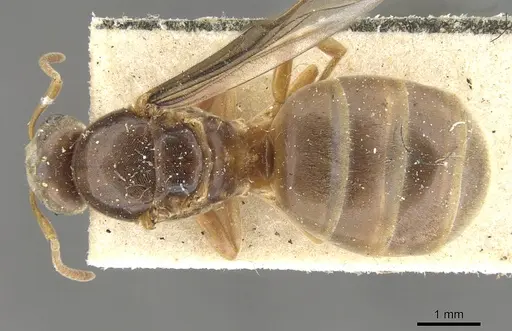
CASENT0903210
View on AntWeb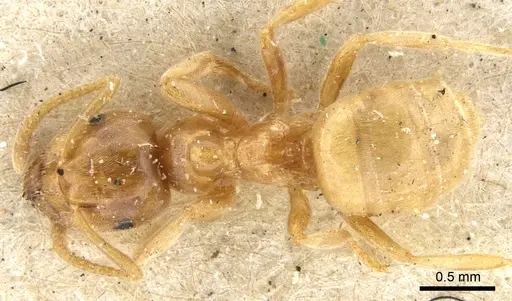
CASENT0912281
View on AntWeb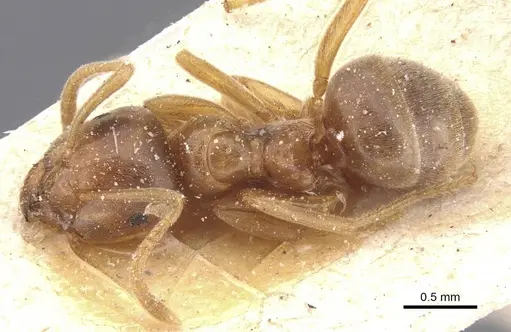
CASENT0912282
View on AntWeb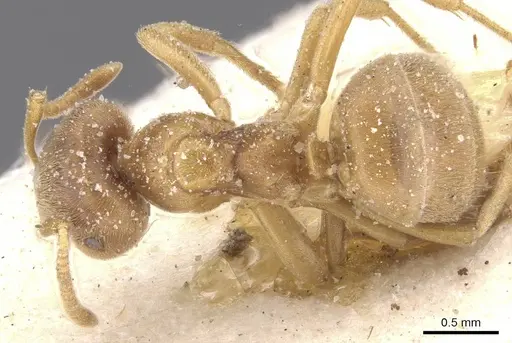
CFH000053
View on AntWeb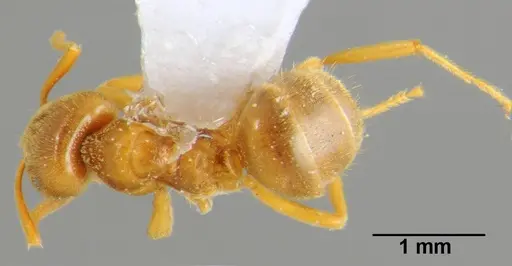
Literature
Loading distribution map...Loading products...