
Lasius turcicus
- Sci. Name
- Lasius turcicus
- Tribe
- Lasiini
- Subfamily
- Formicinae
- Author
- Santschi, 1921
- Distribution
- Found in 5 countries
Introduction
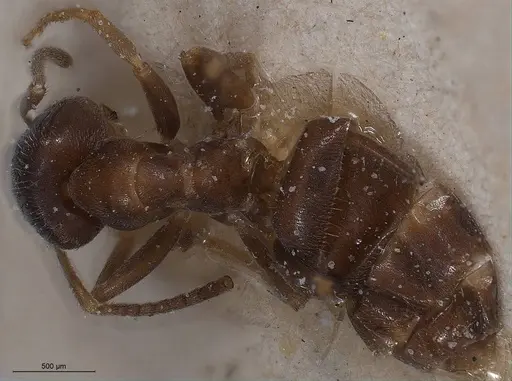
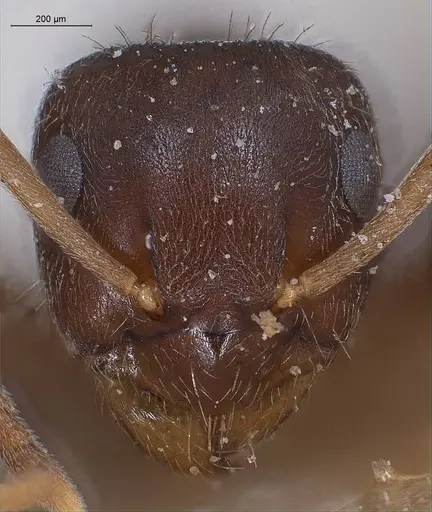
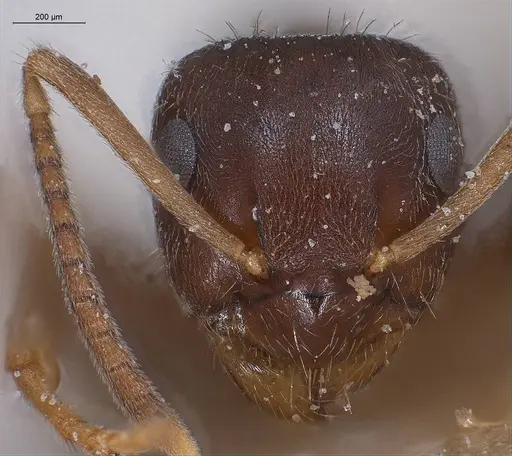
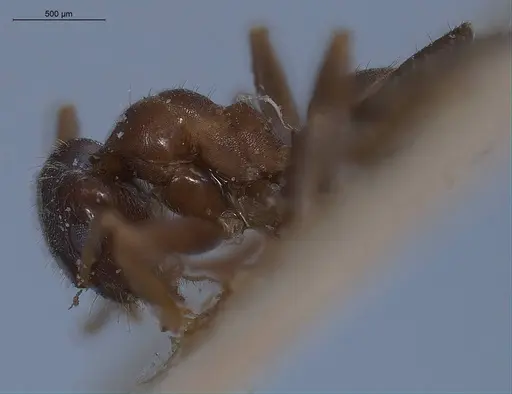
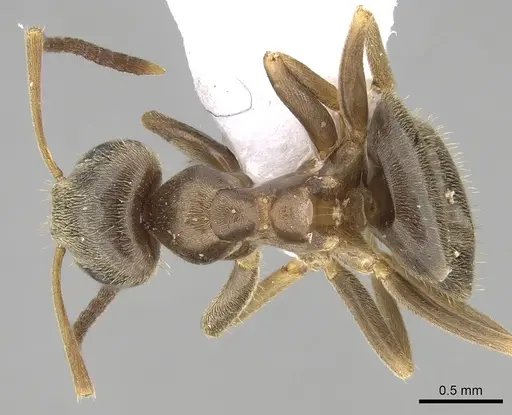
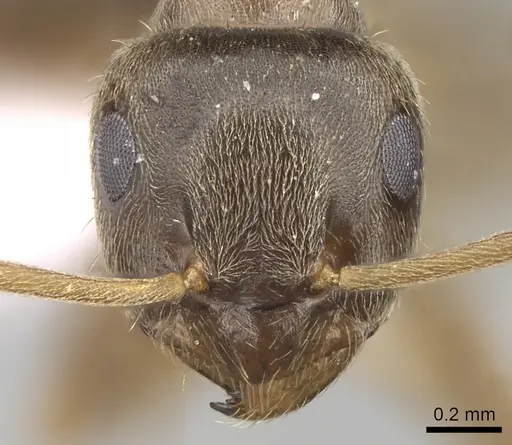
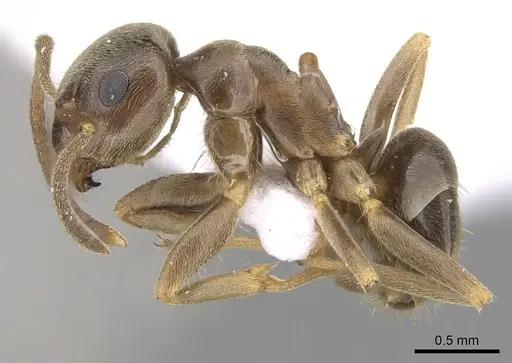
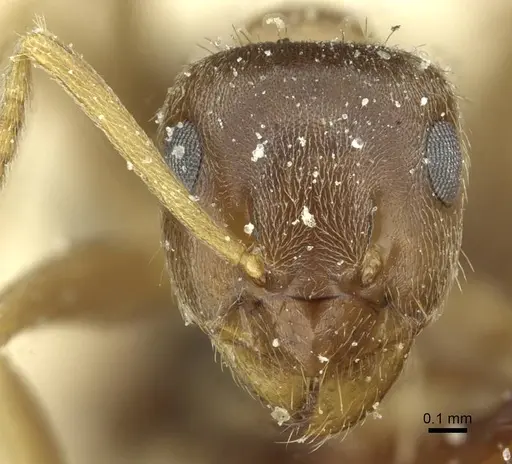
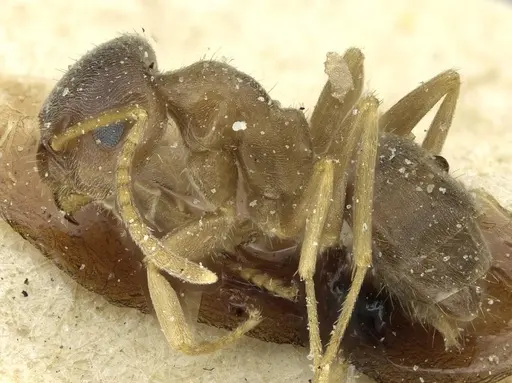
Lasius turcicus is a small to medium-sized ant native to the Mediterranean and western Asia. Workers are yellowish-reddish brown to dark brown, about 3–4 mm long (inferred from the genus), while queens are larger at around 5–7 mm. It belongs to the brunneus species group in the genus Lasius and is the sister species of the invasive Lasius neglectus . This ant is flexible in social structure: it can form single-queen (monogynous) colonies or multi-queen (polygynous) supercolonies depending on location and altitude . It thrives in diverse habitats, from steppes and karst areas to urban gardens and forest margins , but in Greece it prefers shady, moist spots near water . L. turcicus tends many species of aphids for honeydew and plays an important role in ant-aphid mutualisms across its range .
Quick Summary
- Difficulty: Easy
- Origin & Habitat: Native to the Mediterranean region and western Asia, from the Aegean islands (Andros, Kos, Rhodos) through Anatolia east to northern Iran and south to Syria [3][6]. Also found in Greece, Turkey, Iran, Georgia, Bulgaria, and introduced to parts of Europe [7]. Habitat includes steppes, karst areas, sand dunes, pastures, tree rows, roadsides, forest margins, and urban areas [3]. In Greece, it prefers shady, moist forests near water, including deciduous and coniferous forests, olive plantations, and gardens [4]. Altitude range from sea level to 1900 m, but most records are below 500 m [3][8].
- Colony Type: Facultatively polygynous – can be either single-queen (monogynous) or multi-queen (polygynous). On Crete, colonies are monogynous [4]. Polygynous colonies may contain 30–35 queens and can form large supercolonies [1][9]. Two ecological forms exist: a lowland form that is polygynous and polydomous, and a highland form that is monogynous and monodomous [1][9].
- Size & Growth:
- Queen: Approximately 5–7 mm (inferred from Lasius genus, specific body length not measured in studies)
- Worker: Approximately 3–4 mm (inferred from Lasius genus, specific body length not measured in studies)
- Colony: Up to several hundred workers in monogynous colonies, and several thousand in polygynous supercolonies [3]
- Growth: Moderate
- Development: Estimated 6–8 weeks at 22–24 °C (based on typical Lasius development) (Development speed depends on temperature, keep warm and stable for fastest growth.)
- Antkeeping:
- Temperature: Keep at room temperature,20–24 °C. The species tolerates a range from around 15–28 °C, but avoid extremes. A gentle gradient in the nest is beneficial [3].
- Humidity: Moderate to high humidity. In nature they inhabit moist forest and montane areas with moderate rainfall [8]. Keep the nest substrate consistently moist but not waterlogged, and provide a drier area for the ants to choose.
- Diapause: Likely requires a winter rest period. As a temperate to Mediterranean species, provide a cool period around 10–15 °C for 2–3 months during winter. Reduce feeding during this time. [3]
- Nesting: Soil-nesting species that naturally nests under stones, in soil, and inside dead trees [10][4]. For founding, a standard test tube setup works well. For established colonies, use a Y-tong or plaster nest with moist substrate. They adapt well to various nest types.
- Behavior: Generally non-aggressive and docile, typical of Lasius species. Workers are active foragers that primarily tend aphids for honeydew but also hunt small insects. They do not sting. Escape risk is moderate – use standard barrier methods (Fluon). Note that colony behavior differs between the two forms: the lowland polygynous form shows no aggression between neighboring nests and forms small supercolonies, while the highland monogynous form is highly aggressive to other colonies and maintains strict territories [1][9].
- Common Issues: polygynous colonies can become very large and space-consuming – plan for expansion, colonies need a constant supply of sugar (honey water) to thrive, overheating above 28 °C can cause stress, wild-caught colonies may carry parasites – quarantine new colonies, supercolonial forms may become stressed in cramped enclosures
Housing and Nest Setup
Lasius turcicus is adaptable and does well in standard ant housing. For founding colonies, a simple test tube setup with a water reservoir works perfectly: fill the tube about one-third with water, plug with cotton, and place the queen in the dark. The queen will seal herself in and raise her first brood without leaving. Once the first workers (nanitics) arrive, you can keep them in the test tube for several months before moving to a formicarium. For established colonies, a Y-tong or plaster nest works well. These ants prefer slightly moist substrate, so keep the nest material damp but not soggy. Provide a small outworld for foraging. Since polygynous colonies can become large, plan for expansion space. Standard escape prevention like Fluon on container edges is sufficient – they are not particularly escape-prone. [4][11]
Feeding and Diet
Like other Lasius, Lasius turcicus is primarily a honeydew farmer but also accepts protein. In captivity, offer sugar water or honey water constantly to mimic honeydew. They have documented associations with many aphid species, including Acyrthosiphon gossypii, Aphis craccivora, Aphis fabae, Brachycaudus amygdalinus, and Chaitophorus hillerislambersi [5]. For protein, offer small insects like fruit flies, small crickets, or mealworms twice a week. Keep sugar water available at all times. If you can, establish a small aphid colony on a potted plant in the outworld – the ants will tend them and harvest honeydew. [5][11]
Temperature and Seasonal Care
Lasius turcicus adapts well to typical room temperatures of 20–24 °C. They are found across a wide altitude range, from sea level to nearly 2000 m, showing good temperature tolerance [3]. Avoid extremes: do not exceed 28 °C or drop below 10 °C for extended periods. As a temperate to Mediterranean species, they likely require a winter rest period. During winter, reduce temperatures to around 10–15 °C for 2–3 months to simulate natural conditions. Reduce feeding during this time. This diapause helps maintain colony health and triggers spring reproduction. [3][11]
Colony Structure and Behavior
One of the most interesting features of Lasius turcicus is its flexible colony structure. The species exists in two distinct ecological forms. The lowland form (Tieflandform) has 30–35 queens per nest, shows no aggression between neighboring nests, and forms small supercolonies. The highland form (Hochlandform) has one or very few queens, shows high aggression between neighboring colonies, and is monodomous (one nest per colony). In polygynous colonies, reproduction happens through intranidal mating (mating inside the nest) and nuptial flights are reduced. In monogynous colonies, alate queens participate in nuptial flights – one was collected on July 5 in Turkey. [1][9][3]
Growth and Development
Lasius turcicus grows at a moderate pace. Queens are claustral founders: after mating, she seals herself in a chamber and raises the first brood using stored fat reserves. She never leaves to forage. The first workers (nanitics) are smaller than mature workers but will quickly begin foraging. Once the nanitics emerge, colony growth speeds up as the queen continues laying eggs and workers take over brood care. A mature polygynous colony can reach several thousand workers. Growth rate depends on feeding and temperature. Expect 6–8 weeks from egg to first worker under warm conditions. [3][11]
Common Challenges
Lasius turcicus is generally easy, but a few issues can arise. Polygynous colonies can grow quickly and need ample space – plan ahead. These ants rely heavily on honeydew, so always provide constant sugar water. Wild-caught colonies may carry parasites, quarantine new colonies before adding to your collection. Avoid overheating (above 28 °C) as it causes stress. Finally, supercolonial forms may become stressed if confined in too small a space. [3][1]
Frequently Asked Questions
Is Lasius turcicus a good species for beginners?
Yes, it is an excellent choice. It is adaptable, non-aggressive, and has simple dietary needs – sugar water and occasional protein. It tolerates room temperature and doesn't require specialized equipment. The main consideration is providing consistent sugar and planning for potential colony growth if you have a polygynous colony. [11]
How long does it take for the first workers to appear?
Expect 6–8 weeks from egg to first worker at room temperature (22–24 °C). This is typical for Lasius species. The queen will seal herself in and raise the first brood without eating, so do not disturb her during this time. Once workers arrive, they will start foraging. [3][11]
Can I keep multiple Lasius turcicus queens together?
Only if they come from a naturally polygynous colony. This species is facultatively polygynous, but unrelated queens will fight. If you want a multi-queen colony, start with a single queen and allow the colony to become polygynous naturally, or acquire a known polygynous colony. Do not force queens together. [1][9]
What do Lasius turcicus eat?
Their primary food is sugar – offer honey water or sugar water constantly. They also need protein from small insects like fruit flies, crickets, or mealworms offered twice a week. In the wild they tend aphids, so if you can provide a small aphid colony on a plant, they will love it. [5][11]
Do Lasius turcicus need hibernation?
Yes, they likely require a winter rest period. As a temperate-to-Mediterranean species, provide a cool period at 10–15 °C for 2–3 months. Reduce feeding during this time. This diapause helps maintain colony health. [3][11]
How big do Lasius turcicus colonies get?
Size depends on colony type. Monogynous colonies may reach a few hundred workers. Polygynous supercolonies can grow to thousands, as seen in some urban populations. In captivity, expect moderate growth but plan for expansion. [3][1]
What temperature range is best for Lasius turcicus?
Keep them at room temperature,20–24 °C. They tolerate 15–28 °C, but avoid temperatures above 28 °C or below 10 °C. A gentle gradient in the nest lets the ants choose their preferred spot. [3][11]
Why are my Lasius turcicus dying?
Common causes: inconsistent sugar supply (they need constant honey water), parasites from wild-caught colonies, overheating above 28 °C, excessive dryness, or stress from frequent disturbances. Ensure sugar water is always available, keep humidity appropriate, and avoid disturbing founding queens. If wild-caught, watch for parasites. [3][1]
Report an Issue
The current care sheet is based fully on literature. See inconsistencies, or something that's incorrect? Please , it will be resolved after review from an admin. Contributing to the blogs tab also helps providing information, to make us be able to further improve the caresheets. Thank you for your support!
References

This caresheet is licensed under CC BY-SA 4.0 .
Community Blogs
Literature
Loading distribution map...Loading products...