
Pheidole williamsi
- Bilimsel Adı
- Pheidole williamsi
- Oymak (Tribe)
- Attini
- Alt Familya
- Myrmicinae
- Yazar (Tanımlayan)
- Wheeler, 1919
- Dağılım
- 1 ülkede bulundu
Giriş
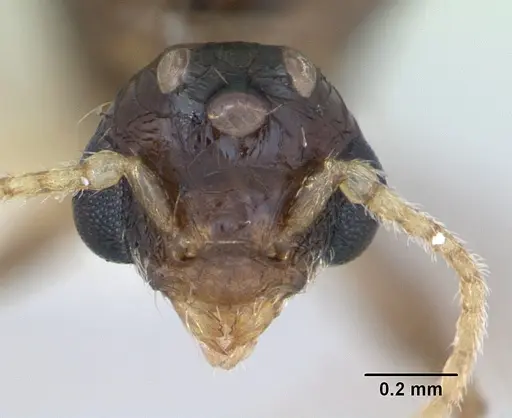
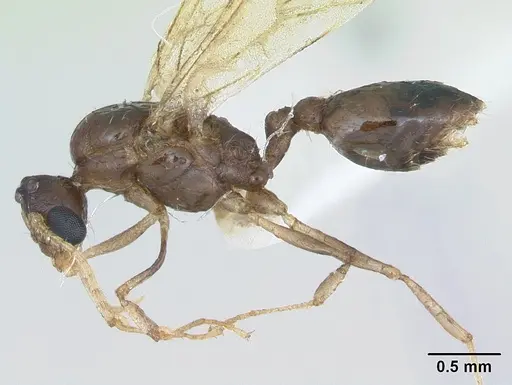
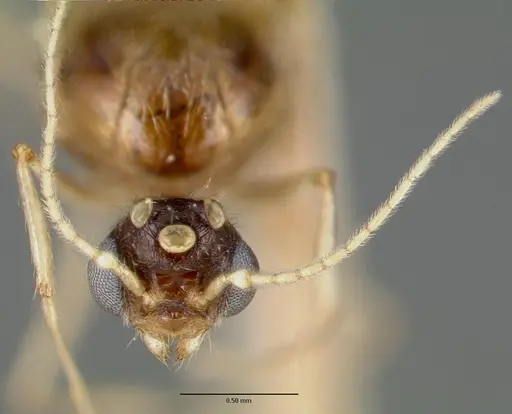
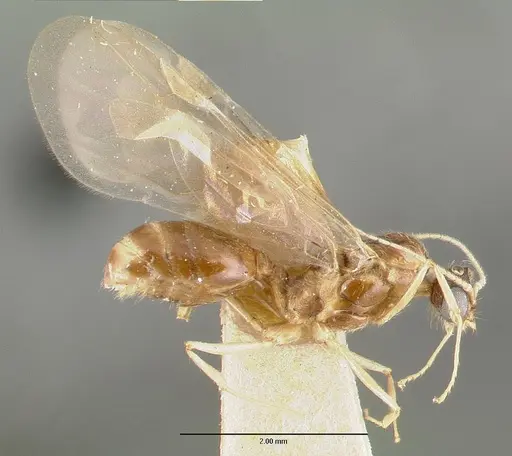
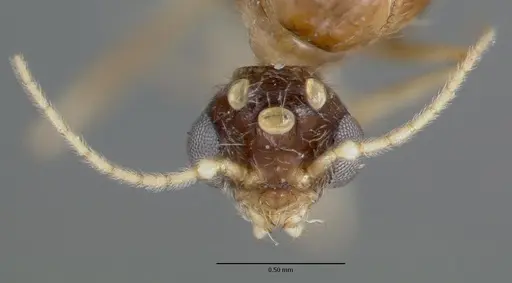
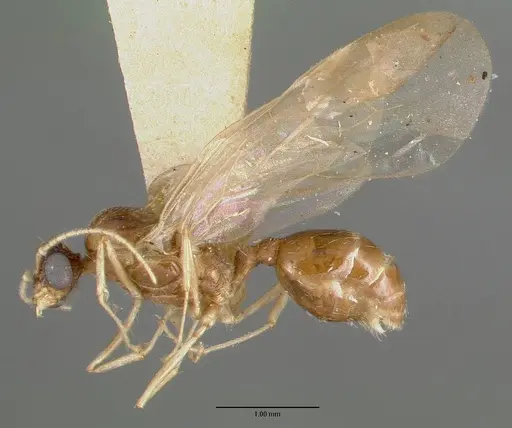
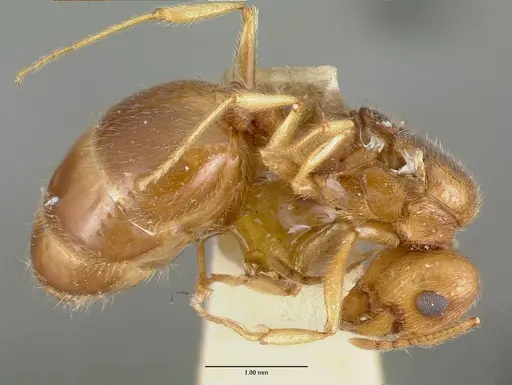
Pheidole williamsi is a small yellow ant endemic to the Galápagos Islands, found on at least 25 islands and islets in littoral, dry, and transition zones . The species is rare in the wild and was named after Harrison Williams, leader of a collecting expedition . This ant is notable for being affected by the parasitic fungus Myrmicinosporidium durum, which has been documented in wild populations .
Quick Summary
- Difficulty: Medium
- Origin & Habitat: Endemic to the Galápagos Islands (Ecuador), found in littoral, dry, and transition zones, nesting on sandy beaches, under rocks, in dry trunks, and foraging in leaf litter [1].
- Colony Type: Unconfirmed, no specific data on queen number or social structure for this species.
- Size & Growth:
- Queen: Size data unavailable, no total length measurements for this species [2].
- Worker: Size data unavailable, minor and major workers exist, but no total length measurements [2].
- Colony: Unknown, typical Pheidole colonies can reach several hundred workers, but no specific data for this species.
- Growth: Moderate, inferred from related Pheidole species.
- Development: 6-8 weeks at optimal temperature, inferred from genus patterns. (Development time depends on temperature, warmer conditions speed up growth.)
- Antkeeping:
- Temperature: Keep warm, around low-to-mid 20s°C, based on Galápagos climate [1].
- Humidity: Provide a humidity gradient, mostly dry nest with one small moist area, as they nest in dry areas but also littoral zones [1].
- Diapause: No diapause required, Galápagos have mild year-round temperatures [1].
- Nesting: Use a test tube setup for founding colonies. For established colonies, Y-tong or plaster nests work well. They nest in sandy soil under rocks and in dry wood [1].
- Behavior: Pheidole williamsi is a ground-nesting ant that forages in leaf litter and around vegetation. They are not aggressive but will defend the nest. Escape prevention is important due to their small size [2].
- Common Issues: wild-caught colonies may carry the parasitic fungus Myrmicinosporidium durum, which can kill the colony [1][3], invasive Wasmannia auropunctata negatively affects this species in the wild, keep away from other ant colonies [4], rare in the wild so captive colonies are uncommon, limited availability, small colony size means slow growth, patience is required
Housing and Nest Setup
For founding colonies, use a standard test tube setup with a water reservoir. Once the colony reaches 20-30 workers, move them to a formicarium like a Y-tong or plaster nest. These allow you to maintain appropriate humidity while giving workers space to forage. In the wild, they nest in sandy soil under rocks and in dry wood, so provide a substrate they can dig in [1].
Feeding and Diet
Pheidole williamsi is likely a generalist like other Pheidole species. Offer protein sources such as small insects, and provide sugar water or honey as an energy source. In the wild, they forage in leaf litter, suggesting they scavenge [1]. Feed protein 2-3 times per week and keep sugar water available at all times.
Temperature and Seasonal Care
Keep your colony warm, around low-to-mid 20s°C, based on Galápagos climate. No true hibernation is needed, but activity may slow during cooler months. Use a heating cable if room temperature is below 20°C. Avoid extremes above 30°C or below 18°C [1].
Health and Common Problems
The biggest concern is the parasitic fungus Myrmicinosporidium durum, documented in wild populations [1][3]. Avoid wild-caught colonies if possible, and quarantine any new ants. Invasive Wasmannia auropunctata affects this species in the wild, so keep your colony isolated [4]. Standard hygiene practices help prevent issues.
Behavior and Observation
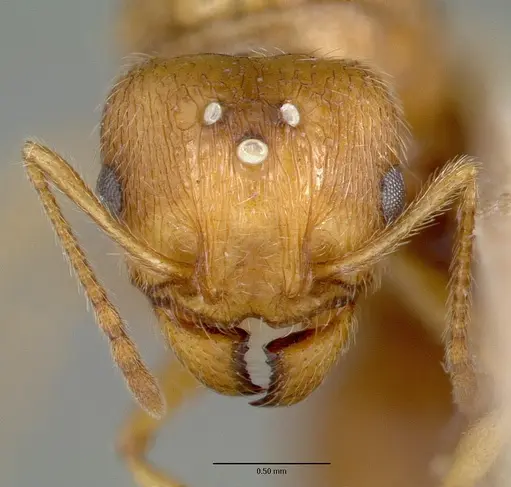
This species has major and minor workers, with majors having enlarged heads for defense. Workers forage individually or in small groups through leaf litter. They are not aggressive but will bite if the nest is disturbed. Watch for normal colony organization, like majors moving brood [2].
Frequently Asked Questions
Is Pheidole williamsi good for beginners?
This species is rated as medium difficulty. It is small and requires standard care, but wild-caught colonies may carry parasites. If you can obtain a captive-bred colony, it makes a good intermediate project [1].
How long does it take for the first workers to hatch?
Based on related Pheidole species, expect first workers in about 6-8 weeks at optimal temperature. Development time depends on temperature, warmer speeds it up, cooler slows it down.
Can I keep multiple queens together?
Pheidole williamsi colony structure is unconfirmed, but most Pheidole are monogyne (single queen). It is not recommended to combine unrelated queens. If you have multiple founding queens, house them separately.
What do I feed Pheidole williamsi?
Offer small insects like fruit flies or pinhead crickets as protein 2-3 times per week. Keep sugar water or honey available at all times [1].
Do they need hibernation?
No hibernation is required. The Galápagos Islands have mild year-round temperatures, so your colony will remain active if kept warm [1].
Why are my workers dying?
If you have a wild-caught colony, the parasitic fungus Myrmicinosporidium durum may be the cause [1][3]. Ensure proper humidity, remove uneaten food, and maintain clean conditions. Some worker death is normal as colonies mature.
When should I move them to a formicarium?
Move to a formicarium once the colony reaches 20-30 workers. The test tube setup works for founding, but larger colonies need more space for foraging and waste disposal.
Are Pheidole williamsi invasive?
No, they are endemic to the Galápagos Islands and rare. They are actually negatively affected by invasive ant species like Wasmannia auropunctata [4]. Never release ant colonies in non-native areas.
How big do colonies get?
Colony size is unconfirmed for this species, but typical Pheidole colonies reach several hundred workers. This species appears to be rare, so colonies may stay smaller in captivity.
Report an Issue
The current care sheet is based fully on literature. See inconsistencies, or something that's incorrect? Please , it will be resolved after review from an admin. Contributing to the blogs tab also helps providing information, to make us be able to further improve the caresheets. Thank you for your support!
References

Bu bakım rehberi şu lisans altındadır: CC BY-SA 4.0 .
Topluluk Blogları
CASENT0173264
AntWeb'de Görüntüle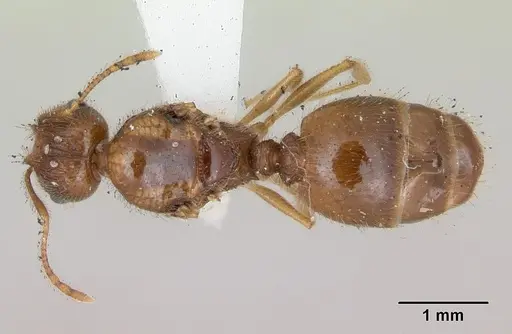
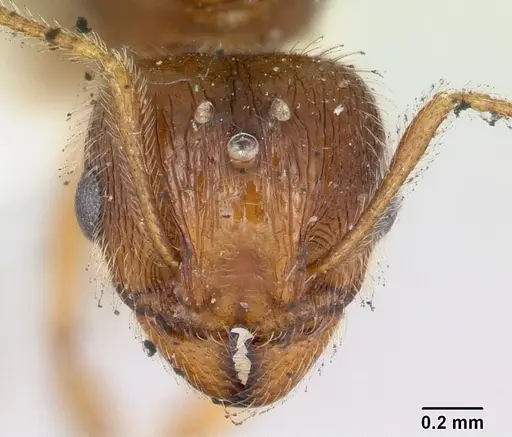
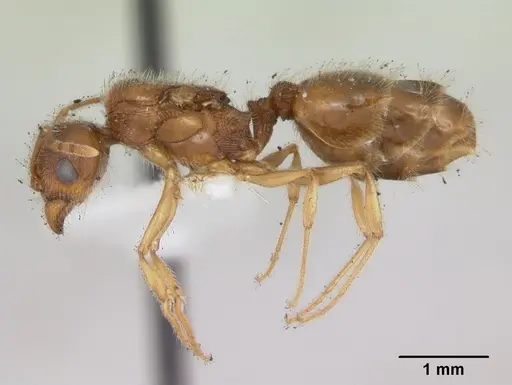
CASENT0173265
AntWeb'de Görüntüle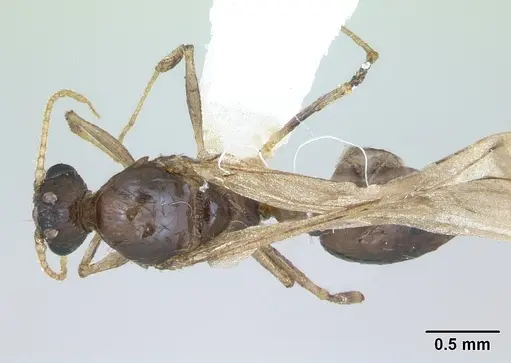
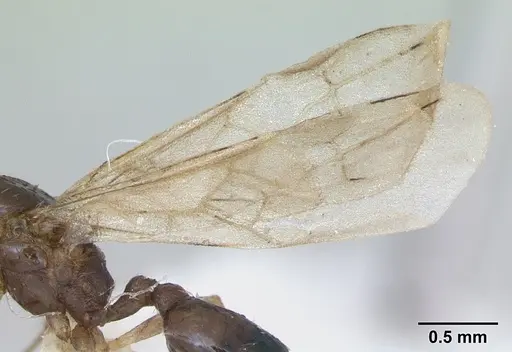
CASENT0173266
AntWeb'de Görüntüle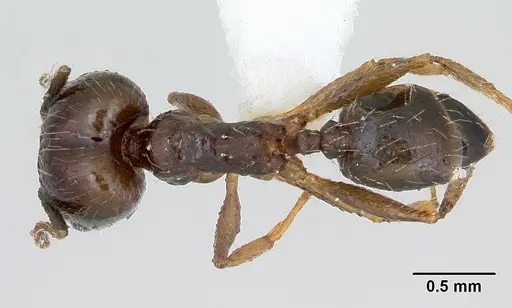
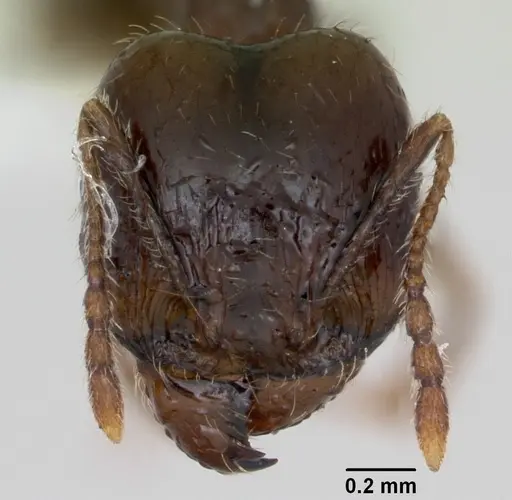
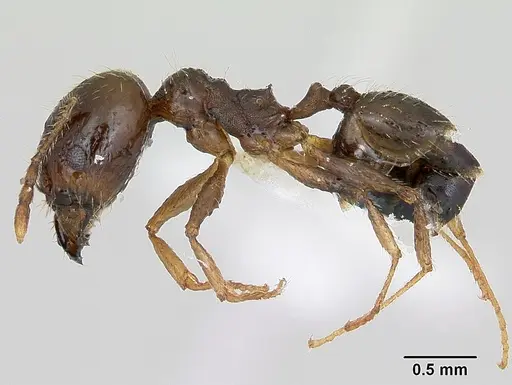
CASENT0173597
AntWeb'de Görüntüle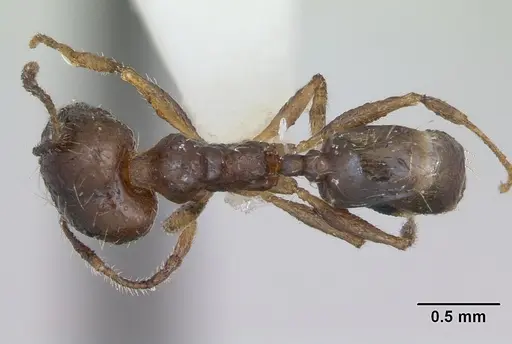
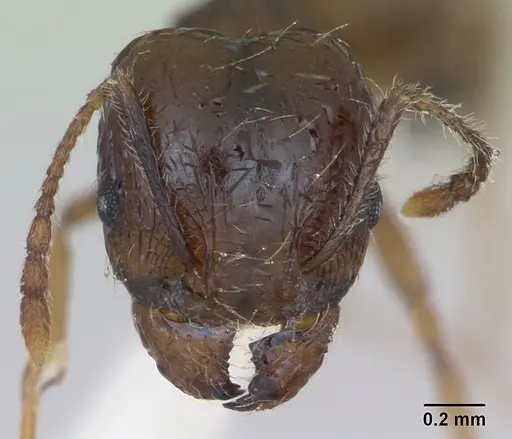
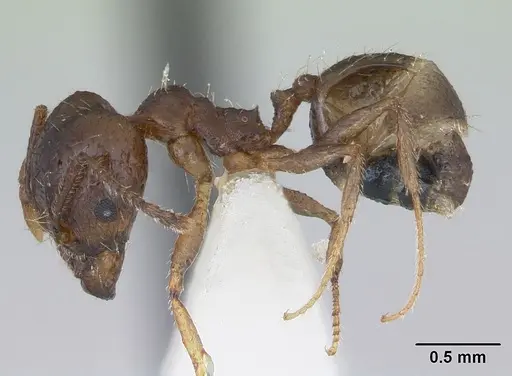
CASENT0173598
AntWeb'de Görüntüle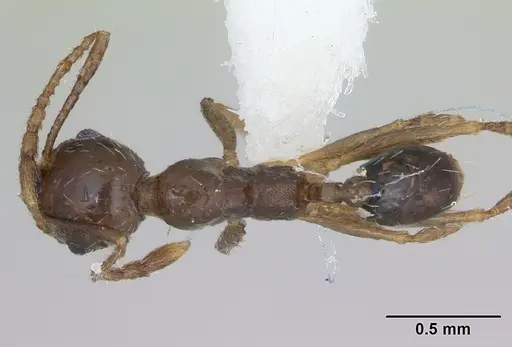
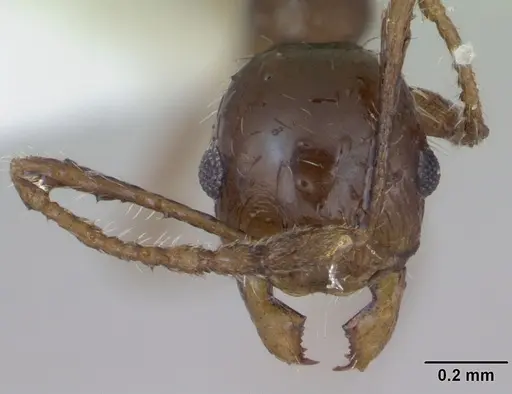
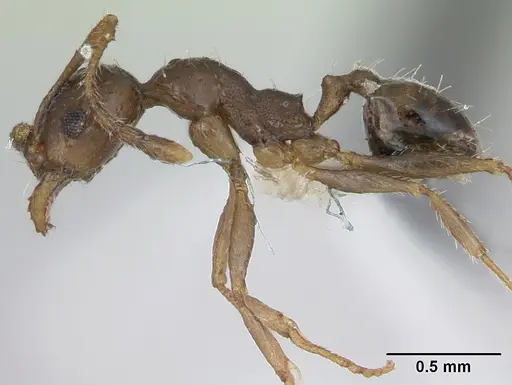
CASTYPE00444-01
AntWeb'de Görüntüle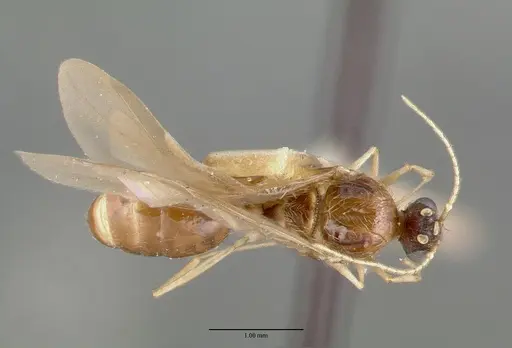
CASTYPE00444-02
AntWeb'de Görüntüle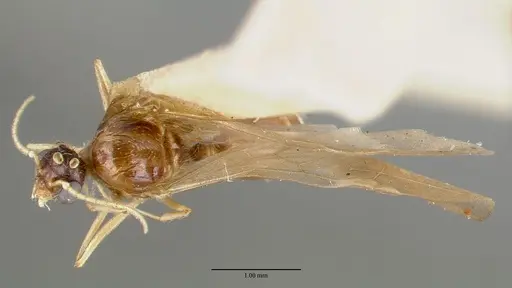
CASTYPE00444-03
AntWeb'de Görüntüle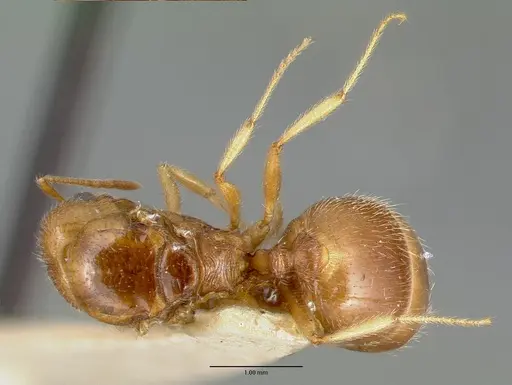
Literatür
Dağılım haritası yükleniyor...Ürünler yükleniyor...