Little Fire Ant
Wasmannia auropunctata
- Sci. Name
- Wasmannia auropunctata
- Tribe
- Attini
- Subfamily
- Myrmicinae
- Author
- Roger, 1863
- Common Name
- Little Fire Ant
- Distribution
- Found in 14 countries
Introduction
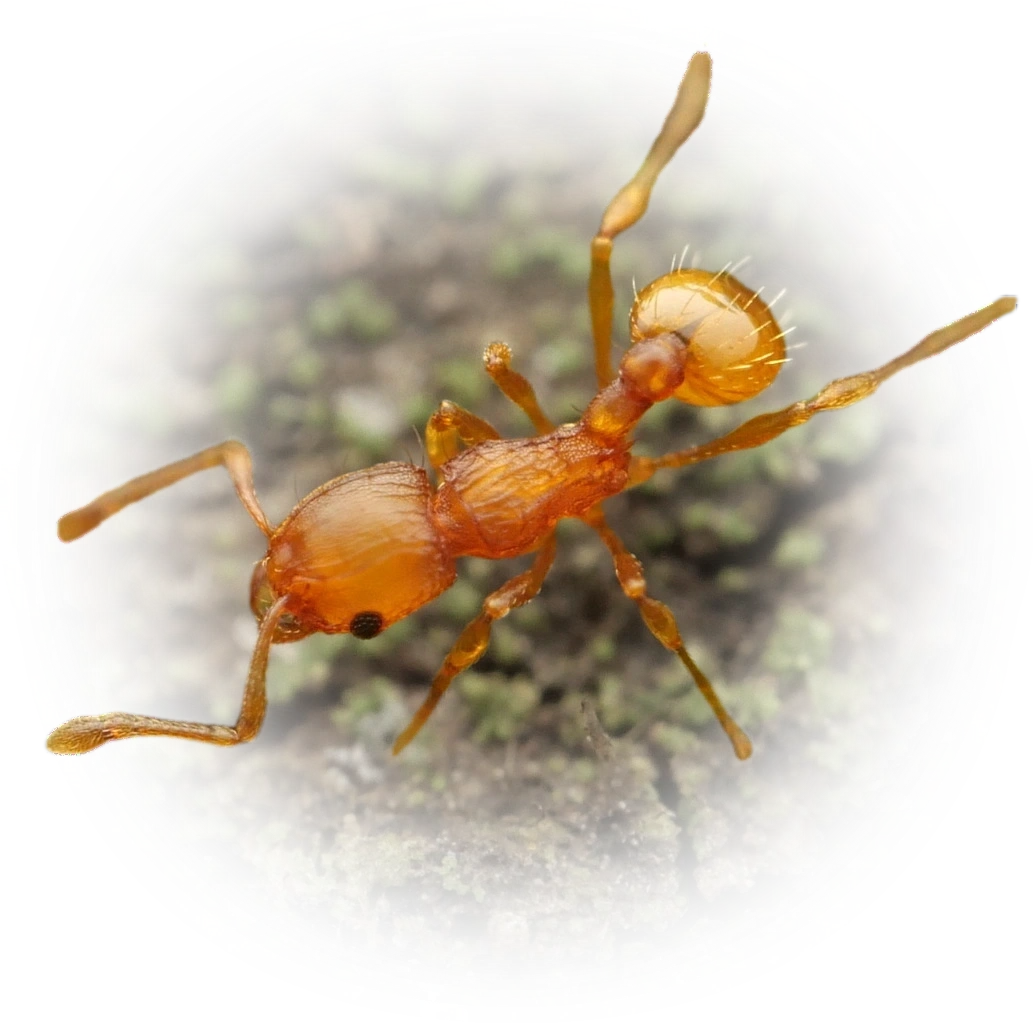
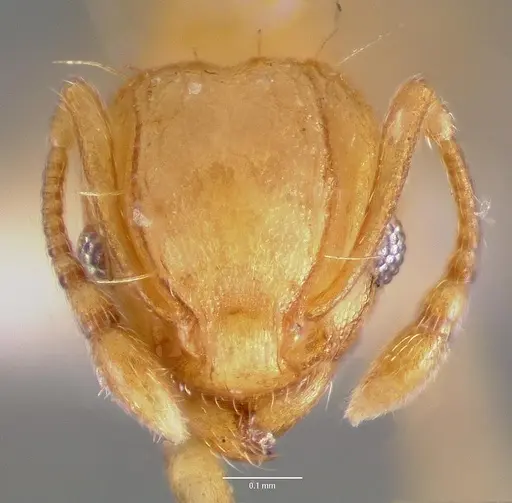
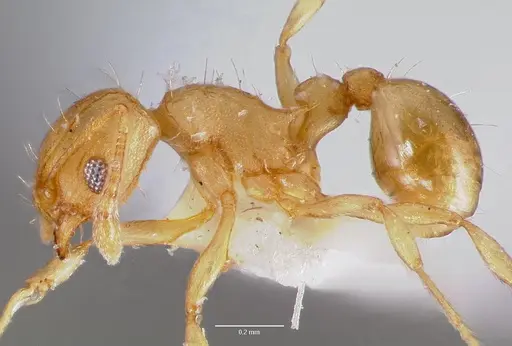
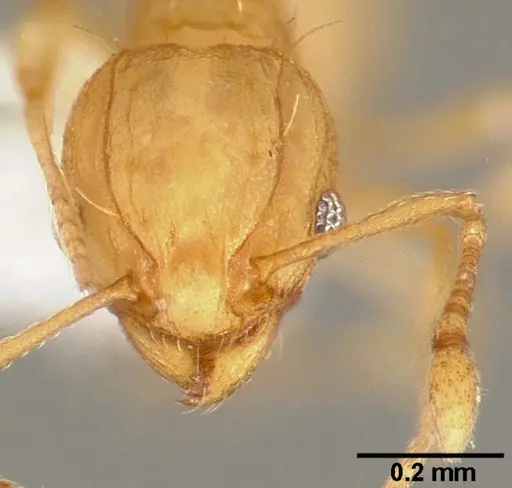
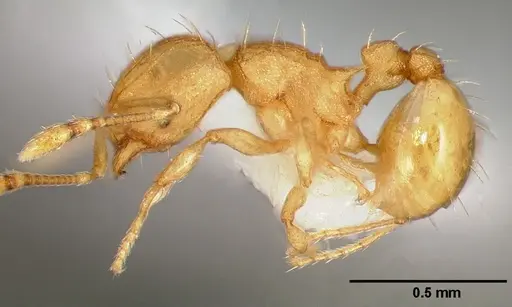
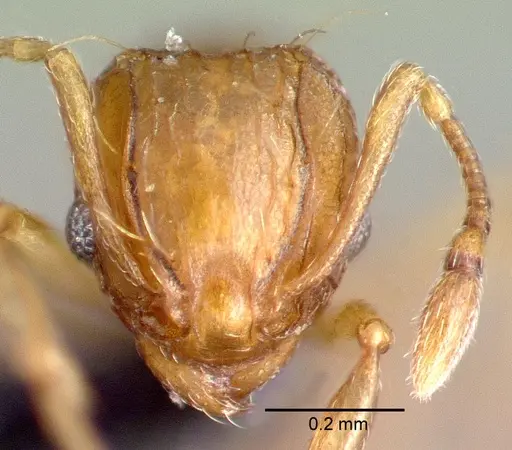
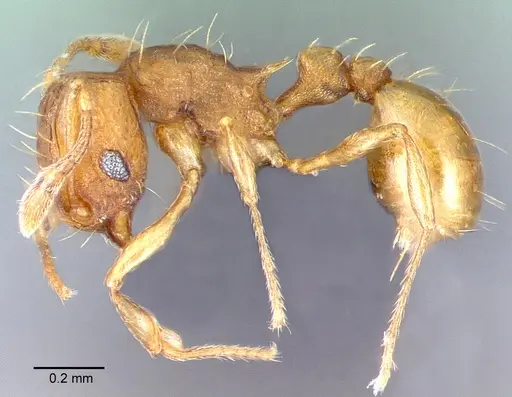
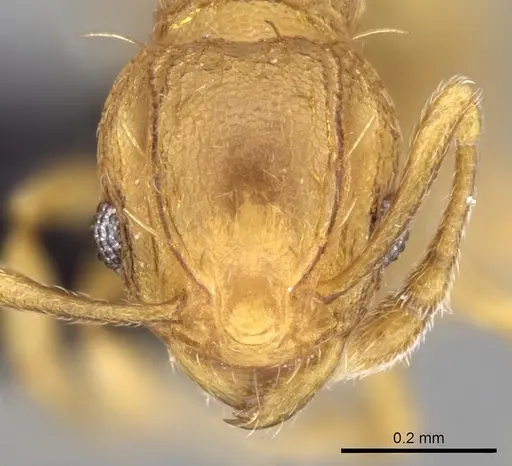
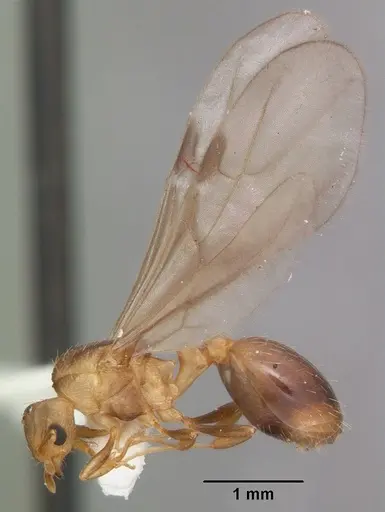
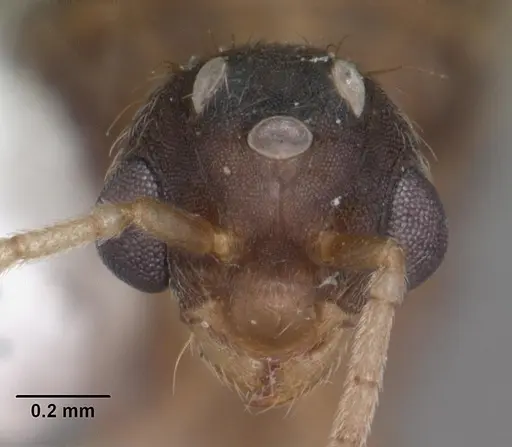
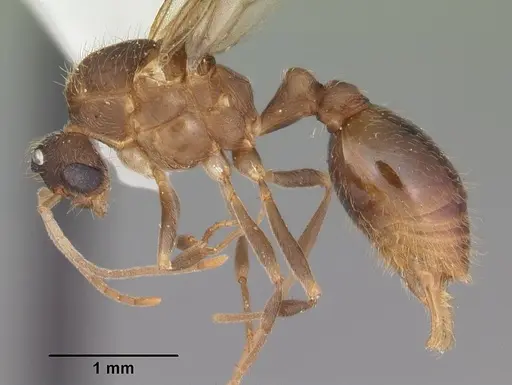
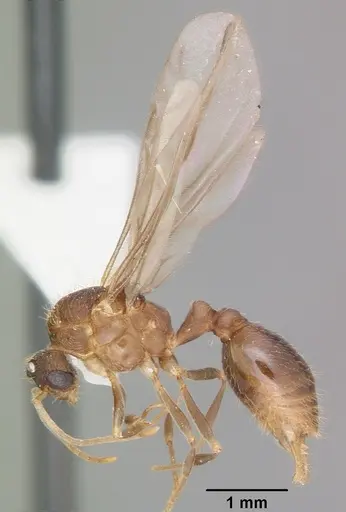
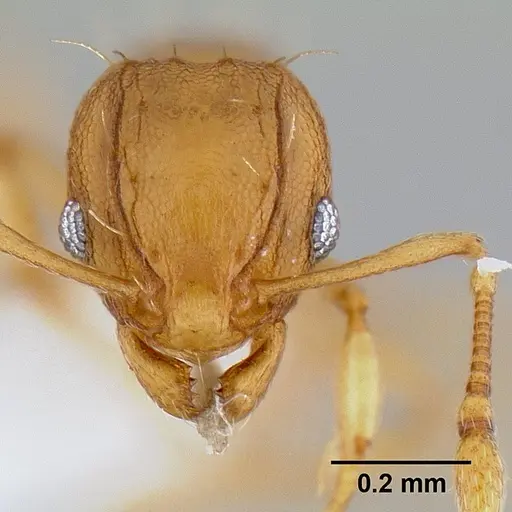
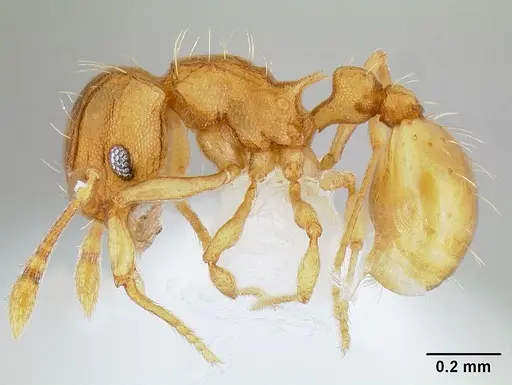
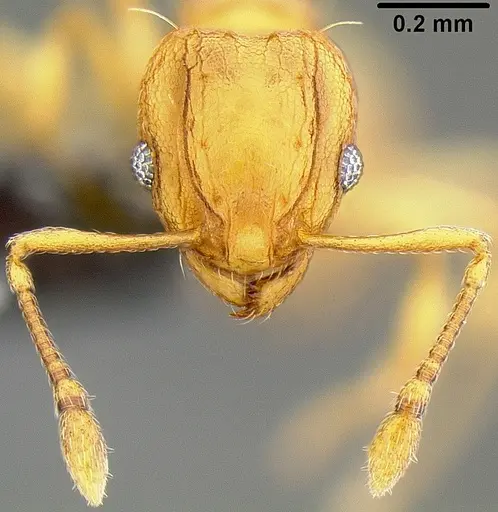
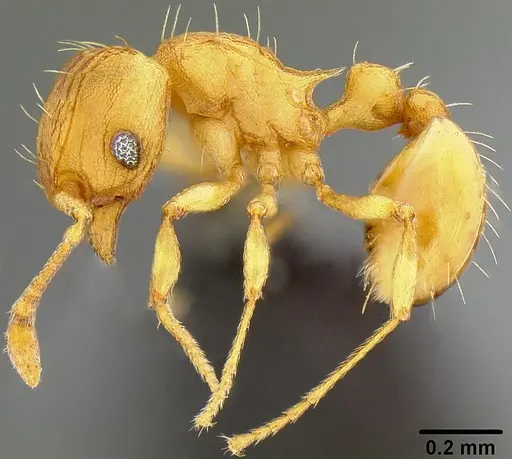
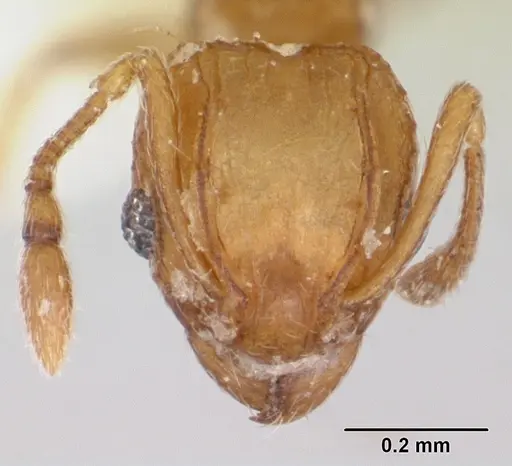
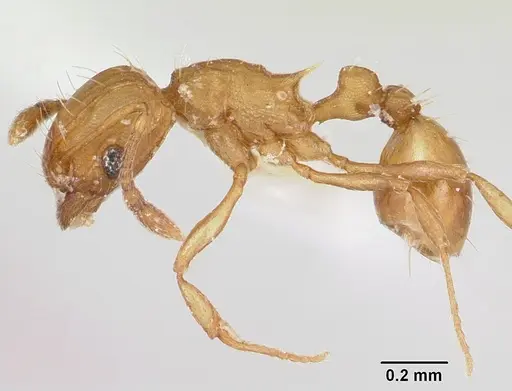
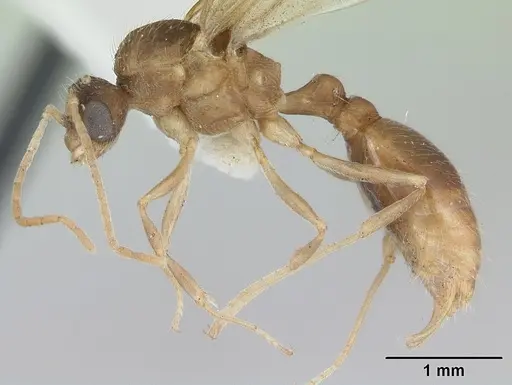
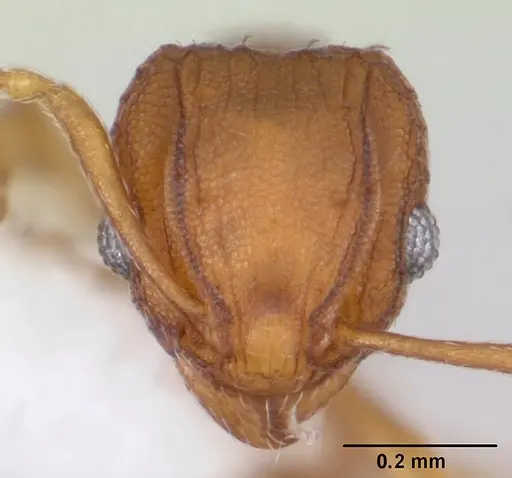
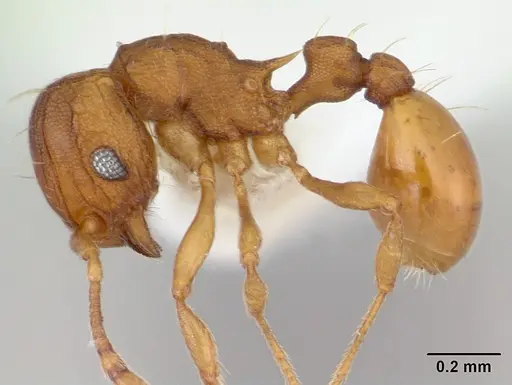
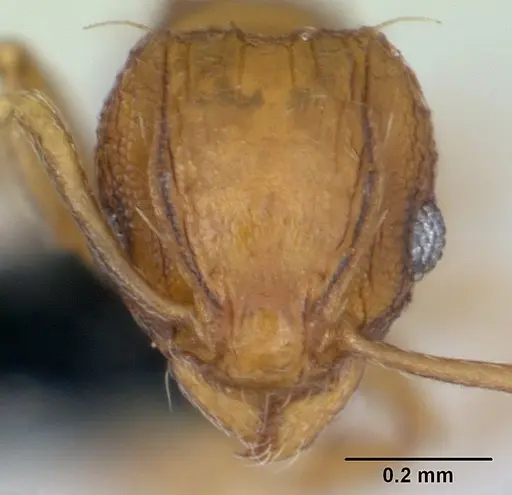
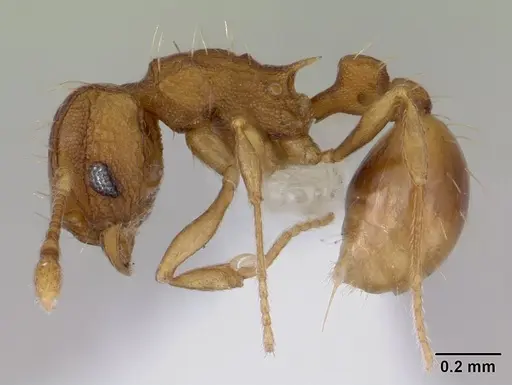
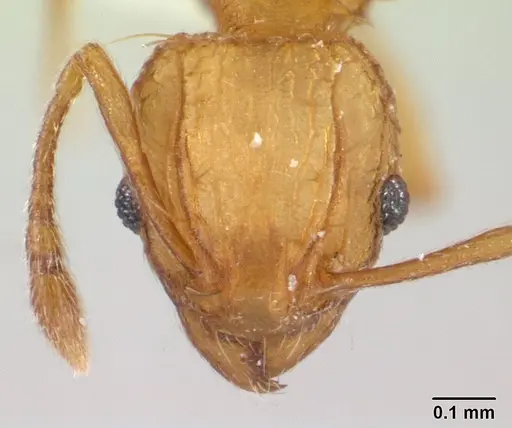
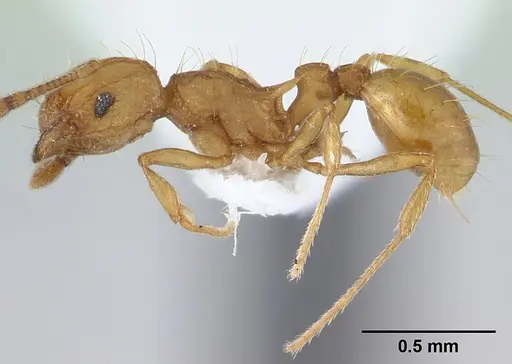
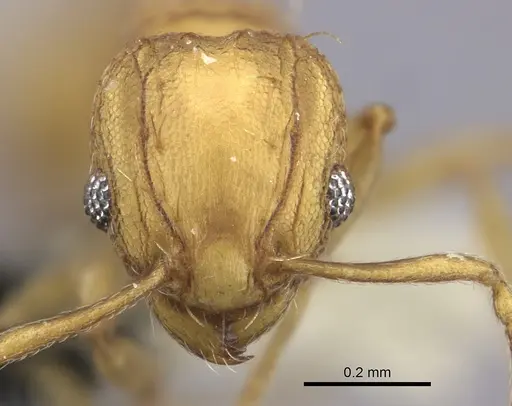
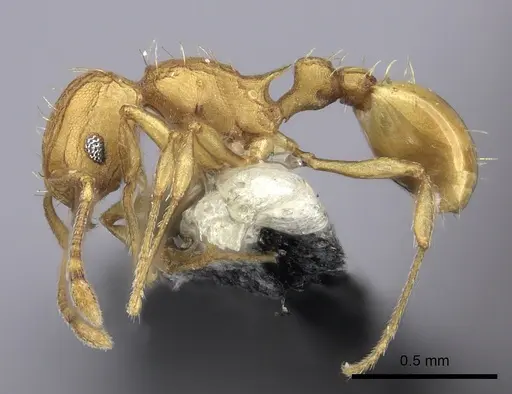
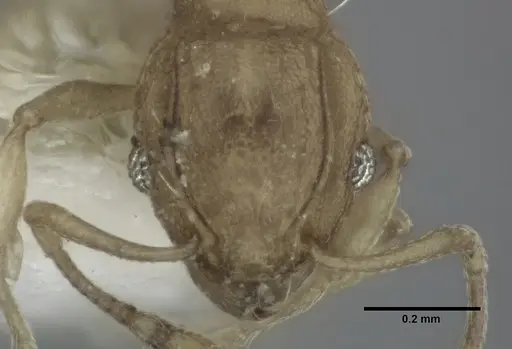
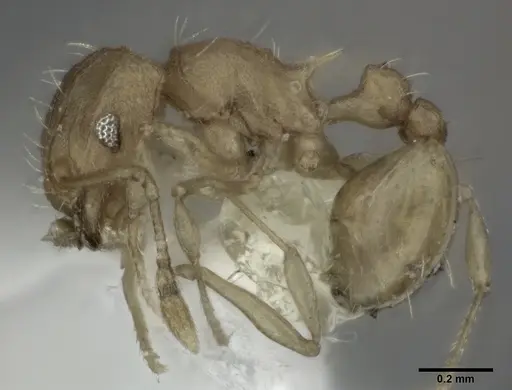
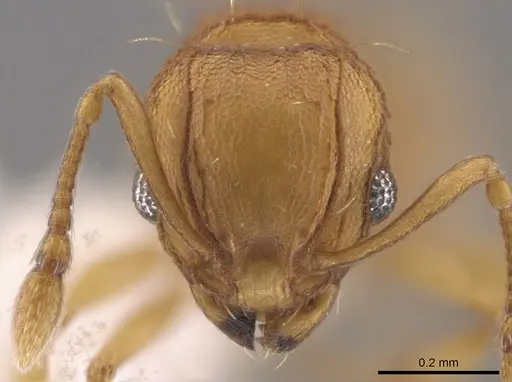
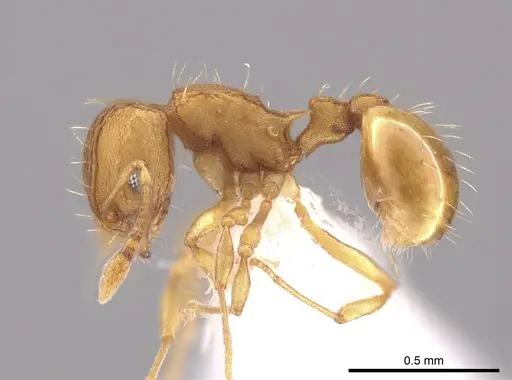
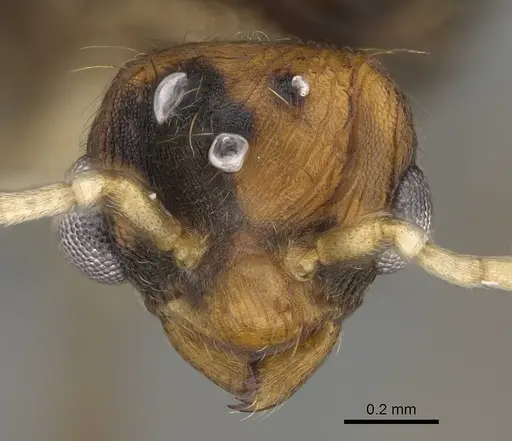
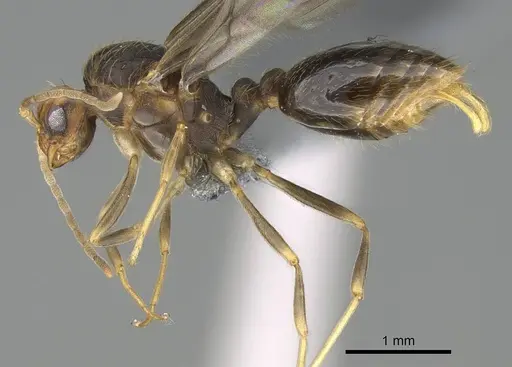
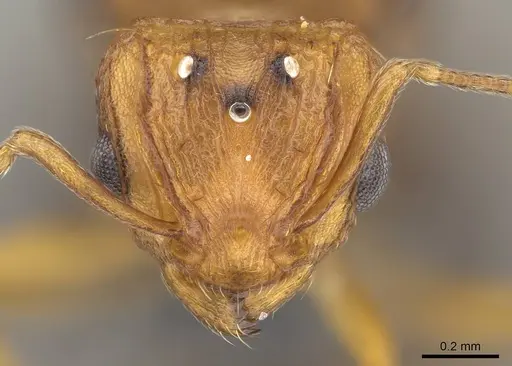
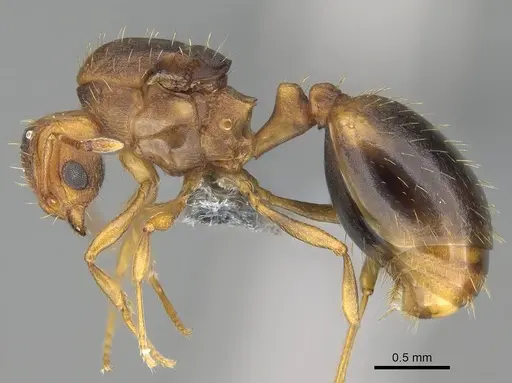
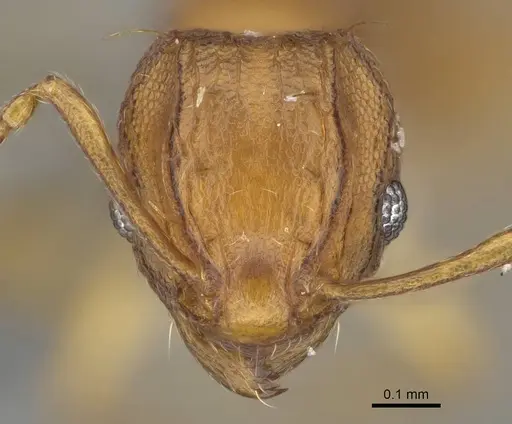
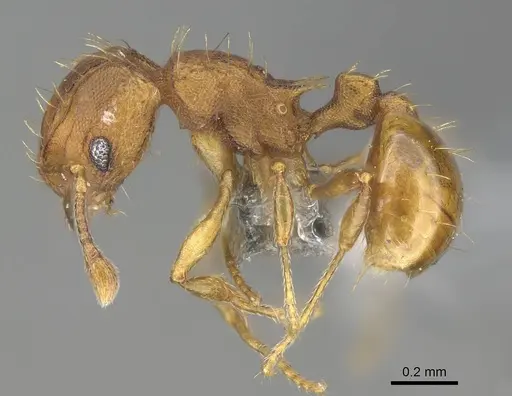
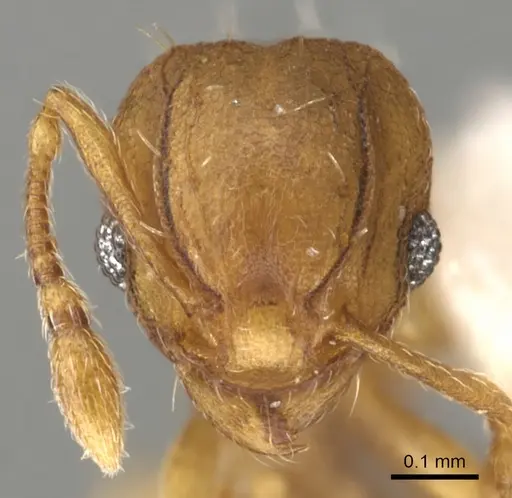
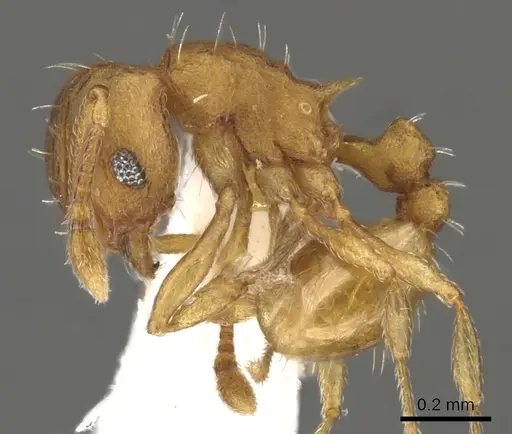
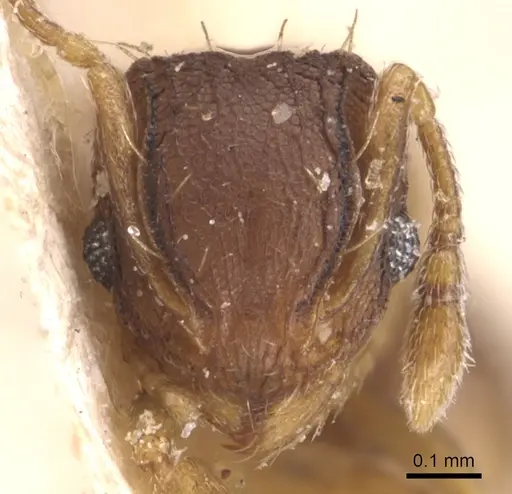
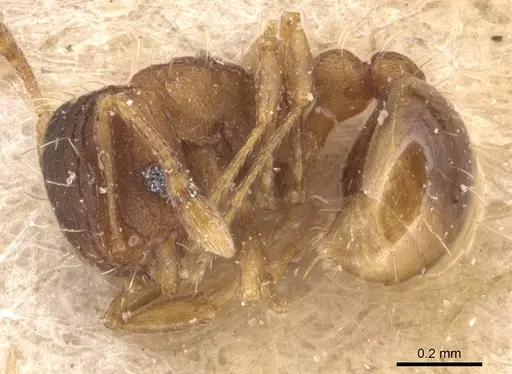
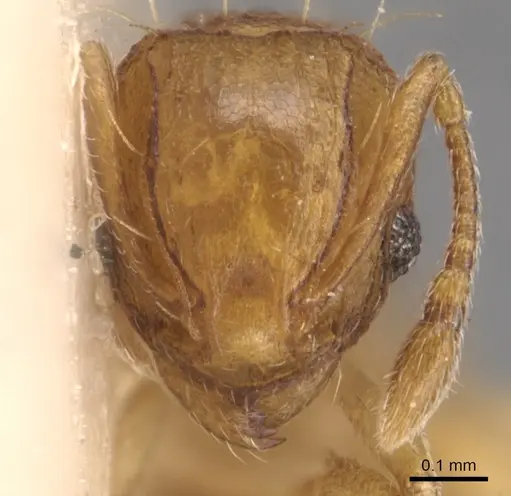
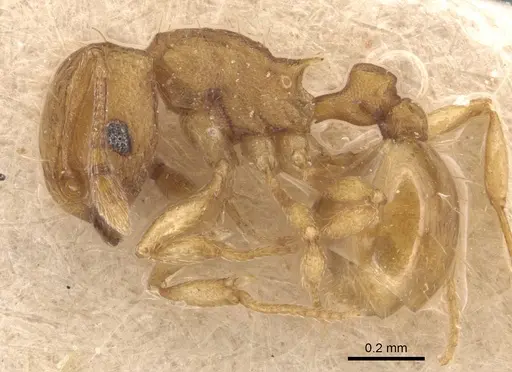
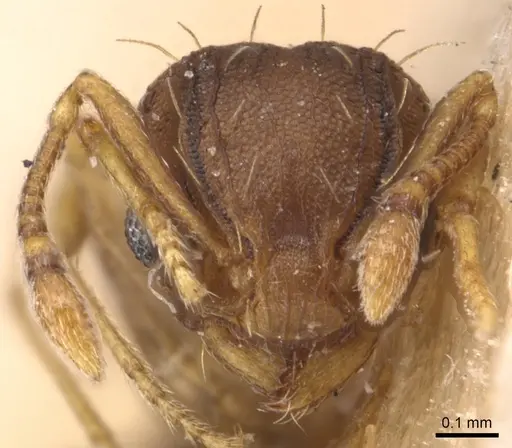
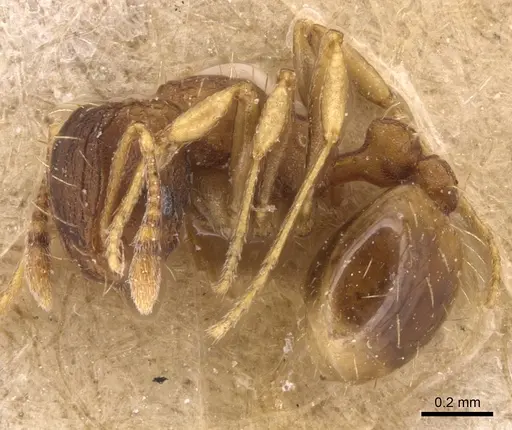
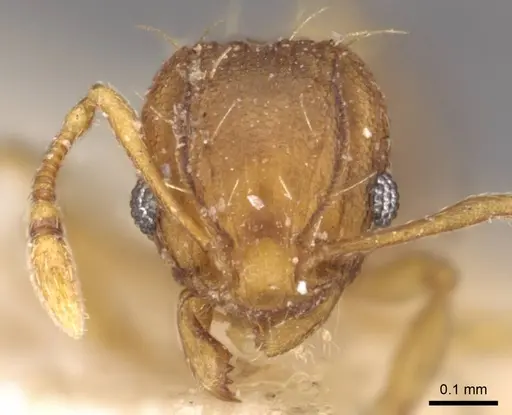
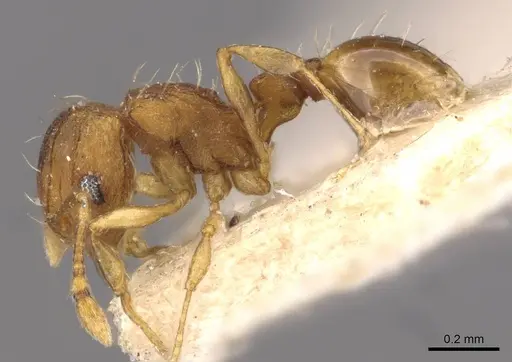
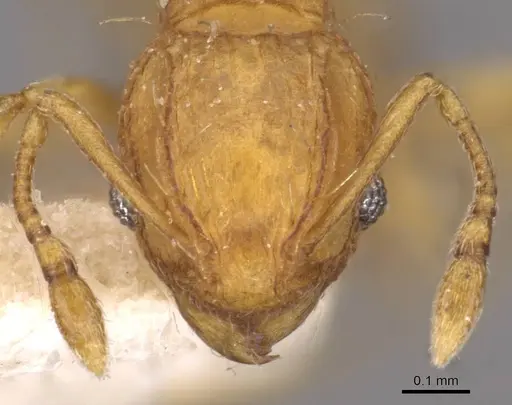
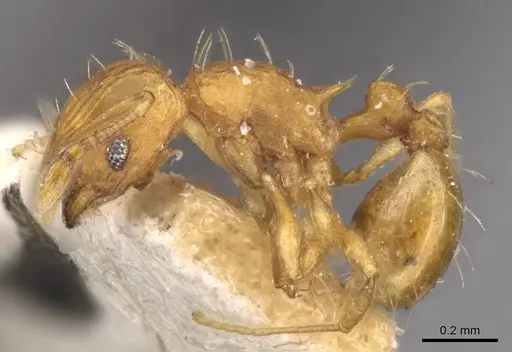
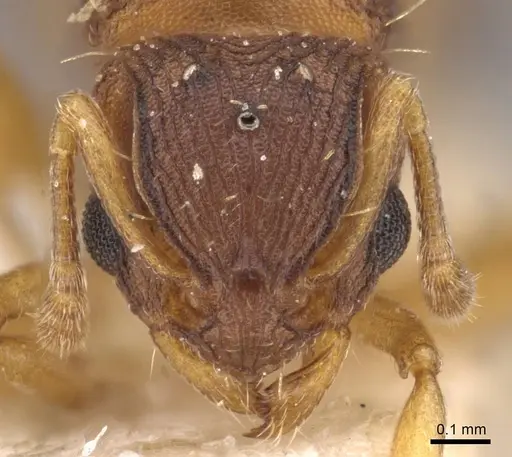
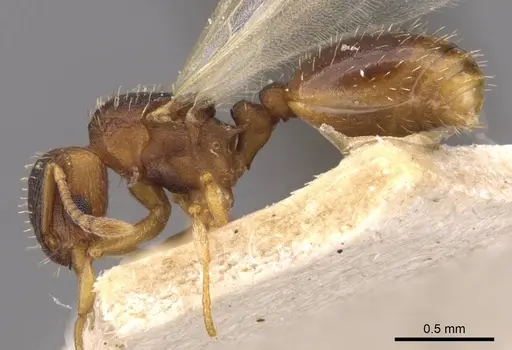
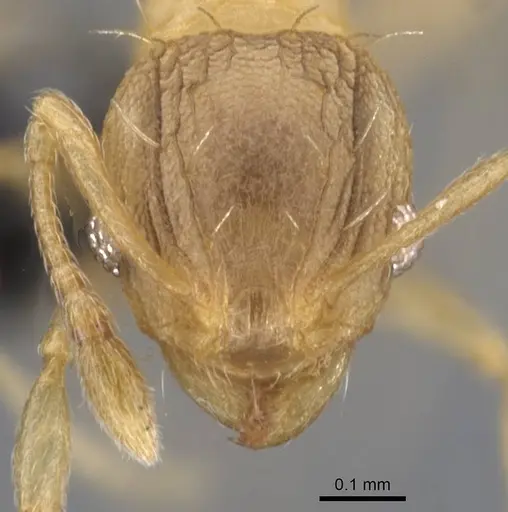
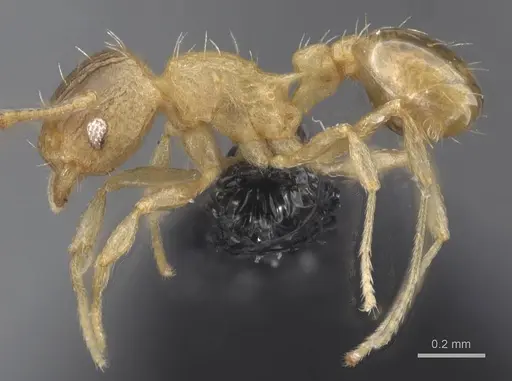
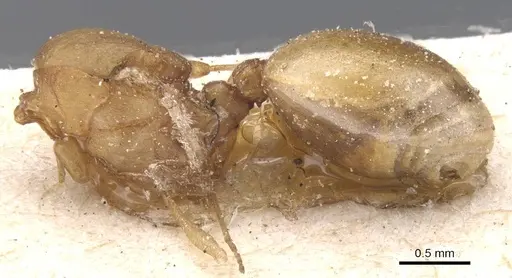
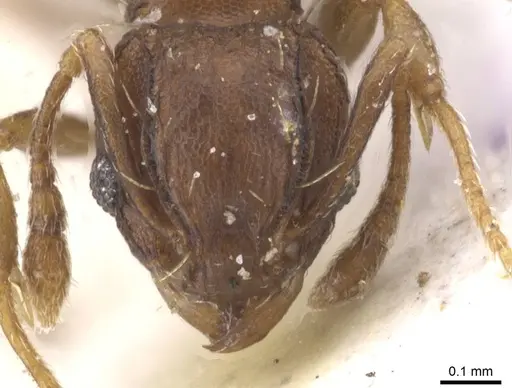
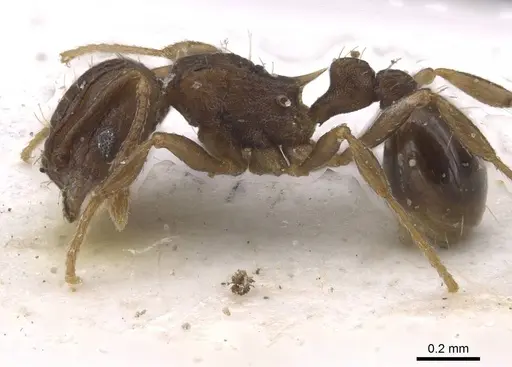
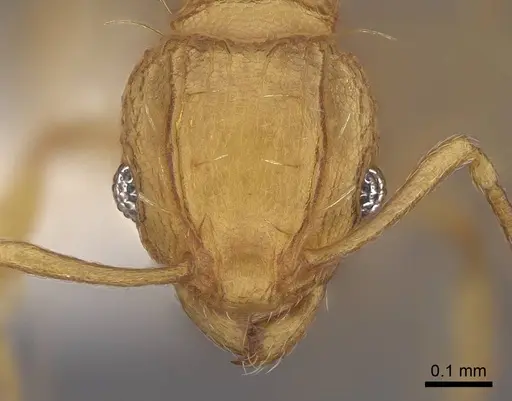
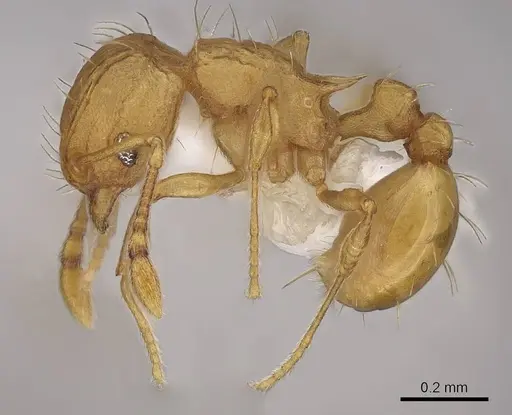
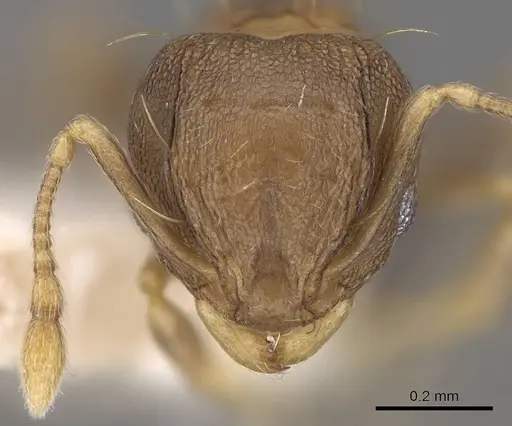
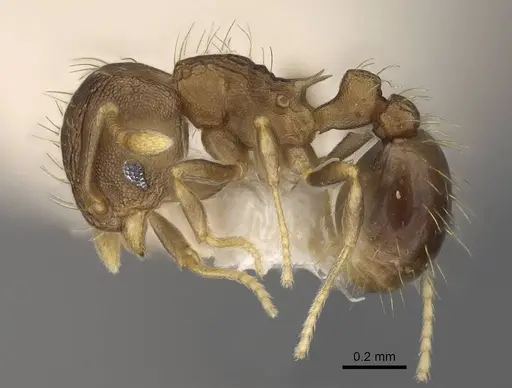
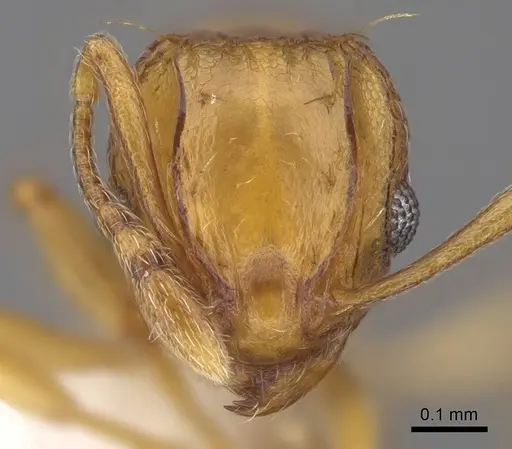
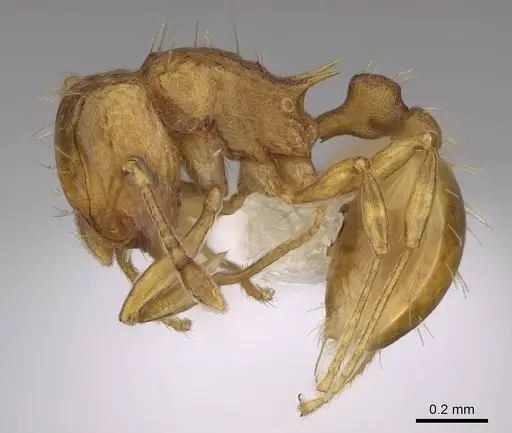
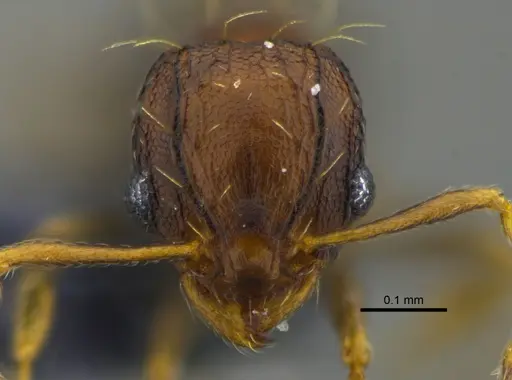
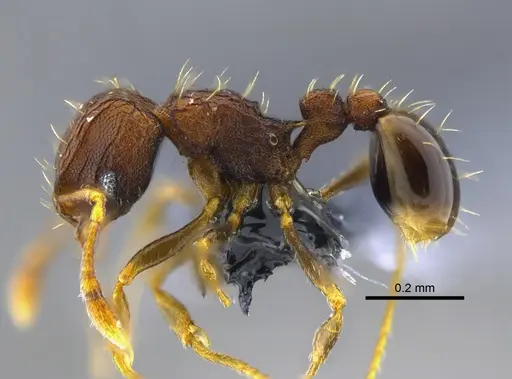
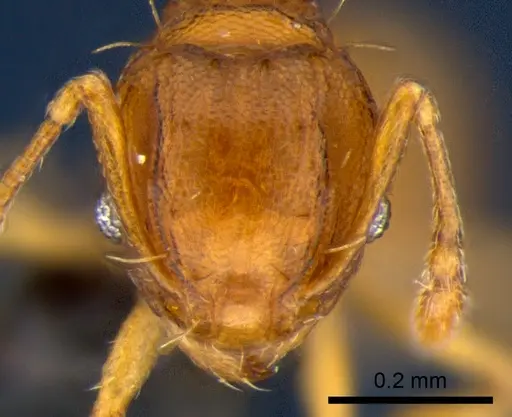
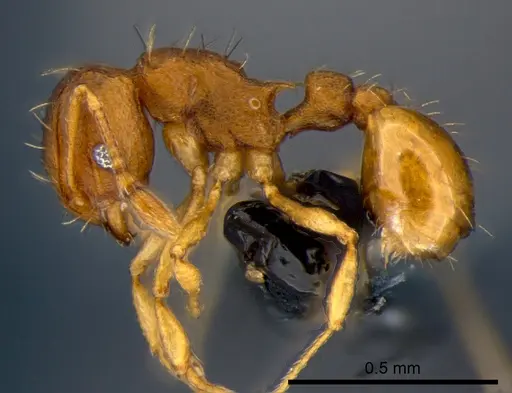
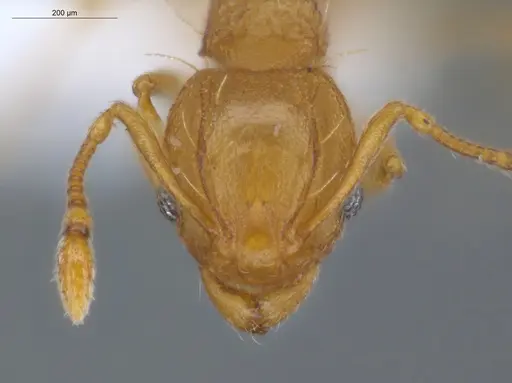
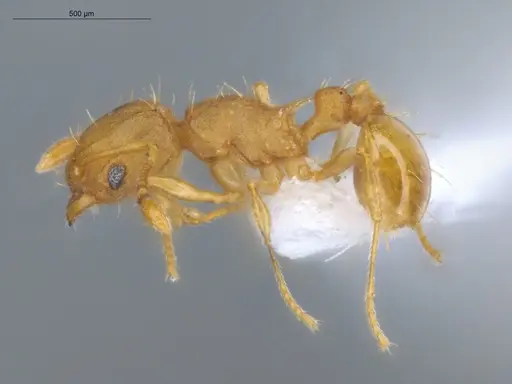
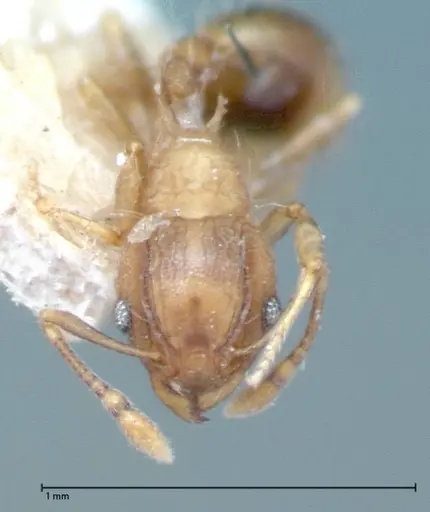
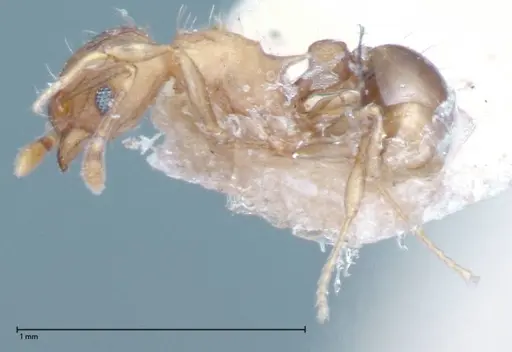
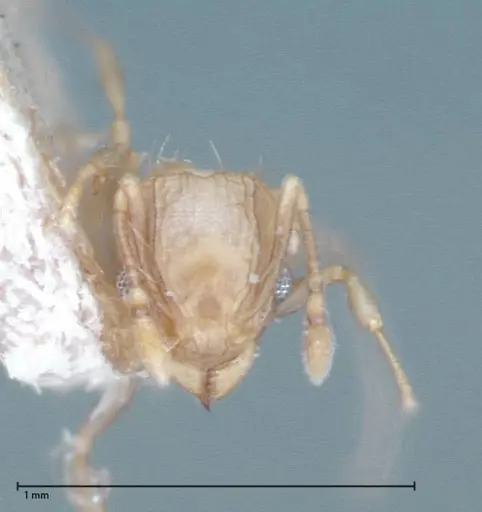
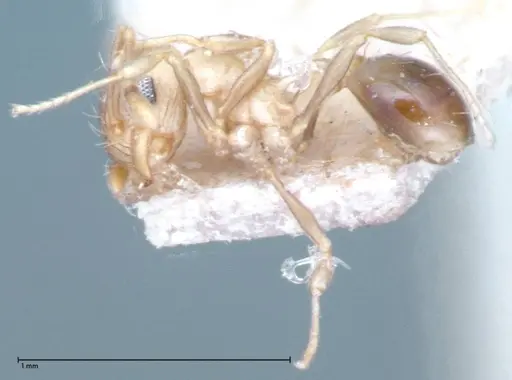
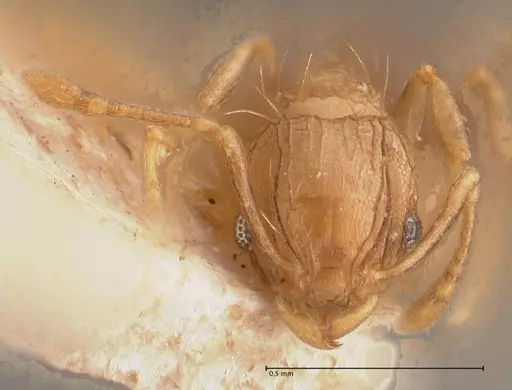
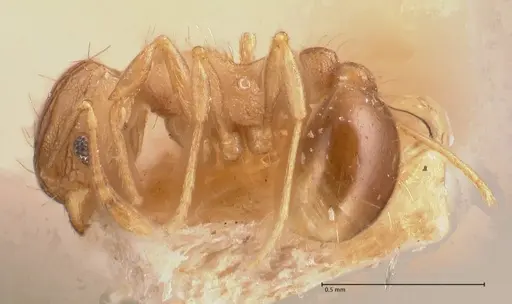
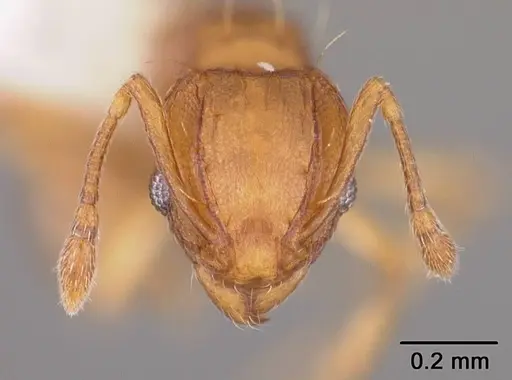
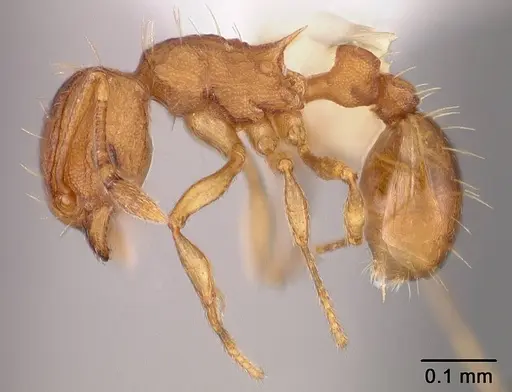
Wasmannia auropunctata is a tiny but notorious ant species native to tropical Central and South America. Workers measure just 1.2-1.5 mm in length and are golden orange to brown in color, making them easy to overlook - but their sting packs a punch far beyond what their small size suggests. The species is instantly recognizable by its distinctive hatchet-shaped petiolar node (the connection between thorax and abdomen) and its 11-segmented antennae ending in a 2-segmented club . This ant has spread globally through human commerce and is considered one of the 100 worst invasive species worldwide, causing ecological devastation wherever it establishes and creating serious public health and agricultural problems . What makes this species particularly remarkable is its unusual reproductive system. In introduced populations, queens reproduce through thelytokous parthenogenesis (producing genetically identical daughters without fertilization), while males are also produced clonally via androgenesis - this maintains high genetic diversity in workers produced sexually. Colonies are polygynous (multiple queens) and form massive supercolonies with no intraspecific aggression, allowing populations to reach extraordinary densities of 20,000+ workers per square meter .
Quick Summary
- Difficulty: Expert
- Origin & Habitat: Native to tropical Central and South America (Argentina to Mexico, Caribbean). Introduced to Florida, Galapagos Islands, West Africa (Cameroon, Gabon), New Caledonia, Solomon Islands, Vanuatu, Hawaii, Tahiti, Wallis and Futuna, Israel, Spain, Italy, Cyprus, Australia, Taiwan, and China [2][3]. In its native range, found in leaf litter and vegetation across wet to dry habitats from sea level to 2000 m elevation [1].
- Colony Type: Polygynous (multiple queens per colony), polydomous (multiple interconnected nests), and unicolonial in introduced ranges. Supercolonial structure spans hundreds of meters with no aggression between workers from different nests. Queens can number from a few dozen to over 100 per colony aggregate [4][5].
- Size & Growth:
- Queen: 4.5-5.0 mm [6]
- Worker: 1.2-1.5 mm [6]
- Colony: Can reach 20,000+ workers/m² in established infestations, with supercolonies spanning hectares [3][7]
- Growth: Fast
- Development: 35-40 days [4] (Workers develop faster than sexuals (males/females take 50+ days). Queen fecundity can reach 70+ eggs/day in young queens, declining with age [4].)
- Antkeeping:
- Temperature: Keep at 24-28°C (75-82°F). This is a tropical species that thrives in warm, humid conditions. In captivity, avoid temperatures below 20°C as this species is not cold-tolerant [7].
- Humidity: Keep nest substrate consistently moist but not waterlogged. Provide a humidity gradient with a damp nesting area and drier outworld. This species naturally inhabits moist leaf litter [1].
- Diapause: No true diapause. As a tropical species, it remains active year-round in warm conditions. However, colonies may show reduced activity during cooler periods [4].
- Nesting: Opportunistic nester, will use any available cavity: test tubes, small containers, leaf litter, hollow twigs, under stones, or in epiphytes. Provide shallow, humid nesting chambers. Can be arboreal, so include vertical space with plants or structures [1][4].
- Behavior: Extremely aggressive toward other ant species and uses potent venom through its sting. Workers recruit massively to food sources using alkylpyrazine pheromones. Active day and night. Despite small size, will readily sting if provoked, the sting causes burning pain disproportionate to their tiny size. Can be kept in groups but requires excellent escape prevention due to small size [1][8].
- Common Issues: Escape prevention is critical, workers are only 1.5 mm and can squeeze through tiny gaps. Use fluon on container edges and fine mesh on any openings., Colony stress from improper humidity, too dry causes rapid worker death, too wet promotes mold., Aggressive stinging behavior means this species should be handled with extreme caution, workers can sting through thin gloves., Invasive legal restrictions, this species is banned in the EU and may be regulated elsewhere. Never release anywhere., Supercolony formation in captivity can lead to massive populations that are difficult to manage.
Housing and Enclosure Setup
Due to their tiny size and invasive potential, Wasmannia auropunctata should only be kept by experienced antkeepers in secure, escape-proof enclosures. Use test tubes for founding colonies, upgrading to small Y-tong or plaster nests as the colony grows. Because they can nest both terrestrially and arboreally, include both ground-level chambers and vertical structures like cork or plants. All openings must be sealed with fluon and any gaps larger than 0.5 mm blocked. These ants are prolific climbers, they will explore every surface and seam. Use a hydration system that maintains consistent humidity without flooding the nest. A layer of moist substrate (coconut fiber or soil mix) works well for the outworld, with a dry nest chamber connected via tubes [7][4].
Feeding and Diet
Wasmannia auropunctata is an opportunistic omnivore with a strong preference for honeydew and sugary substances. In captivity, offer 25% sugar water or honey water constantly. They also readily accept protein sources including small insects (fruit flies, pinhead crickets, mealworms) and will scavenge on dead insects. Their diet should be roughly 60% carbohydrates (sugar water, honey, fruit) and 40% protein. They are aggressive predators and will take down small arthropods. Some colonies accept seeds, though this is less common than for other tramp ants. Feed small amounts daily, removing uneaten food within 24 hours to prevent mold. Peanut butter is an excellent bait for monitoring and can be used to deliver medications if needed [4][10].
Temperature and Seasonal Care
Maintain temperatures between 24-28°C (75-82°F) year-round. This tropical species does not tolerate cold, temperatures below 20°C can cause stress and mortality. Use a heating cable or mat on one side of the enclosure to create a gradient, allowing ants to self-regulate. No hibernation or diapause is required or recommended. In cooler climates, room temperature may be insufficient, supplemental heating is usually necessary. High humidity should be maintained through regular misting or a water reservoir connected to the nest. Avoid temperature fluctuations above 5°C in either direction as this stresses colonies [7][4].
Behavior and Defense
This species is notorious for its painful sting, which delivers venom containing alkaloids causing a burning sensation lasting hours. Despite workers being only 1.5 mm, their sting is roughly as painful as fire ant stings and can cause localized swelling and itching. Workers are aggressive toward other ant species and will recruit in large numbers to defend resources or attack intruders. They produce alkylpyrazine compounds from mandibular glands that repel competing ants and serve as alarm pheromones for mass recruitment. In the wild, this aggression allows them to displace native ant species and dominate ecosystems. In captivity, avoid handling without protection and never allow escapes, an established indoor population could become a serious pest [1][8].
Legal and Ethical Considerations
Wasmannia auropunctata is listed among the 100 worst invasive species globally and is banned in the European Union under the Invasive Species Regulation (2022). It is illegal to possess, trade, breed, transport, or release this species within EU territory. Similar restrictions exist in other regions. Before keeping this species, verify local regulations. If you can no longer keep the colony, do NOT release it, contact local authorities or pest control for proper disposal. This species has caused ecological devastation in many regions and should never be allowed to escape [3][11].
Colony Growth and Reproduction
Colonies grow rapidly due to extremely high queen fecundity (up to 70 eggs/day in young queens) and fast worker development (35-40 days). A single colony can produce thousands of workers within months. In introduced ranges, colonies exhibit unicolonial structure with multiple queens and interconnected nests showing no intraspecific aggression. New colonies form through budding, a queen leaves with a group of workers to establish a new nest nearby. This species can produce sexuals (alates) year-round in warm conditions, though mating occurs within the nest rather than during nuptial flights. The unusual clonal reproductive system in introduced populations means queens produce daughters asexually via thelytokous parthenogenesis while workers are produced sexually [4][12].
Frequently Asked Questions
Is Wasmannia auropunctata dangerous to humans?
Yes. Despite being tiny (1.5 mm), workers have a potent sting that causes burning pain disproportionate to their size. The sting can produce red welts, intense itching, and localized swelling lasting hours. Some individuals may have allergic reactions. In rare cases, repeated stings to animals' eyes have caused blindness in pets [1][7].
Can I keep Wasmannia auropunctata as a beginner?
No. This species is recommended only for expert antkeepers. Reasons include: tiny size requiring excellent escape prevention, painful sting that poses a safety risk, rapid colony growth that can become unmanageable, and legal restrictions in many areas. Additionally, if a colony escapes, it could become invasive and cause environmental damage [7].
How long does it take for first workers to emerge?
Egg to worker development takes approximately 35-40 days at optimal temperature (24-28°C). A newly mated queen can produce her first workers within 6-8 weeks under good conditions. Colonies grow rapidly after that, with worker numbers increasing exponentially as queen fecundity remains high [4].
Do Wasmannia auropunctata queens need to mate?
In introduced populations, queens typically reproduce through thelytokous parthenogenesis, they produce genetically identical daughters without mating. Males are also produced clonally via androgenesis. However, in native ranges, some populations reproduce sexually. In captivity, mated queens are not required for colony establishment in most cases [12][13].
What should I feed Wasmannia auropunctata?
Offer a constant carbohydrate source (25% sugar water or honey water) and regular protein (small insects like fruit flies, pinhead crickets, or mealworms). They prefer honeydew in the wild, so sugar sources are essential. Some colonies accept fruit, seeds, or other sweet foods. Remove uneaten food within 24 hours to prevent mold [4].
Is Wasmannia auropunctata legal to keep?
This varies by location. It is banned in the European Union and may be restricted elsewhere. Check local regulations before acquiring. In the US (Florida, Hawaii), it is established as an invasive species. Never release this ant, it is one of the world's most damaging invasive species and can cause severe ecological harm [3][11].
How big do colonies get?
Colonies can become massive. In the wild, supercolonies can span hectares with millions of workers. In captivity, healthy colonies commonly reach 10,000+ workers within 1-2 years. Population densities can exceed 20,000 workers per square meter in ideal conditions [3][7].
Do I need to hibernate Wasmannia auropunctata?
No. As a tropical species, they do not require hibernation. Keep temperatures constant (24-28°C) year-round. Cold temperatures below 20°C can cause stress and mortality. There is no diapause period [7].
Why is this species considered invasive?
Wasmannia auropunctata is one of the 100 worst invasive species because it displaces native ant species through aggressive competition, promotes harmful plant-sucking insects (aphids, scales) by farming them for honeydew, and can reach population densities that overwhelm entire ecosystems. It has caused extinctions of native ants in Galapagos, New Caledonia, and other islands, and costs billions in agricultural damage worldwide [2][3].
Can I keep multiple queens together?
Yes, this species is polygynous by nature and colonies naturally contain multiple queens (often dozens to hundreds). Unlike many ants, they do not show intraspecific aggression between workers from different nests in introduced ranges. Multiple queens can be kept together and will cooperate in colony growth [4].
Report an Issue
The current care sheet is based fully on literature. See inconsistencies, or something that's incorrect? Please , it will be resolved after review from an admin. Contributing to the blogs tab also helps providing information, to make us be able to further improve the caresheets. Thank you for your support!
References

This caresheet is licensed under CC BY-SA 4.0 .
Community Blogs
CASENT0005064
View on AntWeb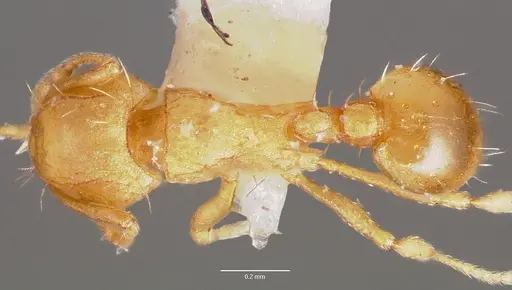
CASENT0005665
View on AntWeb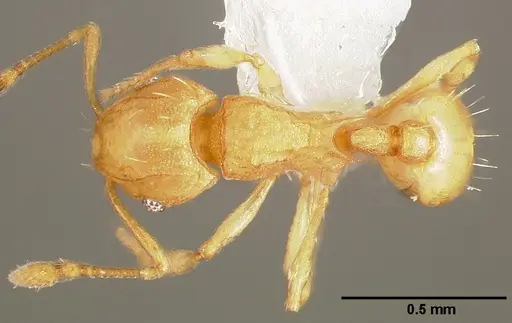
CASENT0039797
View on AntWeb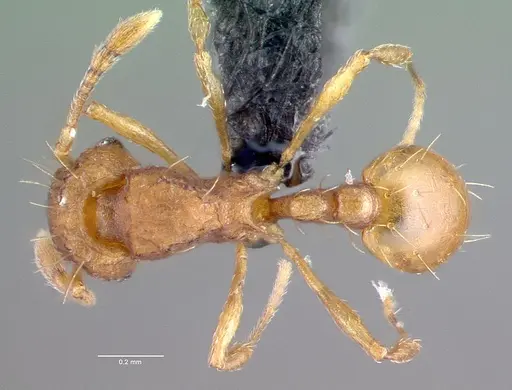
CASENT0097874
View on AntWeb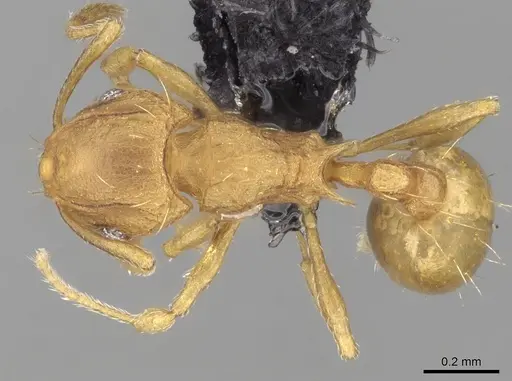
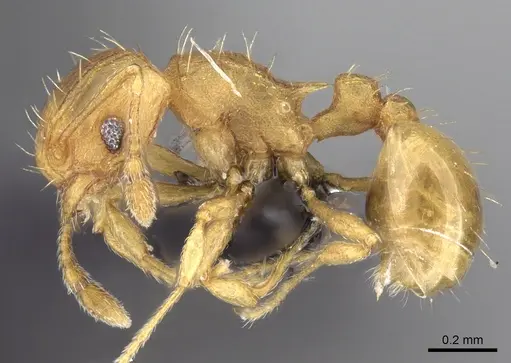
CASENT0102747
View on AntWeb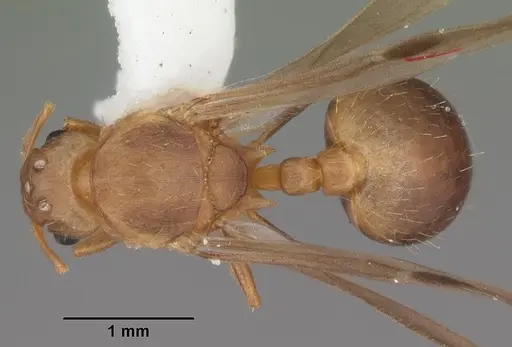
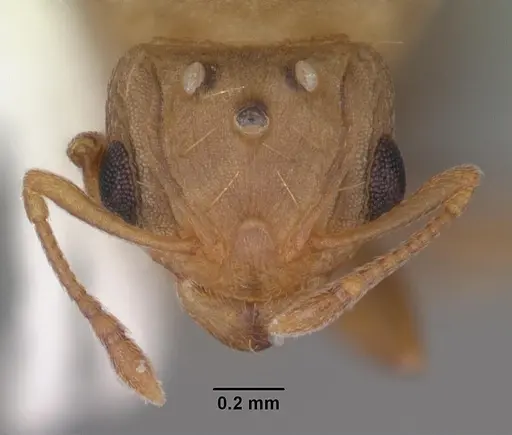
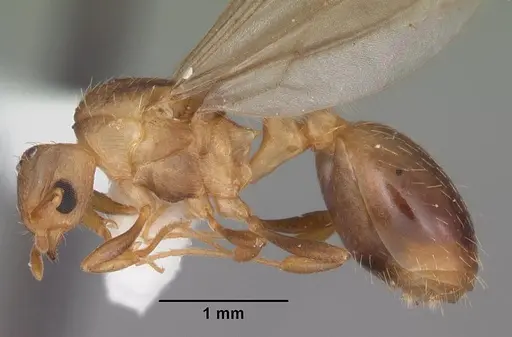
CASENT0102748
View on AntWeb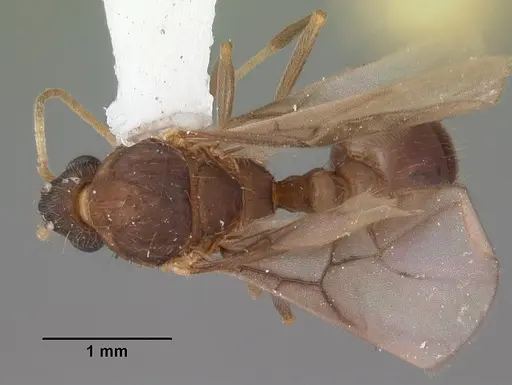
CASENT0106114
View on AntWeb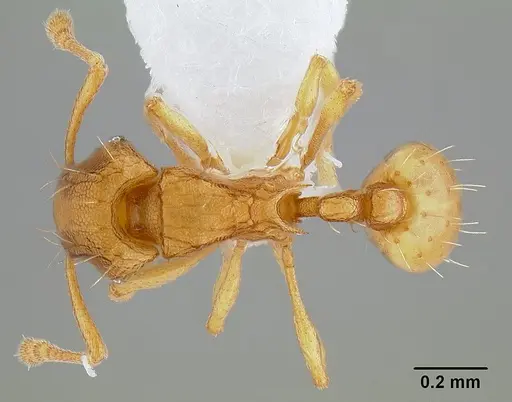
CASENT0171093
View on AntWeb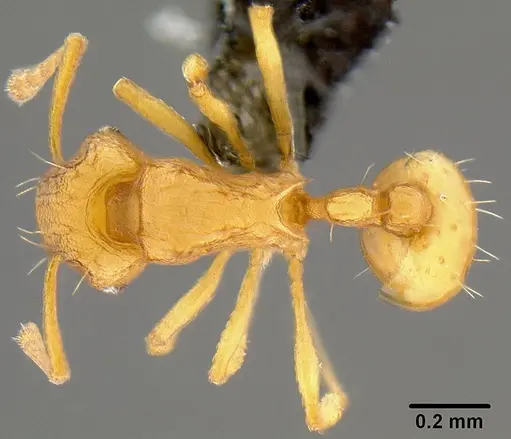
CASENT0173249
View on AntWeb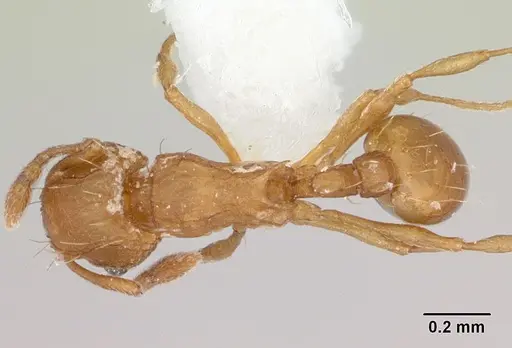
CASENT0173250
View on AntWeb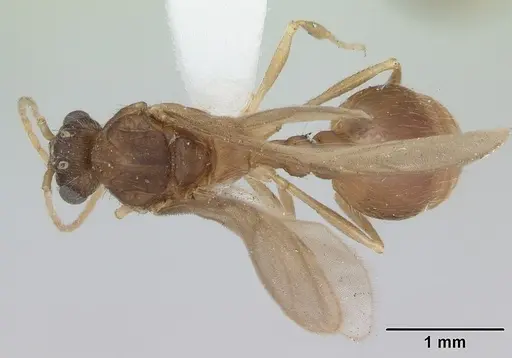
CASENT0178173
View on AntWeb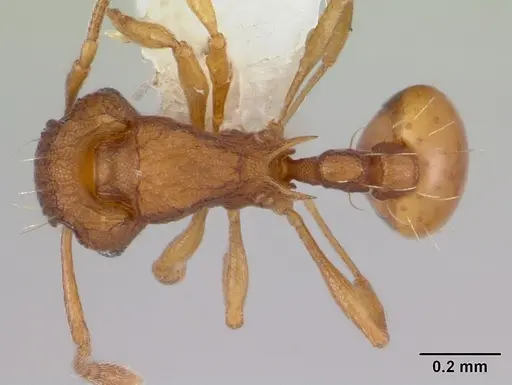
CASENT0178667
View on AntWeb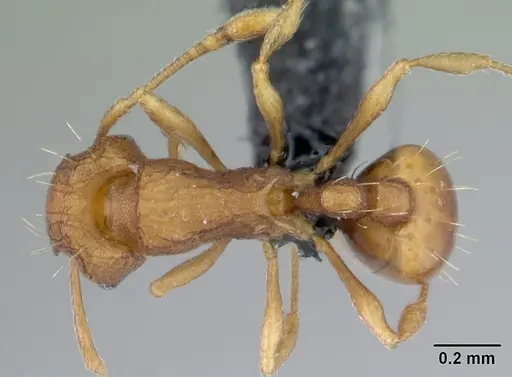
CASENT0179473
View on AntWeb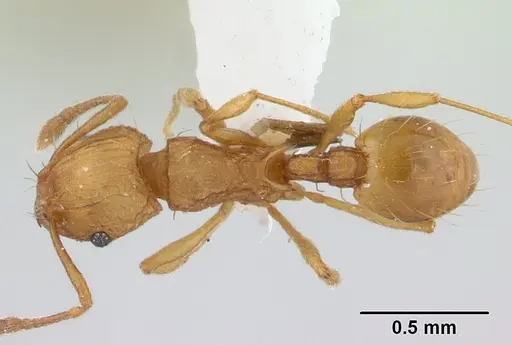
CASENT0199846
View on AntWeb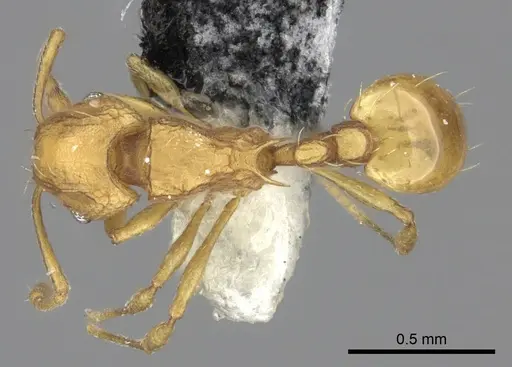
CASENT0246164
View on AntWeb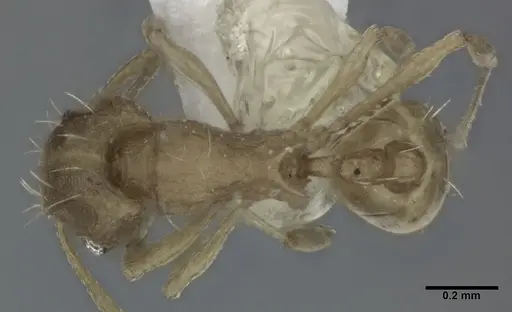
CASENT0650677
View on AntWeb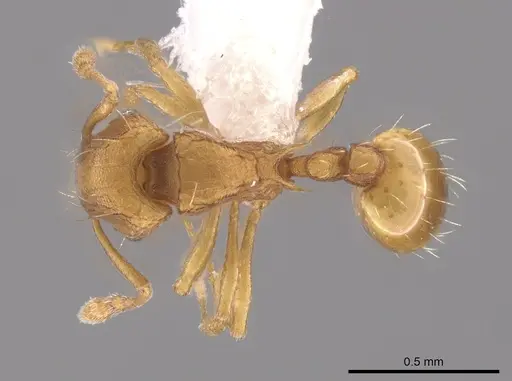
CASENT0729245
View on AntWeb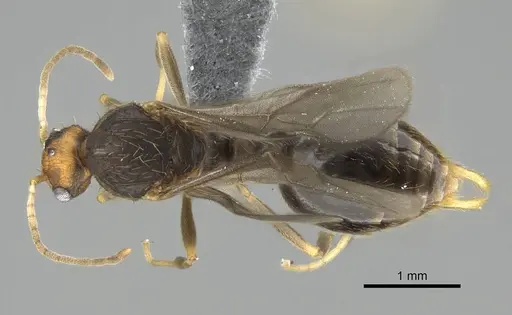
CASENT0729246
View on AntWeb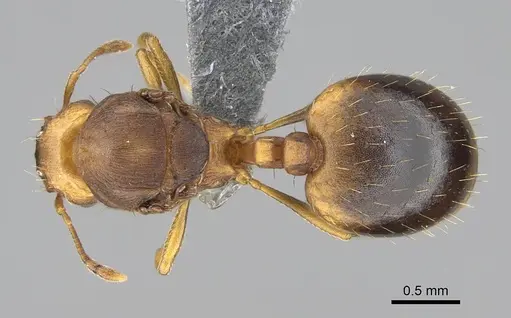
CASENT0767596
View on AntWeb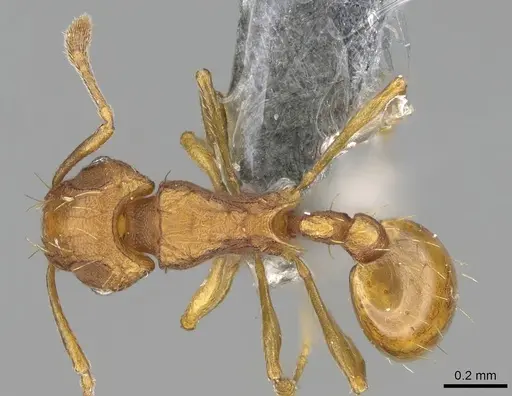
CASENT0900316
View on AntWeb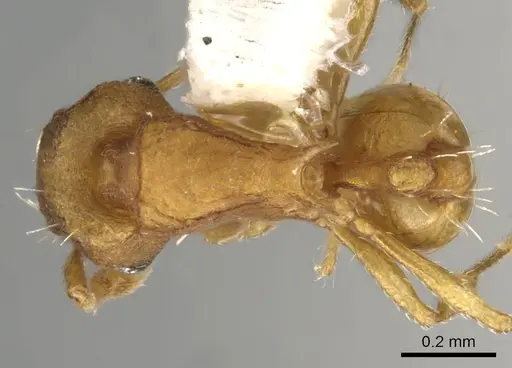
CASENT0904872
View on AntWeb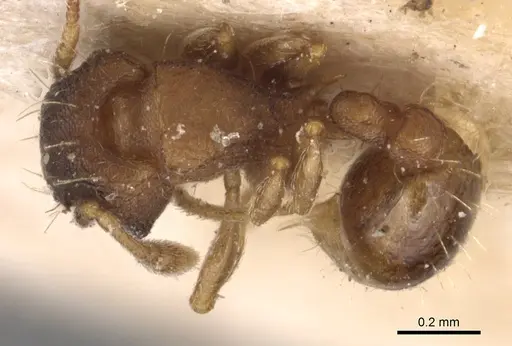
CASENT0904873
View on AntWeb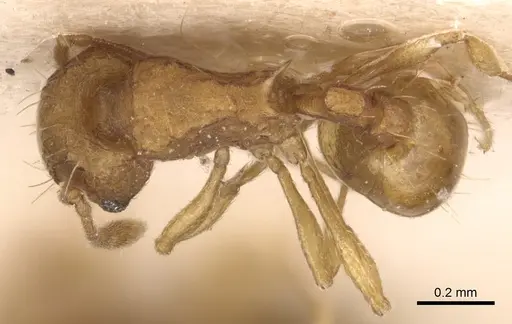
CASENT0904874
View on AntWeb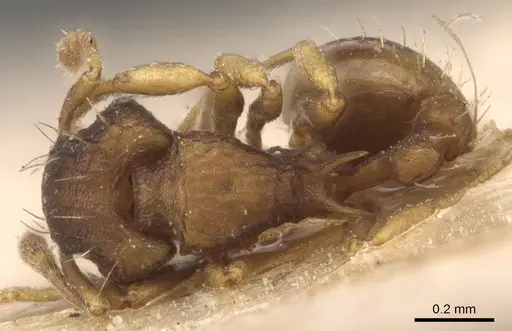
CASENT0909212
View on AntWeb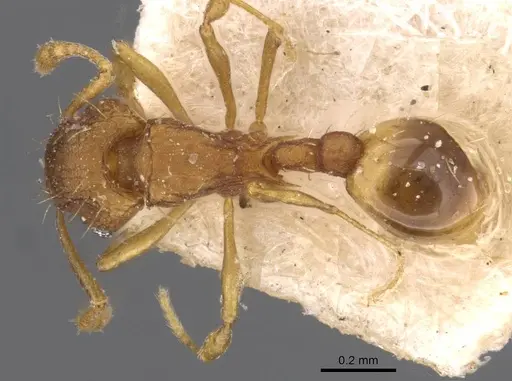
CASENT0909213
View on AntWeb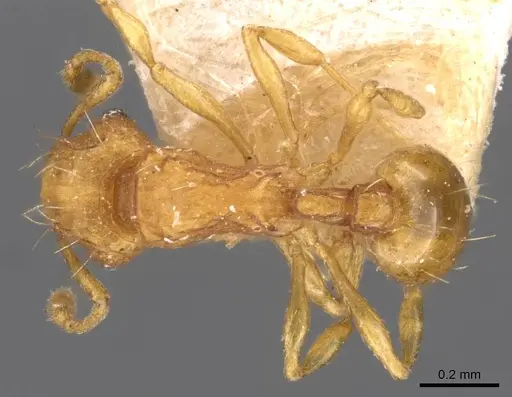
CASENT0909217
View on AntWeb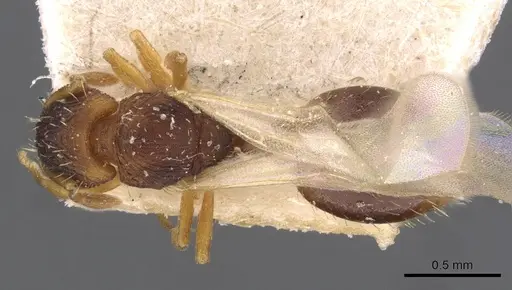
CASENT0912541
View on AntWeb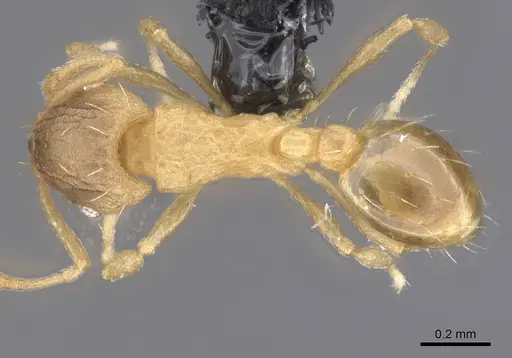
CASENT0912542
View on AntWeb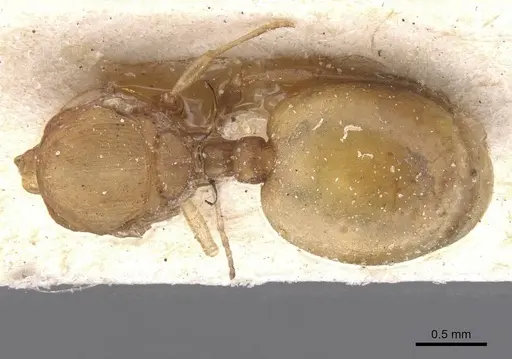
CASENT0912543
View on AntWeb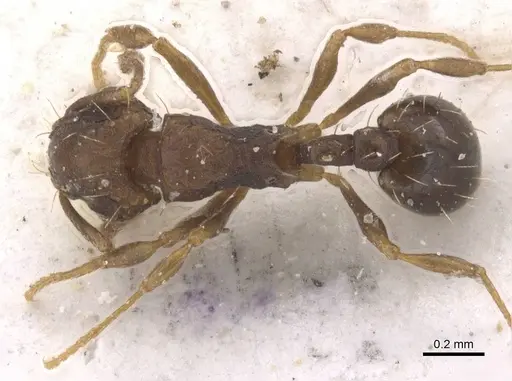
CASENT0922487
View on AntWeb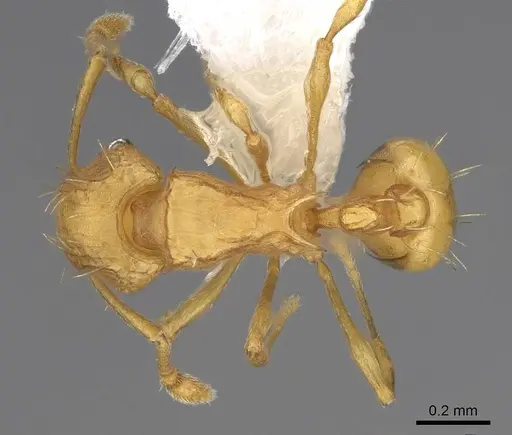
CASENT0922488
View on AntWeb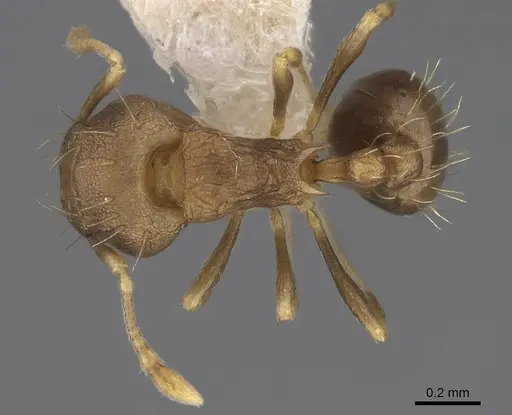
CASENT0922489
View on AntWeb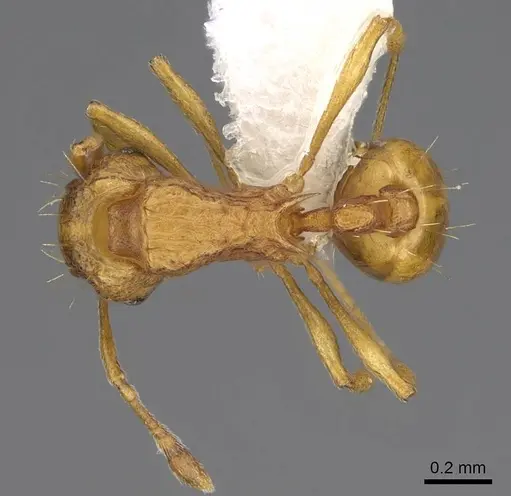
CBUMAGENT41978
View on AntWeb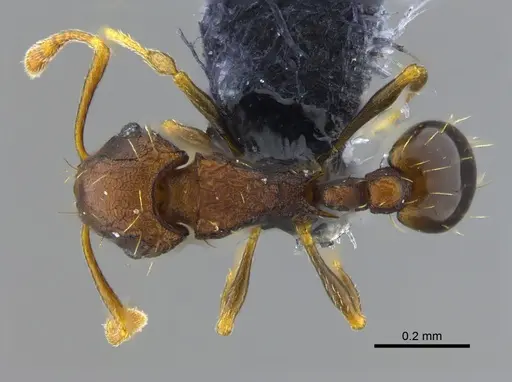
CSIRONC0168
View on AntWeb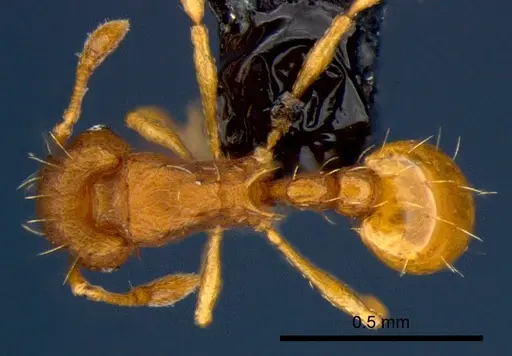
ECOFOG-IT14-1016-34
View on AntWeb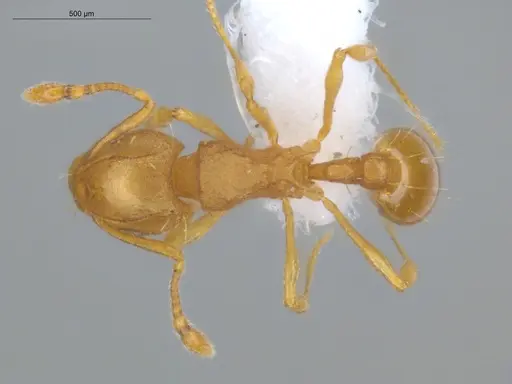
FOCOL0065-1
View on AntWeb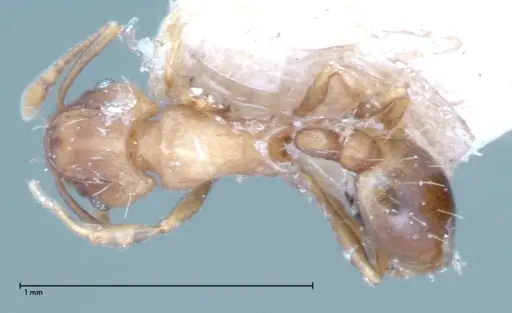
FOCOL0065-2
View on AntWeb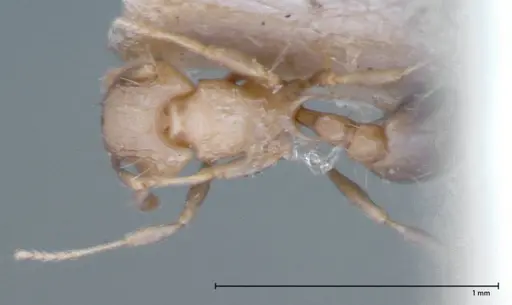
FOCOL0708
View on AntWeb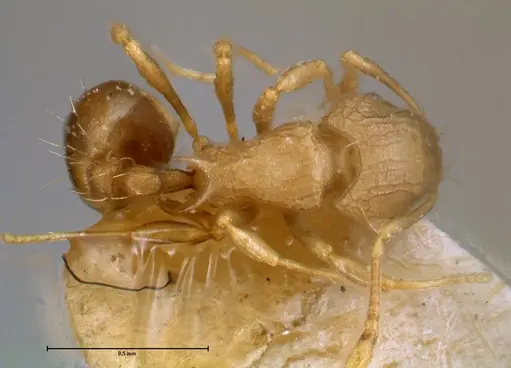
USNMENT00412165
View on AntWeb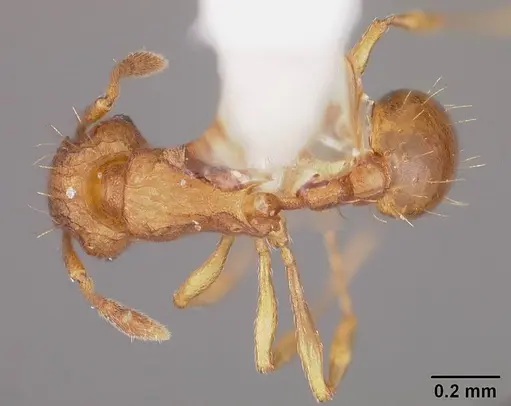
Literature
Loading distribution map...Loading products...