Vollenhovia emeryi shows a January to December activity window. Peak activity occurs in November, with queen sightings distributed across 11 months. This extended season suggests multiple flight events or varying conditions across its range.
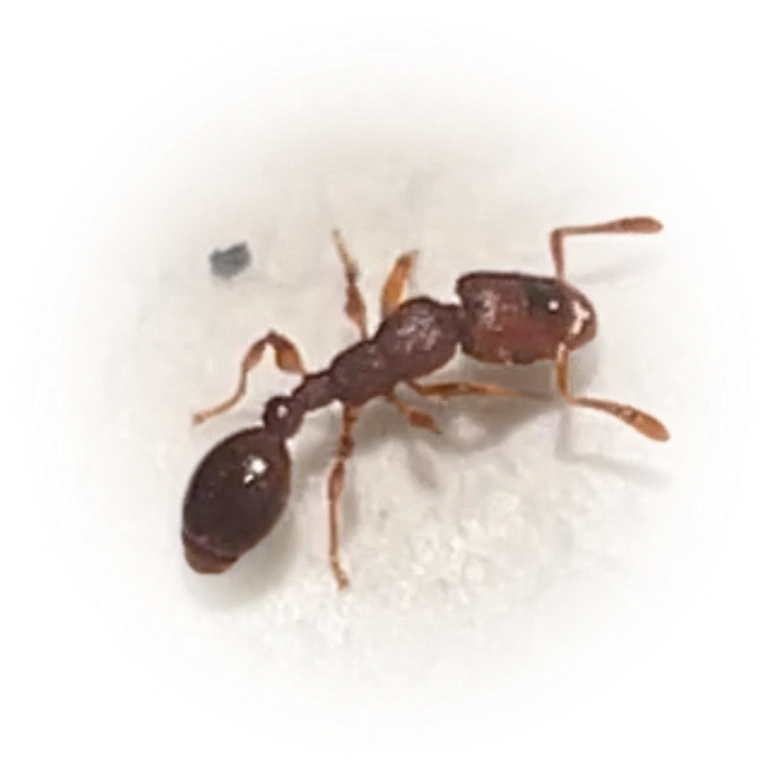
Vollenhovia emeryi
- Sci. Name
- Vollenhovia emeryi
- Tribe
- Crematogastrini
- Subfamily
- Myrmicinae
- Author
- Wheeler, 1906
- Distribution
- Found in 4 countries
- Queen Activity
- From January to December
- Peak Time
- 16:00
AI Identifiable
try →
Introduction
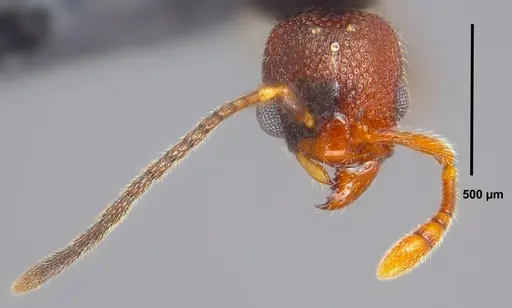
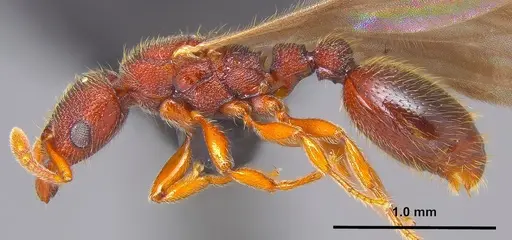
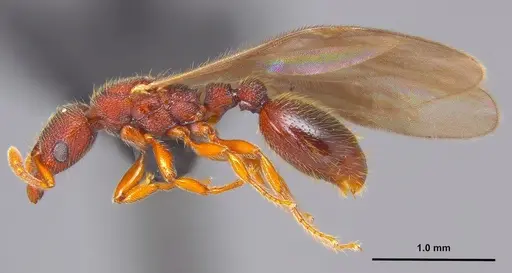
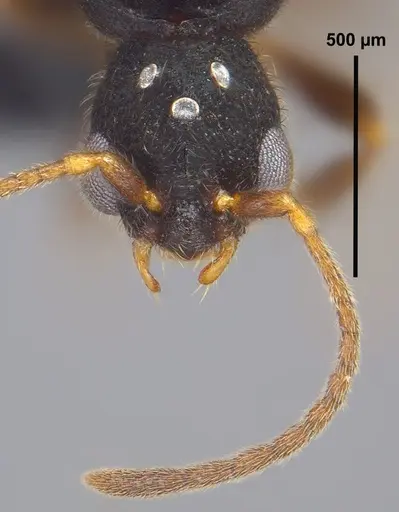
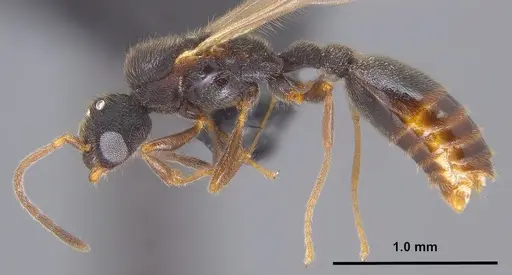
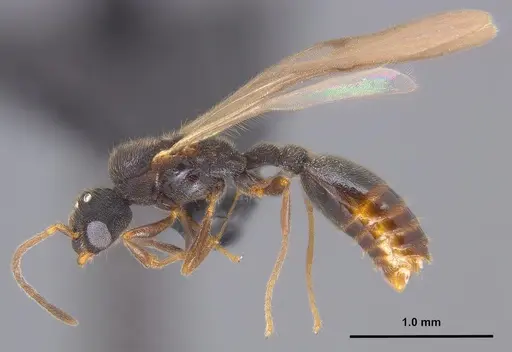
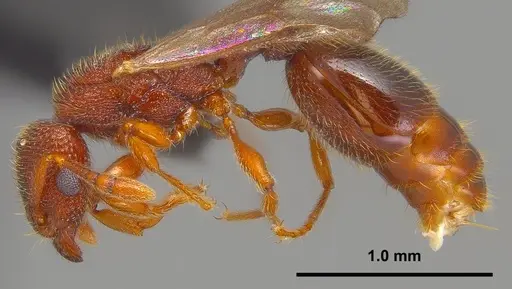
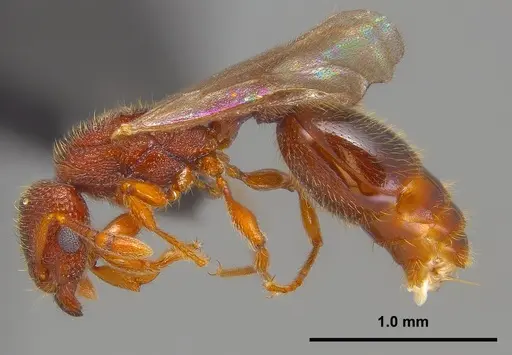
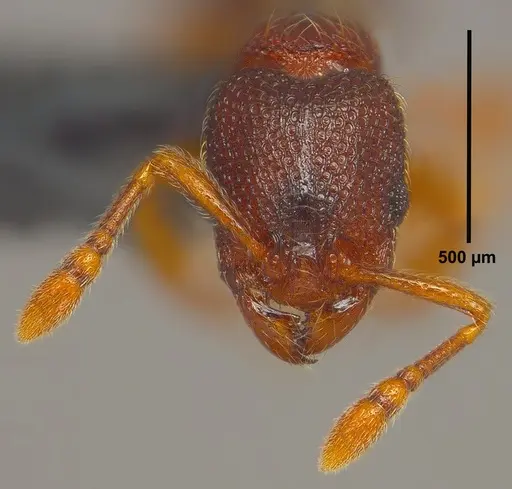
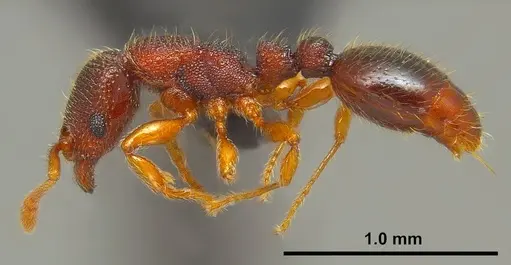
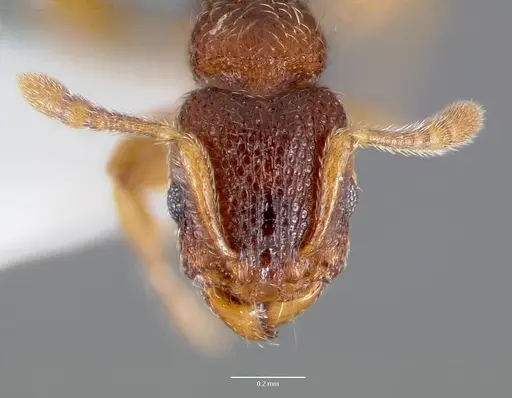
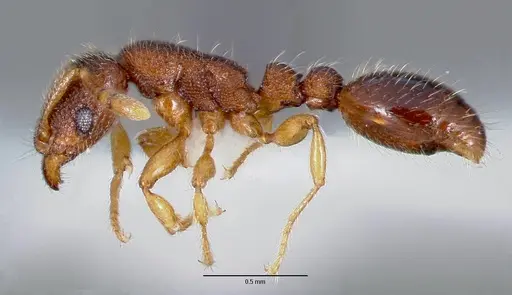
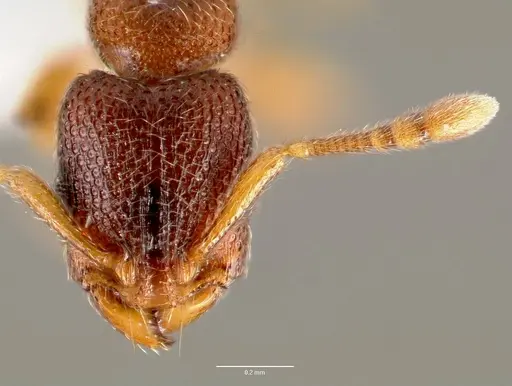
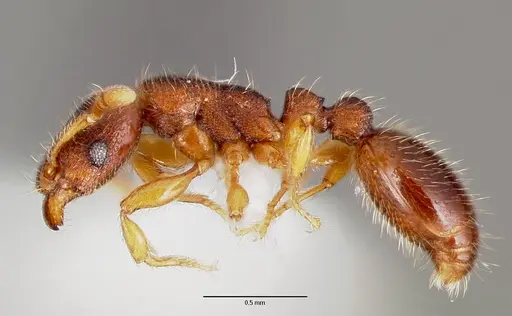
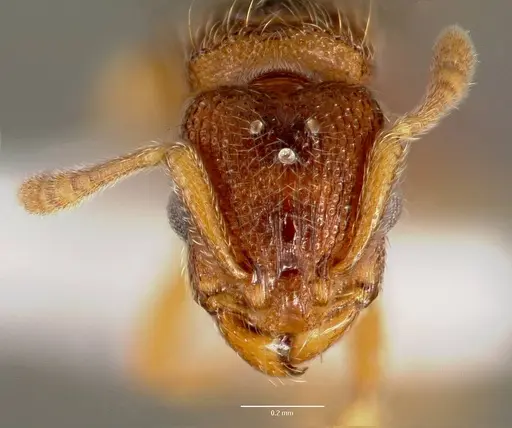
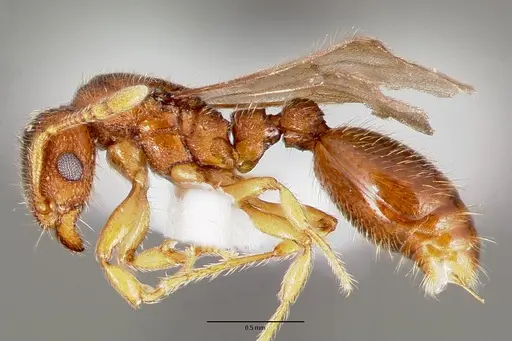
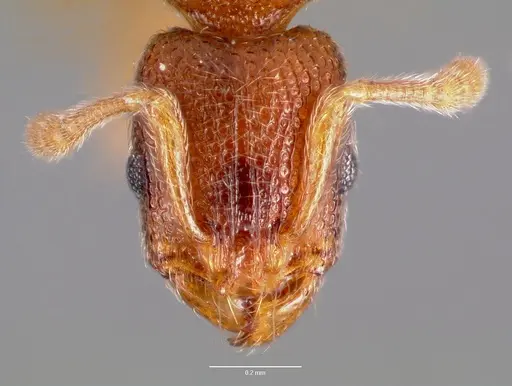
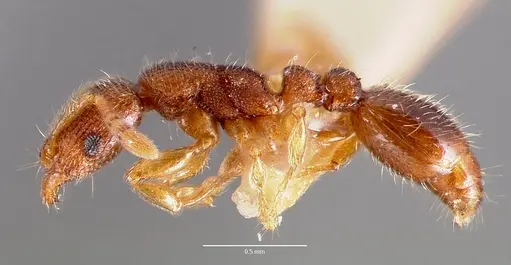
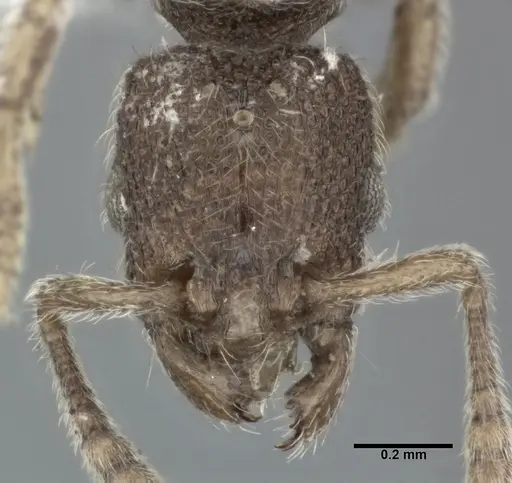
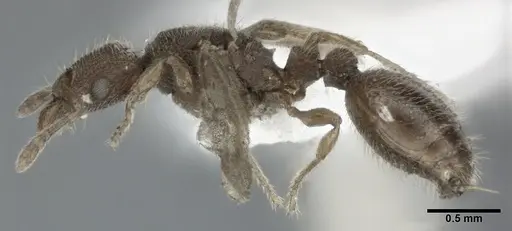
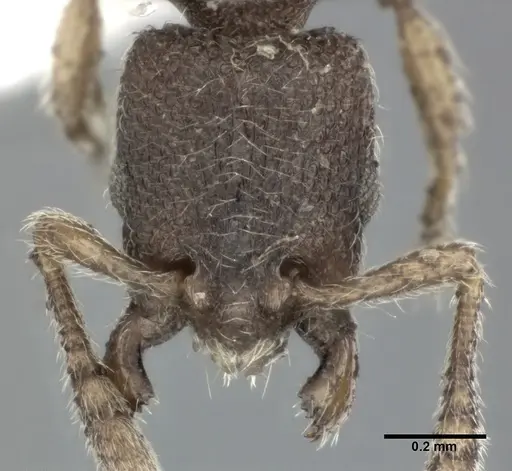
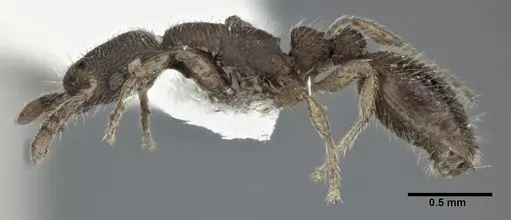
Vollenhovia emeryi is a small myrmicine ant native to East Asia. Workers measure about 2.5 mm in length . The body is reddish brown to dark brown, with a darker gaster and a blackish spot on the front of the head; legs are yellowish . This ant is famous for having one of the most unusual reproductive systems in the ant world - queens produce new queens through parthenogenesis (clonal reproduction), males are clones of their fathers, and only workers are produced sexually . The colony has two distinct queen morphs: long‑winged queens that can fly and disperse, and short‑winged queens that cannot fly and mate inside the nest . Vollenhovia emeryi nests in decaying wood in forests and has become established as an invasive species in parts of the eastern United States, likely introduced with Japanese cherry trees in the early 1900s .
Quick Summary
- Difficulty: Expert
- Origin & Habitat: Native to Japan, Korea, China (Yunnan, Zhejiang), Taiwan, and Thailand [9][10]. Found in secondary forests, both montane and lowland riverside forests, where it nests in decaying wood and under the bark of fallen trees [1][9]. In the United States, populations are established in riparian and floodplain forests in Washington D.C., Maryland, Virginia, and Pennsylvania [8].
- Colony Type: Two colony types exist [1]: Type 1 colonies are usually monogynous (single queen) with long‑winged queens, found mainly in mountain forests, Type 2 colonies are usually polygynous (multiple queens) with short‑winged queens, found in or near riverside forests. Both types nest in decaying wood and have been found coexisting in the same area [6]. In North America, only the short‑winged polygynous type has been observed until recently [9].
- Size & Growth:
- Queen: Size data unavailable, head width measurements exist but are not body length. Queens are slightly larger than workers, but precise total length is not reported in the literature.
- Worker: 2.5 mm [1][2]
- Colony: Up to several hundred workers. One wild colony in the US contained only 28 workers and 3 dealate queens [8].
- Growth: Moderate
- Development: Unknown, development time has not been studied for this species. For related small Myrmicinae, the full cycle from egg to worker may take 6-10 weeks at room temperature, but this is only a rough guess. (Development depends on temperature and nutrition. Colonies with more food produce more new reproductives [7].)
- Antkeeping:
- Temperature: Keep at a stable room temperature, roughly 20-25 °C. No specific optimal temperature is known, avoid extremes. If the colony enters diapause, provide a cool period (10-15 °C) for 2-3 months.
- Humidity: High humidity is critical. In captivity, colonies show a strong preference for extremely wet nest sites, one colony moved into the gap between a water hose and a plastic container wall [8]. Keep the nest substrate consistently damp but not waterlogged. A moisture gradient is helpful.
- Diapause: Yes. Alate females and males hibernate inside the nests [1]. New reproductives emerge in late summer to autumn and mate before winter [11]. Provide a winter dormancy period of 2-3 months at around 10-15 °C.
- Nesting: Use test tubes with water reservoirs, Y‑tong (AAC) blocks, plaster nests, or naturalistic setups with decaying wood. Avoid acrylic nests. The nest should be kept damp and offer tight, humid chambers. Workers will abandon dry areas.
- Behavior: Workers are slow‑moving and non‑aggressive [8]. They do not have a painful sting, they use a smearing defense (modified stinger wipes venom onto enemies). When disturbed, workers quickly move eggs and larvae to sheltered spots [8]. They are not skilled climbers, but because of their small size (2.5 mm), standard escape prevention (e.g., fluon or mineral oil barriers) is recommended.
- Common Issues: humidity is the most critical factor, colonies will abandon a dry nest and fail if the substrate becomes too dry, this species is invasive in the eastern United States, never release ants outside their native range, the complex reproductive system means that colonies with poor nutrition may produce only short‑winged queens, limiting dispersal ability, wild colonies may contain the parasitic ant Vollenhovia nipponica, watch for smaller companion ants and separate if needed, workers are monomorphic (all same size) and non‑reproductive [17], gynandromorphs (individuals with both male and female tissue) occur frequently in some populations, but this does not affect colony health [13]
Queen Ant Activity Analysis 60 observations
Queen Activity by Hour 60 observations
Vollenhovia emeryi queen activity peaks around 16:00 during the afternoon. Activity is spread across a 9-hour window (10:00–18:00). A secondary activity peak occurs around 14:00. Times may be influenced by human observation patterns.
Understanding the Unique Reproductive System
Vollenhovia emeryi has one of the most unusual reproductive systems known in ants. Queens produce new queens through parthenogenesis (asexual reproduction), the daughters are genetically identical clones of their mother [7]. Males are produced through androgenesis, they are clones of their fathers, containing only the father’s genetic material while the mother’s genome is eliminated [5]. Workers, however, are produced through normal sexual reproduction [4]. This creates two completely separate genetic lineages: the queen lineage (clonal) and the male lineage (also clonal), with no gene flow between them [12]. This system is called AQS + MC (Asexual Queen Succession plus Male Cloning) [13]. The practical implication for keepers is that your colony’s queen will produce more queens like herself, while workers come from sexually produced eggs. Thelytokous parthenogenesis (automixis with central fusion) is the mechanism [13]. About 27% of offspring from inbreeding experiments are diploid males (sterile), confirming a two‑locus complementary sex determination system [14][11].
Queen Morphs and Colony Types
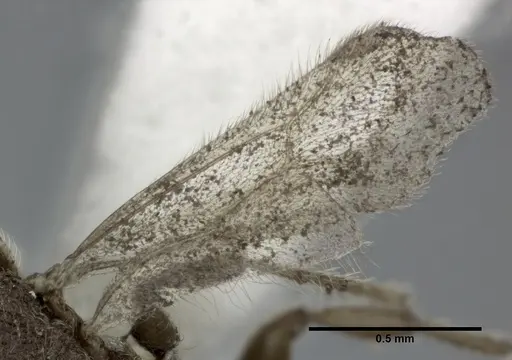
This species has two distinct queen morphs that determine colony structure. Long‑winged (L) queens have fully developed wings averaging 3.0 mm in length and can fly to disperse and found new colonies [6]. Short‑winged (S) queens have reduced wings averaging only 2.0 mm and cannot fly, they mate inside their natal nest before hibernation [7]. L‑queen colonies tend to be monogynous (single queen) and are found mainly in mountainous forests. S‑queen colonies tend to be polygynous (multiple queens) and are found in lowland riverside forests [1]. The short‑winged morph is evolutionarily derived from the long‑winged morph [15]. In the laboratory, colonies fed more food produce both queen types, while poorly‑fed colonies produce only short‑winged queens [7]. This means nutrition strongly influences which type of queen develops. Queen polymorphism is also associated with Wolbachia infection, all L‑morph populations are infected, while S‑morph populations may or may not carry Wolbachia [15].
Housing and Nest Setup
Vollenhovia emeryi requires moist, humid conditions. In the wild, they nest in decaying wood and fallen branches in forests [9]. In captivity, they show a strong preference for extremely wet nesting sites, one study observed colonies moving into the gap between a water hose and plastic container wall [8]. Use test tubes with water reservoirs or Y‑tong (AAC) blocks with moisture chambers. Avoid acrylic nests. Provide a naturalistic setup with pieces of rotting wood. The nest material should remain damp but not flooded. Keep the outworld moderately humid as well. These ants are not aggressive and handle disturbance by moving brood to safer locations rather than fleeing [8]. Use standard escape prevention, while not particularly good climbers, their small size means they can slip through small gaps. Workers are monomorphic [16] and non‑reproductive [17].
Feeding and Diet
Vollenhovia emeryi is an omnivore, likely feeding on small insects, honeydew, and nectar in nature. Their small worker size (2.5 mm) means prey items should be appropriately sized. Offer small insects like fruit flies, pinhead crickets, springtails, or other tiny arthropods. Sugar sources such as honey water or sugar water are readily accepted. Feed small amounts regularly and remove uneaten food to prevent mold. In laboratory studies, colonies were fed a standard ant diet [11]. The complex reproductive system means well‑nourished colonies produce more reproductive individuals (including long‑winged queens), while poorly‑fed colonies produce fewer [7]. There is no evidence that workers require specialized feeding beyond standard ant care.
Seasonal Care and Hibernation
In their native range, alate reproductive females and males hibernate within the nests [1]. New reproductives emerge from late summer to autumn [11]. Provide a winter dormancy period of 2-3 months at temperatures around 10-15 °C. During this time, reduce feeding and keep the colony slightly cooler but still moist. In spring after hibernation, colonies that produced short‑winged queens will split through budding, the queens and some workers establish new nest locations nearby [7]. This is an important part of their natural cycle and should be replicated in captivity for long‑term colony health. Long‑winged queens likely mate after hibernation during nuptial flights [7].
Invasive Status and Legal Considerations
Vollenhovia emeryi is an invasive species in the eastern United States, established in Washington D.C., Maryland, Virginia, and Pennsylvania [8][18]. The first US population was discovered in 1986 in Rock Creek Park, Washington D.C. [9]. It is believed to have been introduced with Japanese cherry trees gifted to the US in 1910-1912 [8]. Only short‑winged queens have been found in North America, so long‑distance dispersal is thought to occur via rafting in wood during floods [8]. If you live in these areas and collect wild colonies, do not release them outside their native range. Conversely, if you are outside the invasive range and obtain this species, it must be kept in secure enclosures to prevent accidental establishment. Always check local regulations before keeping ant species. This species is not known to displace native ants in US surveys [8], but caution is still required.
Frequently Asked Questions
How long does it take for Vollenhovia emeryi to produce first workers?
The exact development time is not documented. Based on related small Myrmicinae, it may take 6-10 weeks from egg to worker at around 22-25 °C, but this is only a rough estimate. The egg stage alone lasts several weeks.
Can I keep multiple queens together in one colony?
Yes, this species can be polygynous, Type 2 colonies naturally have multiple short‑winged queens living together [1]. However, combining unrelated queens from different colonies is not recommended, as aggression may occur. If your colony already has multiple queens, they usually coexist peacefully.
Do Vollenhovia emeryi ants sting?
No, they do not have a painful sting [8]. Instead, they use a modified spatulate stinger to smear venom onto enemies (subfamily trait). These are small, docile ants that prefer to hide or move brood when threatened.
What makes Vollenhovia emeryi reproduction so unusual?
Queens produce daughter queens asexually through parthenogenesis (clonal reproduction), while males are clones of their fathers (androgenesis). Only workers are produced sexually [4][5]. This means there are two completely separate genetic lineages, queen clones and male clones, with no gene flow between them. This system is called AQS + MC [13].
Why do some queens have short wings?
This species has two queen morphs. Short‑winged (S) queens cannot fly and mate inside their natal nest before hibernation [7]. Long‑winged (L) queens can fly and disperse to found new colonies. The short‑winged morph is evolutionarily derived and appears to be the more recent adaptation [15]. Nutrition influences which morph develops, well‑fed colonies produce more long‑winged queens [7].
Are Vollenhovia emeryi good for beginners?
No, this species is rated Expert difficulty. Their critical humidity requirements, complex reproductive system (no independent founding, budding colonies), and invasive status make them unsuitable for beginners. They require careful control of moisture and a secure setup to prevent escapes.
Do they need hibernation?
Yes, they require a winter dormancy period. In the wild, alate females and males hibernate within the nests [1]. Provide 2-3 months at 10-15 °C. Reduce feeding and keep the nest moist during this time.
What do Vollenhovia emeryi eat?
They are omnivorous like most small ants. Offer small insects (fruit flies, pinhead crickets, springtails) and sugar sources (honey water, sugar water). Remove uneaten food quickly to prevent mold. It’s not necessary to provide anything unusual, a standard ant diet works well.
Why are my ants dying?
The most common cause is drying out. This species requires high humidity and will abandon or fail in dry conditions [8]. Ensure the nest substrate stays consistently damp. Other causes could be poor nutrition, overheating, stress from frequent disturbance, or an incompatible colony combination.
When do Vollenhovia emeryi queens forage?
Queen activity of Vollenhovia emeryi typically occurs From January to December. Times may be influenced by human observation patterns.
What time of day are Vollenhovia emeryi queens most active?
Queen activity of Vollenhovia emeryi peaks around 16:00 during the afternoon, with most activity between 10:00 and 18:00. Times may be influenced by human observation patterns.
Report an Issue
The current care sheet is based fully on literature. See inconsistencies, or something that's incorrect? Please , it will be resolved after review from an admin. Contributing to the blogs tab also helps providing information, to make us be able to further improve the caresheets. Thank you for your support!
References

This caresheet is licensed under CC BY-SA 4.0 .
Community Blogs
ANTWEB1008087
View on AntWeb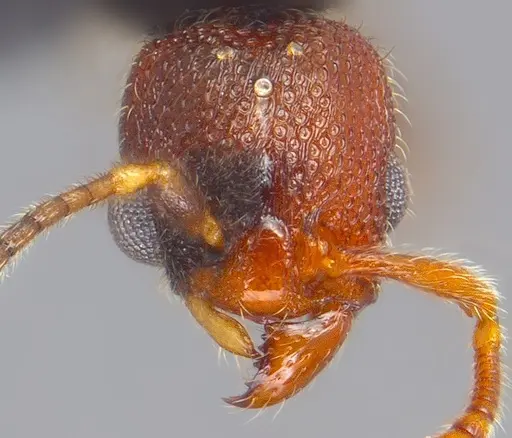
ANTWEB1008088
View on AntWeb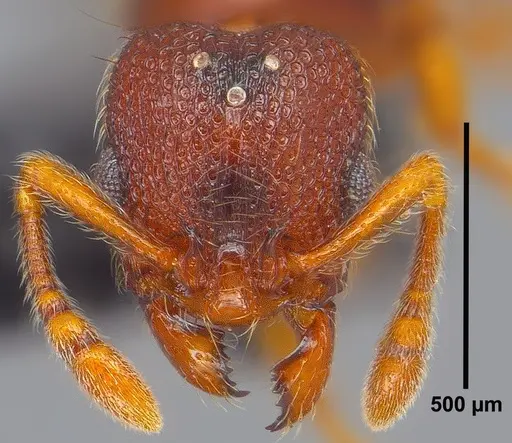
ANTWEB1008089
View on AntWeb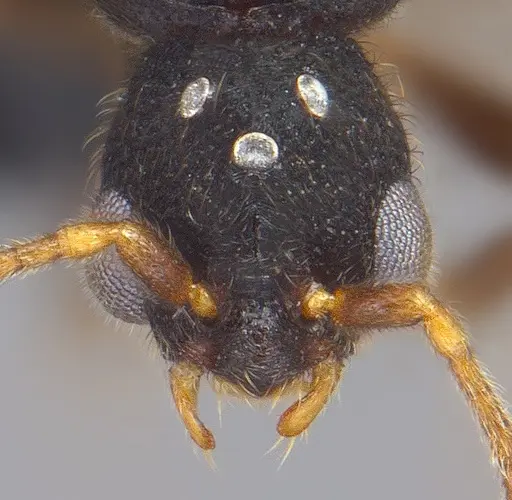
ANTWEB1008090
View on AntWeb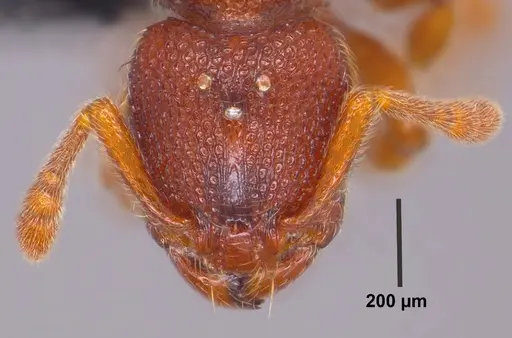
ANTWEB1008091
View on AntWeb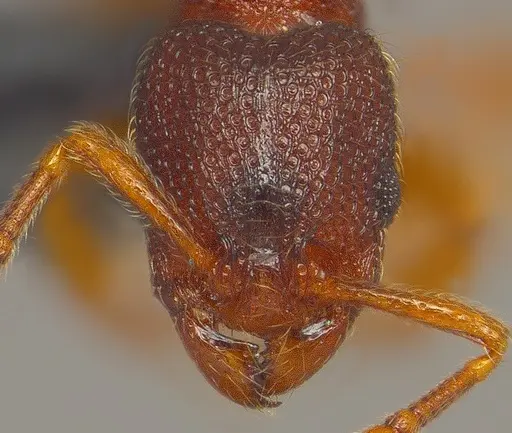
CASENT0003196
View on AntWeb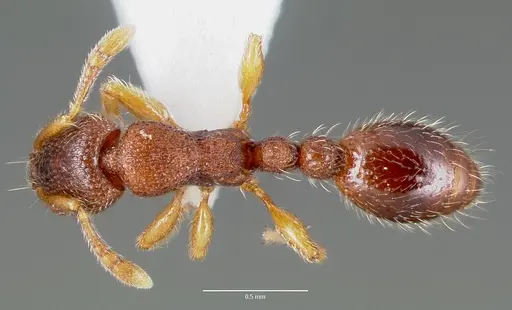
CASENT0006074
View on AntWeb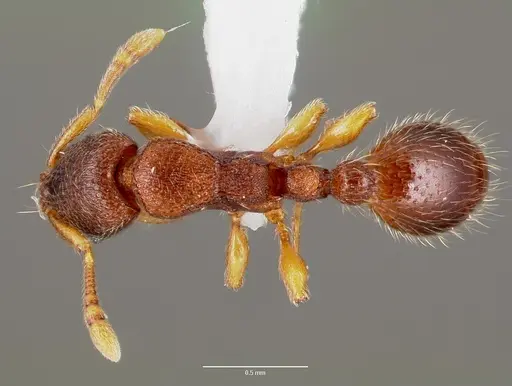
CASENT0006077
View on AntWeb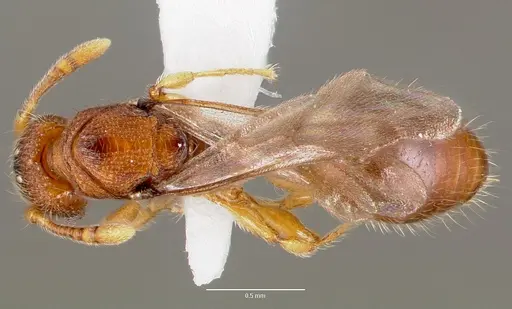
CASENT0006098
View on AntWeb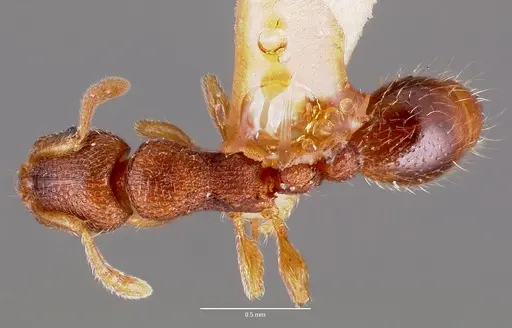
CASENT0246160
View on AntWeb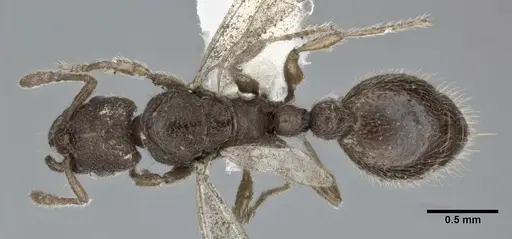
CASENT0246161
View on AntWeb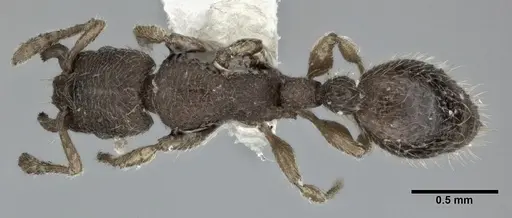
Literature
Loading distribution map...Loading products...