Pseudomyrmex simplex shows a January to June flight window. Peak activity occurs in April and June, with nuptial flights distributed across 3 months.
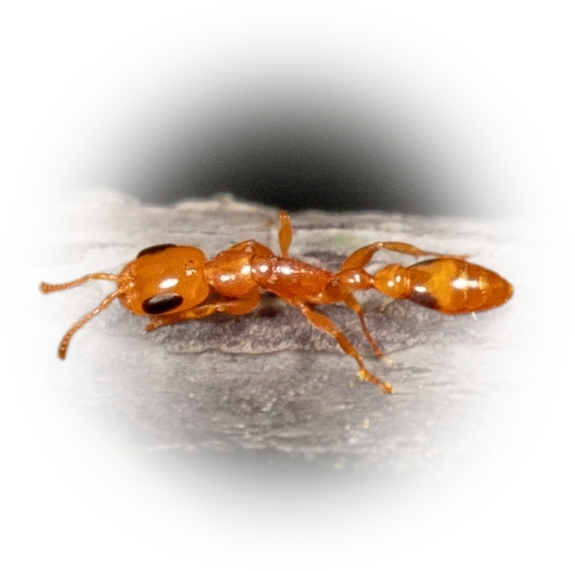
Simple Twig Ant
Pseudomyrmex simplex
- Sci. Name
- Pseudomyrmex simplex
- Tribe
- Pseudomyrmecini
- Subfamily
- Pseudomyrmecinae
- Author
- Smith, 1877
- Common Name
- Simple Twig Ant
- Distribution
- Found in 19 countries
- Nuptial Flight
- From January to June
- Peak flight Time
- 16:00
AI Identifiable
try →
Introduction
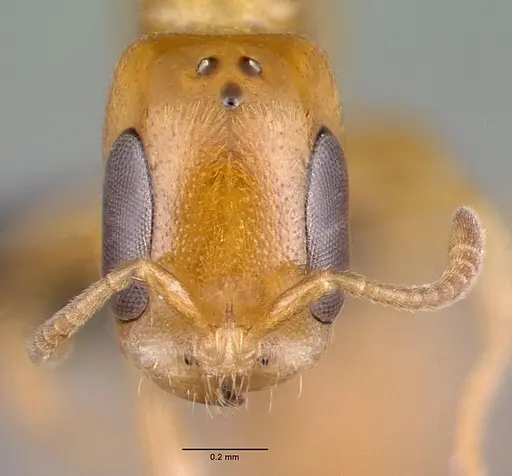
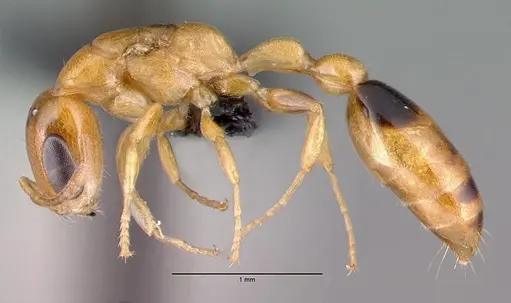
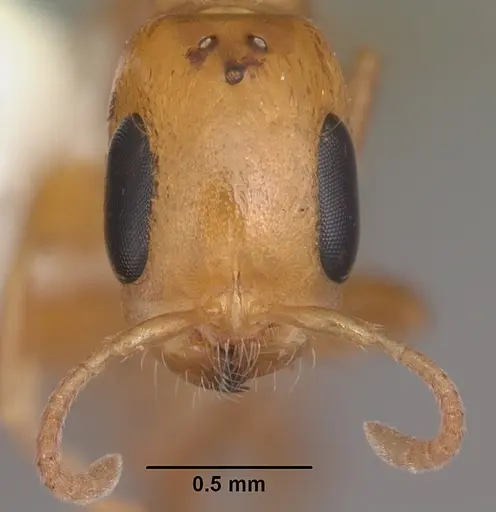
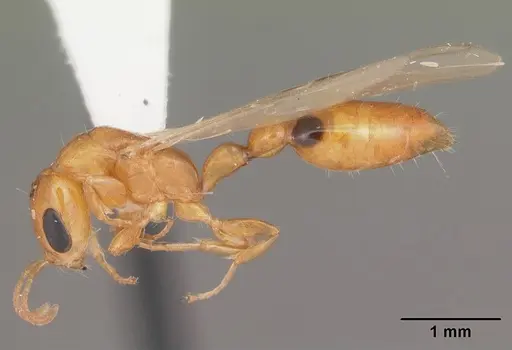
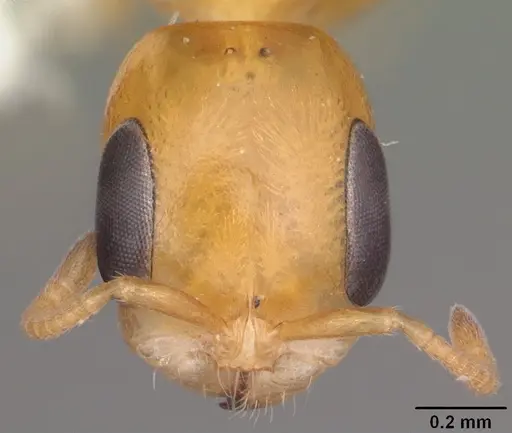
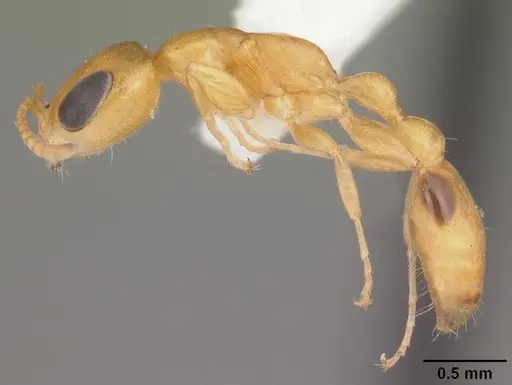
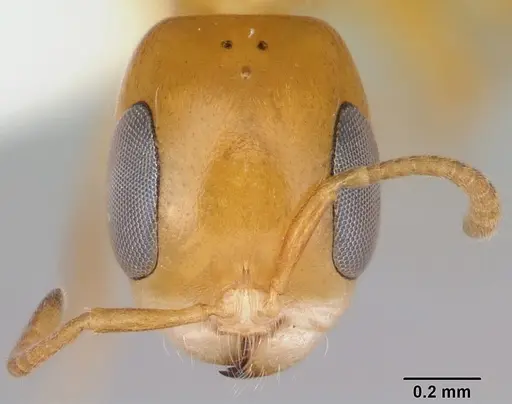
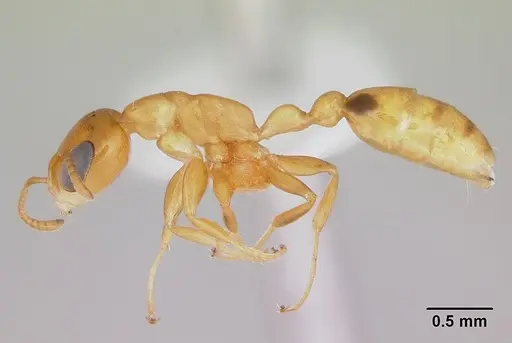
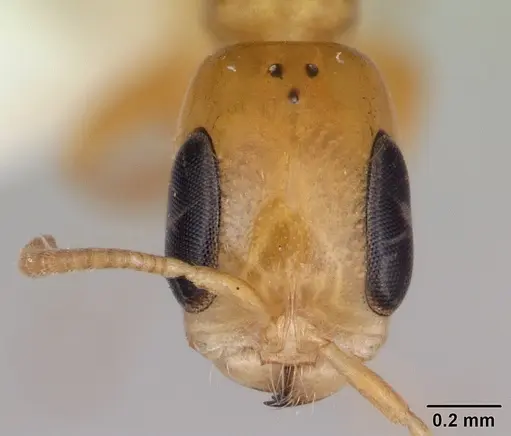
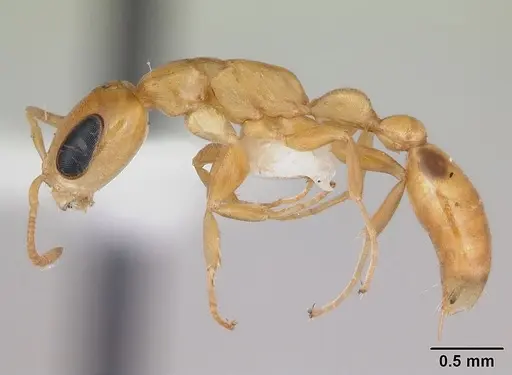
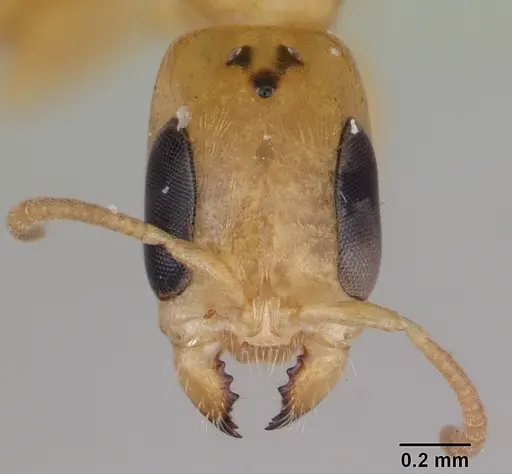
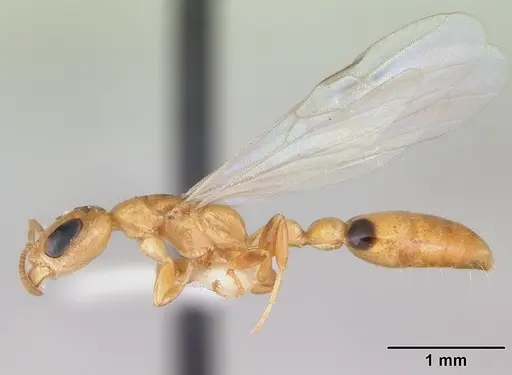
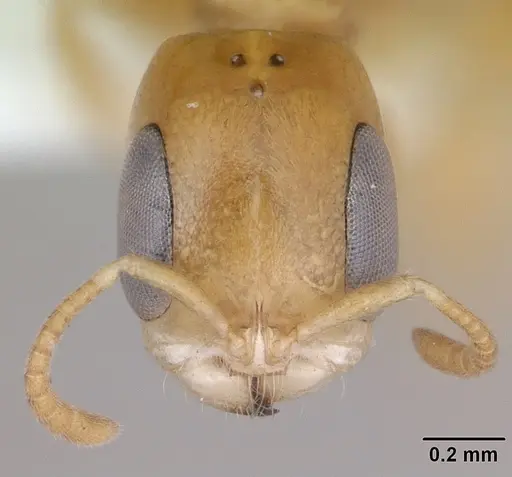
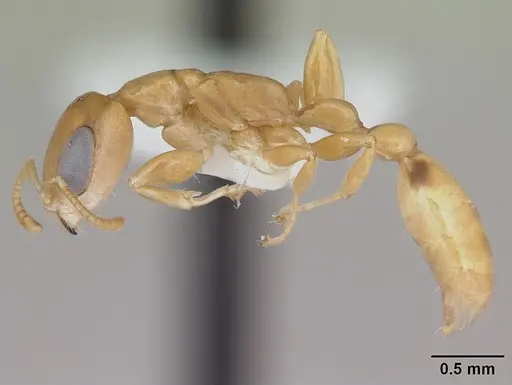
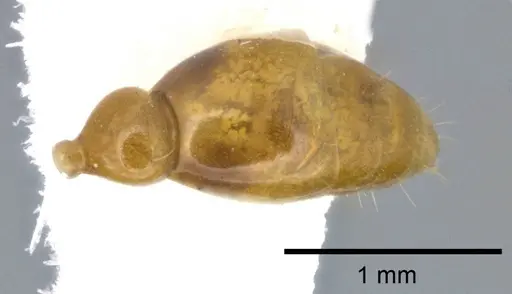
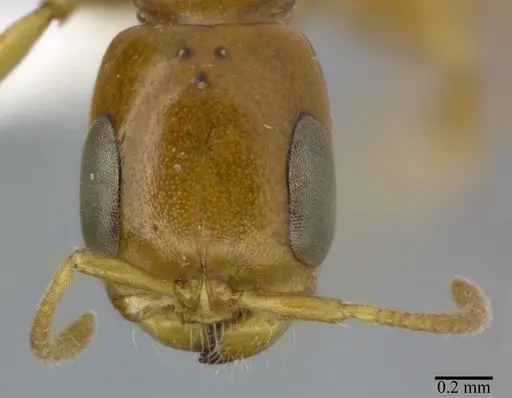
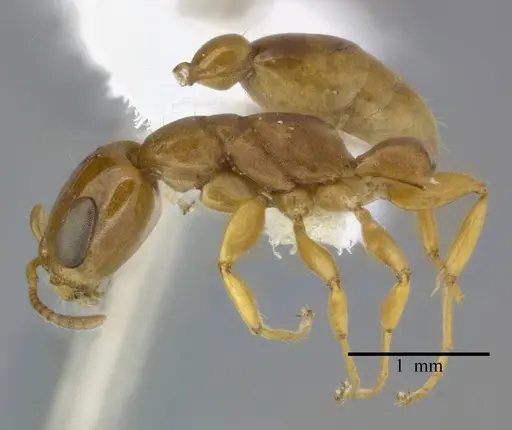
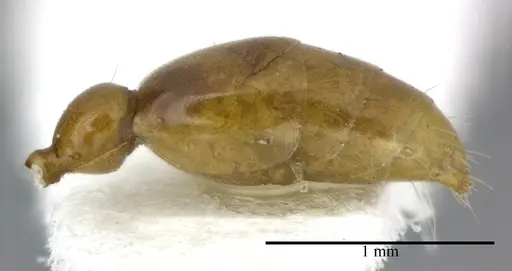
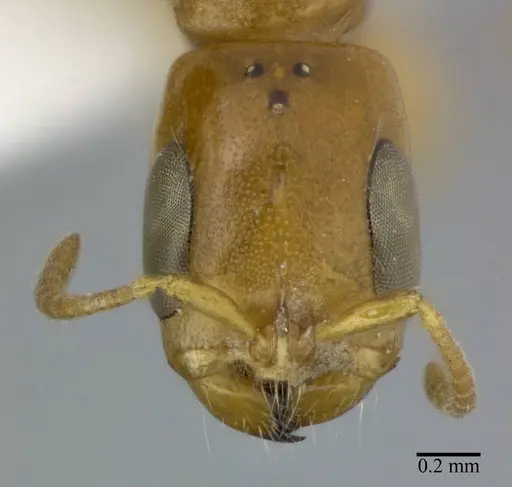
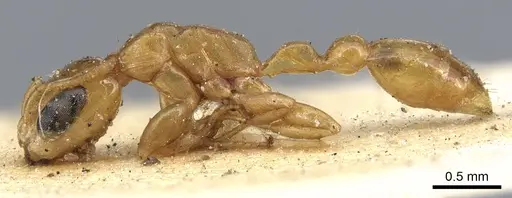
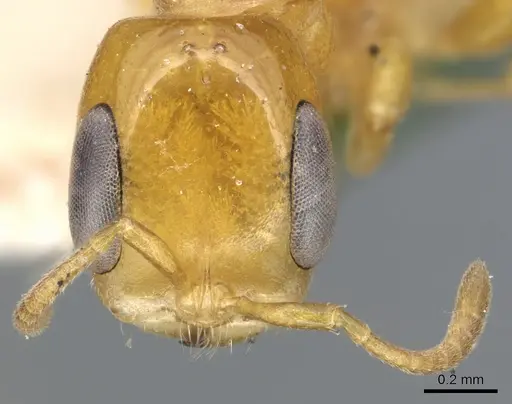
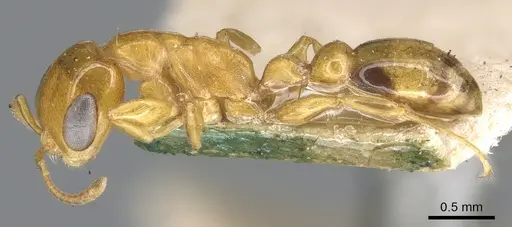
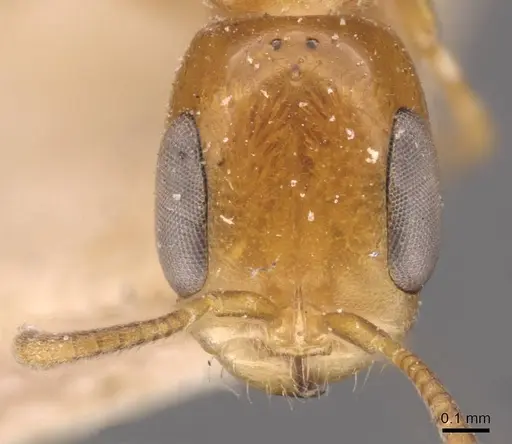
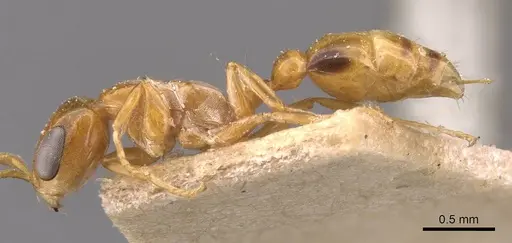
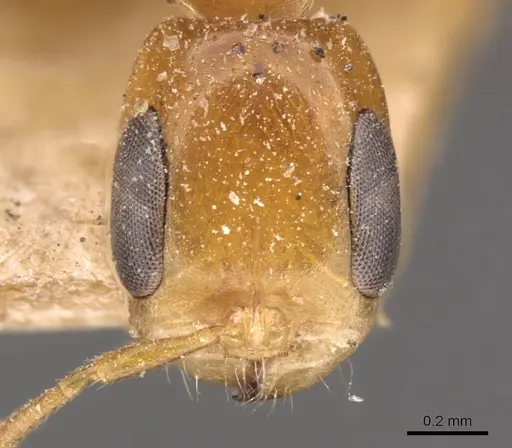
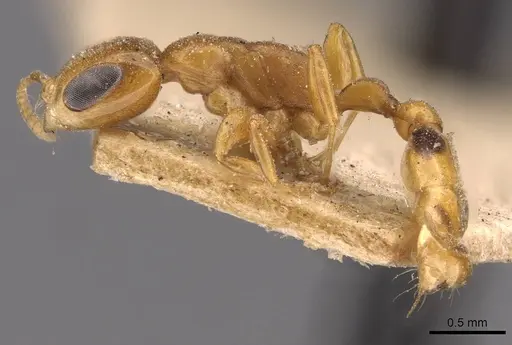
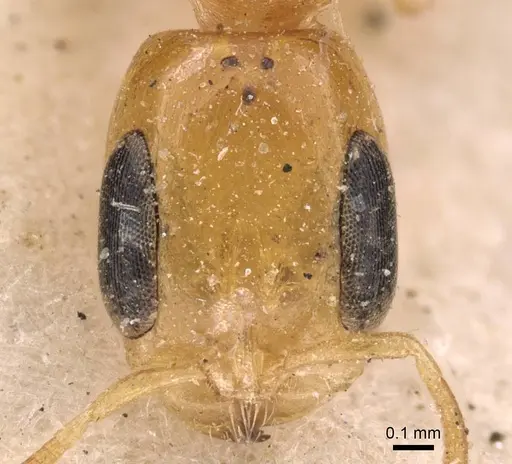
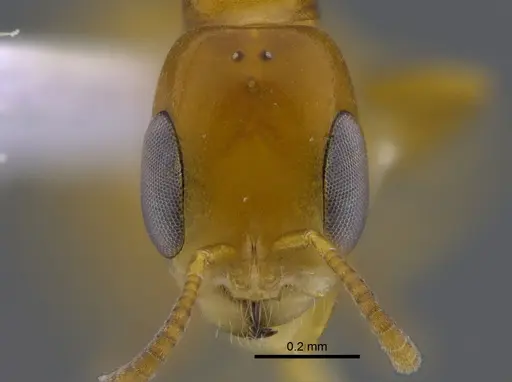
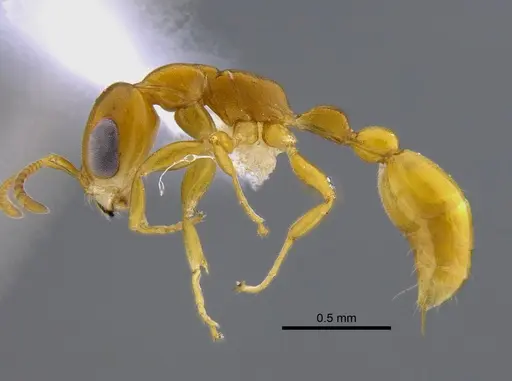
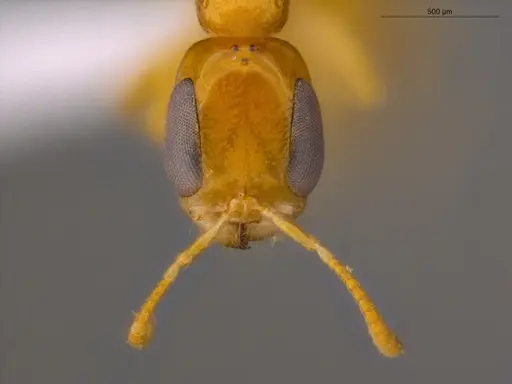
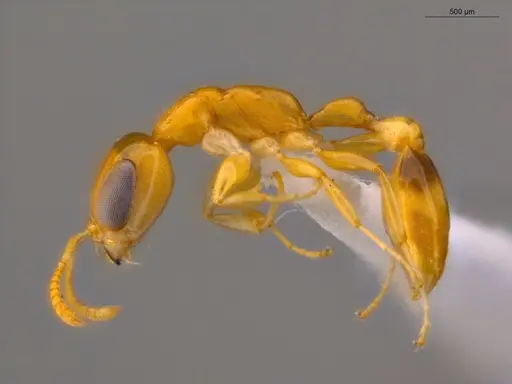
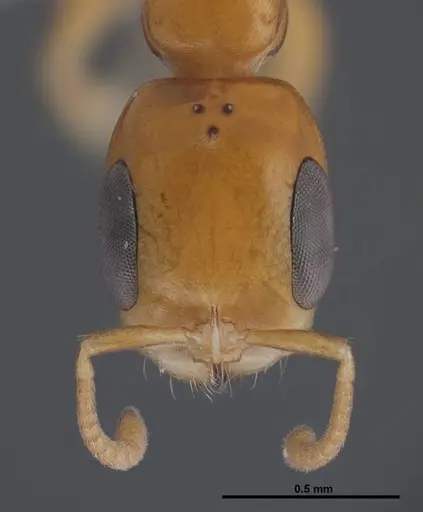
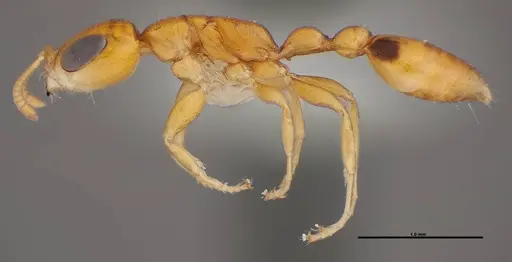
Pseudomyrmex simplex is a tiny, yellow-orange ant from the subfamily Pseudomyrmecinae . Workers are about 3-4 mm long, making them one of the smallest Pseudomyrmex species . They have a smooth, shiny head, a broad forefemur, and typically show a pair of dark patches on the upper abdomen . This ant is widespread across the Americas, from Florida and the Caribbean through Central America into South America, and has been recorded in many habitats including dry forests, scrub, pastures, and coffee plantations . These ants are arboreal generalists that primarily nest in dead twigs of woody shrubs and trees, rather than in herbaceous stems . They play an important role in controlling agricultural pests: in Mexican coffee plantations, they are frequent predators of the coffee berry borer, and lab trials show they can remove over two embedded borers in 24 hours . Their colonies are often polydomous (spread across multiple nests) and they show a flexible social structure, sometimes having multiple functional queens .
Quick Summary
- Difficulty: Medium
- Origin & Habitat: Widespread from the southern United States (Florida) through Mexico, Central America, and South America, plus many Caribbean islands [4][5][6]. Found in a variety of habitats including dry forests, scrub, mangroves, coffee plantations, and cerrado, at elevations from sea level up to about 1,500 m [4][5][10]. The majority of Hispaniola records are on or near the coast [4].
- Colony Type: Polydomous colonies are common, with most nests being queenless. Some nests contain a single queen (monogynous), and rare cases of two functional (inseminated) dealate queens have been found, indicating facultative polygyny [4][9][11]. Workers are monomorphic [11].
- Size & Growth:
- Queen: Similar in size to workers, estimated ~3-4 mm (inferred from Pseudomyrmex genus patterns).
- Worker: ~3-4 mm (inferred from genus, AntWiki notes it is one of the smallest of the orange Pseudomyrmex) [1].
- Colony: Up to about 32 workers per twig nest on average, with some nests containing up to 8 workers [12][13]. Polydomous colonies may have multiple such nests, potentially totaling under 100 workers.
- Growth: Moderate
- Development: 6-10 weeks (estimated based on tropical Pseudomyrmex species, exact timeline for this species is unconfirmed) (Development likely speeds up in warmer conditions (within their preferred 24-28°C range).)
- Antkeeping:
- Temperature: Keep at 24-28°C, mimicking warm tropical conditions. Provide a gentle temperature gradient if possible. Avoid temperatures below 22°C for extended periods [1].
- Humidity: Moderate to high – keep the nest substrate consistently moist but not waterlogged. Good ventilation is important to prevent mold [1].
- Diapause: No – these are tropical ants that remain active year-round if kept warm. Cold temperatures can stress them [1].
- Nesting: Arboreal twig-nester. Provide dead twigs, hollow bamboo sections, or narrow Y-tong (AAC) nests with tight-fitting chambers. They prefer small, confined spaces. A naturalistic setup with small branches works well.
- Behavior: These are diurnal, visually oriented foragers that are agile and patrol large areas [14]. They will defend their nest if disturbed but are not particularly aggressive compared to some other Pseudomyrmex [9]. Their small size makes escape prevention critical – they can squeeze through tiny gaps. They are effective predators on small arthropods and also visit extrafloral nectaries.
- Common Issues: tiny size makes escape prevention critical – use fine mesh barriers and fluon coating on formicarium rims., polydomous nature may lead to satellite nests in captivity, which is normal but can complicate maintenance., competes poorly with aggressive ants like Azteca instabilis – keep separate or expect reduced colony growth [16][17]., wild-caught colonies may carry parasites (e.g., phorid flies) that can devastate captive populations., requires warm conditions year-round, cold stress can cause colony decline.
Nuptial Flight Activity Analysis 56 observations
Flight Activity by Hour 56 observations
Pseudomyrmex simplex nuptial flight activity peaks around 16:00 during the afternoon. Activity is spread across a 20-hour window (01:00–20:00). A secondary activity peak occurs around 14:00. Times may be influenced by human observation patterns.
Housing and Nest Setup
Pseudomyrmex simplex is an arboreal twig-nester, so you should set up their formicarium to match. In the wild they nest exclusively in dead twigs of woody shrubs and trees – never in herbaceous stalks [4][2]. For captivity, offer hollow bamboo sections, narrow dead twigs, or Y-tong (AAC) nests with small chambers. These tiny ants prefer tight-fitting spaces.
Because they are arboreal, consider a vertical or angled setup. A naturalistic enclosure with small branches lets you observe their natural behaviors. Keep the nest moderately humid and well-ventilated to prevent mold. The outworld should have a low ceiling to prevent falls, and all connections must use narrow tubing to prevent escapes.
Escape prevention is critical – these ants are 3-4 mm and can slip through tiny gaps. Use fine mesh on ventilation holes and seal all joints with fluon or a similar barrier. A fluon ring around the top of the formicarium helps keep them in [1].
Feeding and Diet
Pseudomyrmex simplex is a generalist predator. In nature they hunt small arthropods and visit extrafloral nectaries [14]. They are important predators of the coffee berry borer (Hypothenemus hampei): lab studies show they can remove an average of 1.36 free-living borers in 24 hours and up to 2.82 embedded borers [7][8].
For captive care, offer small live prey: fruit flies, pinhead crickets, springtails, and small mealworms. They will also accept sugar water or honey water as a supplement. Since they are active hunters, live prey should be the main diet. Feed every 2-3 days, removing uneaten food after 24 hours to avoid mold. Portions should be small – a few prey items per feeding is enough for a small colony.
Temperature and Humidity
As a tropical to subtropical species, Pseudomyrmex simplex needs warmth year-round. Keep the nest at 24-28°C. They do not need a diapause period – cold temperatures can slow their metabolism and cause stress [1]. If your room drops below 22°C, use a gentle heat cable on one side of the enclosure to create a warm gradient.
Humidity should be moderate to high – keep the substrate slightly moist but not wet. Good ventilation is important to prevent mold. In their natural coastal habitats, they experience high humidity [4], so a humid nest chamber with drier outworld works well.
Colony Structure and Behavior
One of the most interesting aspects of Pseudomyrmex simplex is its flexible colony structure. Most wild nests are queenless (indicating high polydomy), some contain a single queen, and occasionally two functional dealate queens are found together [4][9]. This means the species is facultatively polygynous – it can adjust its social structure depending on conditions.
Colonies are polydomous: a single colony occupies multiple twig nests. In captivity, your ants may try to set up satellite nests, which is normal.
Behaviorally, they are diurnal and visually oriented – they navigate by sight rather than scent trails [14]. They are not particularly aggressive toward other ant species compared to some Pseudomyrmex [9], but they will defend their nest if disturbed. They are effective hunters that patrol large areas alone [14].
Ecological Role and Competition
Pseudomyrmex simplex is an important natural enemy of the coffee berry borer, a major coffee pest. In Mexican coffee farms, it occupies up to 45.5% of available twigs and significantly reduces borer infestations [7][8]. They are one of the most frequently encountered twig-nesting ants in these systems [15].
They face strong competition from other ants. The dominant canopy ant Azteca instabilis limits their nest occupation and can kill them in direct encounters [9][12]. The non-native Pseudomyrmex gracilis also negatively affects their colony size and brood [16][17]. When these competitors are present, P. simplex colonies tend to be smaller and less successful.
For antkeepers: if you plan to keep multiple species, P. simplex will likely lose against aggressive dominants. They are best kept alone or with similarly timid species.
Frequently Asked Questions
How long does it take for Pseudomyrmex simplex to develop from egg to worker?
The exact timeline for this species has not been studied, but based on related tropical Pseudomyrmex species, you can expect roughly 6-10 weeks from egg to first worker. Warmer temperatures (within 24-28°C) may speed this up slightly.
Can I keep multiple queens together in one colony?
Yes, this species is facultatively polygynous – some wild nests have been found with two functional queens [4][9]. However, introducing unrelated queens should be done with caution, they may fight initially until a hierarchy is established.
Do Pseudomyrmex simplex ants sting?
Yes, like other Pseudomyrmecinae, they have a functional stinger and can deliver a mild sting if handled roughly [1]. However, they are not aggressive toward humans, and their small size makes any sting typically mild.
What is the best nest type for Pseudomyrmex simplex?
As arboreal twig-nesters, they do best in setups that mimic hollow dead twigs. Y-tong (AAC) nests with narrow chambers, hollow bamboo sections, or natural dead twigs all work well. The key is to provide tight, narrow spaces – avoid large, open chambers [4].
Are Pseudomyrmex simplex good for beginners?
They are rated medium difficulty. Their small size and specific nesting requirements make them less suitable for complete beginners, but they are manageable for intermediate antkeepers. The lack of diapause simplifies seasonal care, but you must keep them warm year-round.
How big do Pseudomyrmex simplex colonies get?
Colony sizes are modest. Each twig nest typically contains around 32 workers on average, though some nests have up to 8 workers [12][13]. Polydomous colonies may have multiple such nests, so total colony size is likely under 100 workers.
Do they need hibernation or diapause?
No – these are tropical ants that do not require hibernation. They stay active year-round if kept at 24-28°C. Cold temperatures can harm them [1].
Why are my Pseudomyrmex simplex dying?
Common causes: temperatures below 22°C, poor escape prevention (they escape and dry out), mold from overwatering, competition from aggressive ants if housed together, or parasites from wild-caught colonies. Check your temperature, humidity, and enclosure security.
What do Pseudomyrmex simplex eat?
They are generalist predators that primarily eat small live prey: fruit flies, pinhead crickets, springtails, and other tiny arthropods. They will also accept sugar water or honey water. In nature, they are important predators of coffee berry borers [7][8].
When is the nuptial flight of Pseudomyrmex simplex?
The nuptial flight of Pseudomyrmex simplex typically occurs From January to June.
What time of day does Pseudomyrmex simplex fly?
The nuptial flight of Pseudomyrmex simplex peaks around 16:00 during the afternoon, with most activity between 01:00 and 20:00. Times may be influenced by human observation patterns.
Report an Issue
The current care sheet is based fully on literature. See inconsistencies, or something that's incorrect? Please , it will be resolved after review from an admin. Contributing to the blogs tab also helps providing information, to make us be able to further improve the caresheets. Thank you for your support!
References

This caresheet is licensed under CC BY-SA 4.0 .
Community Blogs
CASENT0040139
View on AntWeb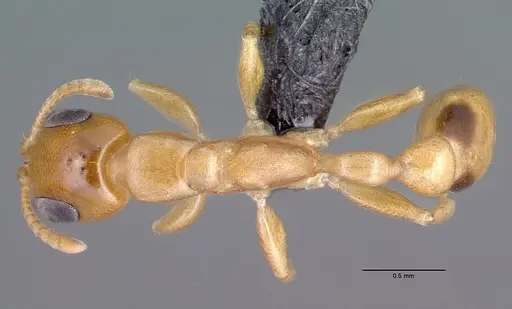
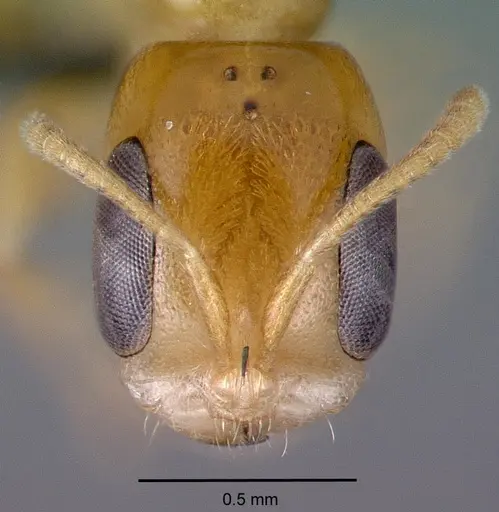
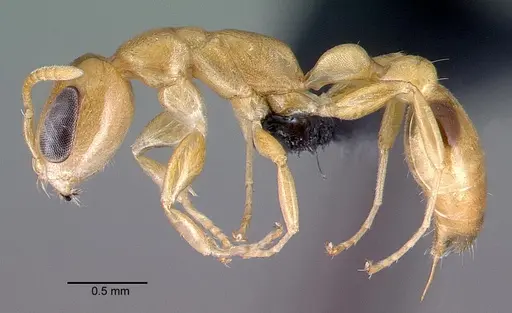
CASENT0040141
View on AntWeb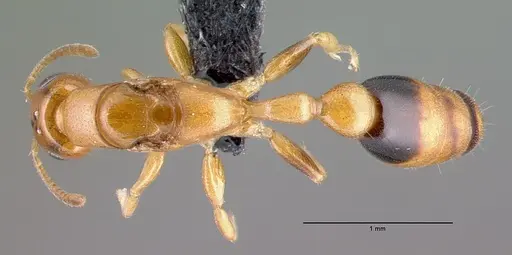
CASENT0104248
View on AntWeb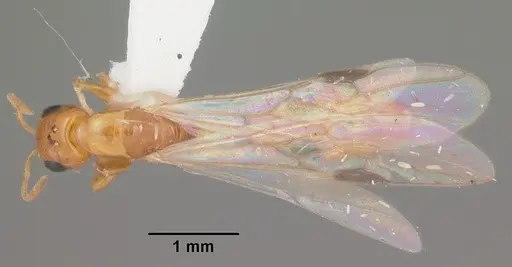
CASENT0104281
View on AntWeb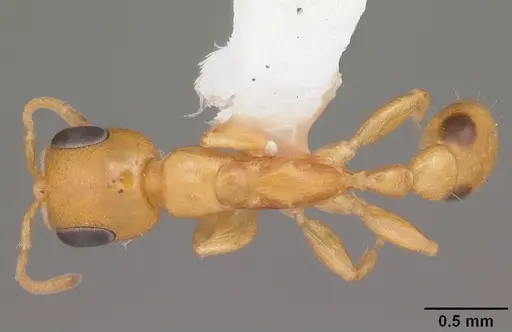
CASENT0173027
View on AntWeb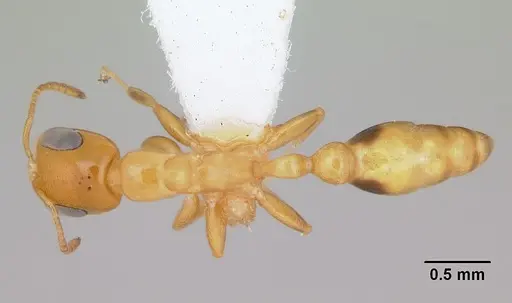
CASENT0173774
View on AntWeb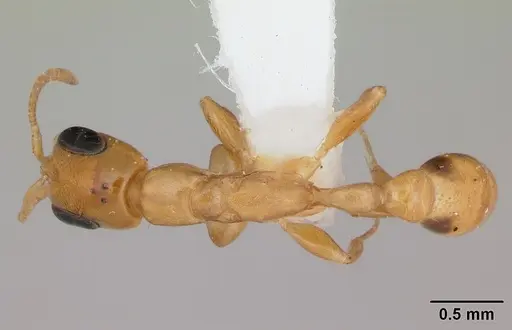
CASENT0173775
View on AntWeb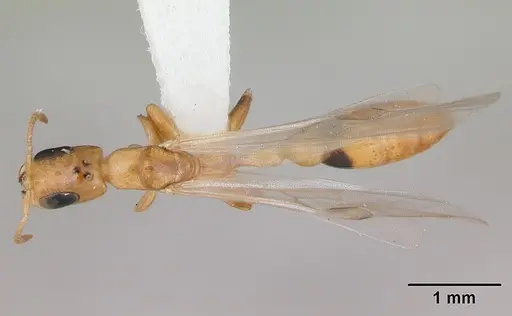
CASENT0173776
View on AntWeb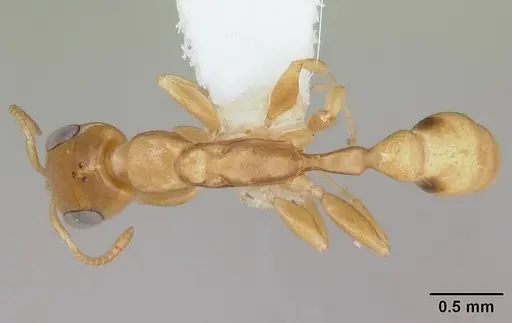
CASENT0246303
View on AntWeb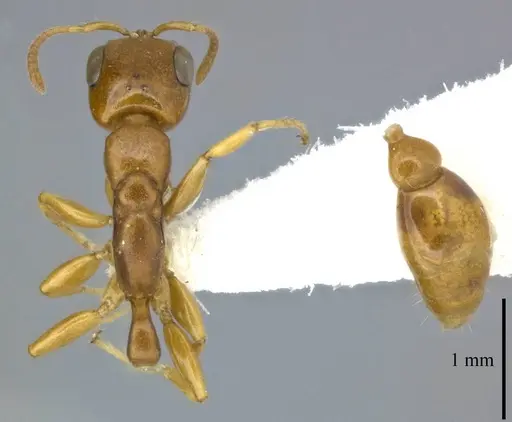
CASENT0246346
View on AntWeb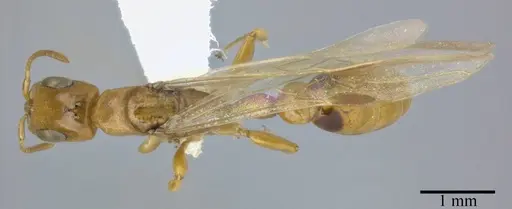
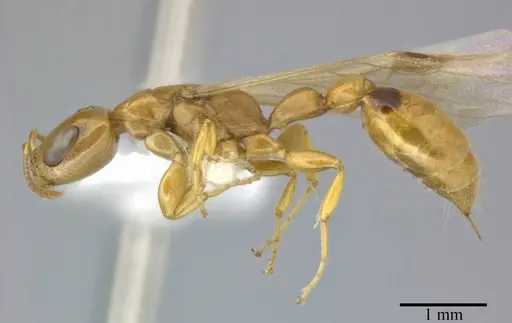
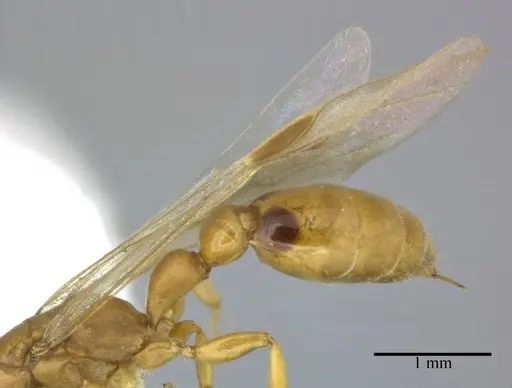
CASENT0902901
View on AntWeb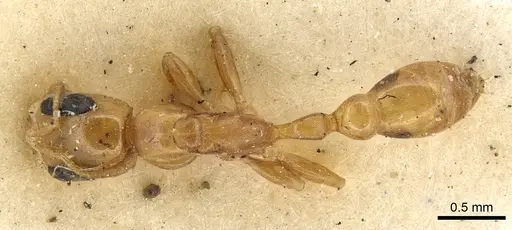
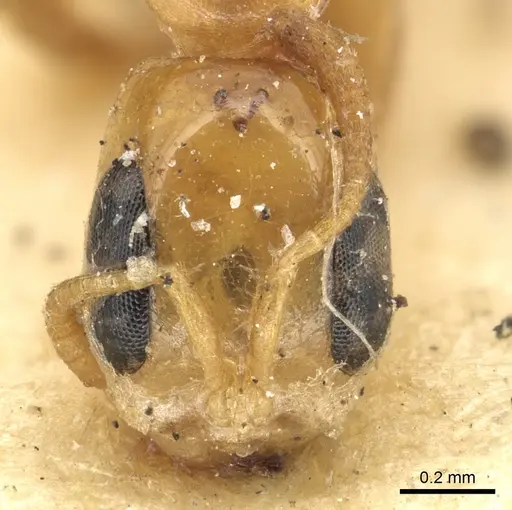
CASENT0902902
View on AntWeb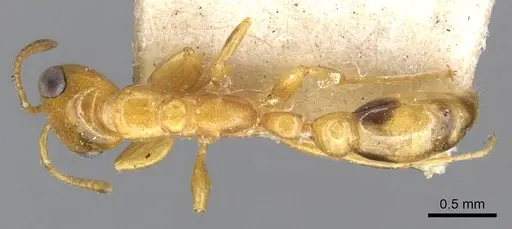
CASENT0907489
View on AntWeb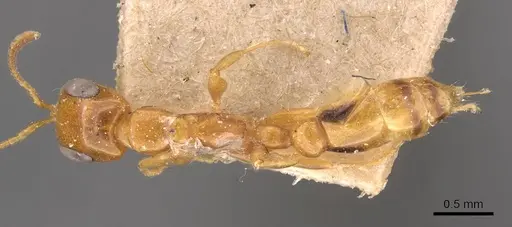
CASENT0907490
View on AntWeb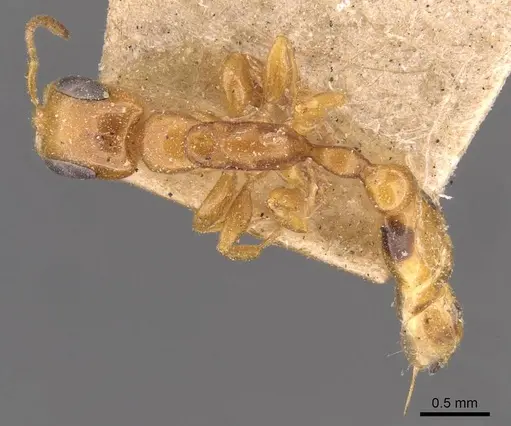
CASENT0907491
View on AntWeb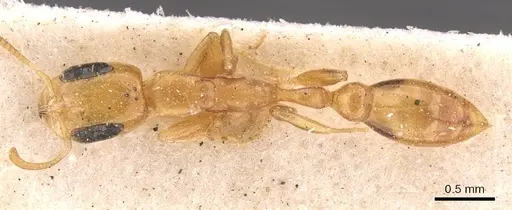
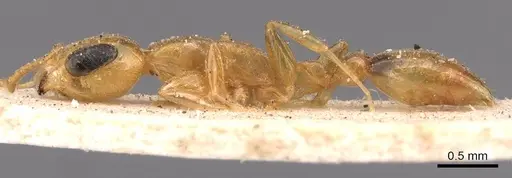
CASENT0907492
View on AntWeb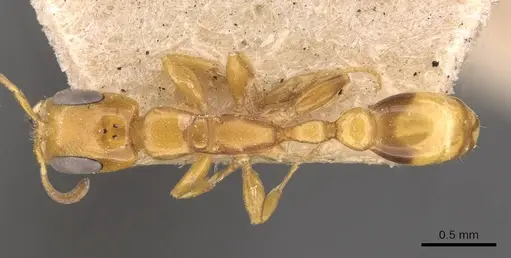
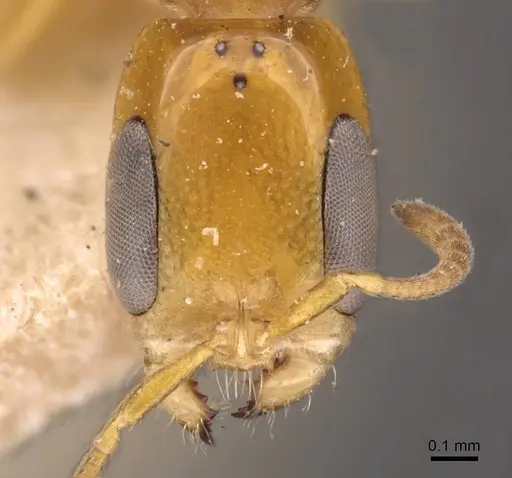
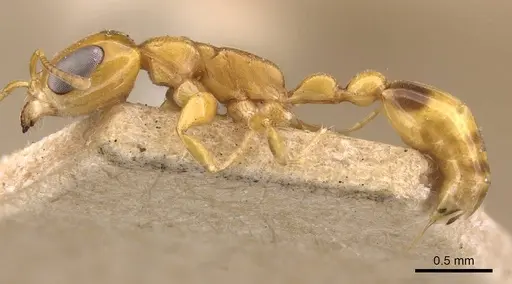
CBUMAGENT41807
View on AntWeb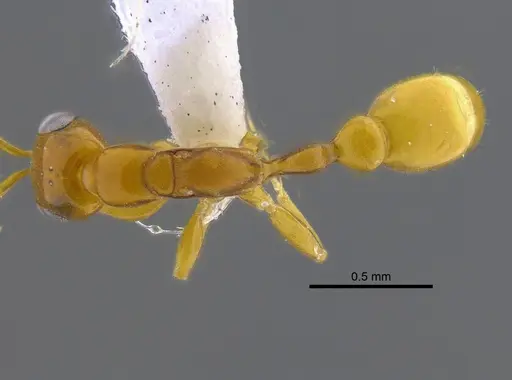
ECOFOG-TR17-0249-01
View on AntWeb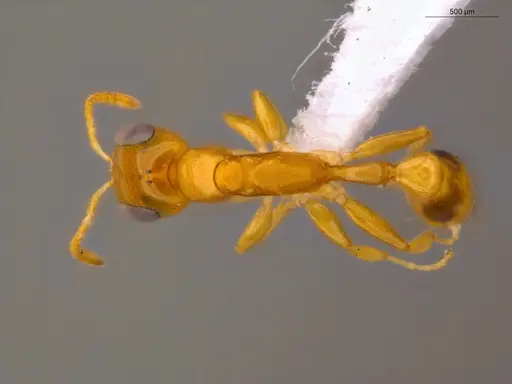
FMNHINS0000078520
View on AntWeb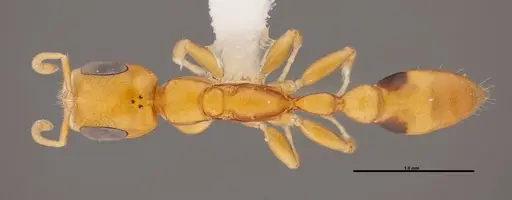
Literature
Loading distribution map...Loading products...