Pseudomyrmex gracilis shows an extended flight window from January through December, spanning 9 months. This longer season suggests multiple flight events or varying conditions across its range. Peak activity occurs in June. This extended season suggests multiple flight events or varying conditions across its range.
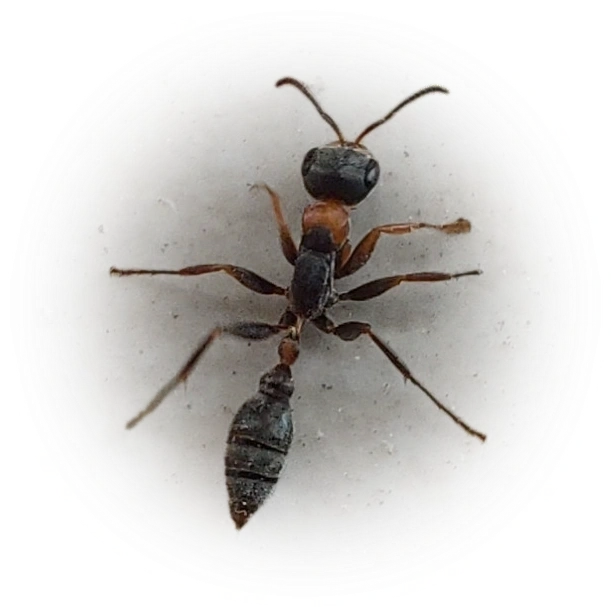
Graceful Twig Ant
Pseudomyrmex gracilis
- Sci. Name
- Pseudomyrmex gracilis
- Tribe
- Pseudomyrmecini
- Subfamily
- Pseudomyrmecinae
- Author
- Fabricius, 1804
- Common Name
- Graceful Twig Ant
- Distribution
- Found in 11 countries
- Nuptial Flight
- From January to December
- Peak flight Time
- 11:00
AI Identifiable
try →
Introduction
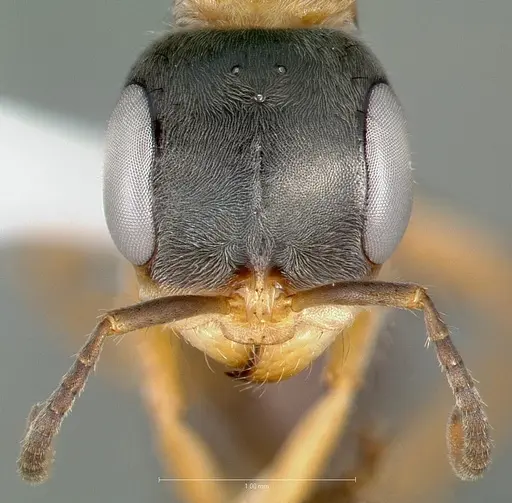
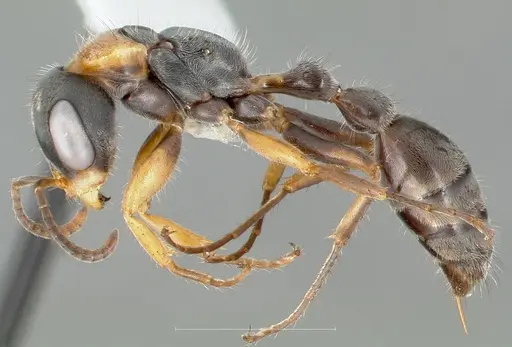
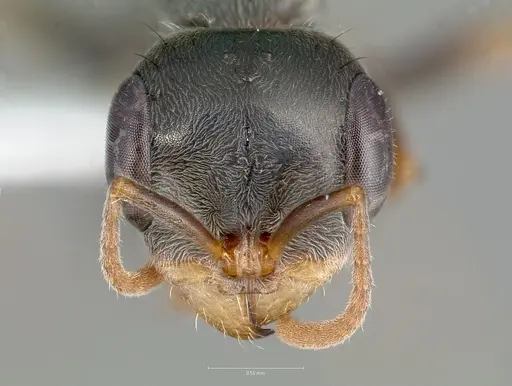
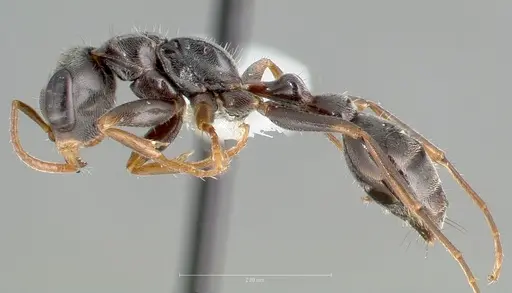
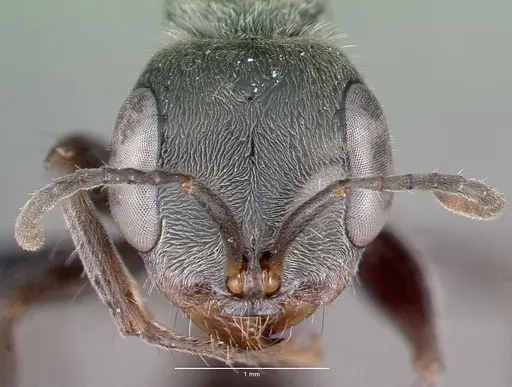
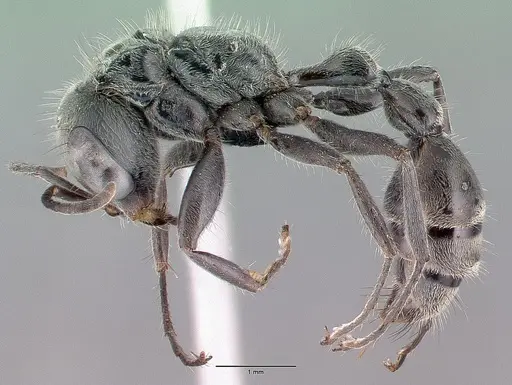
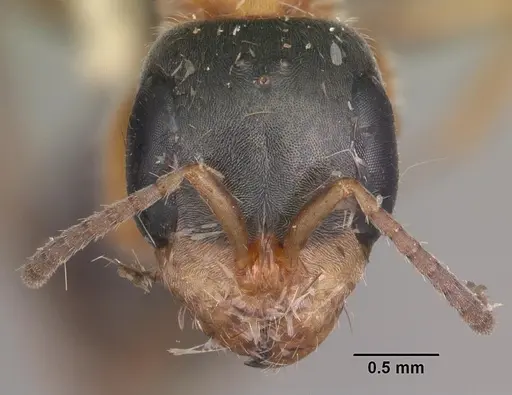
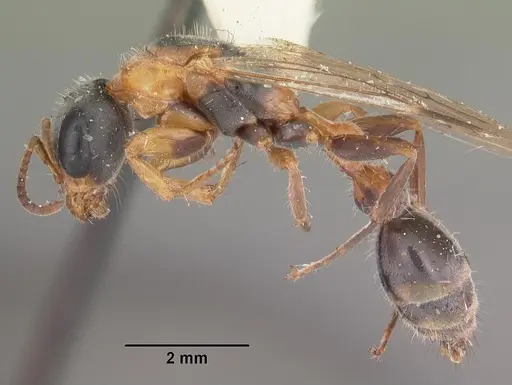
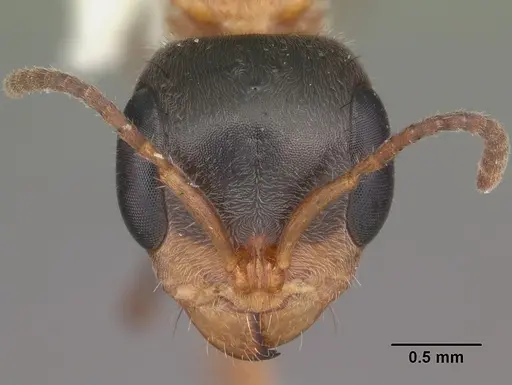
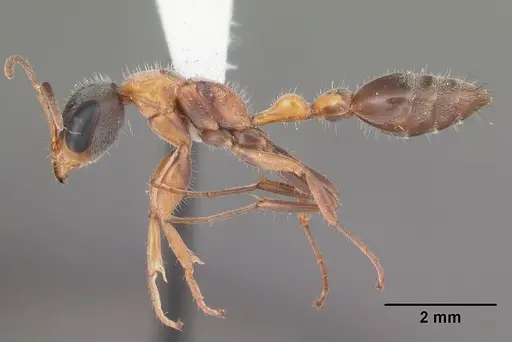
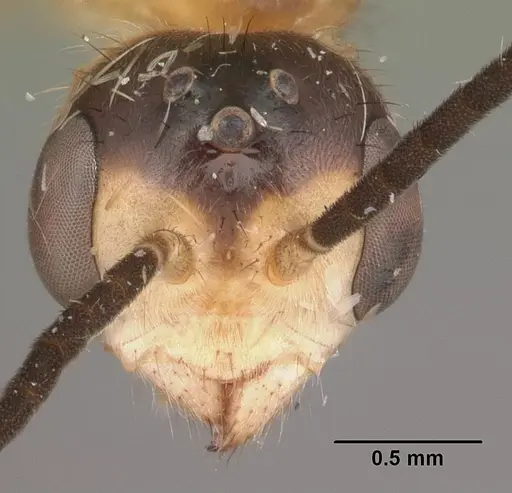
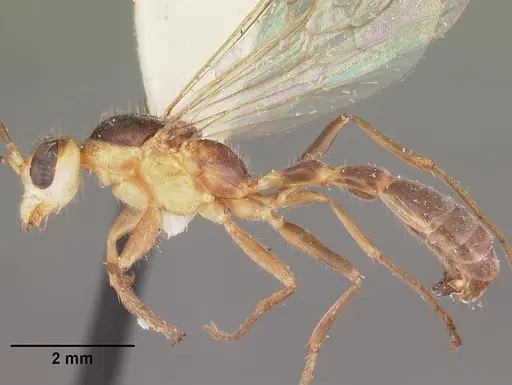
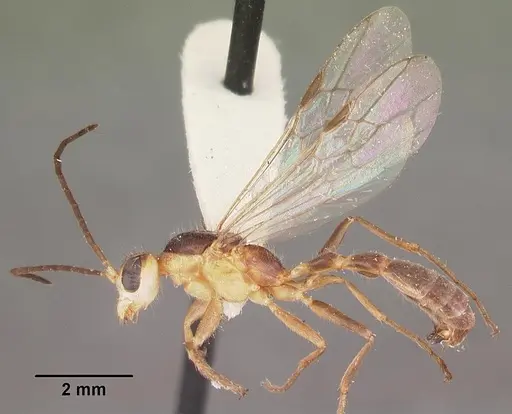
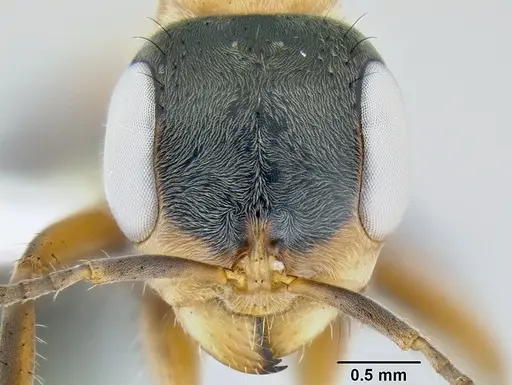
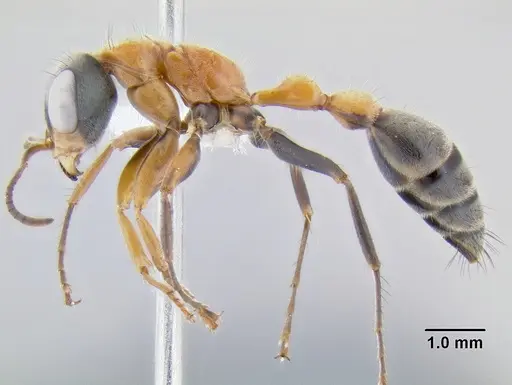
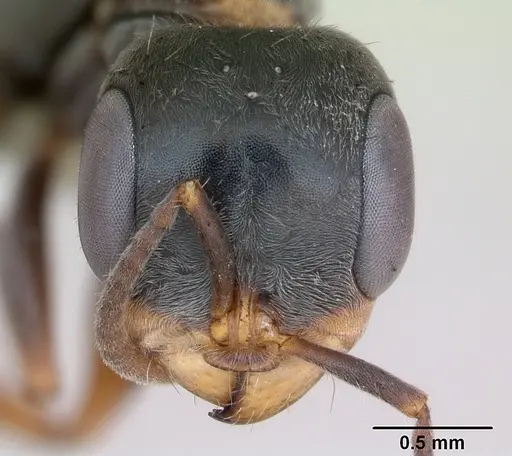
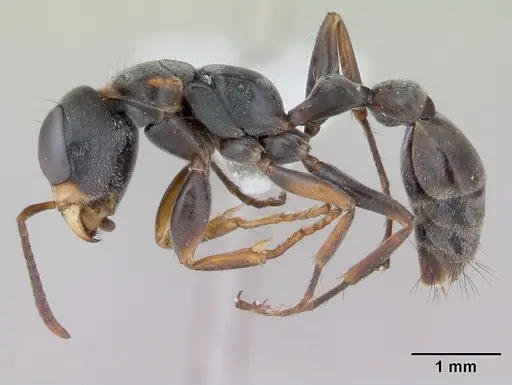
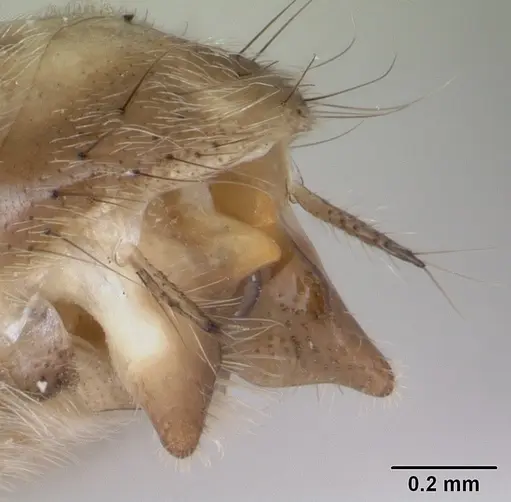
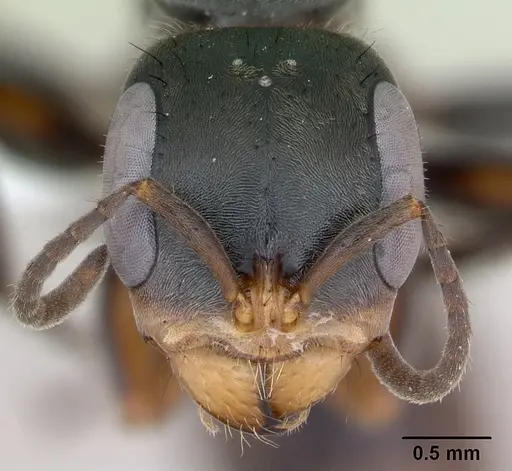
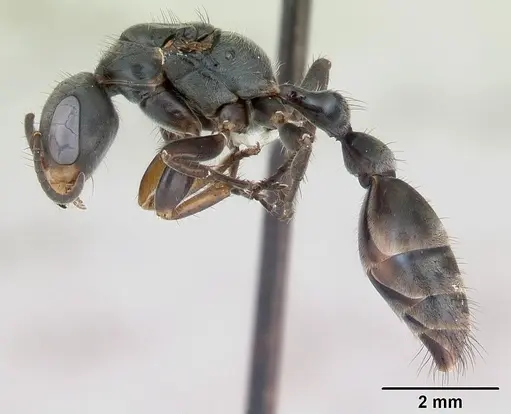
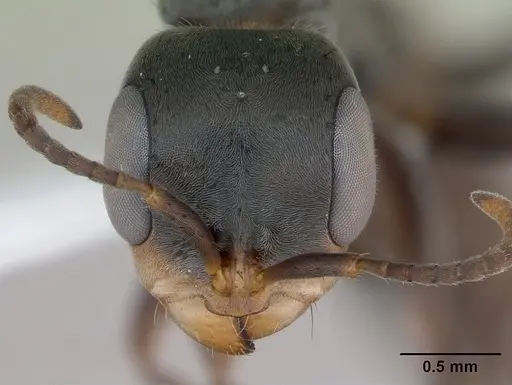
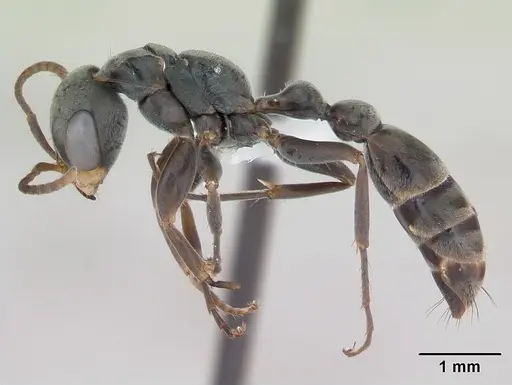
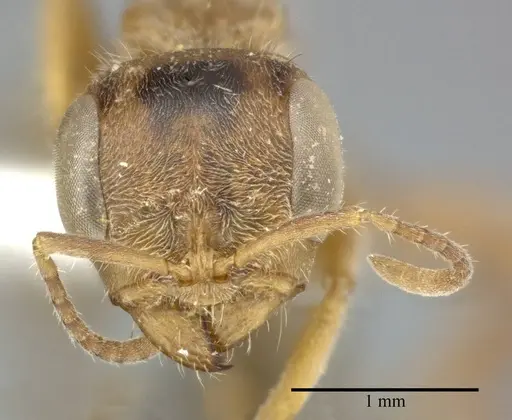
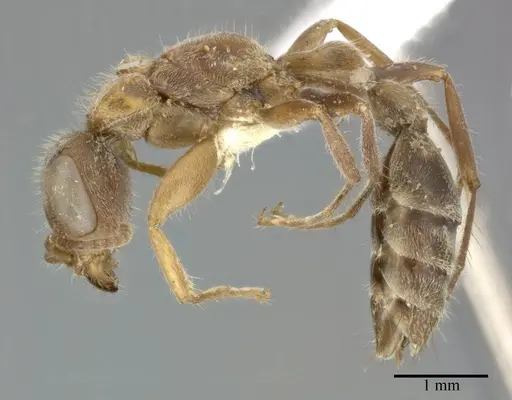
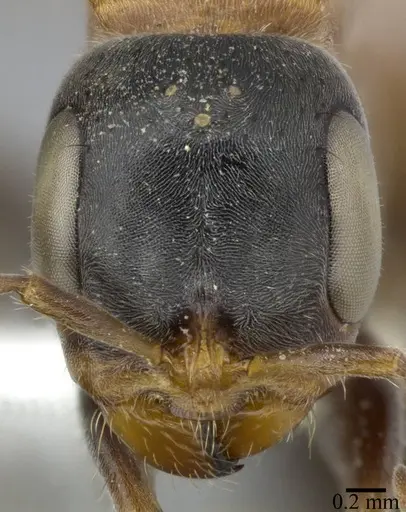
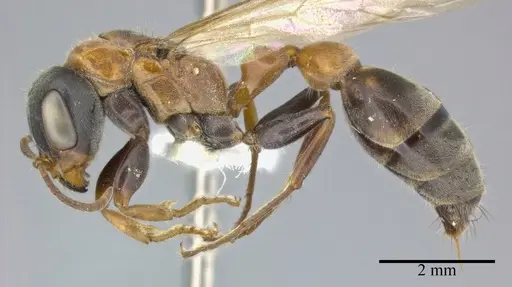
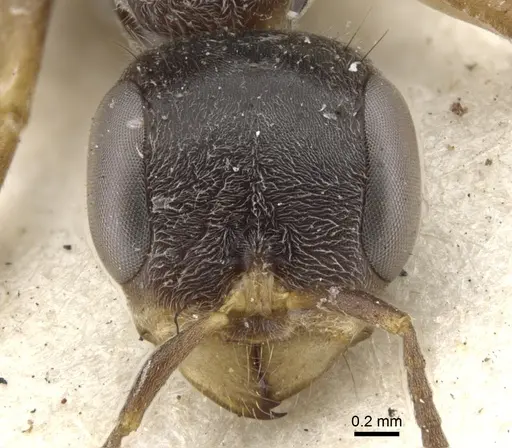
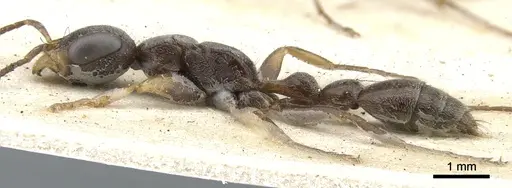
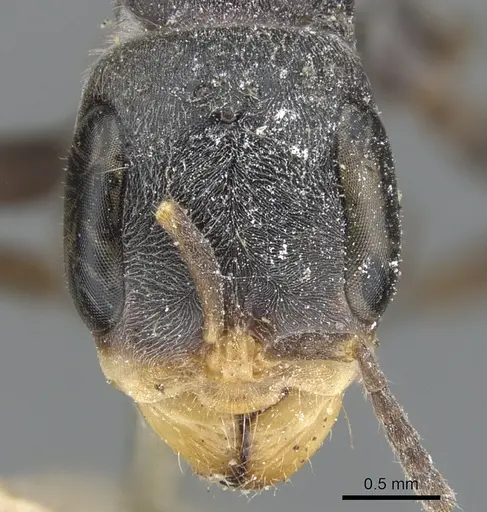
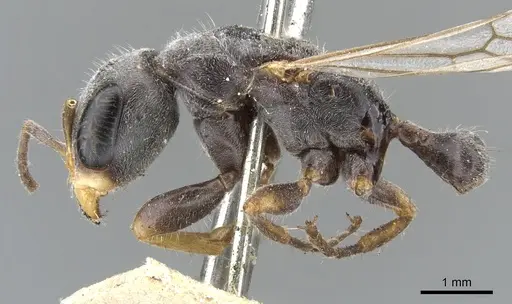
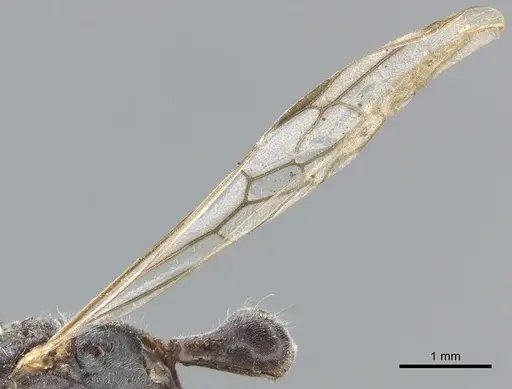
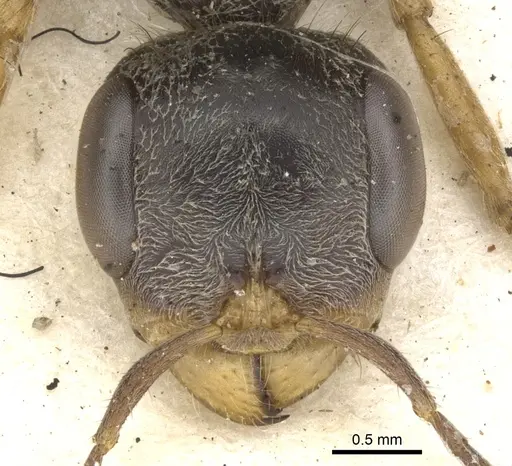
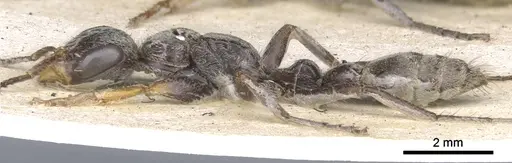
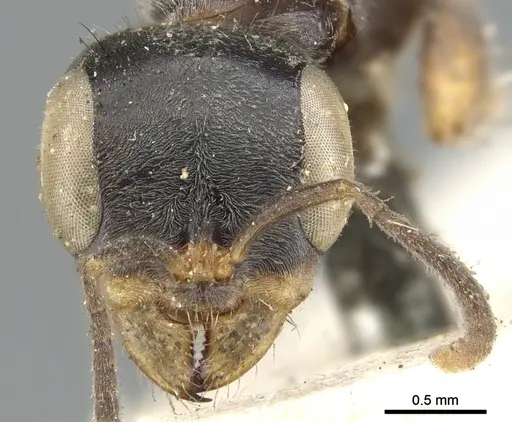
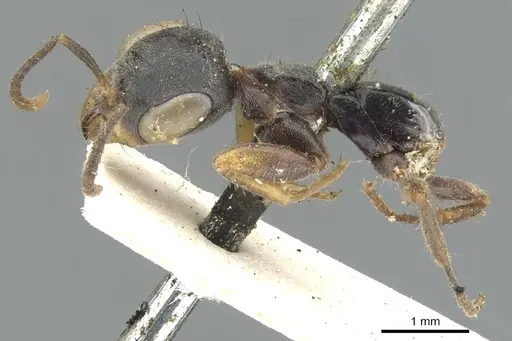
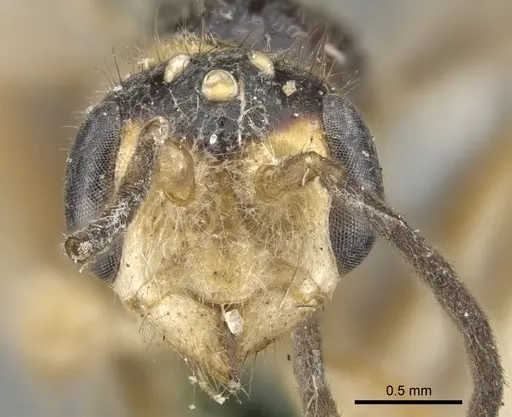
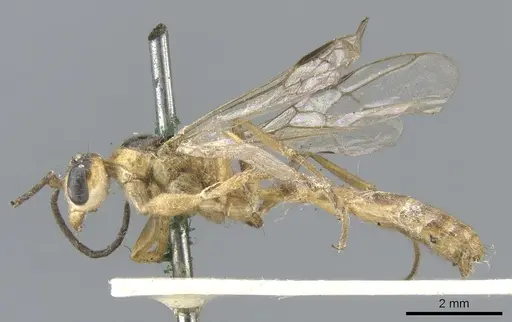
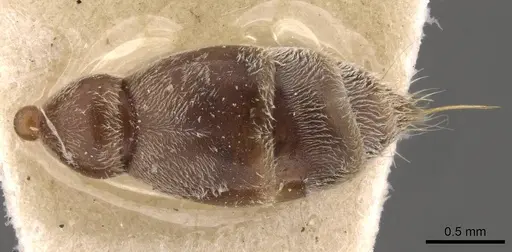
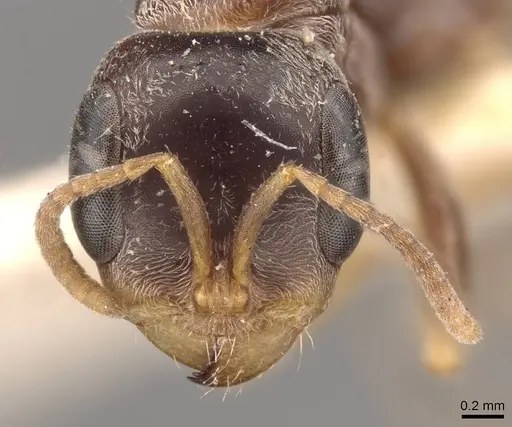
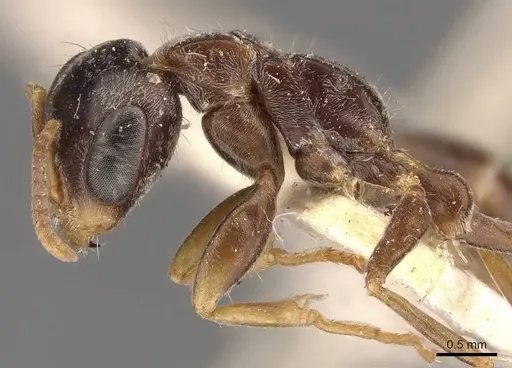
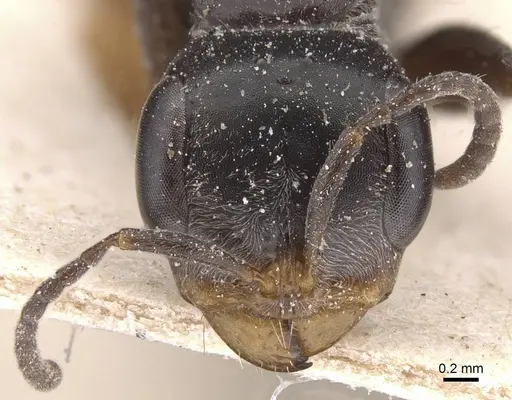
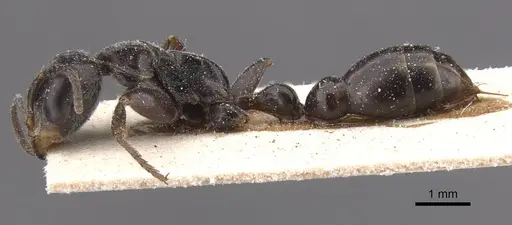
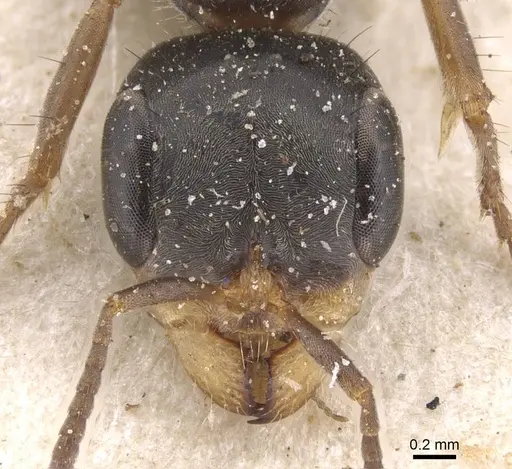
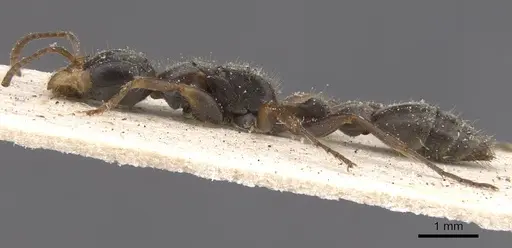
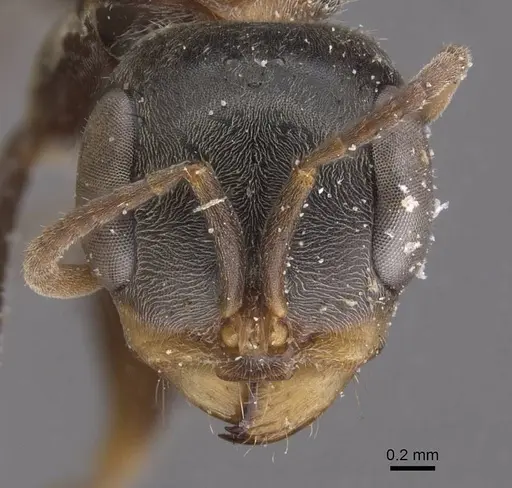
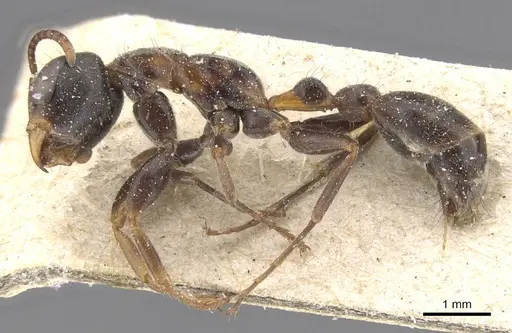
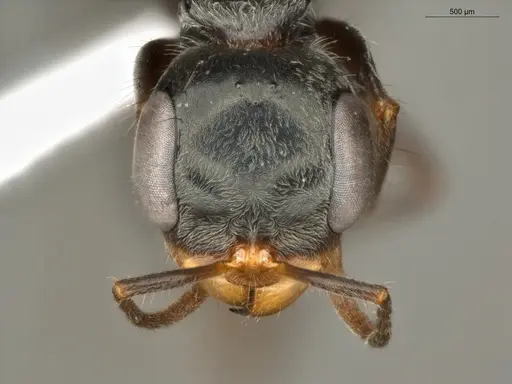
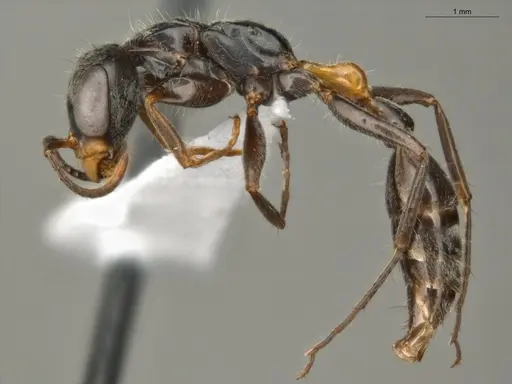
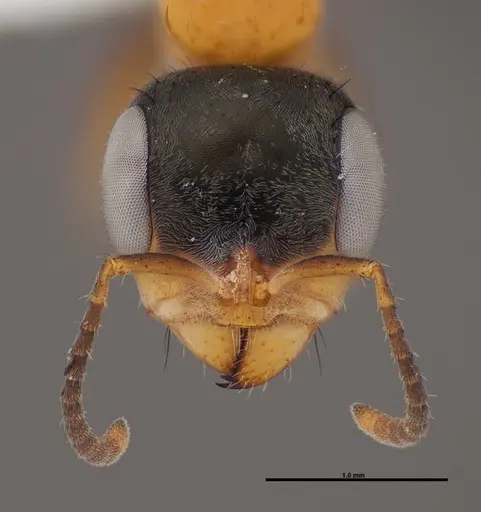
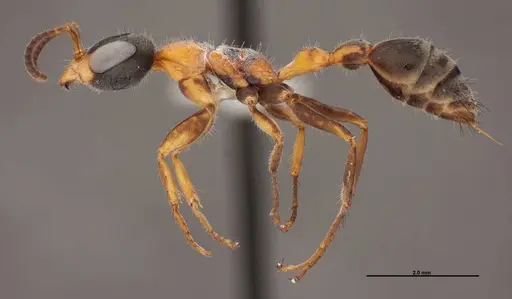
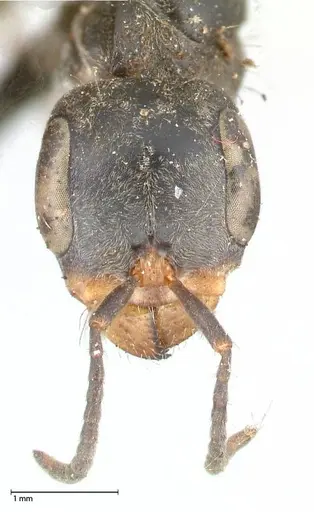
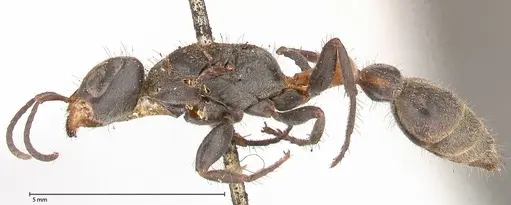
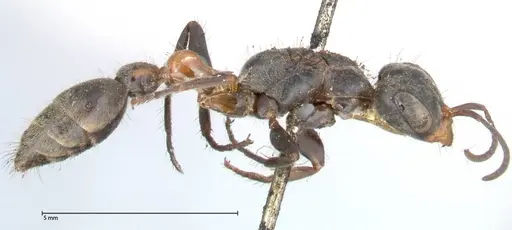
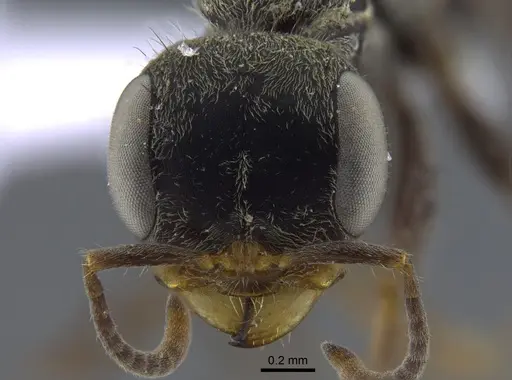
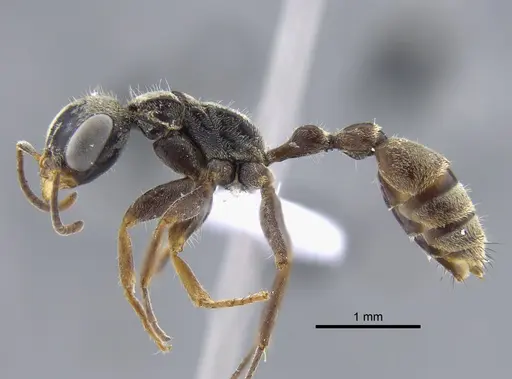
Pseudomyrmex gracilis is a large, slender arboreal ant native to the New World tropics and subtropics, from southern Uruguay and Argentina through Central America to southern Texas. Workers are about 8–10 mm long, with large oval eyes and excellent vision. They show extreme color variation, from all black to orange-brown with black gaster. They nest in dead twigs, hollow branches, and stems, and will occasionally occupy acacia thorns without defending the plant. They are generalist predators and also collect nectar. Colonies are polygynous (multiple queens) and polydomous (multiple nests across a tree crown). This species is considered a 'possible ecological villain' in Florida where it is introduced and spreading .
Quick Summary
- Difficulty: Expert
- Origin & Habitat: Native range spans from southern Uruguay and central Argentina through much of South and Central America to southern Texas. Introduced populations exist in Florida (first discovered in 1960,now widespread across 40 counties), Louisiana, Mississippi, and Hawaii. Found in diverse habitats including mangroves, thorn scrub, rainforest, and commonly in disturbed areas like old fields, roadsides, and secondary forest [2][3].
- Colony Type: Polygynous (multiple queens) and polydomous (multiple nests). Colonies can contain several queens distributed across a network of twig nests [4][5].
- Size & Growth:
- Queen: Size data unavailable. No total length measurements reported in literature.
- Worker: ~8–10 mm total length [1][6]
- Colony: Typically under 30 workers per nest, with entire colony network reaching up to 400+ workers across multiple nests [6][5]
- Growth: Moderate. Fast-growing, low-density colonies with high proportion of winged reproductives [7]
- Development: Estimated 6–8 weeks at 24–28°C based on related species (Development time not directly studied for this species)
- Antkeeping:
- Temperature: Keep at 24–28°C. Avoid prolonged exposure below 20°C [8]
- Humidity: Provide a moist nest substrate. Good ventilation required. The species tolerates a range of humidity levels naturally.
- Diapause: No diapause required.
- Nesting: Arboreal twig-nester. Use Y-tong (AAC), plaster, or soil nests with narrow chambers. Provide vertical climbing surfaces. They prefer tight spaces.
- Behavior: Workers are not aggressive but will sting if handled roughly or trapped against skin. They are solitary foragers with excellent vision. When threatened, they often drop to the ground. They will defend the colony with a painful sting [2][9][10].
- Common Issues: painful sting – use caution during maintenance., escape risk – ants are quick and can fit through small gaps, secure all openings., temperature sensitivity – must be kept warm year-round., invasive species – do not release, established in Florida, Hawaii, and other regions.
Nuptial Flight Activity Analysis 1388 observations
Flight Activity by Hour 1388 observations
Pseudomyrmex gracilis nuptial flight activity peaks around 11:00 during the late morning to early afternoon. Activity is spread across a 13-hour window (07:00–19:00). A secondary activity peak occurs around 13:00. Times may be influenced by human observation patterns.
Housing and Nest Setup
Pseudomyrmex gracilis is an arboreal species that naturally nests in dead twigs, hollow branches, and stems [2]. In captivity, use Y-tong (AAC), plaster, or soil nests with narrow chambers that mimic twig interiors. Avoid large open spaces. Provide vertical climbing structures like twigs or bark. They accept artificial nests made of 3D-printed materials. Since colonies are polydomous, consider providing multiple connected nest modules [5]. Use fluon or PTFE barriers on tubing to prevent escapes. They have excellent vision and can escape quickly if not secured [2].
Feeding and Diet
Workers are generalist predators that hunt small arthropods [11]. They also collect honeydew from hemipterans and visit extrafloral nectaries [2][12]. In captivity, offer live prey such as fruit flies, small crickets, or mealworms weekly. Provide constant access to sugar water or honey water. Remove uneaten prey after 24 hours to prevent mold. Larvae require protein for development.
Temperature and Seasonality
As a tropical species, Pseudomyrmex gracilis requires warm temperatures year-round. Keep the nest at 24–28°C. They cannot tolerate freezing, their natural range is limited to areas where average minimum temperatures exceed 25°F [8]. No diapause is necessary. In cooler climates, use a heating cable. Maintain stable conditions.
Behavior and Defense
Workers are not aggressive but will sting if trapped against skin or when defending the colony [2]. The sting is painful, with a Schmidt pain rating of 1 and an LD50 of 12 mg/kg [9]. Workers forage solitarily and have excellent vision – they can detect threats from over 15 cm away [10]. They often drop to the ground to escape predators. They are territorial and will attack other ants that enter their nest tree. A worker may guard the nest entrance [10].
Colony Structure and Reproduction
Colonies are polygynous (multiple queens) and polydomous (multiple nests). About 7% of field nests contain more than one queen [4]. Individual nests typically hold one queen and 8–44 workers [6]. The entire colony network can span 5–30 twig nests with 82–411 workers total [5]. Queens are larger than workers, but precise body length is not reported. Worker reproduction does not occur in queenright colonies [4].
Invasive Species Warning
WARNING: Pseudomyrmex gracilis is an invasive species in the southern United States (Florida, Louisiana, Mississippi, Hawaii) and the Caribbean [2]. It was first discovered in Florida in 1960 and now occurs in 40 counties. It is also established in Hawaii, Louisiana, and Mississippi [1][2]. This species is NOT recommended for antkeepers in areas where it is not native. Extreme precautions must be taken to prevent escape. Never release a colony into the wild. If you can no longer keep your colony, contact an exotic pet rescue or use as feeder insects for reptiles.
Frequently Asked Questions
Does Pseudomyrmex gracilis sting?
Yes, they have a painful sting. Workers are not aggressive but will sting if trapped against skin or when defending the nest. The sting is rated 1 on the Schmidt pain scale and has been described as painful burning [9][2].
How long does it take for first workers to appear?
Exact development time has not been studied for this species. Based on related tropical Pseudomyrmex, expect first nanitic workers approximately 6–8 weeks after egg laying at optimal temperatures (24–28°C).
Can I keep multiple queens together?
Yes, this species is naturally polygynous. In the wild, multiple queens may be found in the same colony network. In captivity, it is best to introduce queens during founding or allow them to associate naturally, as unrelated queens may be aggressive toward each other later [4].
What do Pseudomyrmex gracilis eat?
They are generalist predators that hunt small insects and also collect nectar and honeydew. Offer live prey such as fruit flies, small crickets, and mealworms, as well as sugar water or honey water [11][12].
Are Pseudomyrmex gracilis good for beginners?
No, they are rated as Expert difficulty primarily because they are an invasive species. They also have a painful sting and are excellent escape artists. They require consistent warm temperatures. Not recommended for beginners [1][2].
Do they need hibernation?
No, they do not require hibernation. As a tropical species, they remain active year-round if kept warm. A slight winter temperature drop is optional but not necessary.
Why are my ants dying?
Most common causes: temperatures dropping below 20°C (they are tropical), poor humidity (too dry or too wet), escape, or stress from handling. Ensure stable warmth and a properly sealed setup [8].
When is the nuptial flight of Pseudomyrmex gracilis?
The nuptial flight of Pseudomyrmex gracilis typically occurs From January to December.
What time of day does Pseudomyrmex gracilis fly?
The nuptial flight of Pseudomyrmex gracilis peaks around 11:00 during the late morning to early afternoon, with most activity between 07:00 and 19:00. Times may be influenced by human observation patterns.
Report an Issue
The current care sheet is based fully on literature. See inconsistencies, or something that's incorrect? Please , it will be resolved after review from an admin. Contributing to the blogs tab also helps providing information, to make us be able to further improve the caresheets. Thank you for your support!
References

This caresheet is licensed under CC BY-SA 4.0 .
Community Blogs
ANTWEB1008586
View on AntWeb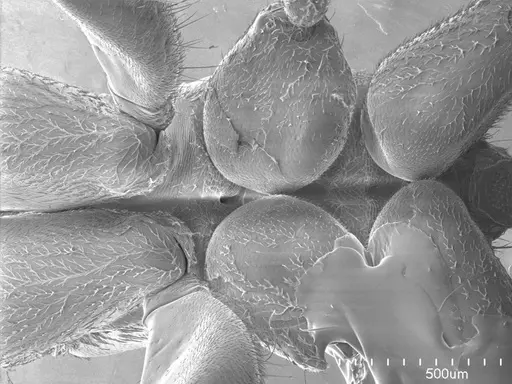
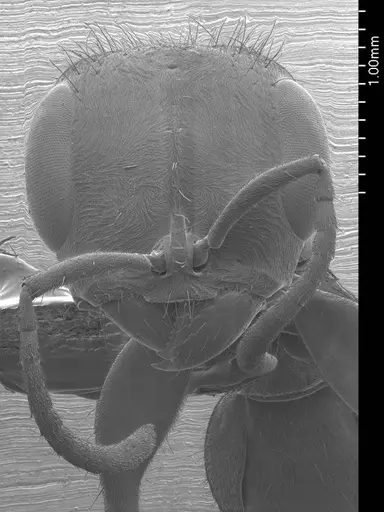
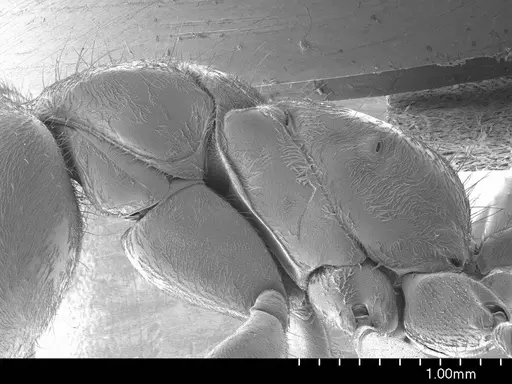
CASENT0005838
View on AntWeb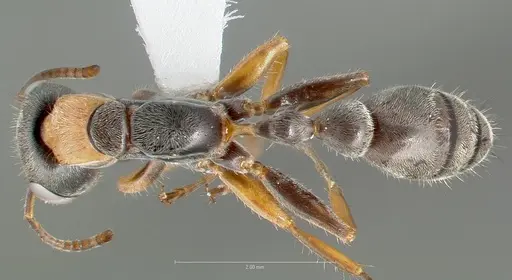
CASENT0005859
View on AntWeb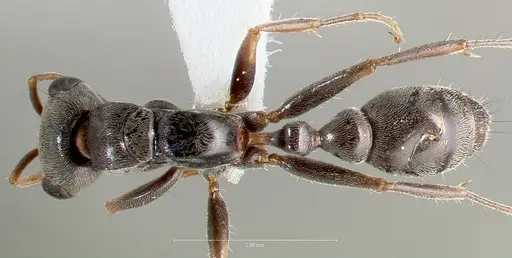
CASENT0040137
View on AntWeb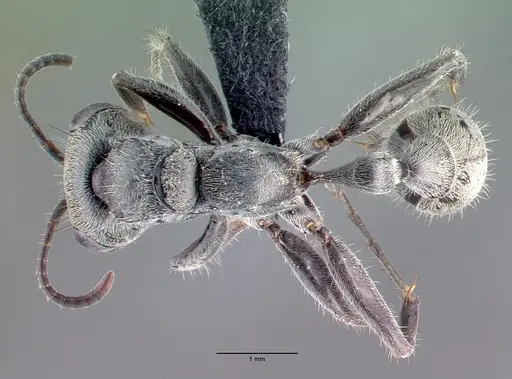
CASENT0103779
View on AntWeb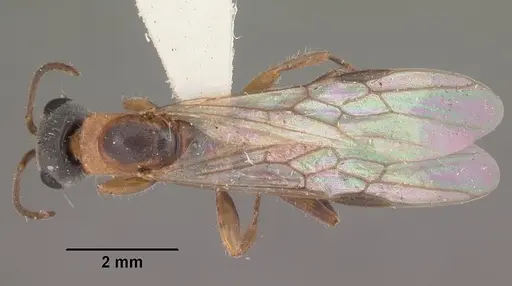
CASENT0103874
View on AntWeb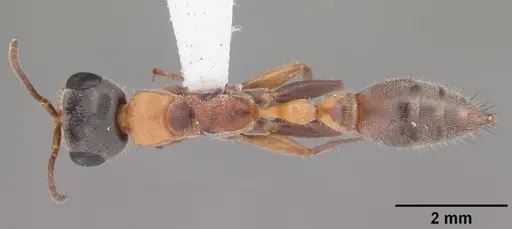
CASENT0104250
View on AntWeb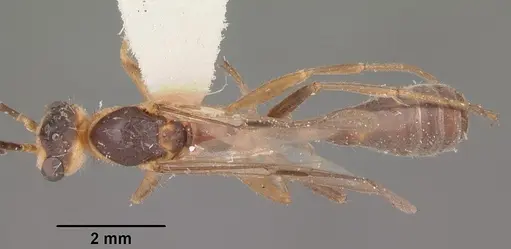
CASENT0106097
View on AntWeb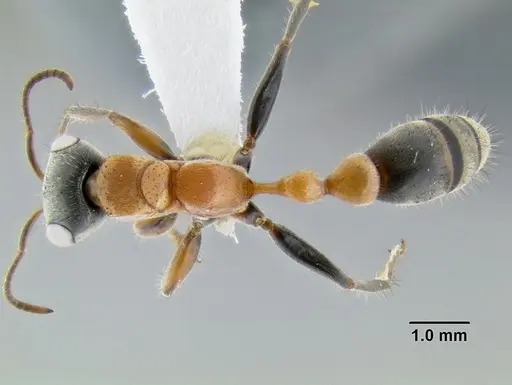
CASENT0173760
View on AntWeb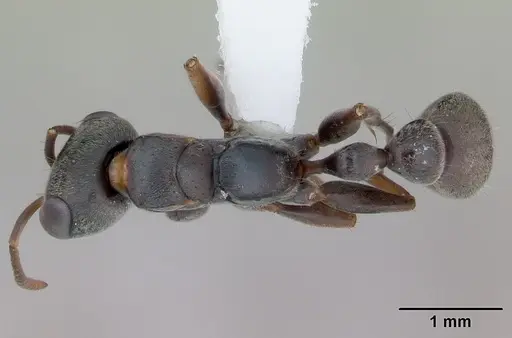
CASENT0173761
View on AntWeb
CASENT0173762
View on AntWeb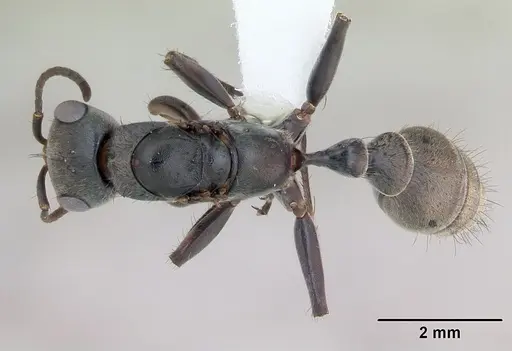
CASENT0173763
View on AntWeb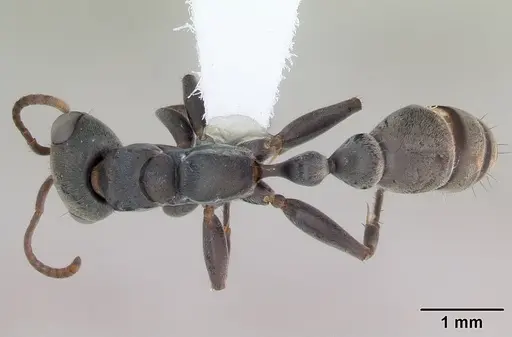
CASENT0246302
View on AntWeb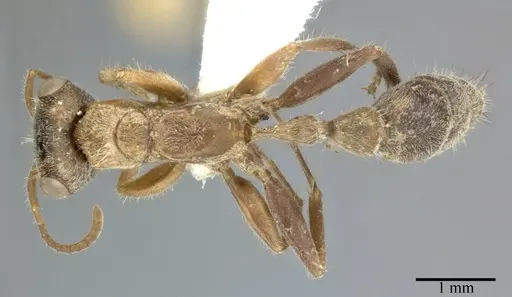
CASENT0246308
View on AntWeb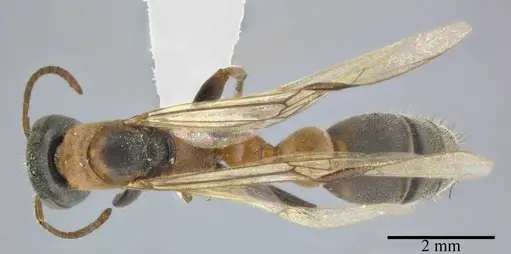
CASENT0902842
View on AntWeb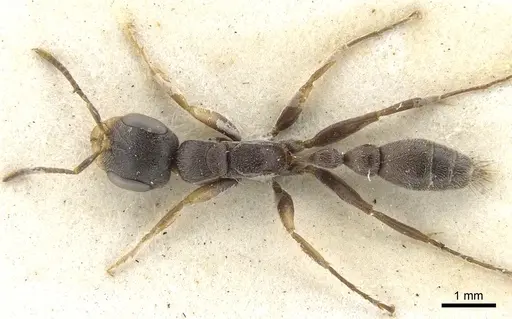
CASENT0902843
View on AntWeb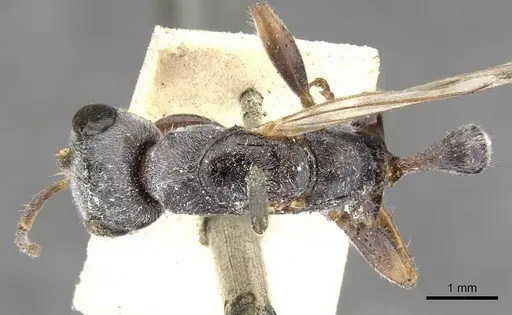
CASENT0902844
View on AntWeb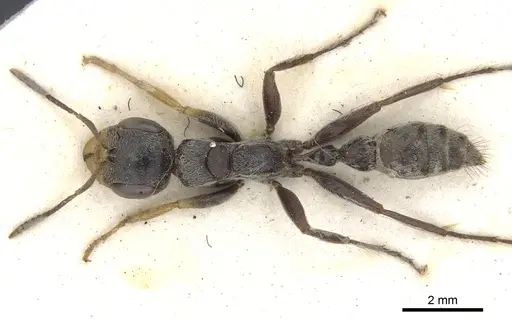
CASENT0902845
View on AntWeb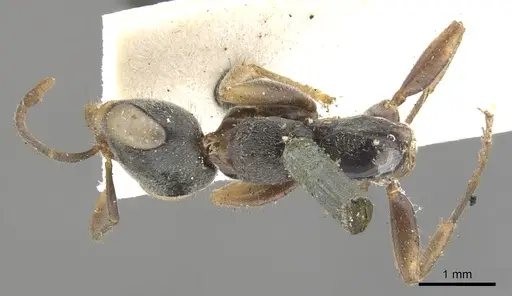
CASENT0902846
View on AntWeb
CASENT0907478
View on AntWeb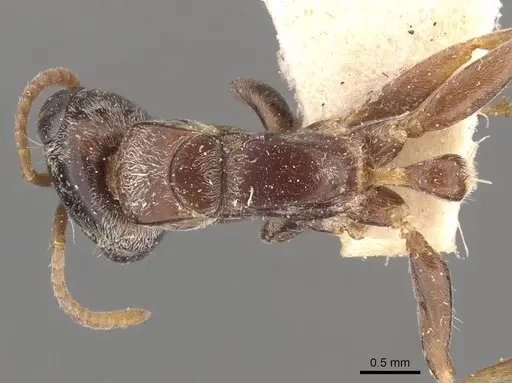
CASENT0915507
View on AntWeb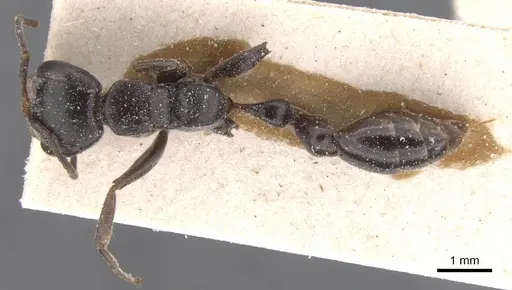
CASENT0915508
View on AntWeb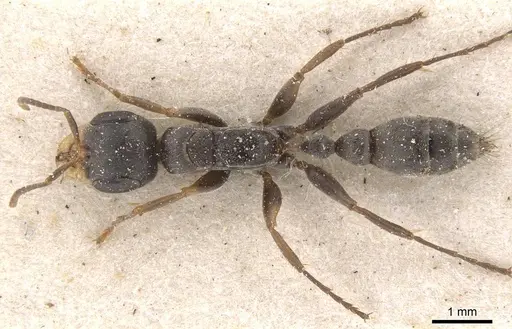
CASENT0915509
View on AntWeb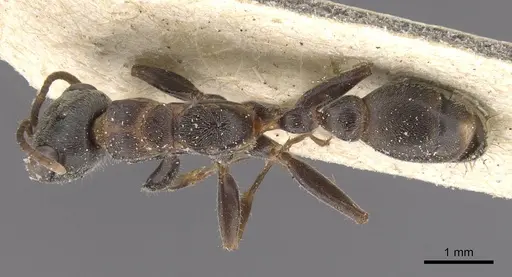
ECOFOG-TR17-0308-02
View on AntWeb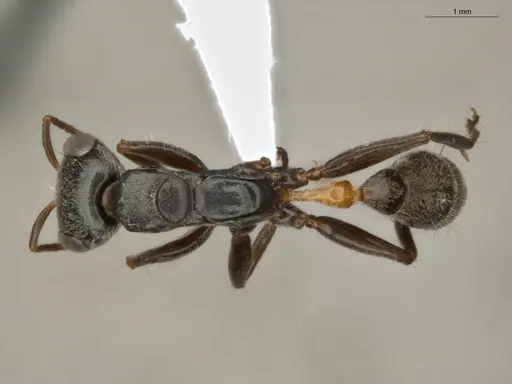
FMNHINS0000078508
View on AntWeb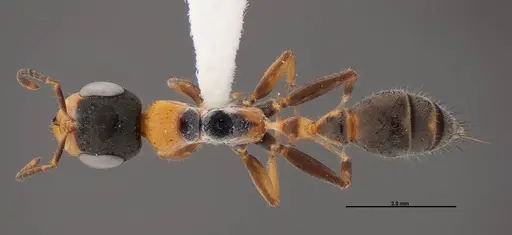
FOCOL0524
View on AntWeb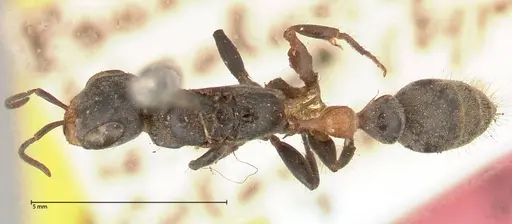
IAVH-E-262143
View on AntWeb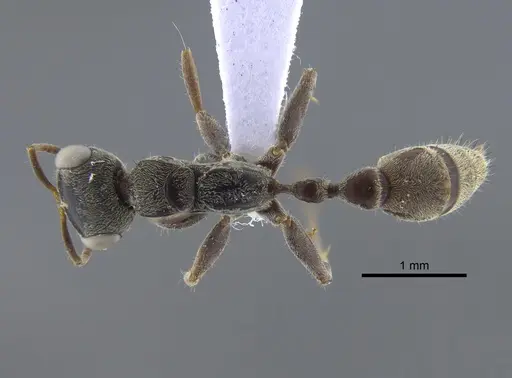
Literature
Loading distribution map...Loading products...