
Pine Woods Crazy Ant
Nylanderia wojciki
- Sci. Name
- Nylanderia wojciki
- Tribe
- Lasiini
- Subfamily
- Formicinae
- Author
- Trager, 1984
- Common Name
- Pine Woods Crazy Ant
- Distribution
- Found in 1 countries
Introduction
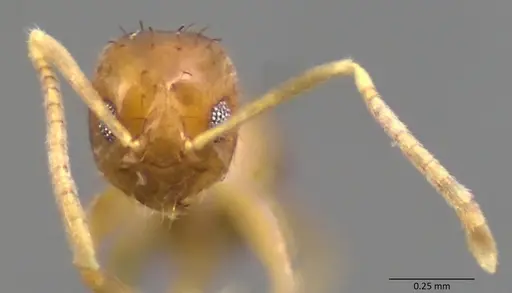
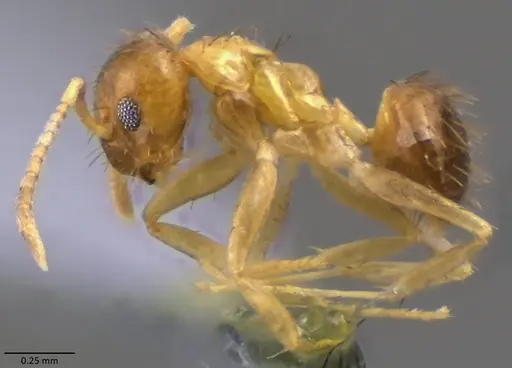
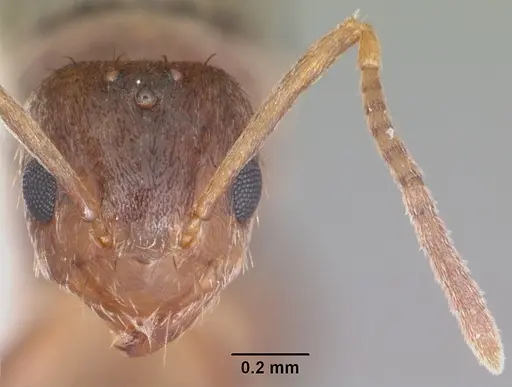
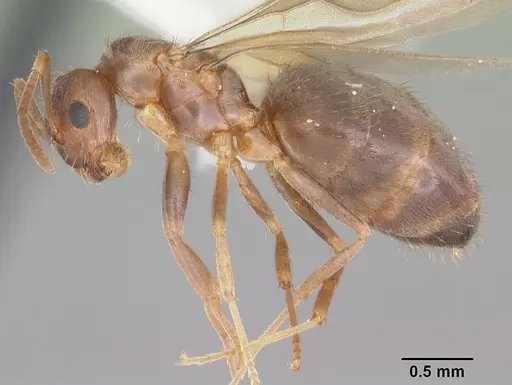
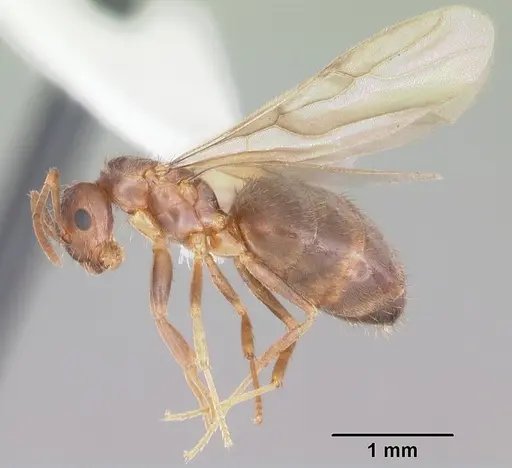
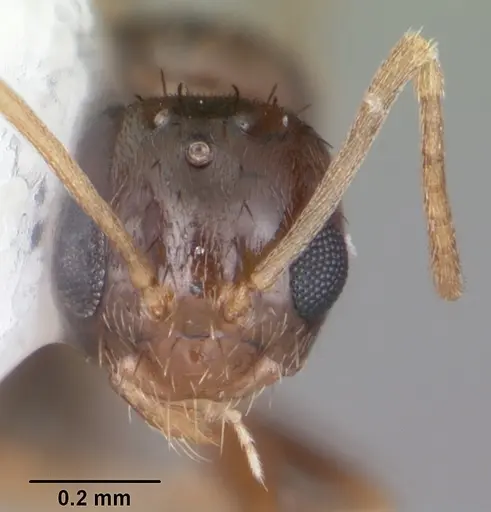
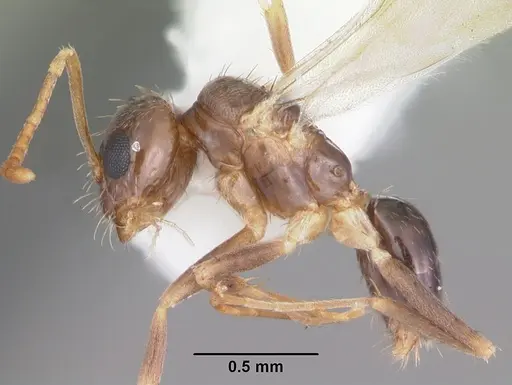
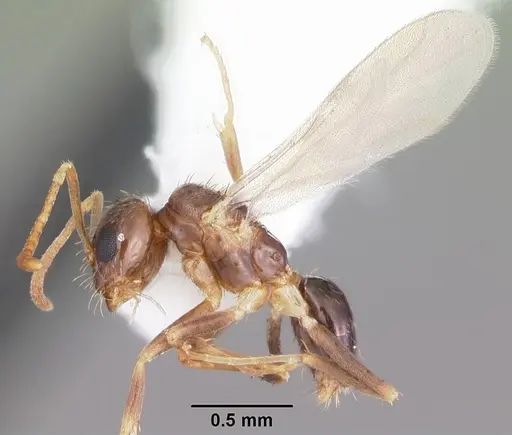
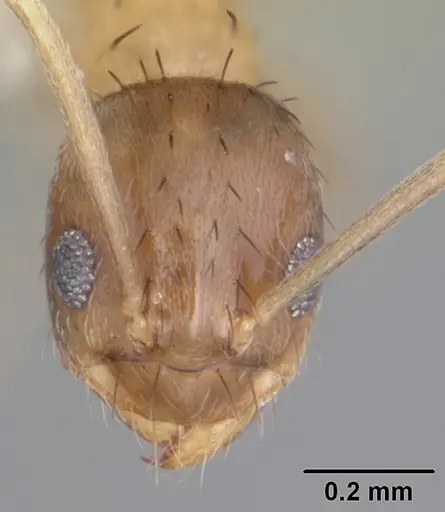
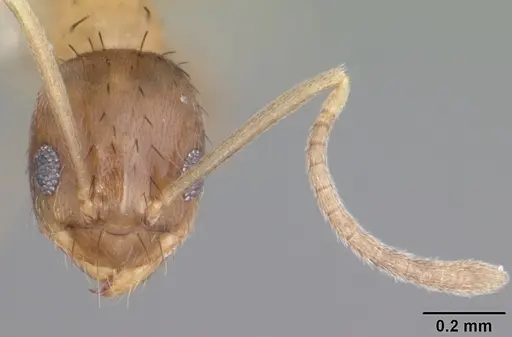
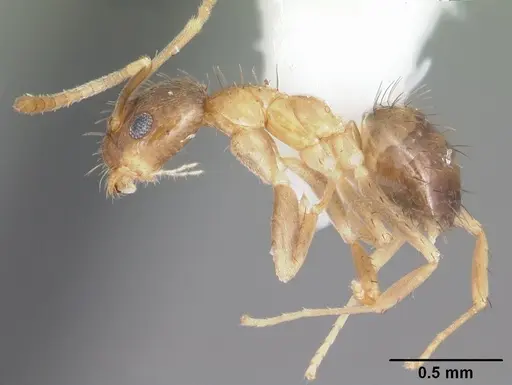
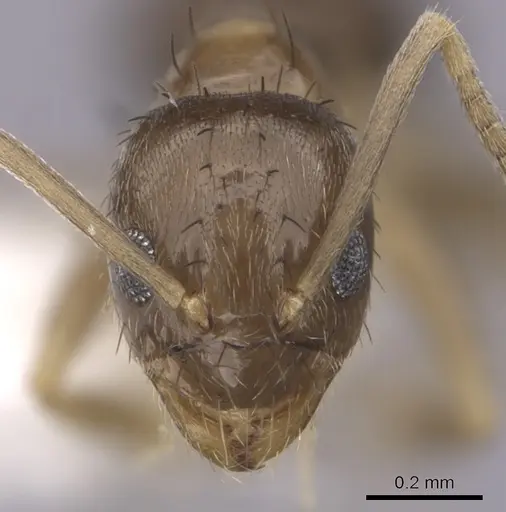
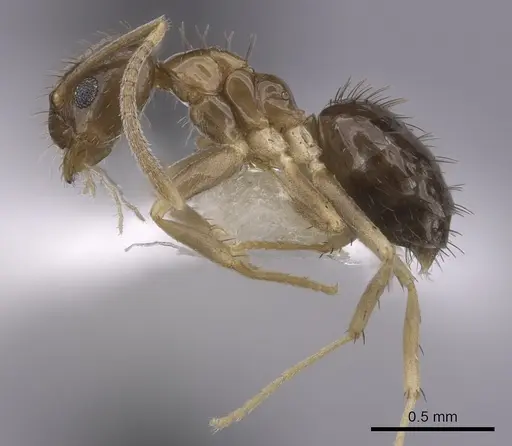
Nylanderia wojciki is a tiny ant species native to the southeastern United States. Workers measure 1.59-2.18 mm in total length, making them one of the smaller ant species . They have a bicolored appearance - brown body with darker head and gaster, while legs, scapes, and mandibles are yellowish-brown . The most identifying feature is pale whitish mesocoxae and metacoxae, combined with dense head pubescence . Queens are larger at 3.49-3.78 mm and similarly bicolored . This species nests in sandy soil and leaf litter in pine flatwoods and scrub habitats, and is known to remove seeds, making them part of the seed-dispersing ant community . Reproductives fly in early spring, and an undescribed socially parasitic Nylanderia species is known to parasitize N. wojciki populations in Florida .
Quick Summary
- Difficulty: Easy
- Origin & Habitat: Southeastern United States, including Florida, Alabama, Georgia, South Carolina, and North Carolina. They inhabit sandy soil and leaf litter in flatwoods dominated by pine and palm, as well as grass tussocks in scrub habitats [1][3][4].
- Colony Type: Monogyne (single queen) colonies, typically with under 300 workers [5]. Nests often consist of multiple shallow chambers spread across 1-2 square meters in summer months [5].
- Size & Growth:
- Antkeeping:
- Temperature: Keep at room temperature, roughly 20-26°C. They occur in warm southeastern climates [1].
- Humidity: Keep nest substrate slightly moist but not waterlogged, based on their habitat in sandy soil and leaf litter [1].
- Diapause: Unknown. Based on southern distribution, diapause is unlikely, but monitor colony activity [1].
- Nesting: Prefers naturalistic setups with sandy soil or leaf litter. Y-tong or plaster nests with moisture retention work well, reflecting their diffuse nesting behavior [1][5].
- Behavior: These are small, active ants that forage for seeds and small insects. They are not aggressive and rarely sting due to their tiny size [1]. Workers are opportunistic foragers and excellent climbers, so escape prevention is critical [2][6].
- Common Issues: tiny size means escapes are likely without fine mesh barriers, small colony size means slower population growth, avoid overfeeding, they may be outcompeted by larger ant species if housed in shared spaces, wild-caught colonies may carry parasites from the undescribed parasitic Nylanderia species [1], diffuse nesting behavior means they need space to spread out in summer [5]
Housing and Nest Setup
Nylanderia wojciki needs appropriately scaled housing due to its tiny size. A small test tube setup works well for founding colonies, but move to a more spacious formicarium as the colony grows. Because they naturally nest in diffuse, shallow chambers in leaf litter and sandy soil, a naturalistic setup with soil substrate is best [5]. Y-tong or plaster nests with moisture retention are ideal, keep substrate slightly moist but not saturated [1]. Ensure excellent escape prevention by using fine mesh on ventilation holes and checking seams regularly [1].
Feeding and Diet
In the wild, N. wojciki removes seeds, making them part of the seed-dispersing ant community [2]. They also forage for small insects and honeydew. In captivity, offer varied diet including small live prey like fruit flies or springtails, plus sugar sources like honey or sugar water [2]. Protein is essential for brood development, offer small insects several times per week. Remove uneaten prey after 24-48 hours to prevent mold.
Temperature and Seasonal Care
As a southeastern US species, N. wojciki prefers warm conditions. Room temperature (20-26°C) is suitable, with a slight warm bias beneficial for growth [1]. They likely do not require true hibernation, but activity may reduce in cooler months, monitor and adjust feeding accordingly.
Colony Development
This species produces small colonies up to 300 workers [5]. Growth rate is moderate under good conditions. Queens measure 3.49-3.78 mm while workers are 1.59-2.18 mm [1]. Development from egg to worker is estimated at 6-8 weeks based on typical Nylanderia patterns. Colonies remain small compared to other species, patience is key.
Behavior and Temperament
N. wojciki is calm and non-aggressive. Workers are active foragers that quickly recruit to food sources [1]. They are excellent climbers and may explore vertical surfaces. The colony is typically monogyne with multiple shallow chambers in summer [5]. This diffuse nesting behavior should be accommodated in housing setup.
Identification and Similar Species
N. wojciki can be confused with Nylanderia faisonensis or Nylanderia vividula [1]. Distinguish by: usually smaller total length, bicolored body, and lower scape macrosetae count (0-4) compared to N. faisonensis, more ovate head, dense cephalic pubescence, and fewer scape macrosetae compared to N. vividula. The pale whitish mesocoxae and metacoxae are distinctive [1].
Frequently Asked Questions
How long does it take for Nylanderia wojciki to produce first workers?
Based on typical Nylanderia development, expect first workers in about 6-8 weeks after the queen lays eggs. This is inferred from genus patterns [1].
Can I keep Nylanderia wojciki in a test tube?
Yes, test tubes work well for founding colonies. However, due to their diffuse nesting with multiple shallow chambers, move to a small formicarium once the colony reaches 20-30 workers [5].
What do Nylanderia wojciki ants eat?
They are seed removers in the wild and accept small insects and sugar sources. Feed small live prey like fruit flies several times per week, plus a constant sugar source [2].
Are Nylanderia wojciki ants aggressive?
No, they are calm and non-aggressive. Their small size makes them harmless to humans [1].
How big do Nylanderia wojciki colonies get?
They are a small colony species, typically reaching up to 300 workers [5].
Do Nylanderia wojciki ants need hibernation?
Unknown. Based on their southern distribution, diapause is unlikely, but monitor colony activity [1].
Why are my Nylanderia wojciki escaping?
Their tiny size (1.59-2.18 mm workers) means they can squeeze through small gaps. Use fine mesh on all ventilation and apply barrier tape to smooth surfaces [1].
Are Nylanderia wojciki good for beginners?
Yes, they are considered an easy species to keep. They are small, calm, and don't require special heating or hibernation. The main challenges are escape prevention and small colony sizes.
How do I identify Nylanderia wojciki?
Look for bicolored appearance, pale whitish middle and hind leg segments, and dense head pubescence. They are very small (1.59-2.18 mm workers) and can be confused with N. faisonensis or N. vividula [1].
What temperature do Nylanderia wojciki need?
Room temperature (20-26°C) is suitable. They occur in warm climates and can handle the higher end of this range [1].
Why is my Nylanderia wojciki colony growing slowly?
This is normal, they are a small colony species that naturally stays under 300 workers. Growth is moderate, not fast [5].
Report an Issue
The current care sheet is based fully on literature. See inconsistencies, or something that's incorrect? Please , it will be resolved after review from an admin. Contributing to the blogs tab also helps providing information, to make us be able to further improve the caresheets. Thank you for your support!
References

This caresheet is licensed under CC BY-SA 4.0 .
Community Blogs
ANTWEB1060077
View on AntWeb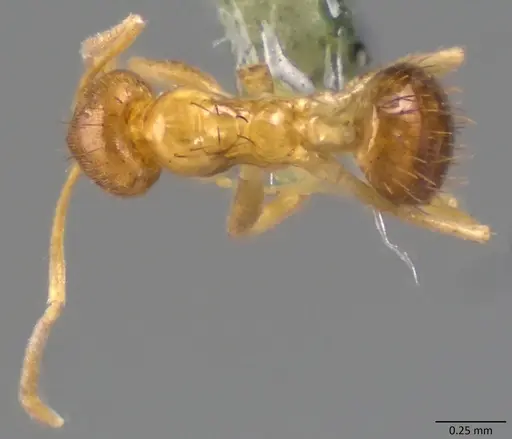
CASENT0104265
View on AntWeb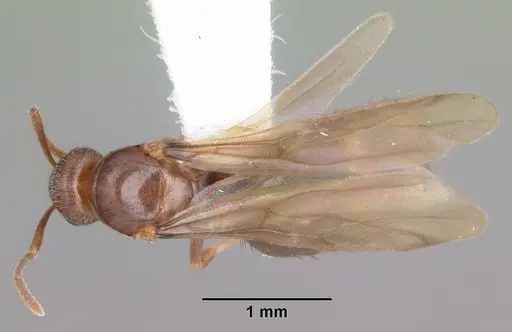
CASENT0104266
View on AntWeb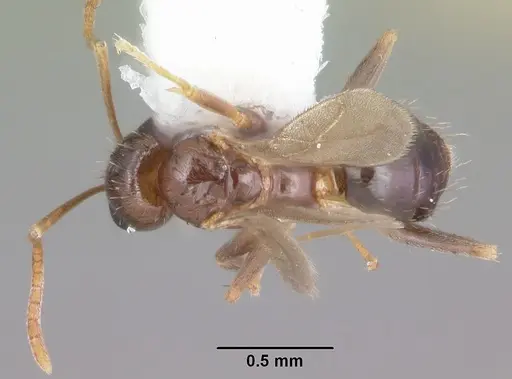
CASENT0104268
View on AntWeb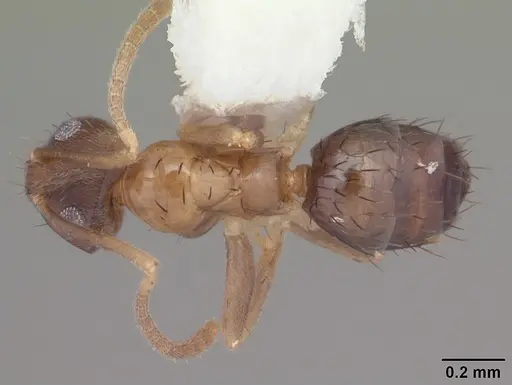
CASENT0281000
View on AntWeb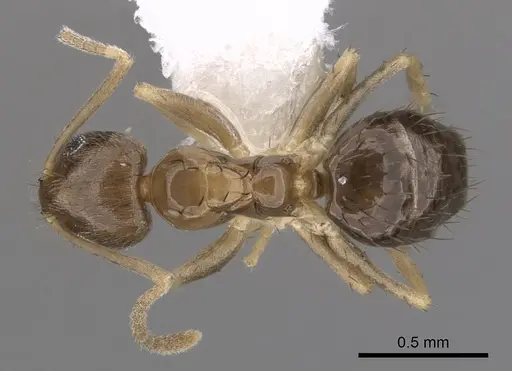
Literature
Loading distribution map...Loading products...