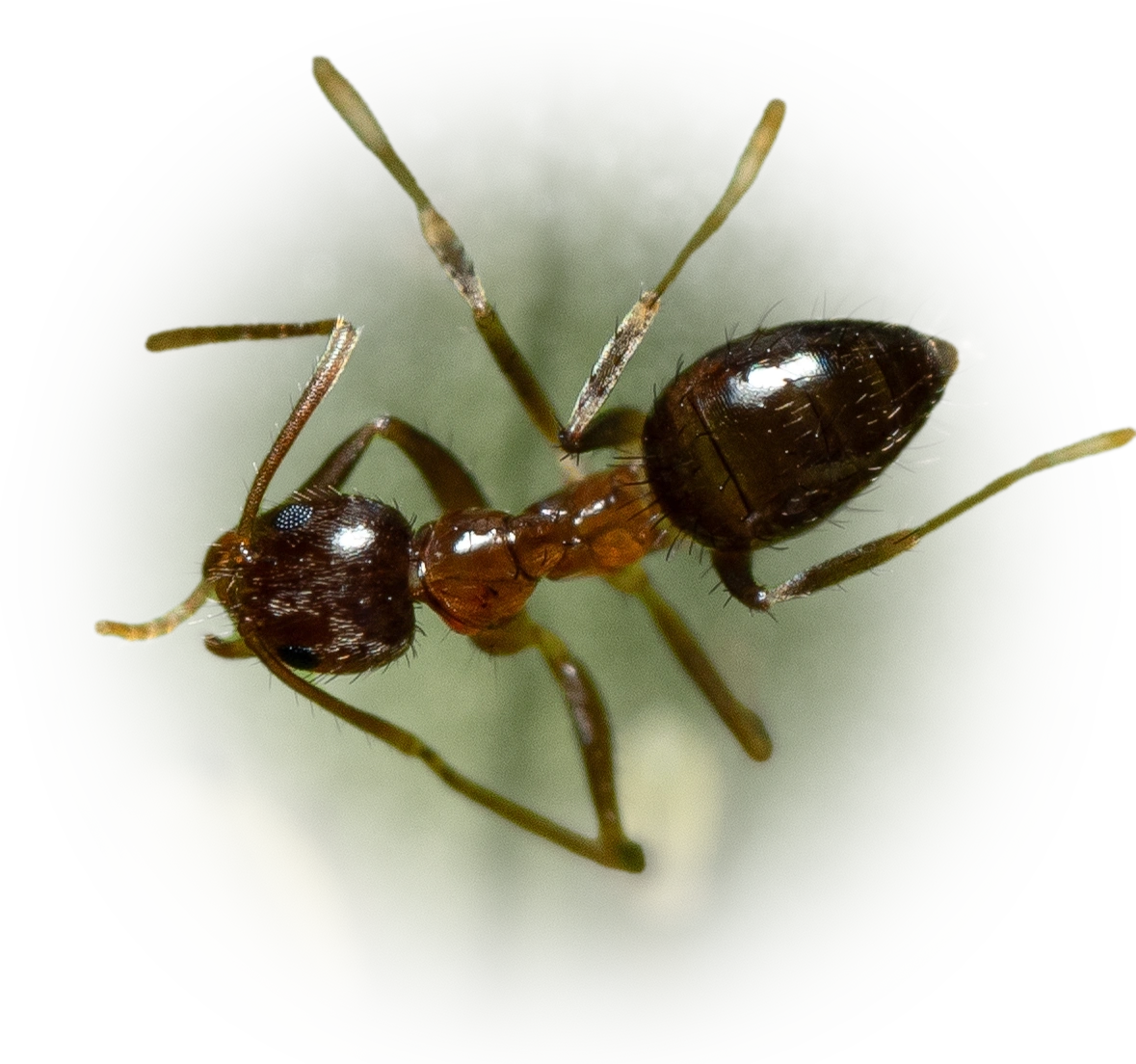
Woodland Crazy Ant
Nylanderia faisonensis
- Sci. Name
- Nylanderia faisonensis
- Tribe
- Lasiini
- Subfamily
- Formicinae
- Author
- Forel, 1922
- Common Name
- Woodland Crazy Ant
- Distribution
- Found in 1 countries
Introduction
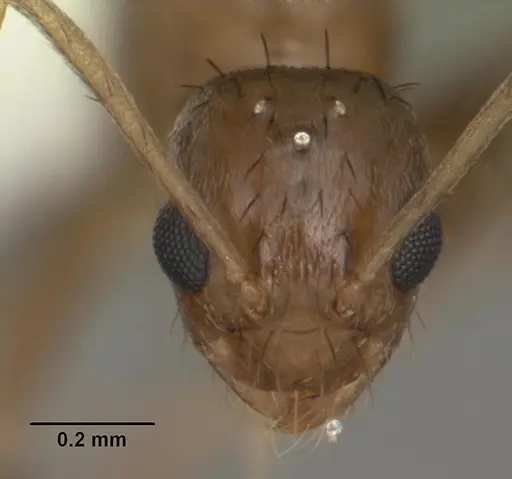
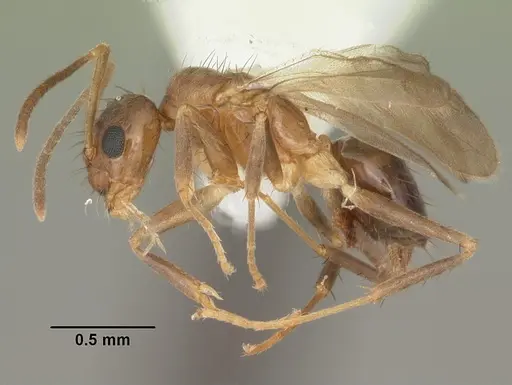
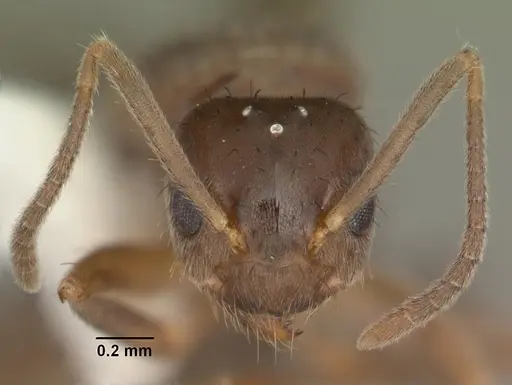
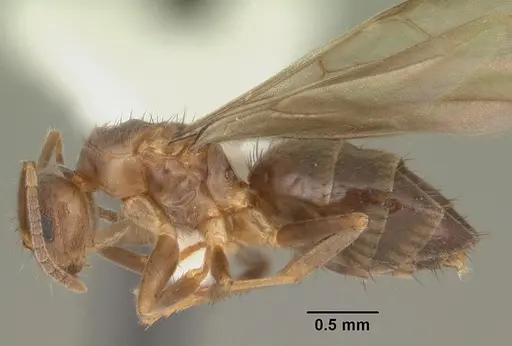
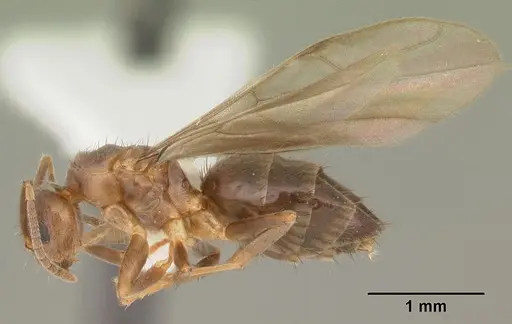
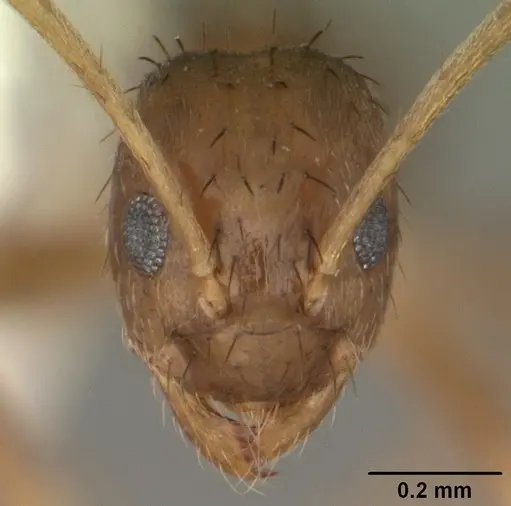
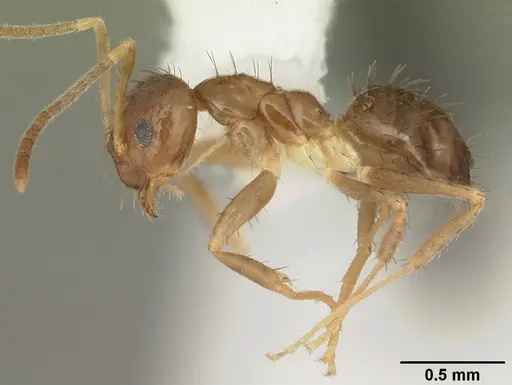
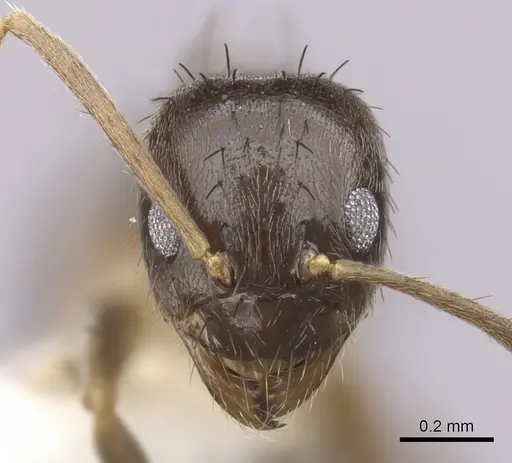
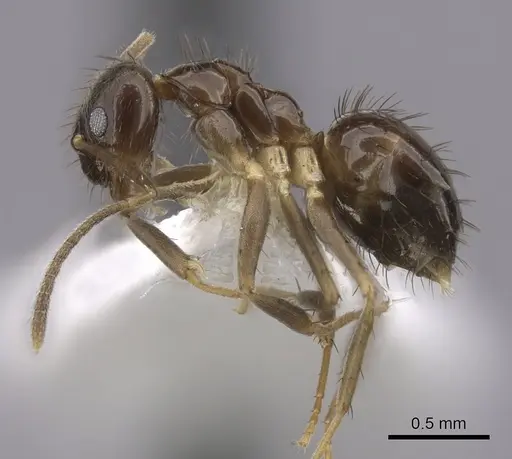
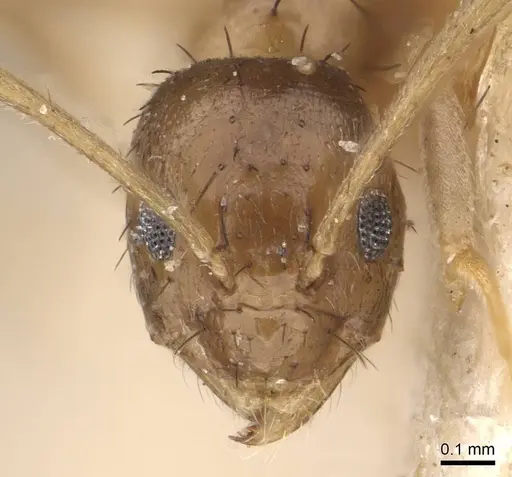
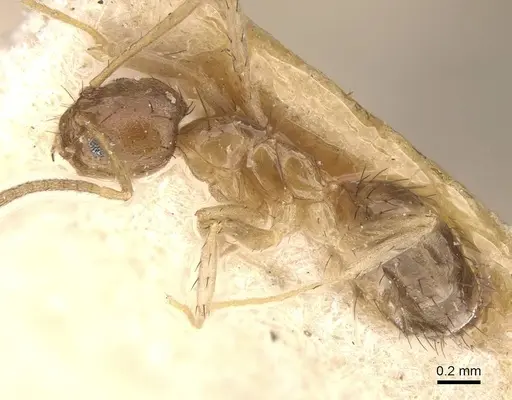
Nylanderia faisonensis is a small, native ant species found throughout the eastern United States. Workers measure 1.85-2.56 mm total length and are uniformly brown with a slightly darker gaster, featuring distinctive pale whitish mesocoxae and metacoxae that strongly contrast with the rest of their body . Queens measure 3.37-4.14 mm total length and are uniformly light brown . This species is one of the most numerous ants in the eastern half of the United States, particularly dominant in northeastern forests alongside Aphaenogaster rudis and Prenolepis imparis . This ant thrives in both deciduous and pine forests, nesting in shallow, temporary colonies in leaf litter, rotten wood, and soil . It is a dietary generalist and extremely submissive to other ant species, relying on fast food discovery rather than aggression . An undescribed socially parasitic Nylanderia species targets this ant in northern Florida .
Quick Summary
- Difficulty: Easy
- Origin & Habitat: Eastern United States, ranging from New Jersey south to Florida and west to Texas and Arkansas. Inhabits mesic deciduous forests and pine forests, nesting in leaf litter, rotten wood, and shallow soil [1][2].
- Colony Type: Single-queen colonies (monogyne), based on observations of a single queen living deep under leaf litter [4].
- Size & Growth:
- Queen: ~3.37-4.14 mm [1]
- Worker: ~1.85-2.56 mm [1]
- Colony: Up to 150 workers [5][3]
- Growth: Moderate
- Development: Estimated 6-8 weeks (Reproductives are reared August through December, overwinter in the nest, and conduct nuptial flights between March and May, with southern populations flying earlier [1].)
- Antkeeping:
- Temperature: Keep at room temperature, roughly 20-24°C, but avoid temperatures above 30°C due to low heat tolerance (CTmax 37°C) [6][7].
- Humidity: Keep the nest substrate consistently moist but not waterlogged, reflecting their natural habitat in leaf litter and rotting wood [1][2].
- Diapause: Yes, provide a winter dormancy period of 2-3 months at 10-15°C during winter [1].
- Nesting: Prefer shallow nests in leaf litter, rotten wood, or soil. In captivity, use Y-tong, plaster, or soil nests with narrow chambers, avoid acrylic nests [1][4].
- Behavior: Workers are submissive and non-aggressive toward other ants, relying on fast food discovery. They are tiny (under 3 mm), so escape prevention is critical with fine mesh barriers. They do not sting and are peaceful toward humans [1][3].
- Common Issues: tiny size means escapes are likely without fine mesh barriers, they can squeeze through small gaps [1], low heat tolerance, keep away from direct heat sources and avoid temperatures above 30°C [6][7], colonies are small (max ~150 workers) so expect limited growth [5][3], shallow, fragmented natural nests may not suit deep formicarium setups, prefer surface-level nesting [4], wild-caught colonies may be targeted by an undescribed social parasite in northern Florida [1]
Nest Preferences
In the wild, Nylanderia faisonensis nests in shallow, temporary locations in leaf litter, rotten wood, and soil [1]. Nests are often fragmented, with a single queen deep under leaf litter and workers near the surface [4]. For captive care, replicate this with a naturalistic setup using moist soil or peat mixed with rotting wood and leaf litter, or use Y-tong or plaster nests with narrow chambers [1][4][2]. Avoid tall, open spaces.
Feeding and Diet
This species is a dietary generalist, foraging for sugars, proteins, and small insects [3]. They discover food quickly, with a high discovery rate compared to other forest ants [8]. In captivity, offer sugar water or honey constantly, and protein like small crickets or mealworms twice weekly [3][2]. Remove uneaten prey to prevent mold.
Temperature and Seasonal Care
This species has low heat tolerance, with a CTmax of 37°C [6][7]. Keep temperatures at 20-24°C and avoid above 30°C. They require winter diapause: reproductives overwinter and fly in spring (March-May) [1]. Provide 2-3 months at 10-15°C during winter [1].
Behavior and Temperament
Workers are submissive and non-aggressive, relying on fast food discovery rather than fighting [1][3]. They are tiny and active, with high escape risk, use fine mesh barriers. They do not sting and are peaceful toward humans [1].
Colony Structure and Growth
Colonies are small, with up to 150 workers at maturity [5][3]. Growth is moderate, with reproductives reared August-December, overwintering, and flying in spring [1][4]. New colonies establish from mated queens in spring.
Frequently Asked Questions
How long does it take for Nylanderia faisonensis to have first workers?
Based on typical Nylanderia development patterns, expect first workers approximately 6-8 weeks after queen lays eggs. This is an estimate since exact timeline is not documented.
What temperature do Nylanderia faisonensis need?
Keep them at room temperature (20-24°C), but avoid above 30°C due to low heat tolerance (CTmax 37°C) [6][7].
Do Nylanderia faisonensis need hibernation?
Yes, they require winter dormancy. In the wild, reproductives overwinter and fly in spring (March-May) [1]. Provide 2-3 months at 10-15°C during winter.
How big do Nylanderia faisonensis colonies get?
Colonies are small, reaching up to 150 workers at maturity [5][3].
Can I keep multiple Nylanderia faisonensis queens together?
This species is monogyne (single-queen), so combining queens is not recommended.
What do Nylanderia faisonensis eat?
They are dietary generalists. Offer sugar water or honey constantly, and protein like small crickets or mealworms twice weekly [3].
Are Nylanderia faisonensis good for beginners?
Yes, they are a good beginner species due to simple care, but escape prevention is critical due to their small size [1].
When do Nylanderia faisonensis have nuptial flights?
Nuptial flights occur between March and May, with southern populations flying earlier [1].
Why are my Nylanderia faisonensis dying?
Common causes include temperatures above 30°C, poor escape prevention, improper humidity, or lack of hibernation. Wild-caught colonies may be affected by a social parasite in northern Florida [6][1].
What is the best nest type for Nylanderia faisonensis?
A naturalistic setup with moist soil/peat and rotting wood, or Y-tong/plaster nests with narrow chambers. Avoid acrylic nests and tall spaces [1][4].
Report an Issue
The current care sheet is based fully on literature. See inconsistencies, or something that's incorrect? Please , it will be resolved after review from an admin. Contributing to the blogs tab also helps providing information, to make us be able to further improve the caresheets. Thank you for your support!
References

This caresheet is licensed under CC BY-SA 4.0 .
Community Blogs
CASENT0104212
View on AntWeb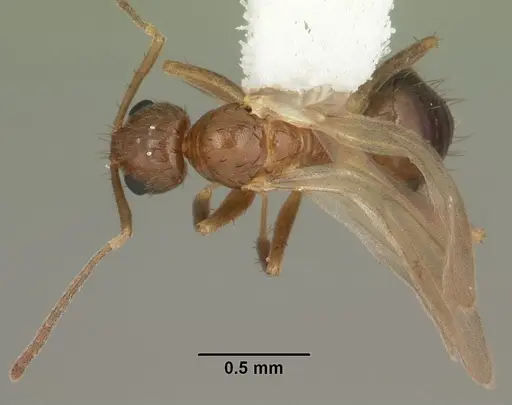
CASENT0104215
View on AntWeb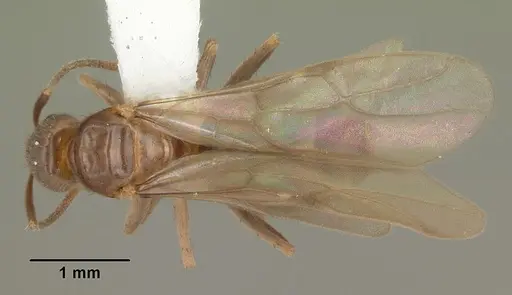
CASENT0104218
View on AntWeb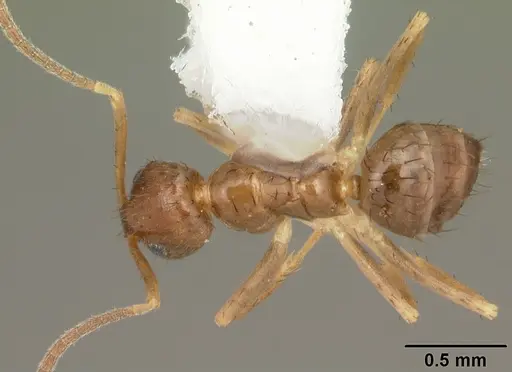
CASENT0280576
View on AntWeb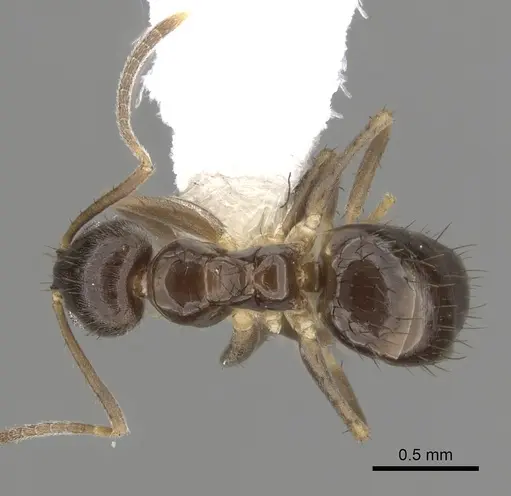
CASENT0911026
View on AntWeb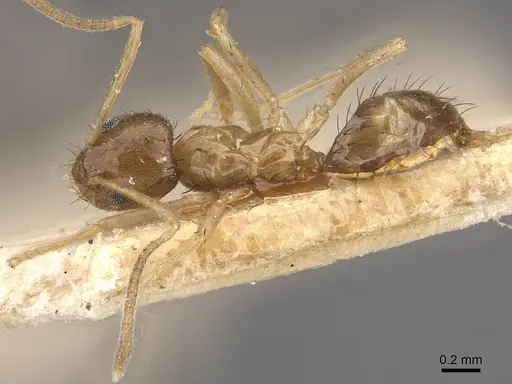
Literature
Loading distribution map...Loading products...