
Notoncus enormis
- Sci. Name
- Notoncus enormis
- Tribe
- Melophorini
- Subfamily
- Formicinae
- Author
- Szabó, 1910
- Distribution
- Found in 1 countries
Introduction
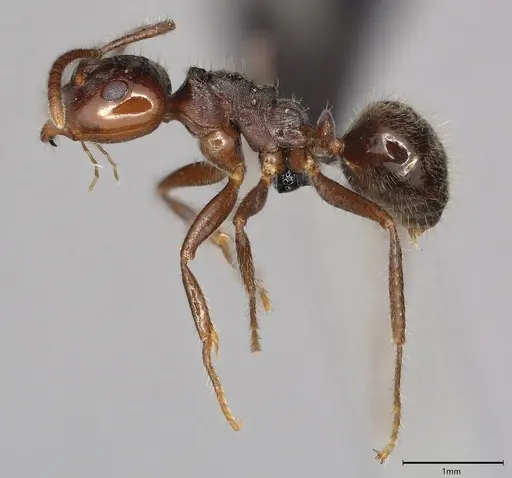
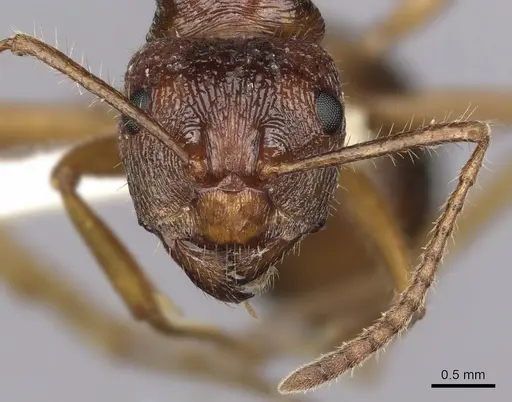
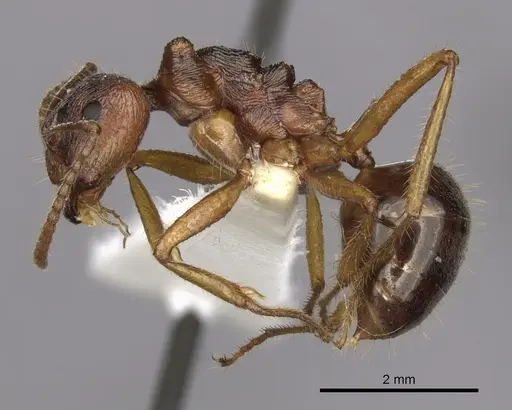
Notoncus enormis is a relatively large Australian ant species belonging to the subfamily Formicinae. Workers are robust ants with a distinctive appearance featuring a thick, rounded scutellum and a coarsely striated propodeum . This species is native to Australia, particularly found in areas with tree cover rather than open arid regions . These ants are part of the Melophorini tribe and show preferences for habitats with increasing tree cover, suggesting they thrive in more vegetated, potentially cooler and more humid microclimates compared to truly arid-adapted species. They are similar to the related Notoncus gilberti but have a more heavily sculptured appearance . The prominent pronotal shoulders are a distinguishing feature .
Quick Summary
- Difficulty: Unknown
- Origin & Habitat: Australia, specifically the Australasian region. This species shows a negative correlation with aridity and increases in abundance with increasing tree cover, suggesting they prefer more vegetated habitats [2][3].
- Colony Type: Unconfirmed, colony structure has not been documented in scientific literature.
- Size & Growth:
- Queen: size data unavailable
- Worker: size data unavailable
- Colony: Unknown
- Growth: Unknown
- Development: Unknown, no direct measurements. Based on typical Formicinae patterns, estimated 6-10 weeks at optimal temperature, but this is inferred [4]. (No specific development data exists for this species.)
- Antkeeping:
- Temperature: Based on habitat preferences, start around 22-26°C and observe colony behavior [2][3].
- Humidity: Keep nest substrate consistently moist but not waterlogged, with some drier areas available [2][3].
- Diapause: Unknown, no specific data available.
- Nesting: Natural nesting habits undocumented. In captivity, use Y-tong or plaster nests with moderate humidity [1].
- Behavior: Behavior is not well-documented. Based on size and subfamily, likely moderate foragers. Escape prevention should be good due to larger size, but always use barriers [1].
- Common Issues: maintain moderate humidity to prevent dehydration, as they prefer tree-cover habitats [2][3]., provide stable temperatures around 22-26°C to avoid stress [2][3]., ensure escape prevention due to ant behavior., monitor colony health due to lack of documented care guidelines.
Natural History and Distribution
Notoncus enormis is endemic to Australia, specifically found in the Australasian region. Research shows this species has a negative correlation with aridity, meaning it becomes less common in drier areas. Conversely, their abundance increases with increasing tree cover, suggesting they prefer more vegetated habitats with shade and moderate moisture [2][3]. This makes them somewhat unusual among Australian ants, many of which are adapted to arid conditions. They are a relatively large species and are closely related to Notoncus gilberti but with a more heavily sculptured appearance [4]. The distinctive features include a thick rounded scutellum and coarsely striated propodeum [1].
Housing and Nest Preferences
Since natural nesting habits are not documented for this species, provide a nest with good humidity retention based on their habitat preferences [2][3]. Use Y-tong or plaster nests for this size of ant [1]. The nest should have chambers scaled appropriately for workers. Avoid placing the nest in direct sunlight or near heat sources that would create dry, stressful conditions.
Temperature and Seasonal Care
Notoncus enormis shows a negative correlation with aridity and prefers areas with tree cover, suggesting they are not heat-tolerant arid specialists. Instead, they likely prefer moderate temperatures in the low-to-mid 20s Celsius range. Start around 22-26°C and monitor colony activity, if workers become sluggish or cluster away from heat, reduce temperature slightly [2][3]. Specific hibernation or diapause requirements are not documented.
Feeding and Diet
Feeding habits are not documented for this species. As a Formicinae ant of moderate to large size, they likely have typical omnivorous diets similar to related Australian ants in the Melophorini tribe [4]. Offer protein sources such as small insects and sugar sources to determine preferences.
Colony Development and Growth
No specific data exists on colony development for Notoncus enormis. Queen size and colony size estimates are unavailable. Based on typical Formicinae patterns and their relatively large size, colonies likely develop at moderate rates [4]. The first workers will typically be smaller than mature workers. Keep expectations realistic, this is not a fast-growing species, and patience will be needed during the founding phase.
Frequently Asked Questions
How long does it take for Notoncus enormis to produce first workers?
The egg-to-worker timeline is unconfirmed for this species. Based on typical Formicinae development patterns, expect approximately 6-10 weeks from egg to first worker at optimal temperature (around 22-26°C) [4].
What temperature should I keep Notoncus enormis at?
Start around 22-26°C based on their preference for tree cover and negative correlation with aridity [2][3]. Monitor colony behavior and adjust slightly based on activity levels.
Do Notoncus enormis ants need hibernation?
Specific diapause requirements are not documented for this species. As an Australian ant that prefers tree cover, they likely have some seasonal variation in activity but the exact requirements are unknown.
How big do Notoncus enormis colonies get?
Colony size is unknown, no published data exists on maximum colony sizes for this species.
Can I keep multiple Notoncus enormis queens together?
Colony structure (monogyne vs polygyne) is unconfirmed for this species. Without documented information, it is not recommended to combine unrelated queens as this could result in aggression.
What do Notoncus enormis eat?
Diet is not specifically documented, but as Formicinae they are likely omnivorous. Offer small insects as protein and sugar sources [4].
Are Notoncus enormis good for beginners?
Difficulty level is unknown due to limited data. Their preference for moderate conditions suggests they may be manageable, but the lack of documented care information means keepers should be prepared to experiment.
What humidity level do Notoncus enormis need?
Their preference for tree cover suggests moderate to higher humidity needs. Keep nest substrate consistently moist but not waterlogged [2][3].
When should I move Notoncus enormis to a formicarium?
Timing depends on colony size and behavior. Generally, allow the colony to establish in a founding setup for the first few months. Once the colony reaches a reasonable size and outgrows the setup, consider moving to a larger nest.
Report an Issue
The current care sheet is based fully on literature. See inconsistencies, or something that's incorrect? Please , it will be resolved after review from an admin. Contributing to the blogs tab also helps providing information, to make us be able to further improve the caresheets. Thank you for your support!
References

This caresheet is licensed under CC BY-SA 4.0 .
Community Blogs
CASENT0118080
View on AntWeb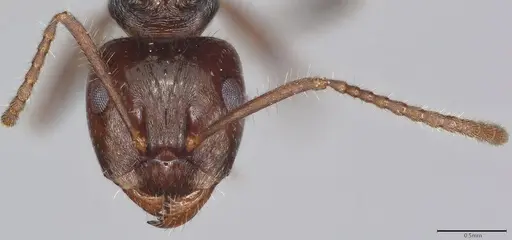
CASENT0280564
View on AntWeb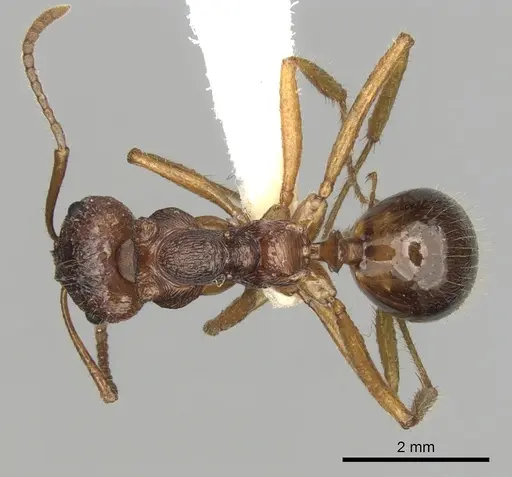
Literature
Loading distribution map...Loading products...