
Notoncus gilberti
- Sci. Name
- Notoncus gilberti
- Tribe
- Melophorini
- Subfamily
- Formicinae
- Author
- Forel, 1895
- Distribution
- Found in 1 countries
Introduction
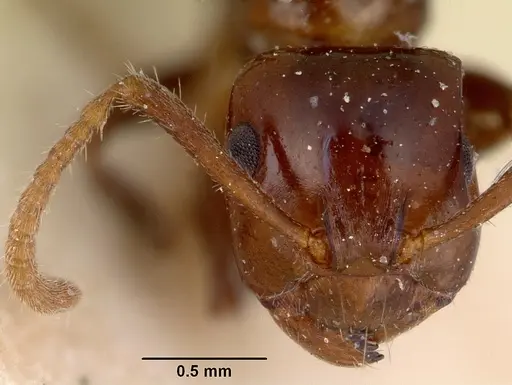
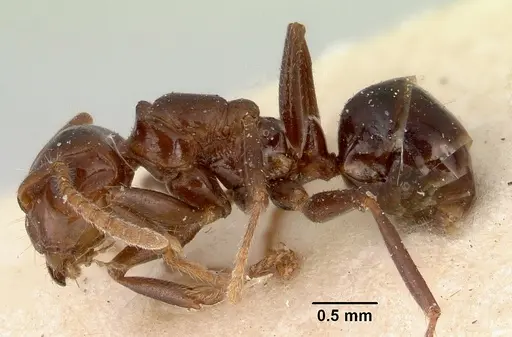
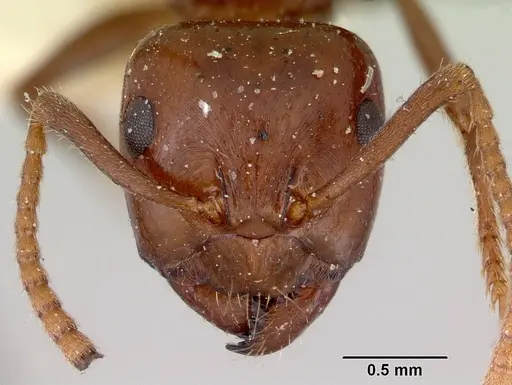
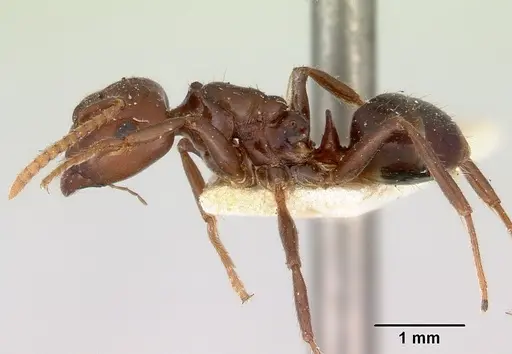
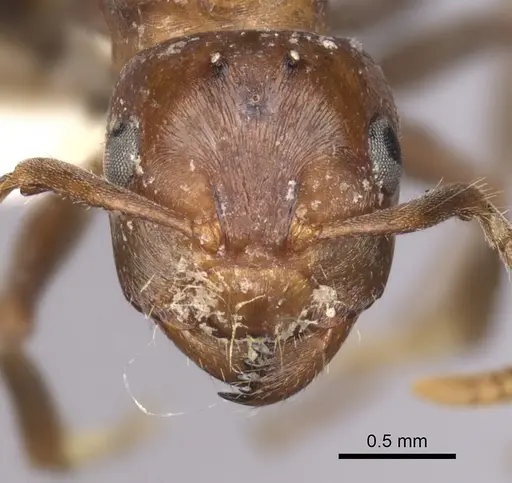
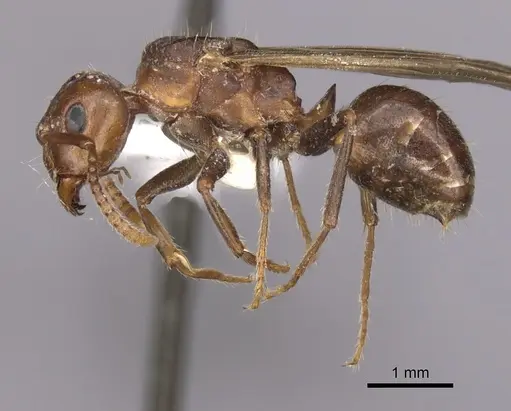
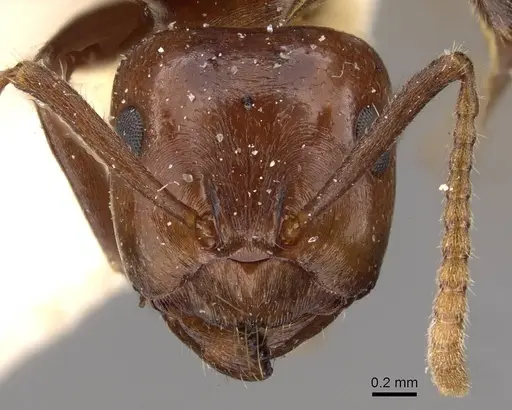
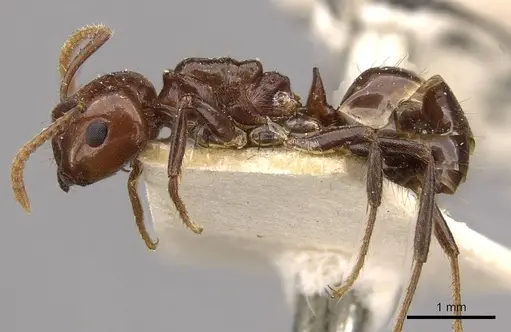
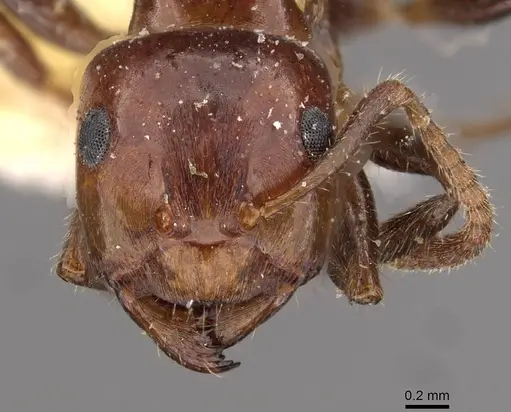
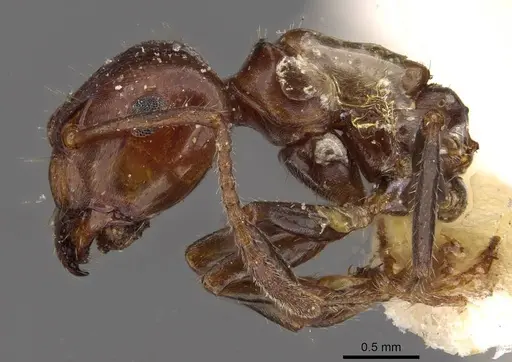
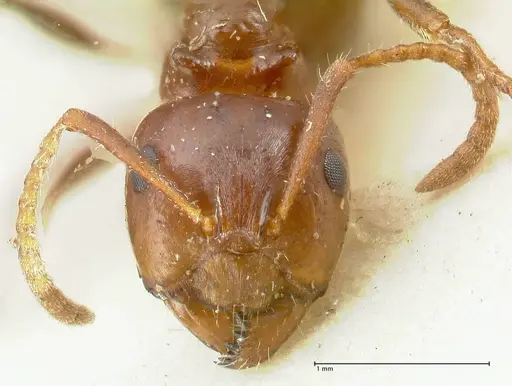
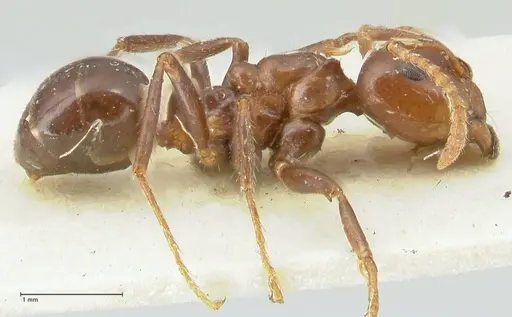
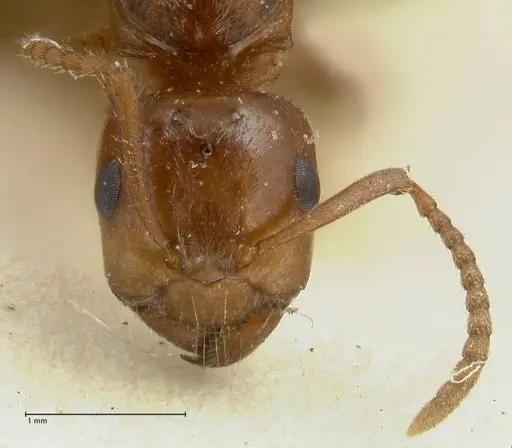
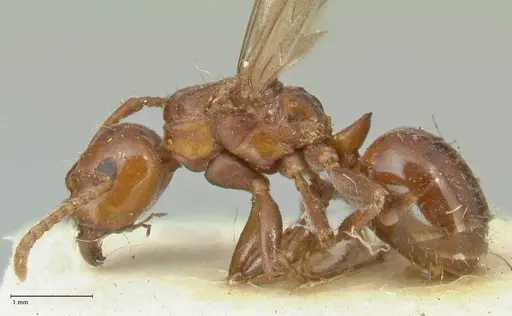
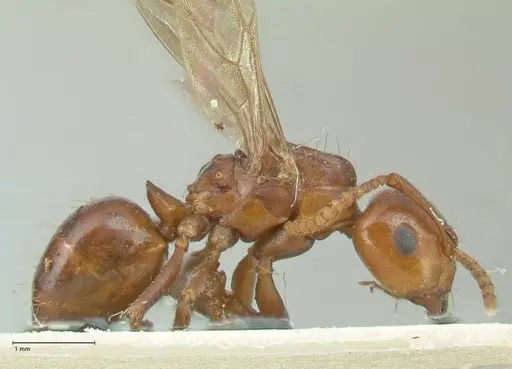
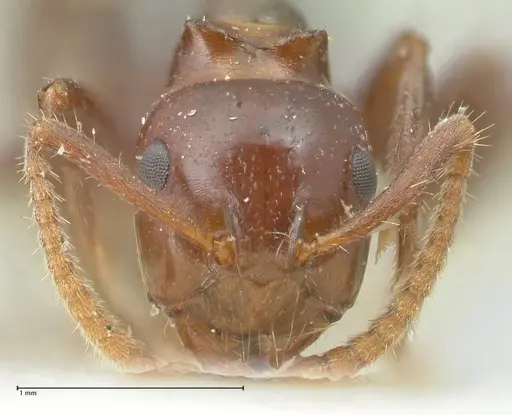
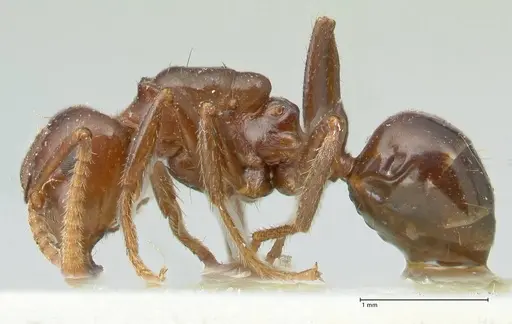
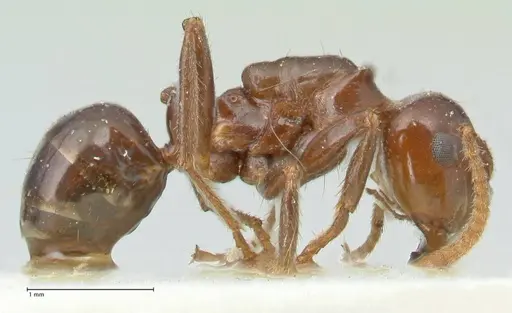
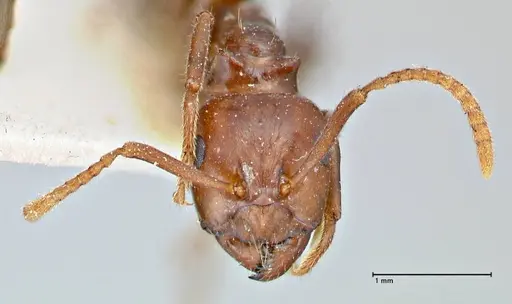
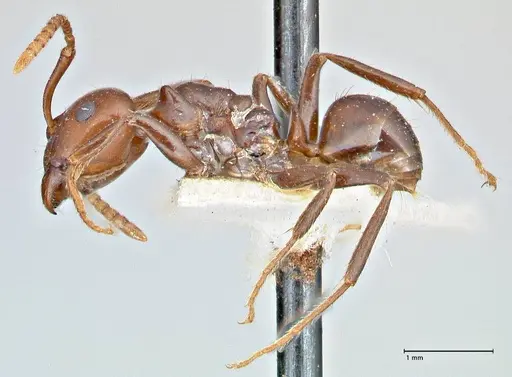
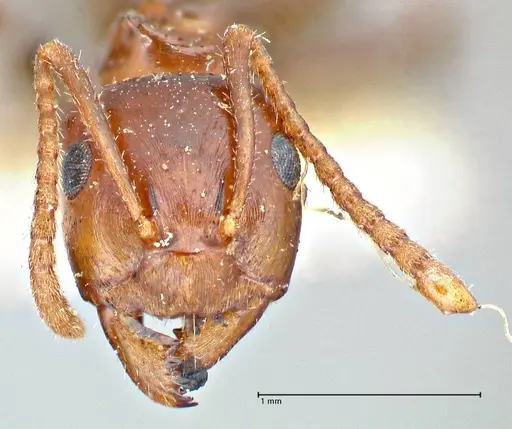
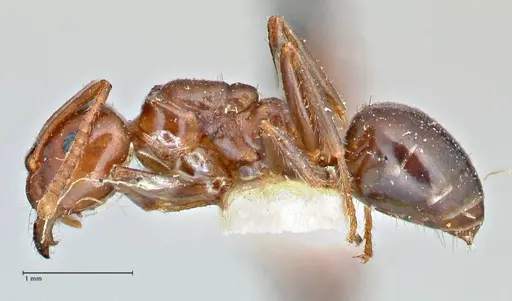
Notoncus gilberti is a small ant species native to Australia and New Guinea, with workers measuring 3-4 mm in total length . This is the only species in the genus Notoncus known to occur outside Australia. Workers have a brownish-red head and thorax, a blackish to dark brown gaster, and yellowish markings on the thoracic sutures, knees, and gastric segment borders . The species is identified by cornicles on the humeral angles and a raised, posteriorly lobate metanotum that sits above the propodeum . It is abundant in and around Perth, commonly colonizing suburban gardens, and is a nocturnal forager that builds small soil granule mounds as its only daytime sign .
Quick Summary
- Difficulty: Easy
- Origin & Habitat: Native to Australia (Western Australia, New South Wales, Queensland) and New Guinea. Found in wetter parts of the southwest but also occurs across eastern Australia, commonly in suburban gardens and under stones [2][1].
- Colony Type: Colony structure is unconfirmed. Workers and a queen have been collected from nests under stones, but queen number and social structure are not documented [1].
- Size & Growth:
- Queen: Size data unavailable, no total length measurements for queens are provided in the research [1]
- Worker: 3-4 mm [1]
- Colony: Unknown, no colony size data available
- Growth: Unknown, no development data available
- Development: Unconfirmed, no direct development data for this species (Based on typical Formicinae patterns, expect 6-10 weeks at warm temperatures, but this is inferred and not specific to Notoncus gilberti)
- Antkeeping:
- Temperature: Keep at room temperature, roughly 20-26°C. Their distribution across temperate and warmer regions suggests they tolerate a broad range, but specific requirements are unconfirmed [2][1]
- Humidity: Keep nest substrate consistently moist but not waterlogged. Based on occurrence in wetter parts of south-west Australia [2]
- Diapause: Unknown, no specific data on overwintering requirements. Australian temperate ants may benefit from a cool period, but this is unconfirmed for this species
- Nesting: Nests under stones in nature [1]. Provide a naturalistic setup with flat stones or a plaster nest, and include loose substrate for soil mounds [2][1]
- Behavior: Nocturnal foragers, active during evening and night hours [2]. Based on Formicinae patterns, workers are likely docile and not aggressive. Escape risk is low due to their small size, but standard prevention is needed.
- Common Issues: nocturnal activity means limited daytime observation, this is normal behavior, not a problem, colony size and growth rate are unknown, so manage expectations for development, diapause requirements are unconfirmed, monitor colony activity during winter months, wild-caught colonies may have parasites that affect captive survival, source from reputable breeders
Housing and Nest Preferences
Notoncus gilberti naturally nests under stones, so provide a naturalistic setup with flat stones or a plaster nest. Include loose substrate or fine soil in the outworld for them to build soil mounds, as they do in the wild [2][1]. A Y-tong (AAC) or plaster nest works well for this species. Place the nest in a location with natural light cycles to support their nocturnal activity patterns [2].
Feeding and Diet
As a Formicinae species, Notoncus gilberti likely accepts sugar sources like honey water and protein from small insects such as fruit flies or mealworms. Offer sugar water continuously and protein prey 2-3 times per week. This inference is based on typical Formicinae diets, as no specific dietary data is available for this species [1].
Temperature and Seasonal Care
Keep colonies at room temperature, ideally between 20-26°C. A heating cable on one side of the nest can create a gradient if needed. Since diapause requirements are unconfirmed, a light cool period in winter may be beneficial, but monitor colony activity [2][1].
Behavior and Observation
Notoncus gilberti is nocturnal, so most activity occurs in the evening and night [2]. During the day, the colony remains in the nest, which is normal behavior. Workers are small and relatively docile based on Formicinae patterns, making escape prevention manageable. Their distinctive appearance with a raised metanotum and cornicles allows for easy identification [1].
Frequently Asked Questions
How long does it take for Notoncus gilberti to produce first workers?
The egg-to-worker timeline is unconfirmed for this species. Based on typical Formicinae development patterns, expect 6-10 weeks at warm temperatures, but this is inferred and not specific to Notoncus gilberti [1].
What do Notoncus gilberti ants eat?
They likely accept sugar sources like honey water and small protein prey such as fruit flies or mealworms. Feed sugar water continuously and protein 2-3 times per week, based on typical Formicinae diets [1].
Are Notoncus gilberti good for beginners?
Yes, they are considered an easy species to keep. They are small, adapt well to suburban-like conditions, and have low escape risk due to their size [2].
What temperature do Notoncus gilberti need?
Keep them at room temperature, ideally 20-26°C. Their distribution across temperate and warmer regions suggests they tolerate a broad range, but specific requirements are unconfirmed [2][1].
When are Notoncus gilberti most active?
They are nocturnal foragers, meaning they are most active during evening and night hours. During the day, they remain in the nest, this is normal behavior [2].
Do Notoncus gilberti need hibernation?
Diapause requirements are unconfirmed, but Australian temperate ants may benefit from a cool winter period. Reduce feeding and keep them at 15-18°C for 2-3 months if the colony shows reduced activity, but this is inferred [1].
How big do Notoncus gilberti colonies get?
Colony size is unknown, no data is available on maximum colony size for this species. Expect moderate-sized colonies based on their small worker size, but this is an estimate [1].
Can I keep multiple Notoncus gilberti queens together?
Colony structure (monogyne vs polygyne) is unconfirmed. It is not recommended to combine unrelated queens as this has not been documented for this species [1].
What nest type is best for Notoncus gilberti?
A Y-tong (AAC) or plaster nest works well. They naturally nest under stones, so a naturalistic setup with flat stones over soil also mimics their natural habitat [2][1].
Report an Issue
The current care sheet is based fully on literature. See inconsistencies, or something that's incorrect? Please , it will be resolved after review from an admin. Contributing to the blogs tab also helps providing information, to make us be able to further improve the caresheets. Thank you for your support!
References

This caresheet is licensed under CC BY-SA 4.0 .
Community Blogs
CASENT0172021
View on AntWeb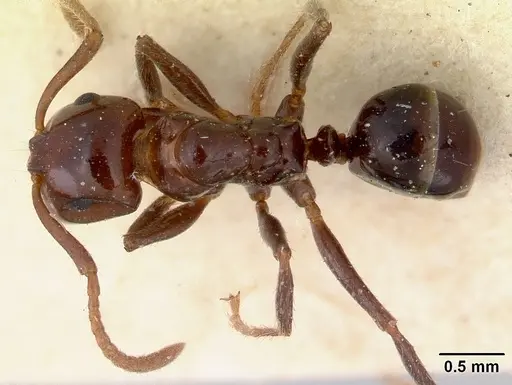
CASENT0172022
View on AntWeb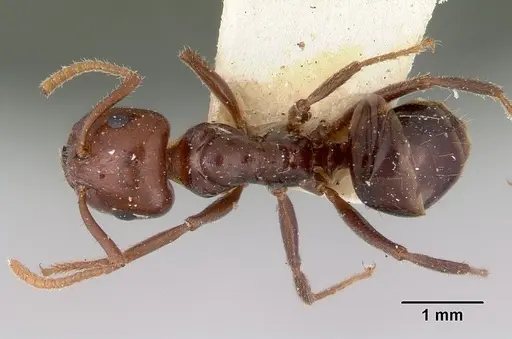
CASENT0280559
View on AntWeb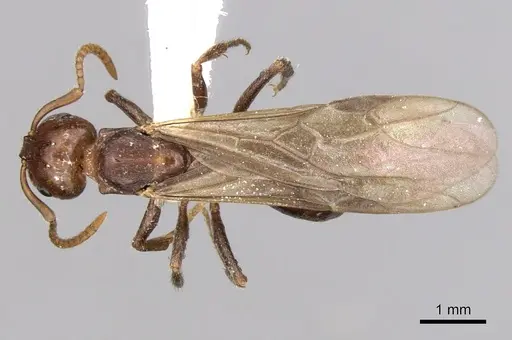
CASENT0909837
View on AntWeb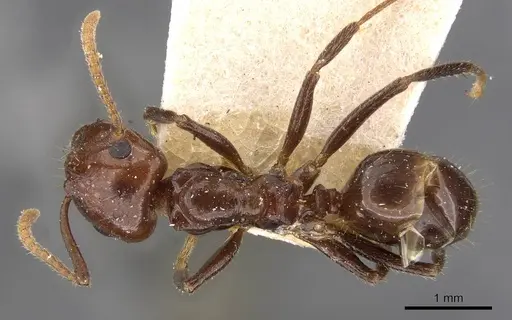
CASENT0909838
View on AntWeb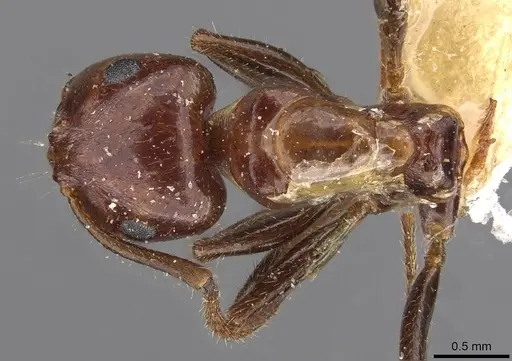
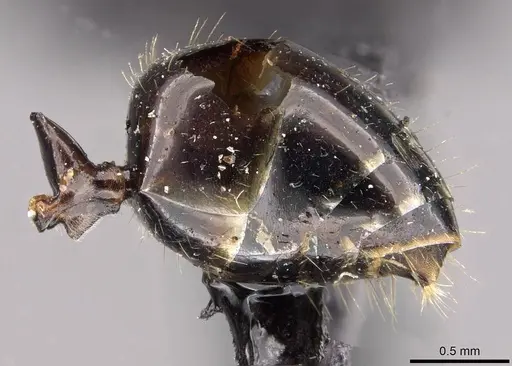
CASENT4036276
View on AntWeb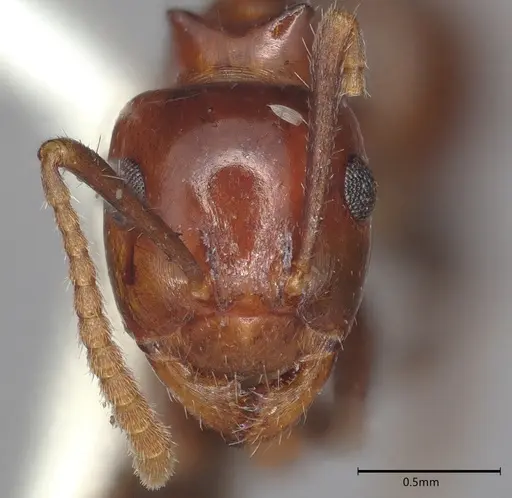
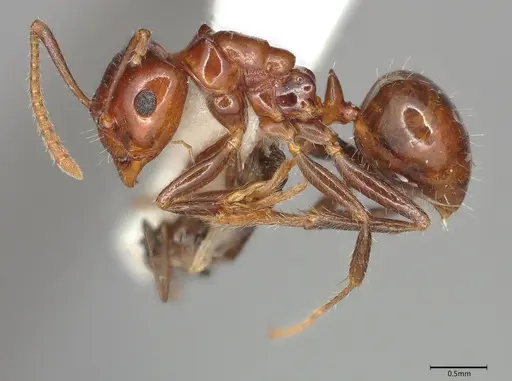
FOCOL2217
View on AntWeb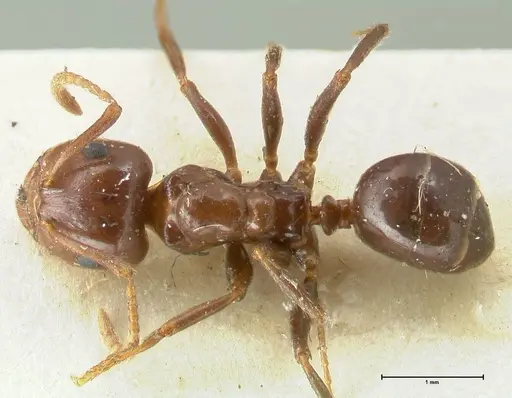
FOCOL2218
View on AntWeb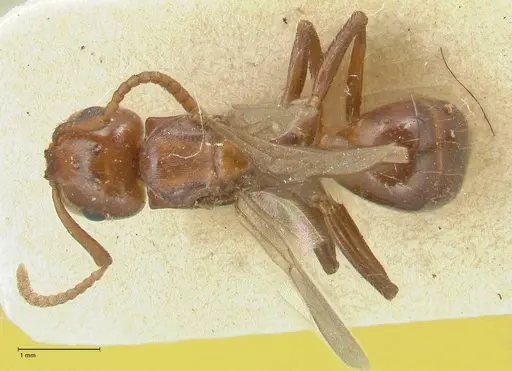
FOCOL2219
View on AntWeb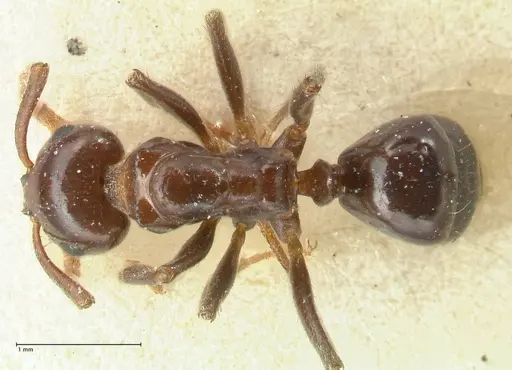
FOCOL2963
View on AntWeb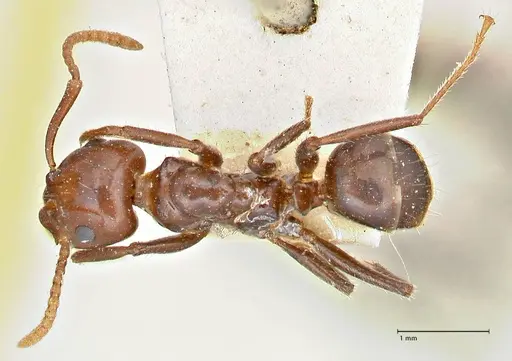
FOCOL2964
View on AntWeb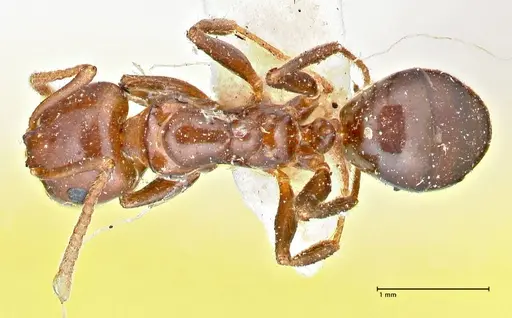
Literature
Loading distribution map...Loading products...