
Melophorus paramorphomenus
- Sci. Name
- Melophorus paramorphomenus
- Tribe
- Melophorini
- Subfamily
- Formicinae
- Author
- Heterick <i>et al.</i>, 2017
- Distribution
- Found in 1 countries
Introduction
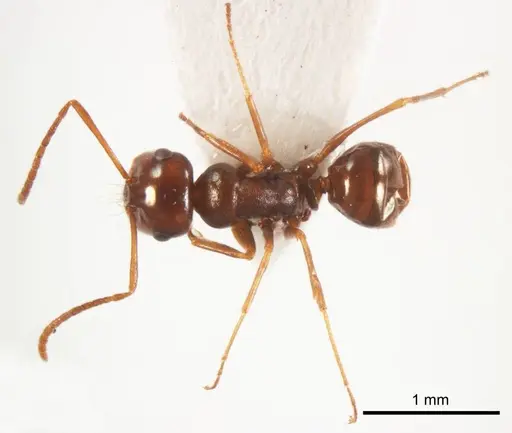
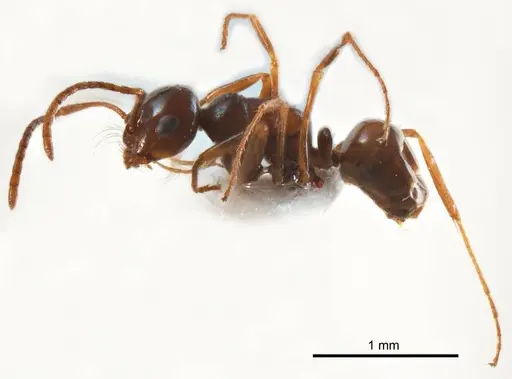
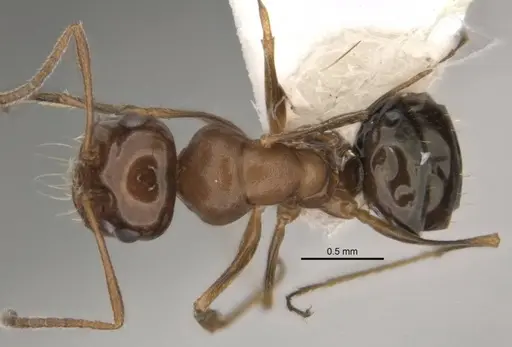
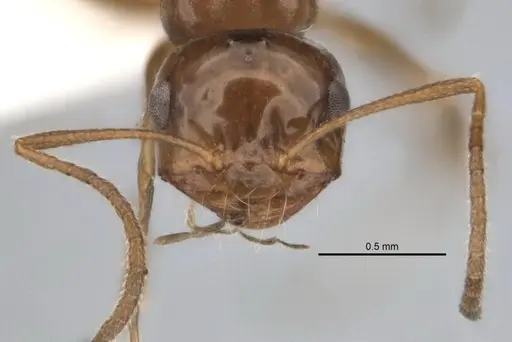
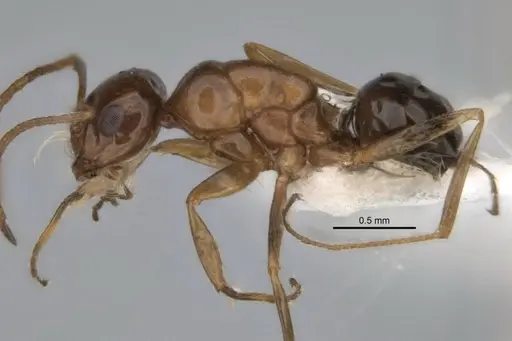
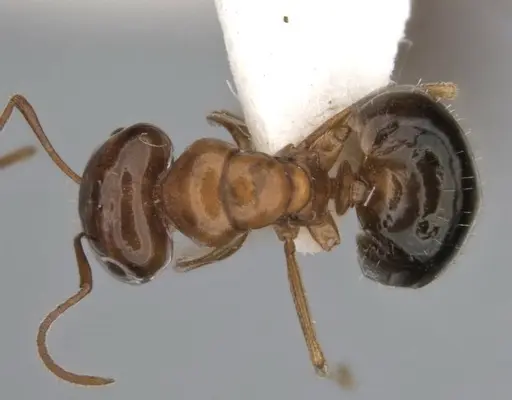
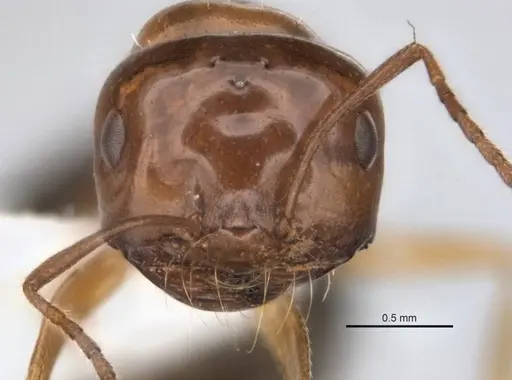
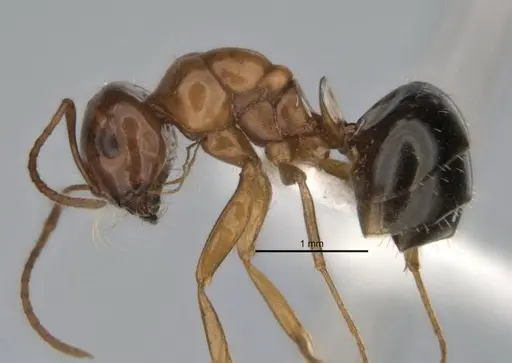
Melophorus paramorphomenus is a small to medium-sized ant native to Western Australia, found from Kalbarri to Barrow Island along the coast and inland areas like Tropicana Minesite . The species gets its scientific name from the Greek for 'change of physical shape' plus 'spirit' - a reference to the odd appearance of its mesosoma, which has a peculiarly developed metanotum that squeezes the propodeum into a distinctive wedge shape . This is the key identifying feature that sets it apart from other Melophorus species, including the similar-looking Melophorus cuneatus. The ants have shining body surfaces with fine microreticulation, long spindly legs, and lack erect propodeal setae .
Quick Summary
- Difficulty: Medium
- Origin & Habitat: Western Australia, from Kalbarri to Barrow Island along the coast, with inland populations at Tropicana Minesite and Billabong Station. Nests in red soil in arid and semi-arid regions [1].
- Colony Type: Colony structure unconfirmed. Based on Melophorus genus patterns, likely monogyne (single queen) but this requires confirmation.
- Size & Growth:
- Queen: size data unavailable
- Worker: size data unavailable
- Colony: unknown
- Growth: unknown
- Development: 6-10 weeks (estimated based on Melophorus genus patterns) (Development timeline not directly studied, estimates based on typical Melophorus patterns at optimal temperatures)
- Antkeeping:
- Temperature: Keep at warm temperatures, around 26-30°C, based on arid Western Australian habitat preferences [1].
- Humidity: Keep nest substrate relatively dry with occasional moisture zones, based on arid habitat [1].
- Diapause: Unknown
- Nesting: Use Y-tong or plaster nests with dry conditions, based on natural nesting in red soil [1].
- Behavior: Based on Melophorus genus patterns, workers are active foragers and moderately aggressive when defending the colony. Escape risk is moderate due to small size, use standard barrier methods.
- Common Issues: colony structure is poorly documented, keepers may struggle to confirm queen status, no specific development data means growth expectations are estimates, humidity requirements are not well understood, start conservative and observe colony behavior, origin from arid regions means overwatering can be fatal, limited availability in the antkeeping hobby
Identification and Distinguishing Features
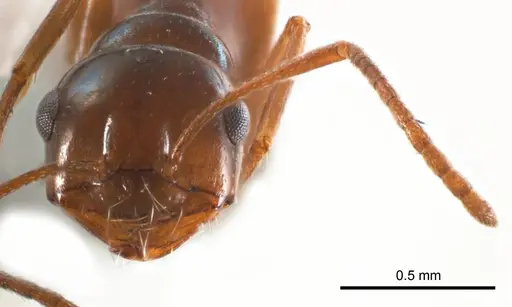
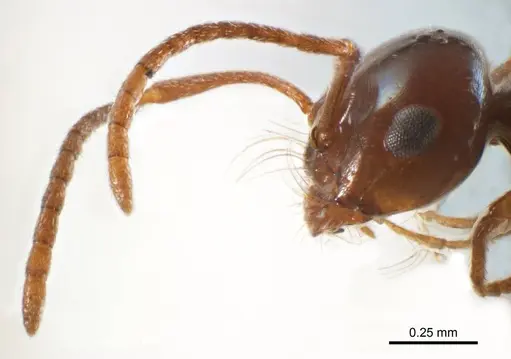
Melophorus paramorphomenus belongs to the Melophorus biroi species group and the Melophorus fieldi complex [1]. The most distinctive feature is the peculiarly developed metanotum, a body part that extends over and squeezes the propodeum into a wedge shape [1]. This is visible even in minor workers and is the primary way to identify this species. The propodeum is reduced, shining, and finely striolate [1]. Workers have five mandibular teeth in the minor caste, and the clypeal psammophore is placed anteriorly [1]. The legs are notably long and spindly [1]. This species resembles Melophorus cuneatus and Notoncus enormis, but the distinctive metanotum structure separates it from all other ants [1].
Natural History and Distribution
This ant is endemic to Western Australia, known only from the state [1]. Its range stretches from around Kalbarri to Barrow Island [1]. Inland populations exist, including at Tropicana Minesite east of Laverton and at Billabong Station 12km north in the Midwest region [1]. The species has been successfully DNA barcoded, with 100% recovery rate in genetic surveys [2]. Nests are found in red soil, typical of the arid and semi-arid regions of inland WA [1]. The habitat suggests adaptation to hot, dry conditions with perhaps seasonal rainfall.
Housing and Nest Setup
Based on the species' natural nesting in red soil and arid habitat, use a nest setup that allows for relatively dry conditions with targeted moisture zones [1]. A Y-tong (AAC) nest or plaster/formicarium works well. Provide a water reservoir but avoid saturating the nest material. The small worker size means chambers should be appropriately scaled. Since this is a Formicinae ant, they may benefit from a foraging area where they can hunt small prey. Use standard escape prevention, while not the smallest ants, they can still fit through small gaps.
Feeding and Diet
Melophorus species are typically omnivorous, hunting small invertebrates and tending honeydew-producing insects [1]. Based on genus patterns, offer small live prey like fruit flies, pinhead crickets, or aphids. Sugar water or honey can be offered as an energy source. Since this species is from the biroi group, they likely have typical Melophorus foraging behaviors, workers hunt individually or recruit nestmates to larger food sources. Feed every 2-3 days and remove uneaten prey to prevent mold.
Temperature and Seasonal Care
As a Western Australian species from arid to semi-arid regions, Melophorus paramorphomenus prefers warmer temperatures [1]. Keep the nest around 26-30°C with a thermal gradient so workers can regulate their body temperature by moving between warmer and cooler areas. Room temperature (around 22-24°C) may be acceptable but growth may be slower. Avoid temperatures below 20°C for extended periods. The species likely tolerates dry conditions well but avoid extreme dehydration. No documented diapause requirement exists, but reduced activity in cooler months may occur.
Frequently Asked Questions
How long does it take for Melophorus paramorphomenus to produce first workers?
The exact timeline is unconfirmed, but based on related Melophorus species in the biroi group, expect 6-10 weeks from egg to first worker at optimal temperatures (26-30°C) [1]. This is an estimate as this specific species has not been studied for development times.
What do Melophorus paramorphomenus ants eat?
Based on genus patterns, they are omnivorous hunters [1]. Offer small live prey like fruit flies, small crickets, or aphids, along with sugar water or honey for energy. They likely also collect honeydew from aphids if kept in a naturalistic setup.
Are Melophorus paramorphomenus ants good for beginners?
Difficulty level is medium due to limited documentation. They are likely manageable for intermediate keepers comfortable with species that have less available care information. The main challenges are the unknown colony structure and lack of specific development data.
What temperature should I keep Melophorus paramorphomenus at?
Keep nest temperatures around 26-30°C based on their arid Western Australian habitat [1]. A thermal gradient allowing movement between temperatures is ideal. Avoid temperatures below 20°C for extended periods.
How big do Melophorus paramorphomenus colonies get?
Colony size is not documented, so it is unknown [1]. Start as a small colony with one queen.
Can I keep multiple queens together?
Colony structure is unconfirmed for this species. Based on typical Melophorus patterns, they are likely single-queen (monogyne) colonies. Combining unrelated queens is not recommended without evidence they can found colonies pleometrotically.
What humidity level do Melophorus paramorphomenus ants need?
As an arid-region species from Western Australia, they prefer relatively dry conditions [1]. Keep the nest substrate lightly moist but not wet. Allow areas to dry out between waterings. Avoid the humid conditions preferred by tropical species.
When do Melophorus paramorphomenus nuptial flights occur?
Nuptial flight timing is unconfirmed. Western Australian Melophorus typically have flights during warmer months, likely spring to early summer. Exact timing for this species has not been documented.
Is Melophorus paramorphomenus available in the antkeeping hobby?
This species has limited availability. It was described in 2017 and is rarely kept in captivity. Finding a colony may be difficult as it is not commonly traded among antkeepers.
Report an Issue
The current care sheet is based fully on literature. See inconsistencies, or something that's incorrect? Please , it will be resolved after review from an admin. Contributing to the blogs tab also helps providing information, to make us be able to further improve the caresheets. Thank you for your support!
References

This caresheet is licensed under CC BY-SA 4.0 .
Community Blogs
Literature
Loading distribution map...Loading products...