
Leptogenys breviceps
- Sci. Name
- Leptogenys breviceps
- Tribe
- Ponerini
- Subfamily
- Ponerinae
- Author
- Viehmeyer, 1914
- Distribution
- Found in 1 countries
Introduction
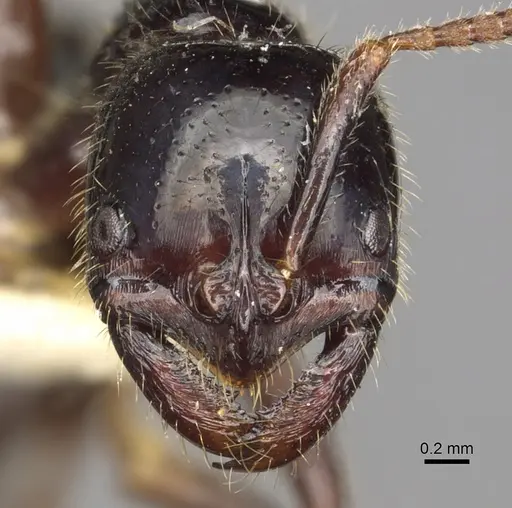
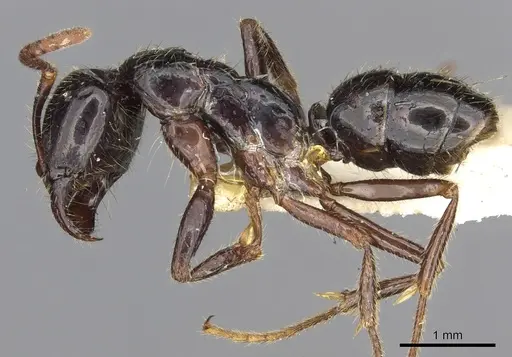
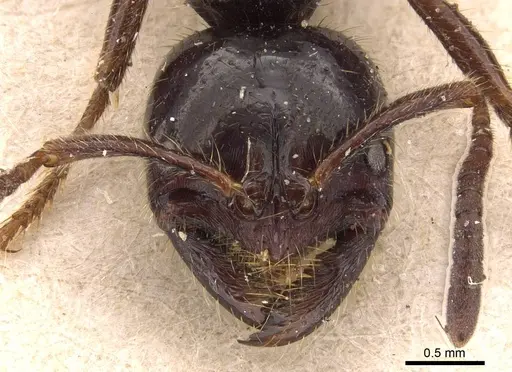
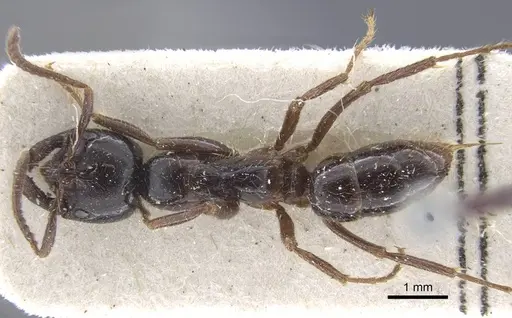
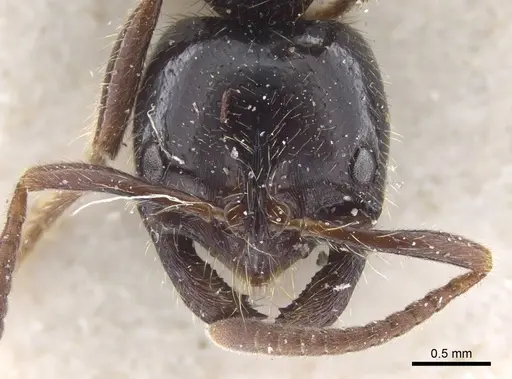
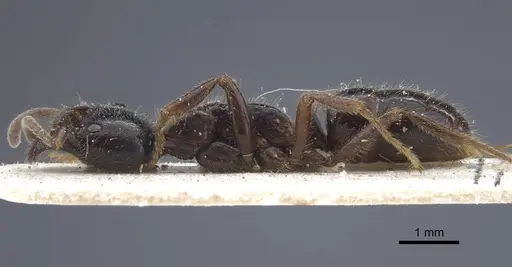
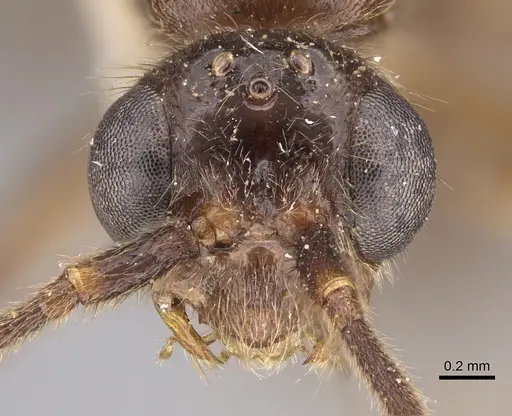
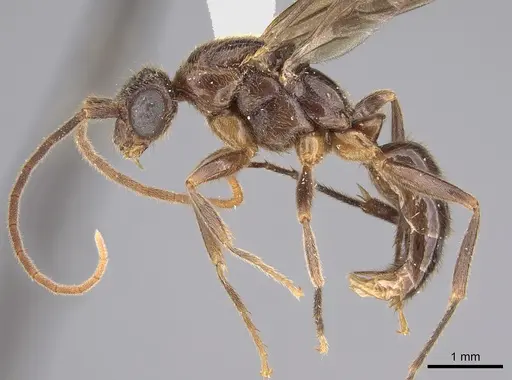
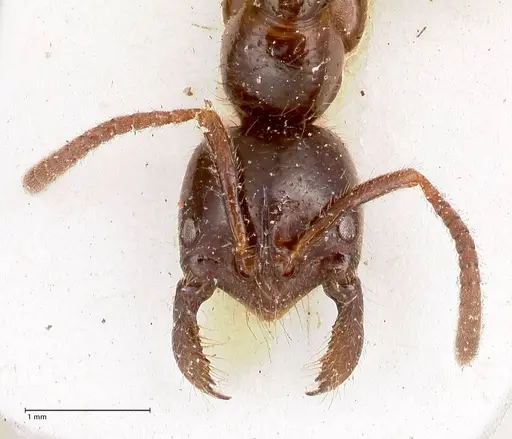
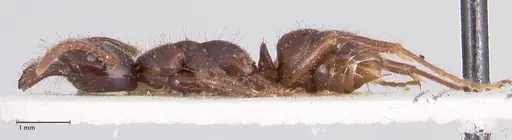
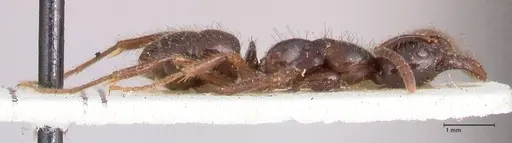
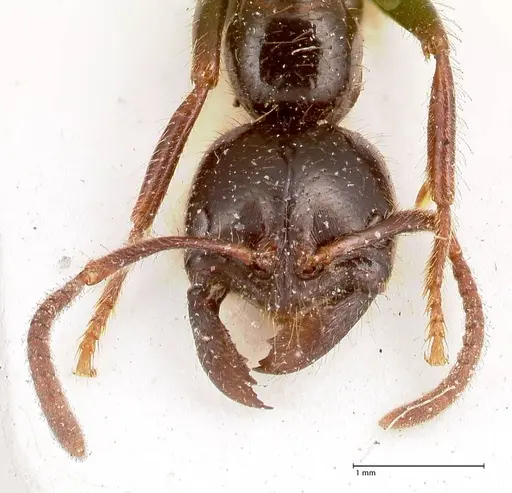
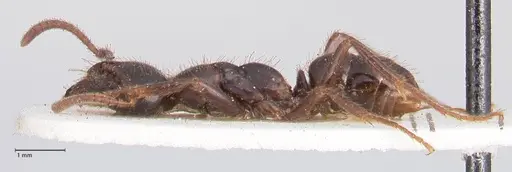
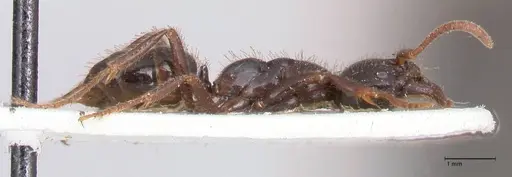
Leptogenys breviceps is a predatory ant species from the Ponerinae subfamily found throughout New Guinea. Workers have the typical elongated, streamlined body characteristic of the genus - built for speed and active hunting. They belong to the Leptogenys processionalis species group, which is known for cooperative group raiding behavior when foraging . This species nests in soil, creating colonies with multiple entrance holes, and prefers secondary forest habitats as well as areas near human-disturbed gardens with regrowth vegetation .
Quick Summary
- Difficulty: Medium
- Origin & Habitat: New Guinea (Australasian Region), specifically documented from the Wareo area in Morobe Province, Papua New Guinea [2]. They inhabit secondary forest and primary forest, often nesting near pathways through grass undergrowth in areas with mixed abandoned and active gardens [1].
- Colony Type: Colony structure is not well documented in scientific literature. Based on related species in the Leptogenys processionalis group, these ants likely form single-queen colonies.
- Size & Growth:
- Queen: size data unavailable
- Worker: size data unavailable
- Colony: Colony size data unavailable for this species
- Growth: Moderate
- Development: Development time is unconfirmed for this species (Direct measurements for L. breviceps are not available)
- Antkeeping:
- Temperature: Keep at 24-28°C, these are tropical ants from lowland New Guinea. A gentle gradient allowing workers to choose their preferred temperature is ideal.
- Humidity: Maintain moderate to high humidity. Keep the nest substrate consistently moist but not waterlogged, mimicking damp forest floor conditions.
- Diapause: No, as a tropical species from New Guinea, they do not require hibernation. Keep temperatures stable year-round.
- Nesting: Soil-nesting species that creates multiple entrance holes. In captivity, a naturalistic setup with moist substrate or a plaster nest with chambers works well. Provide enough depth for them to create their characteristic multi-entrance tunnel system.
- Behavior: These ants are active hunters with a potent sting, handle with care. They forage in coordinated groups (5-10 workers) rather than as individual foragers, using group raiding behavior to capture prey [1]. Workers are fast-moving and alert. Escape prevention is important as they are agile and may attempt to escape if disturbed. As Ponerine ants, they have a functional stinger that delivers painful venom.
- Common Issues: tropical species requires stable warm temperatures, cold drafts can be fatal, potent sting means these ants should be handled carefully and kept out of reach of children, soil-nesting behavior requires proper substrate depth for colony establishment, foraging in groups means they need more open hunting space than solitary foragers, limited availability in the antkeeping hobby, this is not a commonly kept species
Housing and Nest Setup
Leptogenys breviceps is a soil-nesting species that creates colonies with multiple entrance holes in nature [1]. For captive care, a naturalistic setup with a deep soil layer (at least 5-8cm) works best, allowing the colony to excavate their own tunnels. You can also use a plaster nest with multiple connected chambers, but provide enough vertical space for their tunneling behavior. The outworld should include plenty of hunting space since these ants forage in groups and need room to coordinate their prey capture. Use a secure escape prevention method, while not the smallest ants, they are agile and determined.
Feeding and Diet
As predatory Ponerine ants, L. breviceps primarily hunts small invertebrates. In captivity, offer a variety of small live prey such as fruit flies, small crickets, mealworms, and other appropriately-sized insects. They are group hunters, so prey should be large enough to challenge several workers but not so large that it overwhelms them. Based on related species behavior, they likely accept protein-rich foods and may occasionally take sugar sources, though this is not their primary diet. Feed every 2-3 days, adjusting based on colony size and consumption rate. [1]
Temperature and Humidity
These tropical ants require warm, stable temperatures between 24-28°C. Avoid temperature drops below 22°C as this species is adapted to lowland tropical conditions in New Guinea. A heating cable on one side of the nest can help maintain appropriate temperatures, but always provide a gradient so workers can regulate their own temperature. Humidity should be kept at moderate levels, maintain moist substrate without creating standing water. Mist occasionally and check that the soil or nest material doesn't dry out completely between waterings.
Behavior and Foraging
Leptogenys breviceps belongs to the Leptogenys processionalis species group, which is known for distinctive group raiding behavior [1]. Workers forage in coordinated groups of 5-10 individuals rather than as solitary foragers. This makes them fascinating to watch as they coordinate attacks on prey items too large for single workers to handle. They are fast-moving and have a potent sting, as Ponerine ants, they have a functional stinger that delivers painful venom. Handle with care and keep colonies secure from curious pets or children.
Colony Development
Colony growth is expected to be moderate. The founding behavior for this specific species is unconfirmed. Expect the first workers to appear after several months, with colony growth gradually accelerating once the first workers establish the colony. Maximum colony size is not documented.
Frequently Asked Questions
Is Leptogenys breviceps a good species for beginners?
This is not an ideal beginner species. They require tropical conditions, have a potent sting, and are not commonly available in the hobby. More established species like Lasius or Tetramorium are better choices for those new to antkeeping.
How long does it take for Leptogenys breviceps to produce first workers?
Exact development time is unconfirmed for this species. Ponerine ants typically develop more slowly than many common hobby species.
What do Leptogenys breviceps eat?
They are predatory ants that hunt small invertebrates. Feed live prey like fruit flies, small crickets, mealworms, and other appropriately-sized insects. They forage in groups, so offer prey that multiple workers can tackle together.
Can I keep multiple Leptogenys breviceps queens together?
Colony structure is not well documented for this species. Based on typical Leptogenys behavior, they likely form single-queen colonies. Combining unrelated queens is not recommended without specific documentation for this species.
Do Leptogenys breviceps need hibernation?
No, they do not require hibernation. As a tropical species from New Guinea, they need year-round warm temperatures without seasonal temperature drops.
What temperature should I keep Leptogenys breviceps at?
Keep them at 24-28°C. These are tropical lowland ants from New Guinea and need warm, stable temperatures. Avoid letting temperatures drop below 22°C.
How big do Leptogenys breviceps colonies get?
Maximum colony size is not documented for this species. Growth is moderate and Ponerine colonies typically max out at smaller sizes than many Myrmicines.
What type of nest is best for Leptogenys breviceps?
A naturalistic setup with deep, moist soil (5-8cm) works best since they naturally nest in soil with multiple entrance holes. Plaster nests with multiple chambers can also work if provided with adequate depth and moisture.
Where is Leptogenys breviceps found?
Leptogenys breviceps is found throughout New Guinea, specifically documented from the Wareo area in Morobe Province, Papua New Guinea. They inhabit secondary forest and areas near human-disturbed gardens.
Report an Issue
The current care sheet is based fully on literature. See inconsistencies, or something that's incorrect? Please , it will be resolved after review from an admin. Contributing to the blogs tab also helps providing information, to make us be able to further improve the caresheets. Thank you for your support!
References

This caresheet is licensed under CC BY-SA 4.0 .
Community Blogs
CASENT0270540
View on AntWeb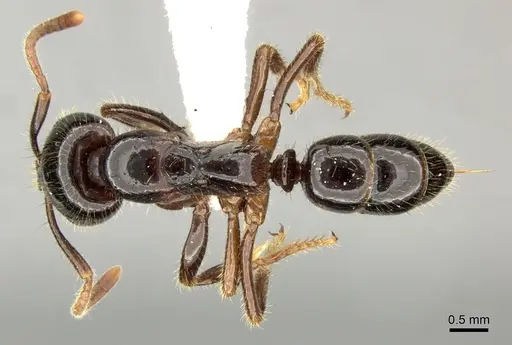
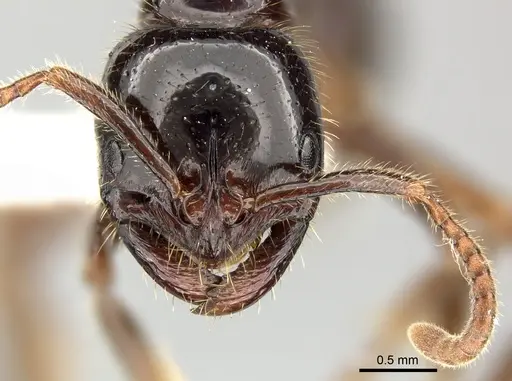
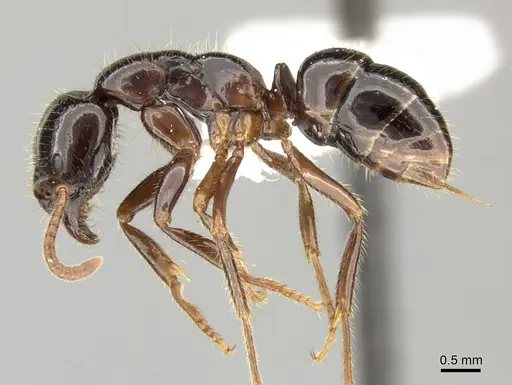
CASENT0902610
View on AntWeb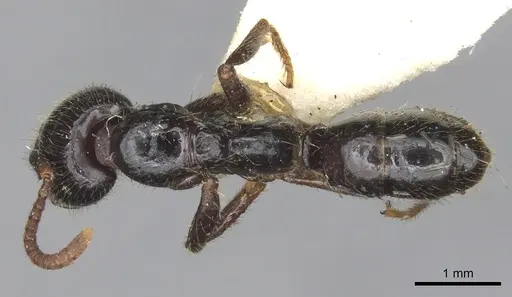
CASENT0905834
View on AntWeb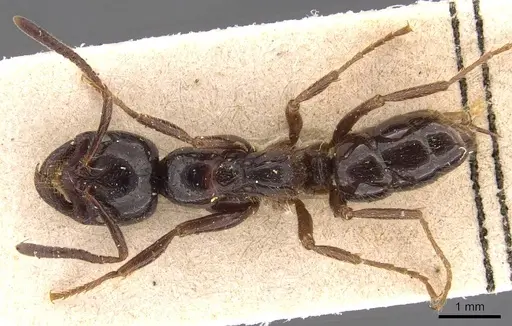
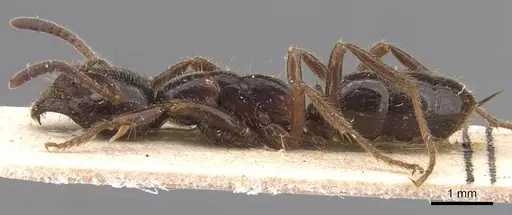
CASENT0907386
View on AntWeb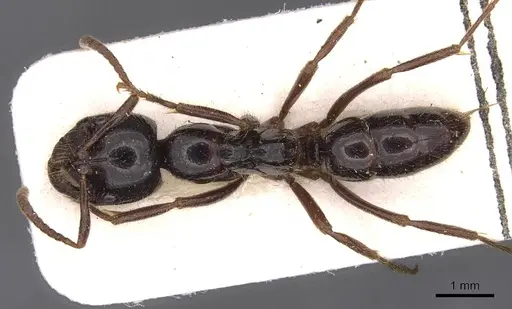
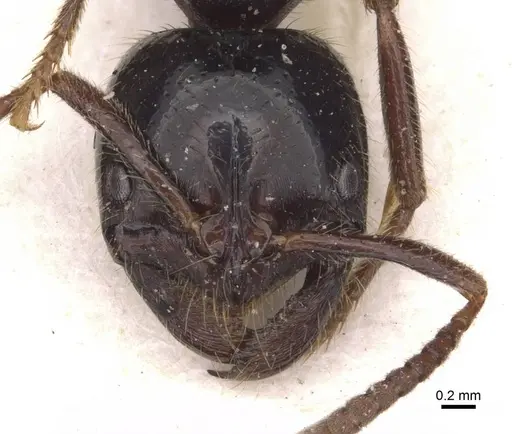
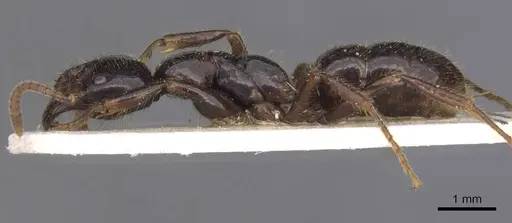
CASENT0916833
View on AntWeb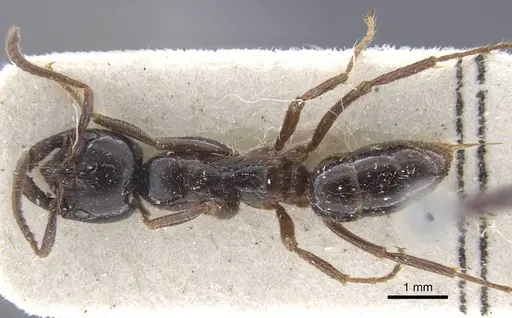
CASENT0923401
View on AntWeb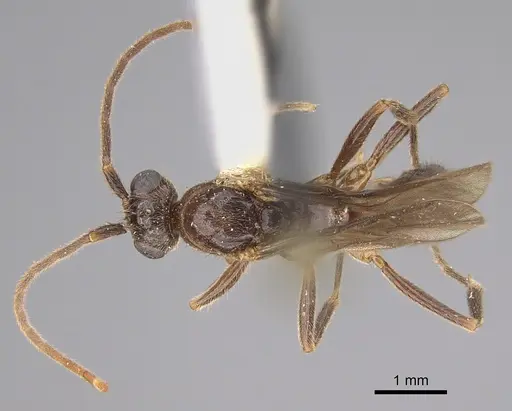
CASTYPE06989
View on AntWeb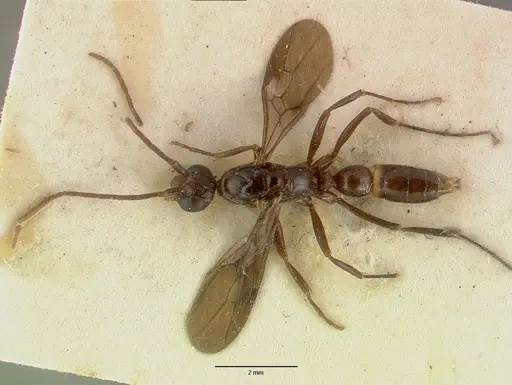
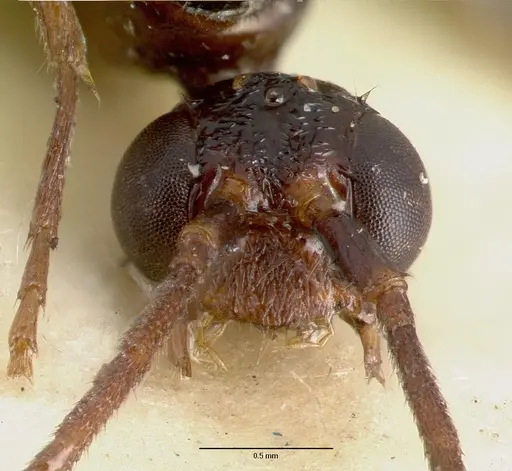
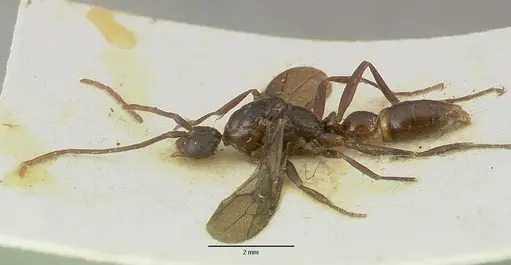
FOCOL0912
View on AntWeb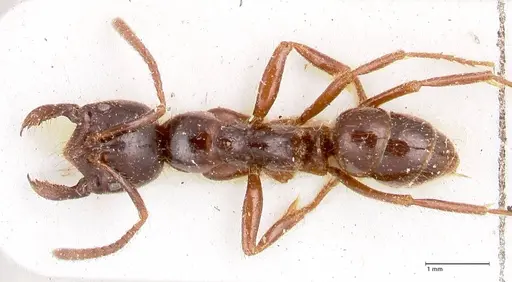
FOCOL0913
View on AntWeb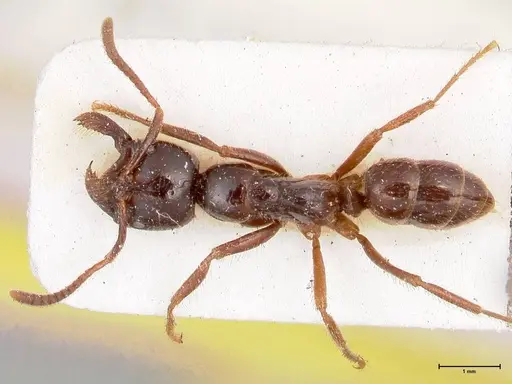
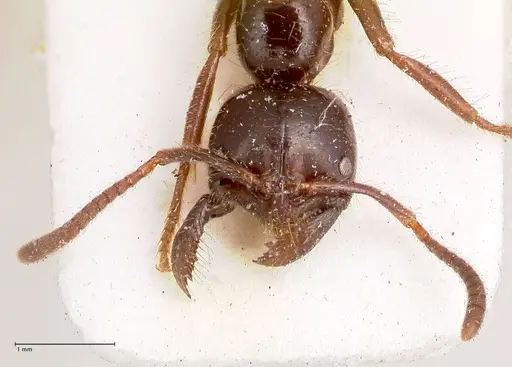
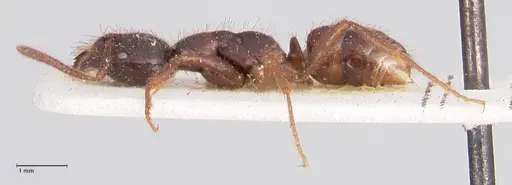
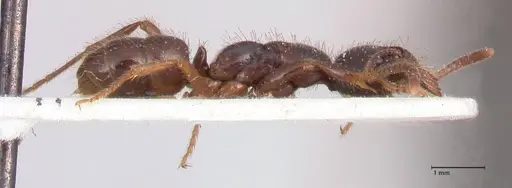
FOCOL0914
View on AntWeb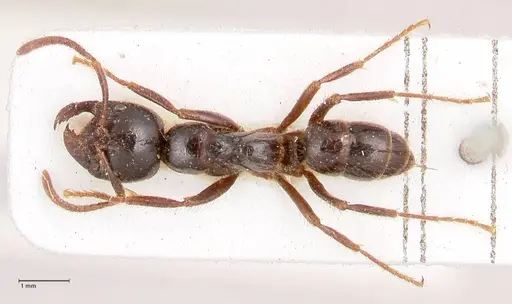
Literature
Loading distribution map...Loading products...