
Eurhopalothrix clypeata
- Sci. Name
- Eurhopalothrix clypeata
- Tribe
- Attini
- Subfamily
- Myrmicinae
- Author
- Brown & Kempf, 1960
- Distribution
- Found in 2 countries
Introduction
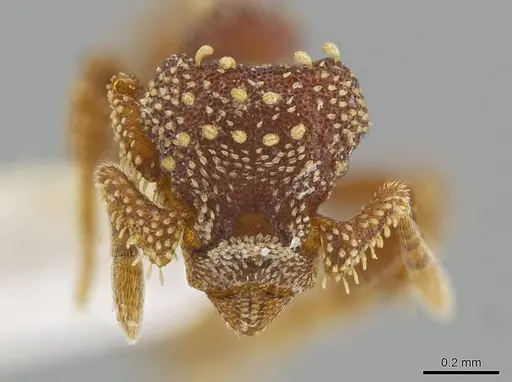
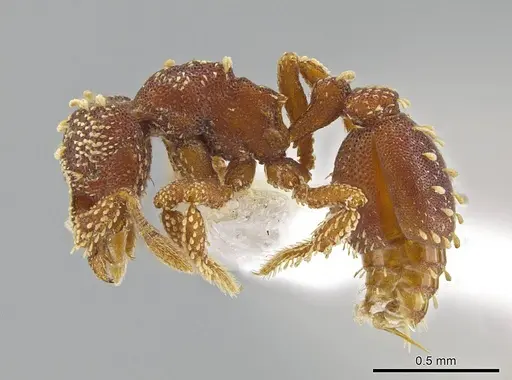
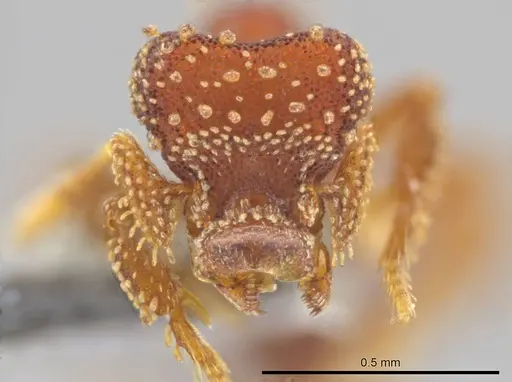
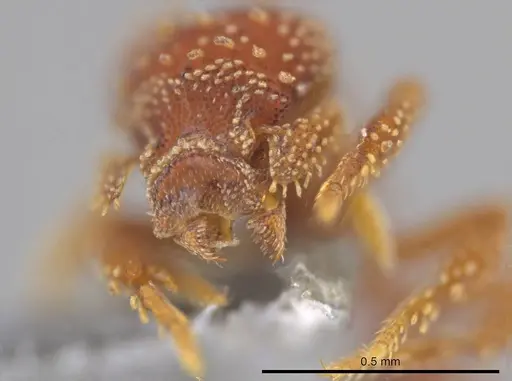
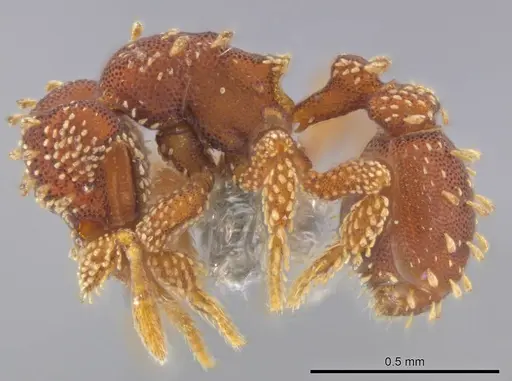
Eurhopalothrix clypeata is an extremely tiny ant, measuring just 2.0mm in total length, making it one of the smallest ants in the world . Workers have a medium rusty-brown coloration with a slightly darker gaster. The most distinctive feature is a unique arcuate (curved) transverse carina on the clypeus that divides it into two parts - a small triangular rear section and a larger concave front section. This carina is unlike any other known Eurhopalothrix species . The species belongs to the bolaui group and is known only from a single specimen collected in 1935 in Guyana, making it one of the rarest and least-studied ants in existence .
Quick Summary
- Difficulty: Expert
- Origin & Habitat: Guyana, collected between the Cuyuni and Mazaruni rivers in forest habitat [3]. As a leaf-litter ant in the Attini tribe, it lives in the humid, shaded forest floor of tropical rainforest.
- Colony Type: Unknown, only a single worker specimen has ever been collected, so colony structure has never been observed [1].
- Size & Growth:
- Antkeeping:
- Temperature: Unknown, likely 24-28°C based on related tropical leaf-litter ants. Start around 24-26°C and observe colony activity.
- Humidity: Likely requires high humidity typical of leaf-litter ants. Keep substrate consistently moist but not waterlogged.
- Diapause: Unknown, likely not required as this is a tropical species from Guyana.
- Nesting: In nature likely nests in leaf litter, rotting wood, or soil cavities. In captivity, a small test tube setup with moist substrate or a small Y-tong nest with tight chambers would work. Escape prevention is critical due to their tiny 2mm size.
- Behavior: Unknown, no behavioral observations exist for this species. Based on related Eurhopalothrix species, they are likely cryptic, slow-moving, and predatory on micro-arthropods like springtails and mites. Their tiny size and cryptic habits make them extremely difficult to keep. Escape prevention must be excellent due to their minute size.
- Common Issues: almost no biological data exists, you will be pioneering captive husbandry with no established guidelines, only known from a single specimen, no captive colonies exist to learn from, tiny size makes them extremely difficult to house and observe, escape prevention is critical, they can squeeze through the tiniest gaps, no established feeding protocols, related species are predatory on micro-arthropods
Rarity and Scientific Significance
Eurhopalothrix clypeata is one of the rarest ants in the world, it is known from only a single specimen collected in 1935 by N.A. Weber in what was then British Guiana (now Guyana) [1]. This holotype worker was found between the Cuyuni and Mazaruni rivers in forest habitat [3]. No queens, males, or colonies have ever been observed. This means virtually nothing is known about their biology, colony structure, or captive care requirements. Every aspect of keeping this species would be entirely new to antkeeping.
Identification and Distinguishing Features
This species belongs to the bolaui group of Eurhopalothrix ants [2]. Workers measure just 2.0mm in total length, making them among the smallest ants globally [1]. The most distinctive feature is the arcuate transverse carina on the clypeus, a curved ridge that divides the clypeus into two distinct sections. This is a unique character not found in any other Eurhopalothrix species [1]. Workers have thick, club-shaped erect hairs (setae) on their bodies, and the head has a characteristic 'bald spot' where the ground pilosity (tiny flattened hairs) is reduced or absent [3]. The body is medium rusty-brown with a slightly darker gaster [3].
Related Species and Inferred Biology
Eurhopalothrix clypeata is most similar to Eurhopalothrix pilulifera and Eurhopalothrix alopeciosa [1]. The genus Eurhopalothrix belongs to the tribe Attini, which includes leaf-cutter ants and many other fungus-growing ants, though not all Attini are fungivores. Eurhopalothrix species are typically cryptic leaf-litter ants that live in moist forest environments. Based on related species behavior, E. clypeata likely nests in leaf litter or rotting wood and is predatory on small arthropods like springtails and mites. They are likely slow-moving and cryptic, foraging in the leaf litter layer. The genus occurs across the Neotropics from Mexico to South America [4].
Housing and Care Recommendations
Since no captive husbandry information exists for this species, care recommendations must be inferred from related leaf-litter ants. Use a small test tube setup or mini Y-tong nest with tight chambers scaled to their tiny 2mm size. Maintain high humidity by keeping substrate consistently moist. Temperature should be in the tropical range around 24-26°C. Escape prevention is critical, their minute size means they can escape through gaps invisible to the naked eye. Use fine mesh barriers and seal all gaps. For feeding, offer small live prey like springtails, micro-arthropods, and tiny insects. Sugar water may be accepted but is not a primary food source for predatory leaf-litter ants. This species is absolutely not recommended for beginners due to the complete lack of biological data and the extreme difficulty of keeping such tiny ants.
Frequently Asked Questions
Can I keep Eurhopalothrix clypeata as a pet ant?
This species is not recommended for antkeepers. It is known only from a single specimen collected in 1935, and no captive colonies exist anywhere in the world. There is no biological data to guide captive care, and their tiny 2mm size makes them extremely difficult to house and observe. Attempting to keep this species would be purely experimental with almost no chance of success.
How big do Eurhopalothrix clypeata colonies get?
Unknown, no colony has ever been observed.
What do Eurhopalothrix clypeata ants eat?
Unconfirmed for this species, but based on related Eurhopalothrix species, they are likely predatory on micro-arthropods like springtails, mites, and tiny insects. Offer small live prey appropriate to their 2mm size.
Where is Eurhopalothrix clypeata found?
Only known from Guyana, South America. The single known specimen was collected between the Cuyuni and Mazaruni rivers in 1935 [1].
Are Eurhopalothrix clypeata good for beginners?
No. This is absolutely not a beginner species. There is no captive husbandry information, no established protocols, and no source for colonies. The only known specimen is a single worker in a museum.
How long do Eurhopalothrix clypeata workers live?
Unknown, no life history data exists for this species.
Can I find Eurhopalothrix clypeata in the wild?
Extremely unlikely. The species is known from only a single specimen collected in 1935 in Guyana. It has never been found again despite over 80 years of subsequent ant research in the region.
What temperature do Eurhopalothrix clypeata need?
Unknown, no temperature data exists. Inferred from related species to be around 24-26°C (tropical range). Start in this range and adjust based on any colony activity you might observe.
Do Eurhopalothrix clypeata need hibernation?
Unknown, likely not required, as they come from a tropical region (Guyana).
Report an Issue
The current care sheet is based fully on literature. See inconsistencies, or something that's incorrect? Please , it will be resolved after review from an admin. Contributing to the blogs tab also helps providing information, to make us be able to further improve the caresheets. Thank you for your support!
References

This caresheet is licensed under CC BY-SA 4.0 .
Community Blogs
FMNHINS0000095828
View on AntWeb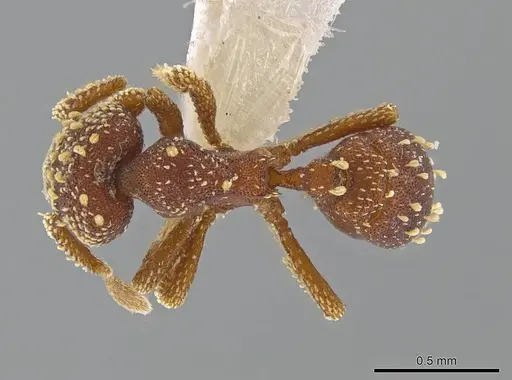
UFV-LABECOL-000773
View on AntWeb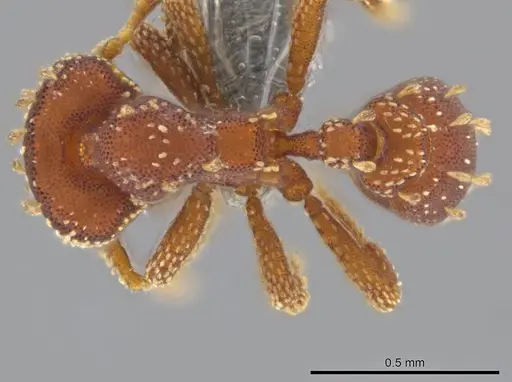
Literature
Loading distribution map...Loading products...