
Pogonomyrmex colei
- Nome científico
- Pogonomyrmex colei
- Tribo
- Pogonomyrmecini
- Subfamília
- Myrmicinae
- Autor
- Snelling, 1982
- Distribuição
- Encontrada em 1 países
Introdução
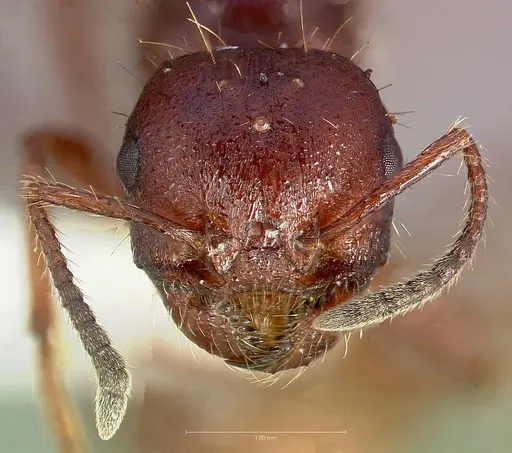
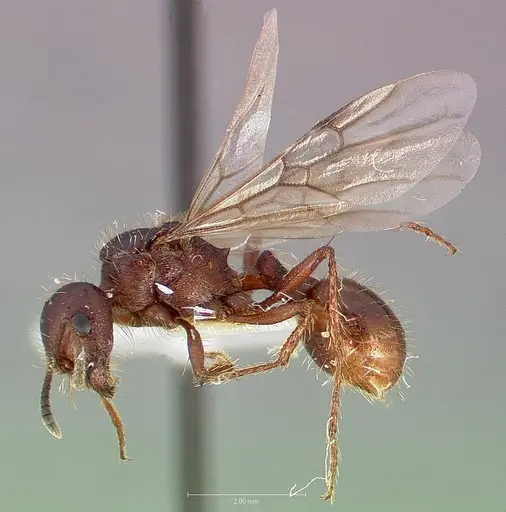
Pogonomyrmex colei is a workerless social parasite ant found in the deserts of southern Nevada, central Arizona, and southeastern California . It is completely dependent on its host, Pogonomyrmex rugosus, for survival, as it has lost the ability to produce workers . This species is listed as Vulnerable on the IUCN Red List due to its extreme rarity . Unlike typical ants, P. colei queens live inside host nests and rely on host workers for food and care. They only produce sexual offspring that disperse to find new host colonies .
Quick Summary
- Difficulty: Expert
- Origin & Habitat: Desert regions of southern Nevada, central Arizona, and southeastern California. Inhabits hot, dry Mojave and Sonoran deserts [2]. Lives exclusively as a social parasite within nests of Pogonomyrmex rugosus [1].
- Colony Type: Workerless inquiline, permanent social parasite that cannot produce workers. Relies entirely on host colony's worker caste for survival. Produces only sexual offspring (males and new queens) that disperse to find new host colonies [1][2].
- Size & Growth:
- Queen: Size data unavailable, no total length measurements found in literature.
- Worker: None, this species has completely lost the worker caste [2].
- Colony: Unknown for the parasite itself, host colonies can contain thousands of workers.
- Growth: Unknown, parasite relies on host colony growth.
- Development: Not applicable, this species never produces workers [2]. (Sexual offspring are produced within the host nest. Mating dispersal flights occur 2-3 days following summer and fall rains [1].)
- Antkeeping:
- Temperature: Desert species, prefers warm conditions. Based on host species P. rugosus, likely 25-35°C, but unconfirmed for P. colei specifically [2].
- Humidity: Dry desert conditions, low humidity appropriate. Keep nest substrate dry [2].
- Diapause: Unknown, no information available on diapause for this species.
- Nesting: Cannot be kept independently. Requires establishing a host P. rugosus colony first, then introducing parasite queens, extremely advanced and not recommended [1][2].
- Behavior: Extremely docile and passive, no workers to defend the colony. Parasitic queens are accepted into host nests through chemical mimicry. Females locate host colonies by following foraging trails and responding to recruitment pheromones [1]. Males do not fly, mating occurs within the host nest between nestmates [1]. This species poses no escape risk as it cannot survive independently.
- Common Issues: Cannot survive without its host species Pogonomyrmex rugosus., Extremely rare in the wild, with only about 1% of host colonies infected [1][2]., Maintaining both parasite and host colonies in captivity is highly complex and not recommended., Listed as Vulnerable on the IUCN Red List, making collection unethical and potentially illegal [3].
Understanding Pogonomyrmex colei: A Workerless Social Parasite
Pogonomyrmex colei is a workerless social parasite ant. It has completely lost the worker caste and relies on its host, Pogonomyrmex rugosus, for survival [2]. Only about 1% of potential host colonies are infected, making it extremely rare [1][2]. Genetic evidence shows it arose from the P. barbatus lineage through sympatric speciation [4].
How the Parasite Invades Host Colonies
P. colei queens locate host colonies by following foraging trails of P. rugosus workers, likely detecting recruitment pheromones [1]. They use chemical mimicry to gain entry without attack. Once inside, they live permanently in the host nest, laying eggs cared for by host workers. Only sexual offspring are produced [1][2].
Reproduction and Dispersal
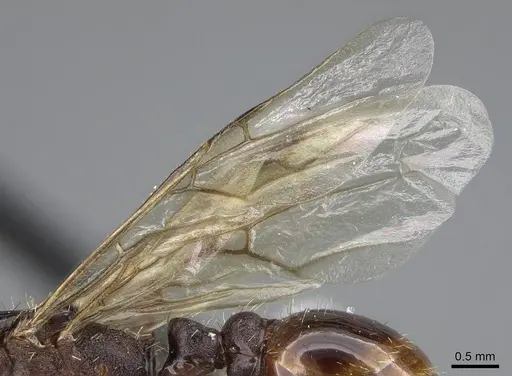
Males of P. colei do not have wings and cannot fly. Mating occurs within the host nest between parasitic queens and male offspring [1]. This within-colony mating is facilitated by high levels of inbreeding [4]. After mating, new queens disperse 2-3 days following summer and fall rains to find new host colonies [1].
Why This Species Is Not Suitable for Typical Antkeeping
Pogonomyrmex colei is not recommended for antkeeping. It cannot survive independently and requires an established host colony of P. rugosus. Maintaining this parasitic relationship in captivity is extraordinarily difficult. Additionally, the species is Vulnerable and extremely rare, making collection unethical and likely illegal [3][2].
Scientific Value and Conservation Status
Pogonomyrmex colei is scientifically valuable as a model for understanding social parasite evolution. Genome studies show that workerlessness is due to regulatory changes, not gene loss [3]. The species is classified as Vulnerable by the IUCN, facing extinction risk due to habitat loss and parasitic fragility [3][2].
Frequently Asked Questions
Can I keep Pogonomyrmex colei as a pet?
No. It is a workerless social parasite that cannot survive without its host Pogonomyrmex rugosus. Keeping it requires maintaining both species, which is extremely complex. Additionally, it is Vulnerable and rare, making collection inappropriate [1][2][3].
Why does Pogonomyrmex colei have no workers?
It evolved as a permanent social parasite, losing the worker caste over time. Genetic research shows this is due to regulatory changes, not gene loss [3].
What does Pogonomyrmex colei eat?
It does not eat independently. The parasitic queen is fed by host workers through trophallaxis [1][2].
How does P. colei find host colonies?
By following foraging trails of P. rugosus workers and detecting recruitment pheromones [1].
Is Pogonomyrmex colei dangerous?
No. It has no workers and is docile, relying on chemical deception rather than aggression [1].
How rare is Pogonomyrmex colei?
Extremely rare. Only about 1% of host colonies are infected. In one survey, only 10 of 776 colonies were parasitized [5][2].
What is the host species for P. colei?
Pogonomyrmex rugosus is the only known host. P. colei only infects environmental-caste-determining populations of P. rugosus [1][2].
Do male P. colei fly?
No. Males are wingless and mating occurs within the host nest [1].
What can antkeepers learn from P. colei?
While you cannot keep it, it demonstrates social parasite evolution. Antkeepers can study its host, P. rugosus, for fascinating harvester ant behavior [3][1][2].
Report an Issue
The current care sheet is based fully on literature. See inconsistencies, or something that's incorrect? Please , it will be resolved after review from an admin. Contributing to the blogs tab also helps providing information, to make us be able to further improve the caresheets. Thank you for your support!
References

Este guia de cuidados está sob a licença CC BY-SA 4.0 .
Posts da comunidade
CASENT0005716
Ver no AntWeb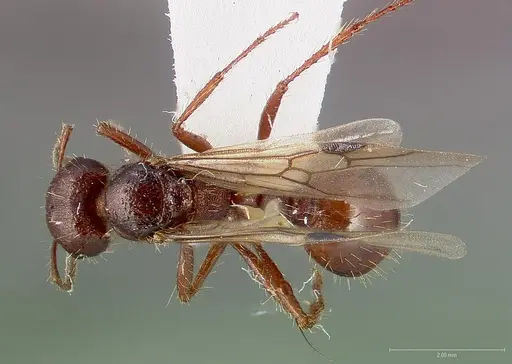
CASENT0178907
Ver no AntWeb
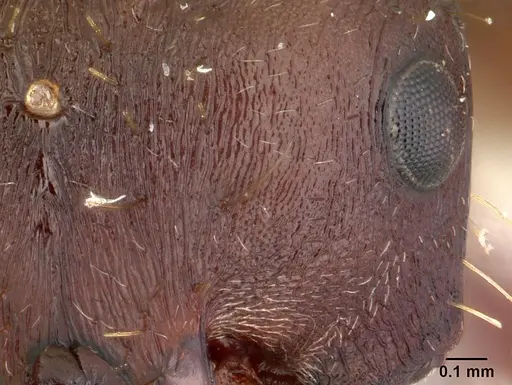
CASENT0900380
Ver no AntWeb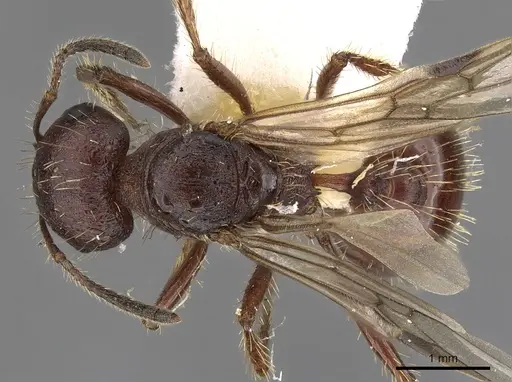
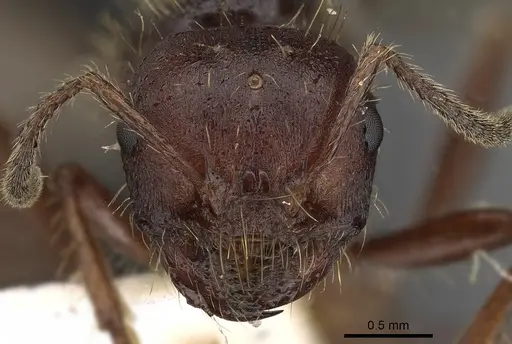
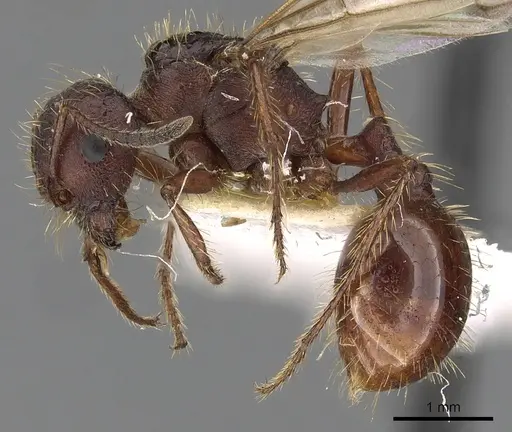
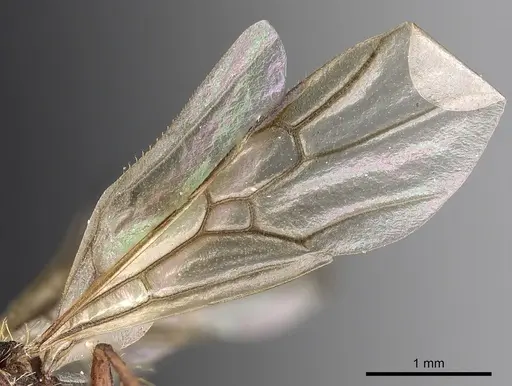
CASENT0900381
Ver no AntWeb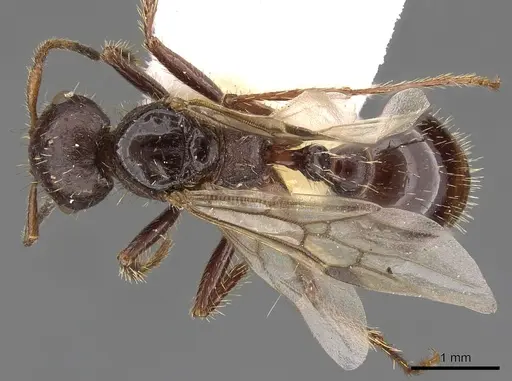
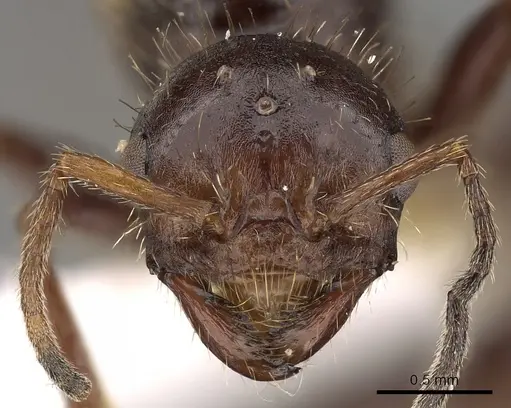
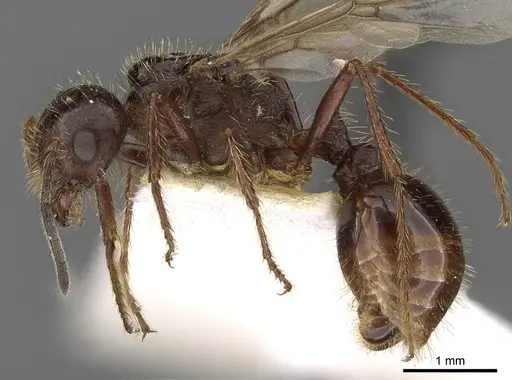
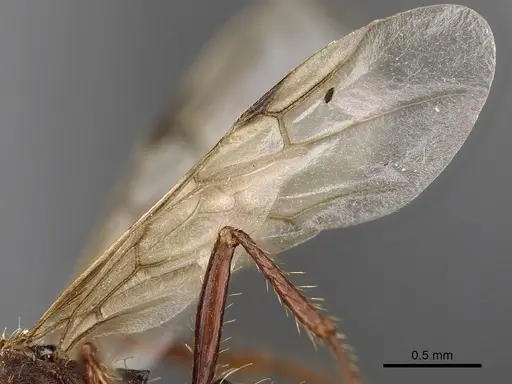
CASENT0914099
Ver no AntWeb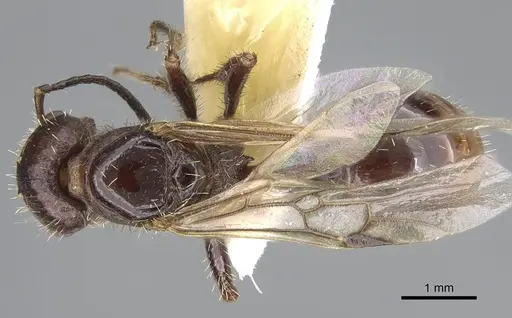
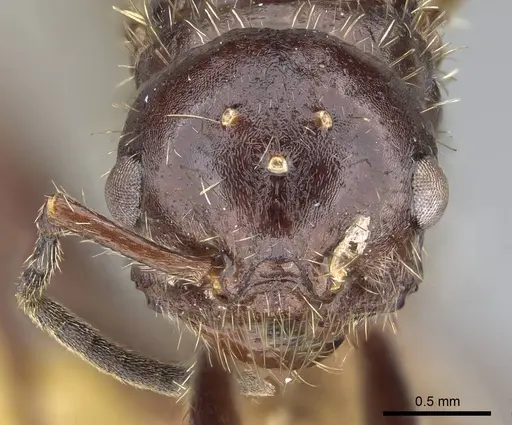
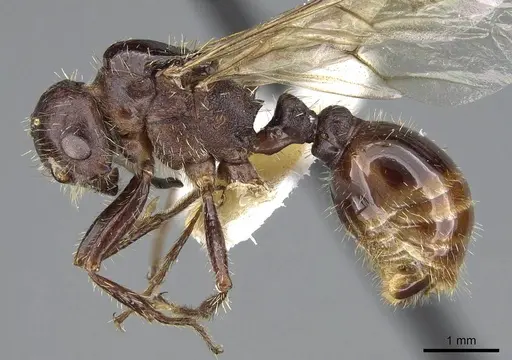
Literatura
Carregando mapa de distribuição...Carregando produtos...