Pogonomyrmex rugosus exhibits a clear seasonal flight window. Peak flight activity is concentrated in July, with the overall period spanning July to August. The concentrated timeframe makes peak months critical for sightings.
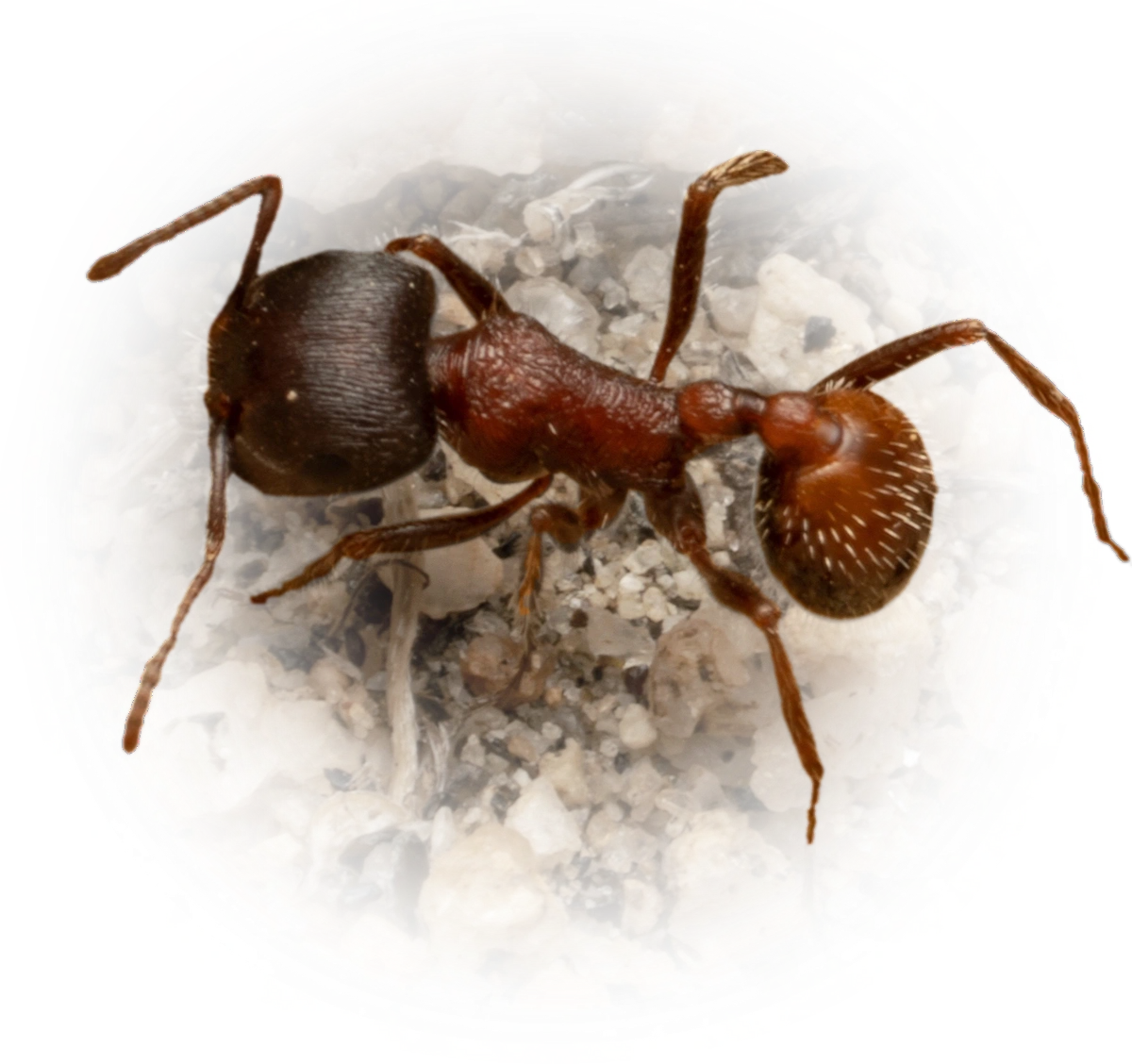
Rough Harvester Ant
Pogonomyrmex rugosus
- Sci. Name
- Pogonomyrmex rugosus
- Tribe
- Pogonomyrmecini
- Subfamily
- Myrmicinae
- Author
- Emery, 1895
- Common Name
- Rough Harvester Ant
- Distribution
- Found in 2 countries
- Nuptial Flight
- From July to August
- Peak flight Time
- 18:00
AI Identifiable
try →
Introduction
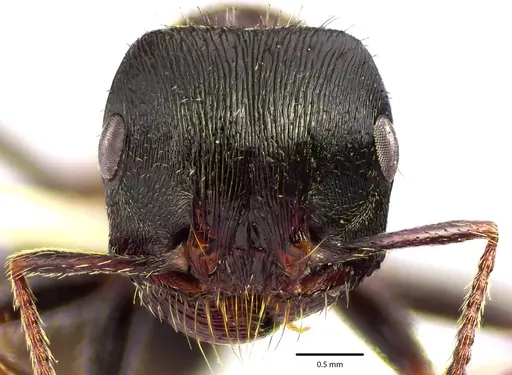
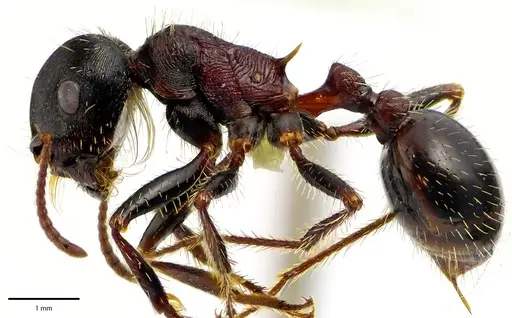
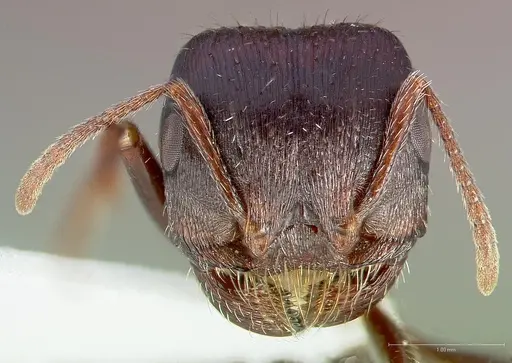
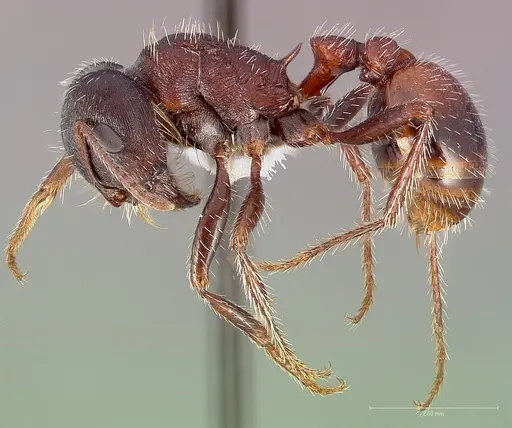
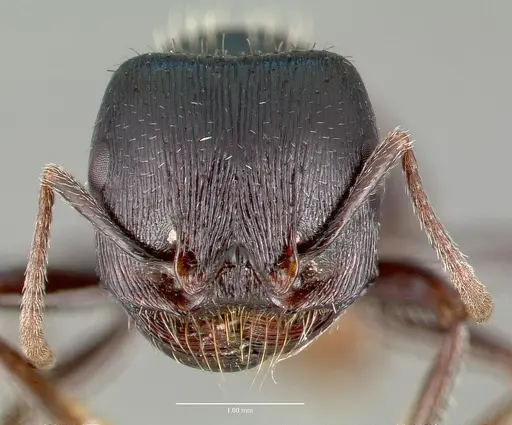
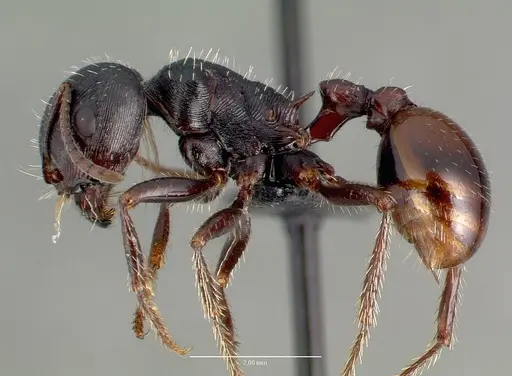
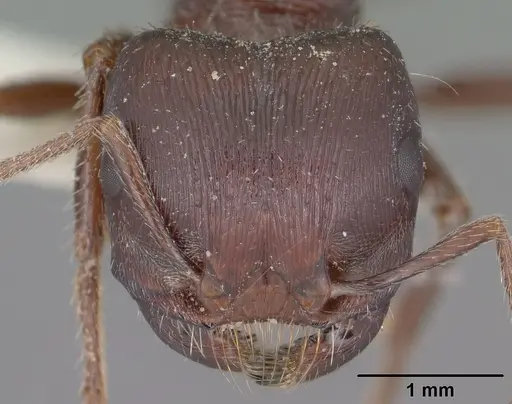
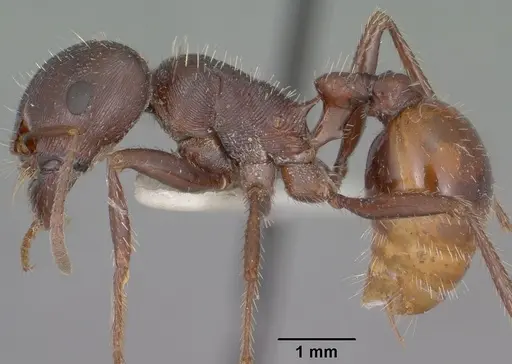
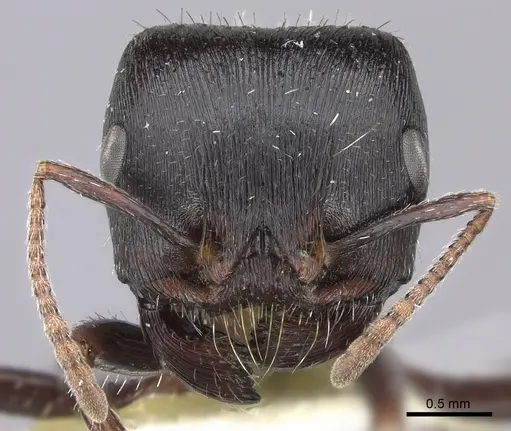
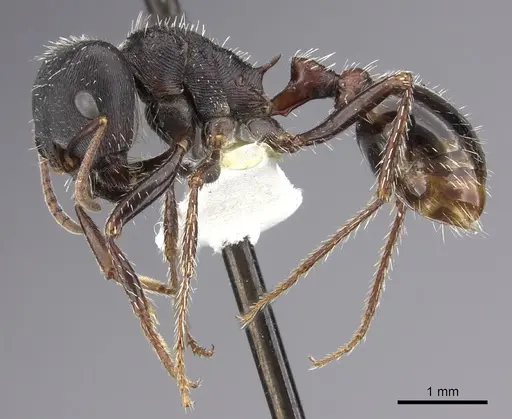
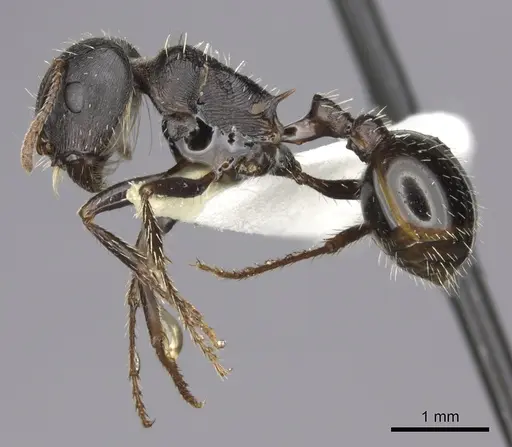
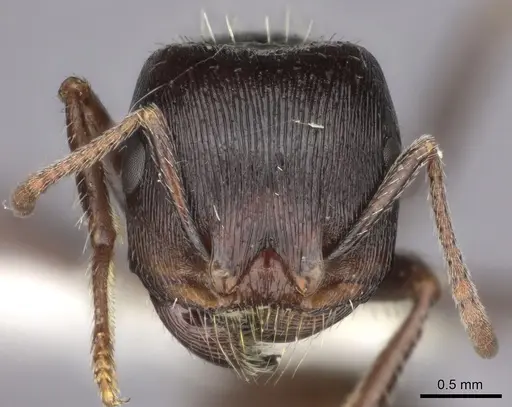
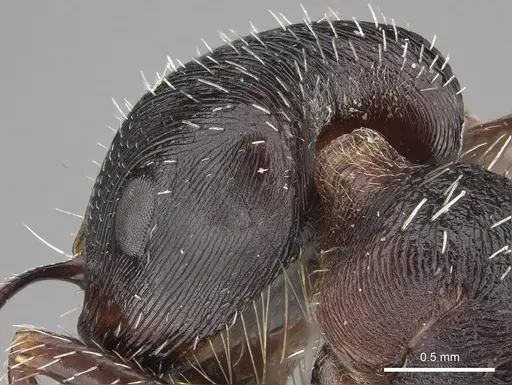
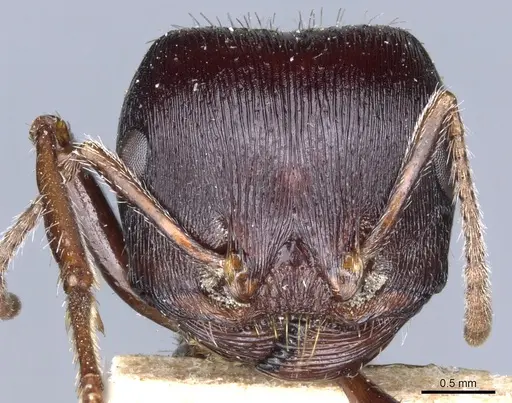
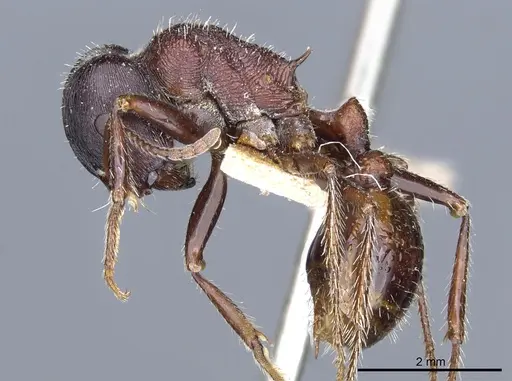
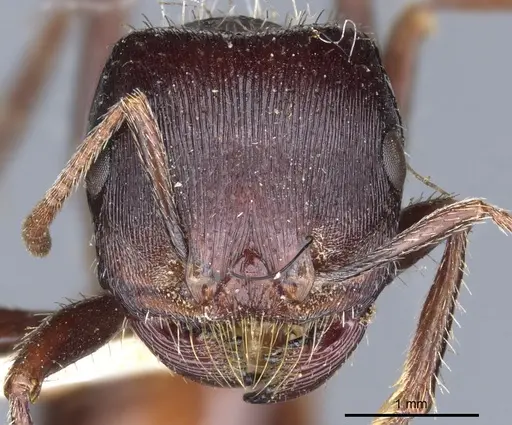
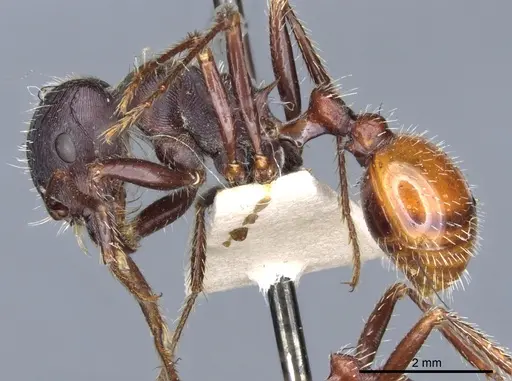
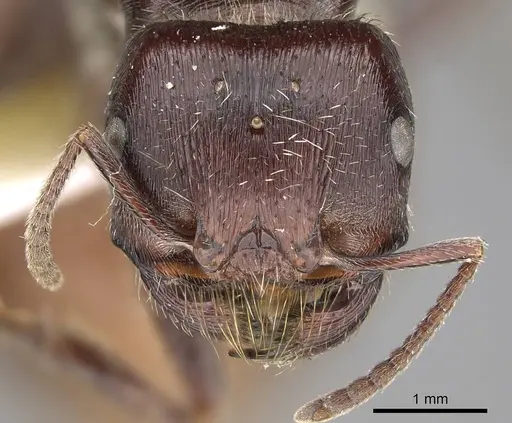
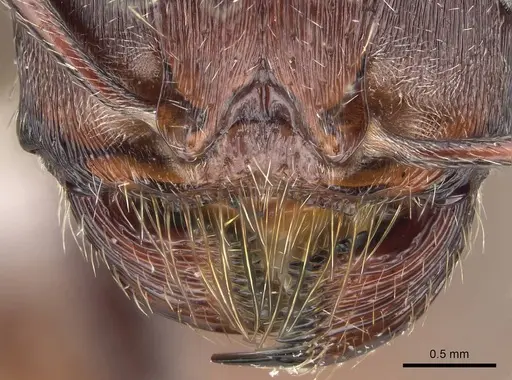
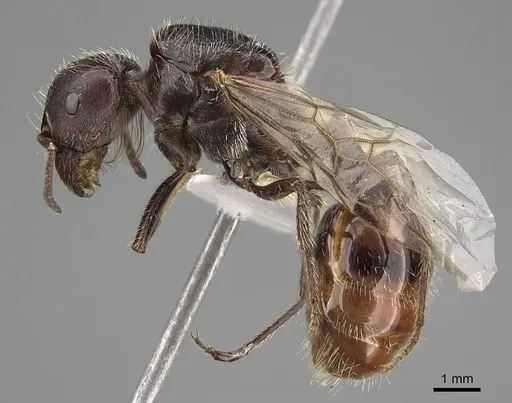
Pogonomyrmex rugosus is a large, dark brown to almost black seed-harvesting ant native to the Chihuahuan Desert region of the southwestern United States and northern Mexico. Workers measure 11.8-12.9 mm in total length , and colonies build underground nests with cleared, pebbled discs about 1 meter in diameter . These ants form monogyne colonies with single queens, and in some hybrid zones, they exhibit genetic caste determination where workers are heterozygous and queens are homozygous at specific loci . A notable feature is their divergence in mating-flight patterns; while most populations mate in summer, western Mojave Desert populations mate in late winter, adapting to local rainfall patterns .
Quick Summary
- Difficulty: Medium
- Origin & Habitat: Chihuahuan Desert, found in southern California, Nevada, New Mexico, Utah, Colorado, western Texas, and northern Mexico. Inhabits grasslands, creosotebush scrub, and riparian areas with clay to limestone soils [6][7].
- Colony Type: Monogyne, single queen colonies. Queens are polyandrous, mating with multiple males. In hybrid zones with P. barbatus, genetic caste determination occurs where workers are heterozygous and queens are homozygous at caste-determining loci [3][4][8].
- Size & Growth:
- Queen: size data unavailable
- Worker: 11.8-12.9 mm [1]
- Colony: Up to 15,000 workers in mature colonies [9]
- Growth: Moderate
- Development: Unknown, based on typical Pogonomyrmex patterns, estimated 6-10 weeks (Queens seal themselves in during founding and do not forage. First workers emerge after several weeks. Queens must overwinter before producing new queens [10][5].)
- Antkeeping:
- Temperature: Keep nest area at 22-26°C with a gradient. They tolerate surface temperatures up to 46°C and have a critical thermal maximum of 49.6°C [11][7].
- Humidity: Low to moderate. Keep nest substrate moderately dry with a small water reservoir. Avoid excessive moisture [6].
- Diapause: Yes, requires winter hibernation of 2-3 months at 10-15°C to trigger queen production [10][5].
- Nesting: Provide deep, multi-chambered nests. In the wild, nests extend 1.7-4 meters deep. Y-tong or plaster nests work well. Include clay soils and a large outworld for foraging [1][5].
- Behavior: Highly aggressive with potent sting (LD50 0.76 mg/kg in mice). Workers defend nests fiercely and use trunk trail foraging systems. Foragers show site fidelity and can forage individually or in groups [12][13][1].
- Common Issues: very high colony mortality in first two years, young colonies have nearly 99% mortality rate in the wild [2], desertification and habitat loss reduces wild colony densities [13], escape prevention is important, they are excellent climbers [6], fungal infections can cause nest relocation [20], predation by horned lizards and spiders is significant [12]
Nuptial Flight Activity Analysis 270 observations
Flight Activity by Hour 270 observations
Pogonomyrmex rugosus nuptial flight activity peaks around 18:00 during the evening. Activity is spread across a 16-hour window (07:00–22:00). A secondary activity peak occurs around 20:00. Times may be influenced by human observation patterns.
Housing and Nest Setup
Provide a deep, multi-chambered nest for Pogonomyrmex rugosus. In the wild, nests extend 1.7-4 meters deep with broad galleries [1][5]. Use Y-tong or plaster nests with chambers at least 1-2 cm wide to accommodate large workers. Include a large outworld connected to the nest for foraging, as these ants are active and use trunk trail systems. Fill the nest with a mix of sandy soil and clay, as they prefer clay soils in the wild. Add a water reservoir with a cotton wick for humidity, but keep the main substrate relatively dry since they are desert ants. Escape prevention is crucial, they are agile climbers [6].
Feeding and Diet
P. rugosus are primarily seed harvesters. Offer a constant supply of small seeds like grass seeds, bird seed, and millet. They show preference for larger seeds and will selectively forage on abundant seed crops [15]. Provide protein weekly in the form of small insects like mealworms or crickets, as they also prey on insects opportunistically [16][1]. Remove moldy seeds promptly to prevent colony health issues.
Temperature and Heating
Keep nest areas at 22-26°C with a temperature gradient. These ants tolerate surface temperatures up to 46°C in the wild and have a critical thermal maximum of 49.6°C [11][7]. Use a heating cable on one side of the nest to allow self-regulation. They are more active at warmer temperatures and may forage nocturnally during hot summer months. Avoid prolonged temperatures below 15°C except during hibernation.
Seasonal Care and Hibernation
P. rugosus requires a winter hibernation period of 2-3 months at 10-15°C to trigger queen production the following season [10][5]. Reduce feeding during hibernation but ensure water is available. In the wild, colonies become largely inactive in winter. Return to normal temperatures gradually in spring. Mating flights occur in summer in most ranges, but western Mojave populations mate in late winter [5].
Behavior and Defense
This species is highly aggressive and has a potent sting (LD50 0.76 mg/kg in mice) [12]. Workers defend nests fiercely and use alarm pheromone (4-methyl-3-heptanone) to recruit nestmates [17]. Foraging is flexible, they use individual foraging when seeds are scarce but switch to group foraging with trunk trails when resources are abundant [13][1]. Foragers show strong site fidelity and maintain territories against neighboring colonies.
Colony Development and Growth
Colony growth is moderate. Founding queens are fully claustral, sealing themselves in and surviving on stored fat reserves until first workers emerge [5][14]. Young colonies face high mortality, nearly 99% die in the first two years in the wild [2]. Established colonies can live for decades, with nests persisting up to 30-35 years. Mature colonies reach up to 15,000 workers [9]. Queens are polyandrous, mating with multiple males to increase genetic diversity [18][19].
Frequently Asked Questions
How long does it take for Pogonomyrmex rugosus to produce first workers?
First workers typically emerge after 6-10 weeks at optimal temperatures. The queen seals herself in during founding and does not forage, relying on stored fat reserves [5][6].
What do I feed Pogonomyrmex rugosus?
They are primarily seed harvesters. Offer small seeds like grass seeds and bird seed constantly, and provide protein weekly with insects like mealworms or crickets [15][1].
How big do Pogonomyrmex rugosus colonies get?
Mature colonies reach up to 15,000 workers and can persist for 30+ years [9][2].
Do Pogonomyrmex rugosus need hibernation?
Yes, they require a winter rest period of 2-3 months at 10-15°C to trigger queen production [10][5].
Can I keep multiple Pogonomyrmex rugosus queens together?
No, this species is strictly monogyne, single queen colonies. Multiple queens will fight [3][8].
What temperature is best for Pogonomyrmex rugosus?
Keep nest areas at 22-26°C with a gradient. They tolerate high temperatures up to 46°C [11][7].
Are Pogonomyrmex rugosus good for beginners?
They are rated medium difficulty due to their aggressive nature, potent sting, and specific care needs like hibernation and clay soils [6].
When do Pogonomyrmex rugosus have nuptial flights?
Timing varies: most populations mate in summer (July-August), but western Mojave populations mate in late winter (February-March) [5].
Why are my Pogonomyrmex rugosus dying?
Young colonies have high natural mortality (nearly 99% in first two years). Other causes include excessive humidity, fungal infections, or predation [2][20].
What type of nest should I use for Pogonomyrmex rugosus?
Use deep, multi-chambered nests like Y-tong or plaster. Include clay soils and a large outworld for foraging [1][5].
When is the nuptial flight of Pogonomyrmex rugosus?
The nuptial flight of Pogonomyrmex rugosus typically occurs From July to August.
What time of day does Pogonomyrmex rugosus fly?
The nuptial flight of Pogonomyrmex rugosus peaks around 18:00 during the evening, with most activity between 07:00 and 22:00. Times may be influenced by human observation patterns.
Report an Issue
The current care sheet is based fully on literature. See inconsistencies, or something that's incorrect? Please , it will be resolved after review from an admin. Contributing to the blogs tab also helps providing information, to make us be able to further improve the caresheets. Thank you for your support!
References

This caresheet is licensed under CC BY-SA 4.0 .
Community Blogs
ANTWEB1041684
View on AntWeb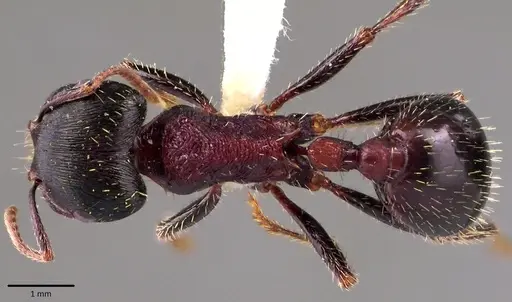
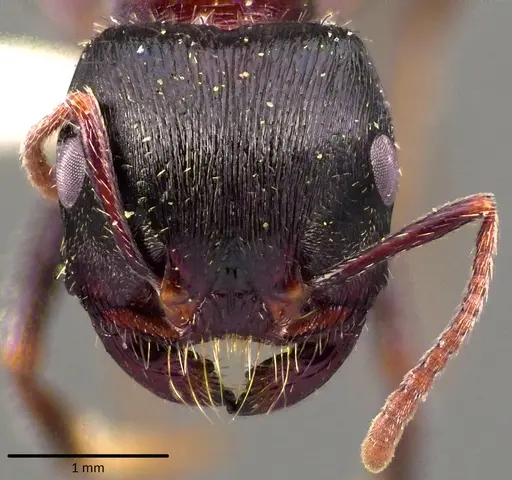
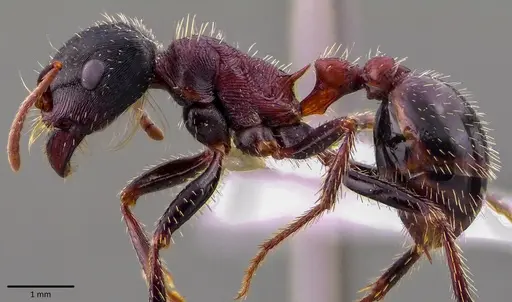
ANTWEB1041685
View on AntWeb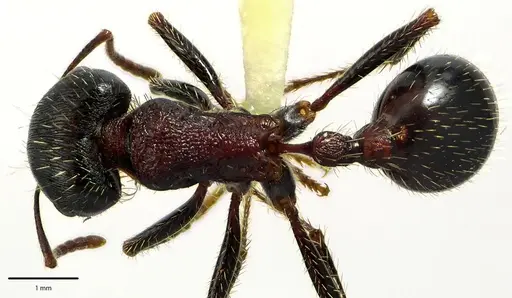
CASENT0000271
View on AntWeb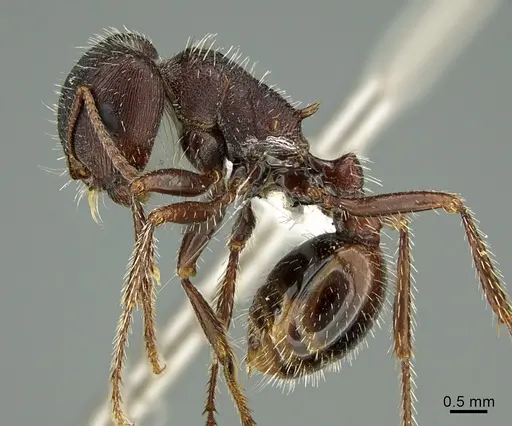
CASENT0005708
View on AntWeb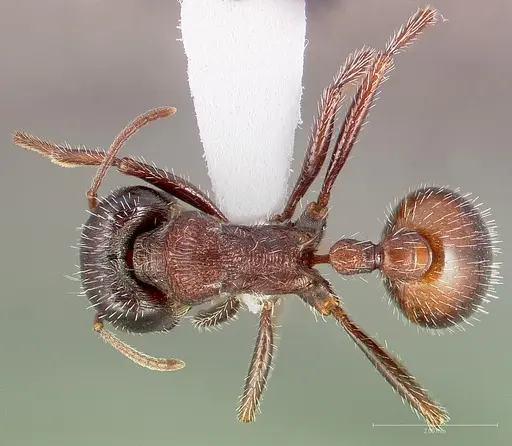
CASENT0006287
View on AntWeb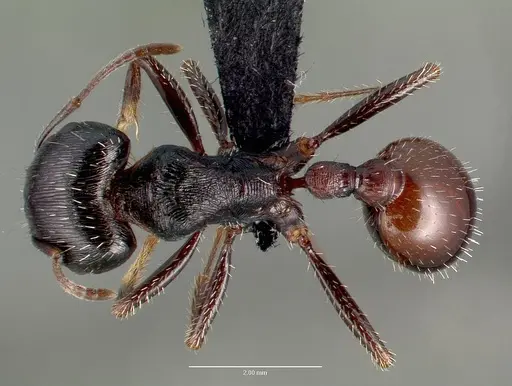
CASENT0102896
View on AntWeb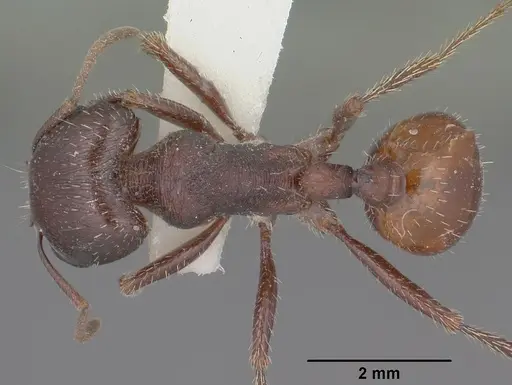
CASENT0217268
View on AntWeb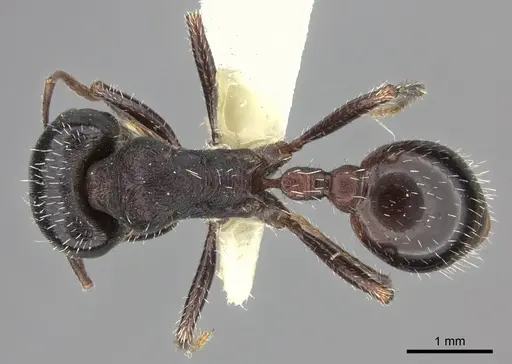
CASENT0235326
View on AntWeb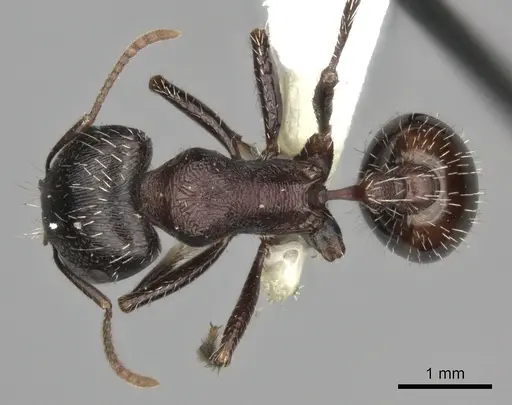
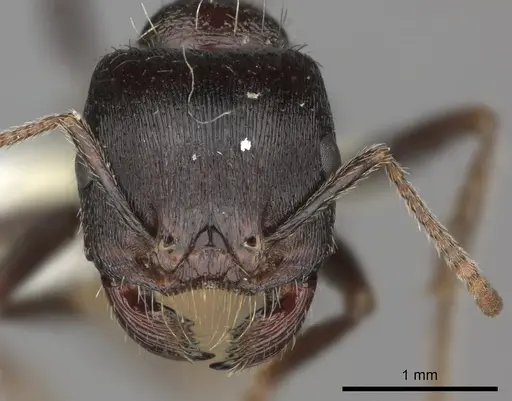
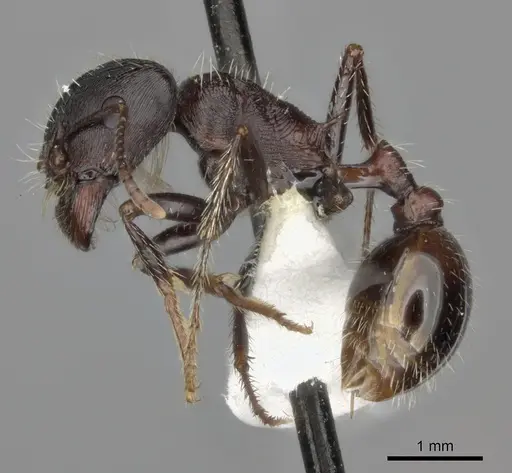
CASENT0235327
View on AntWeb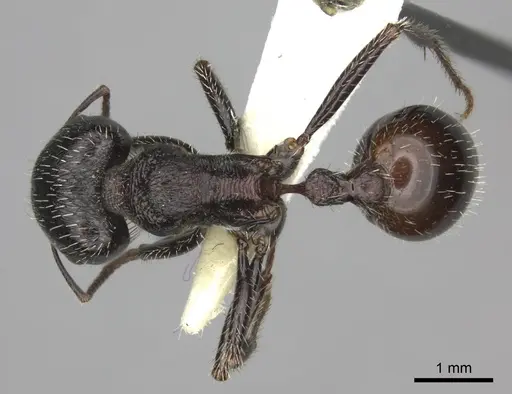
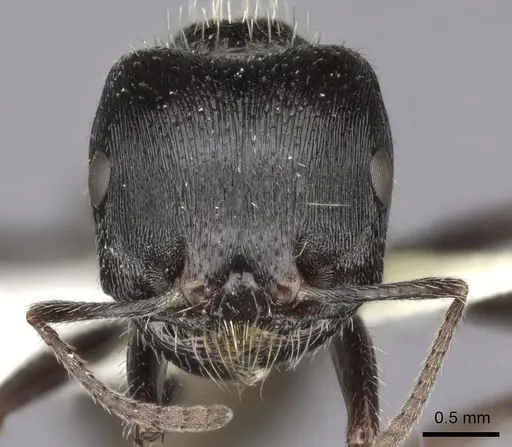
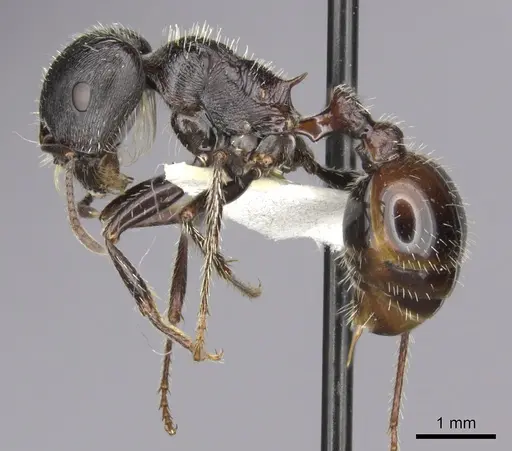
CASENT0235328
View on AntWeb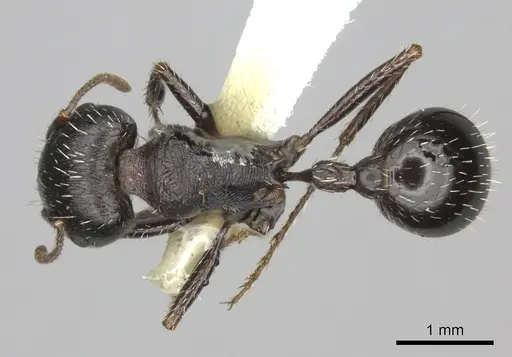
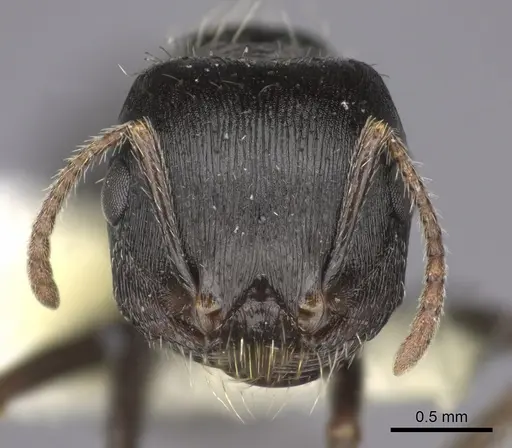
CASENT0235330
View on AntWeb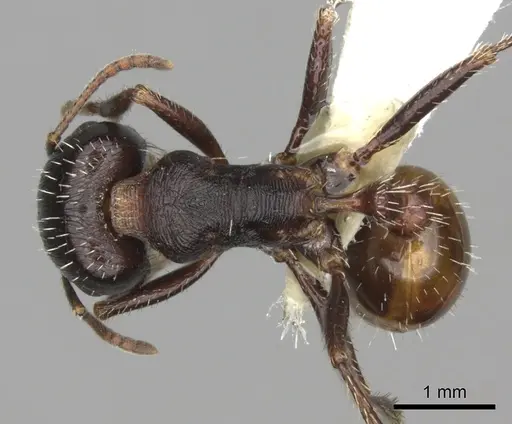
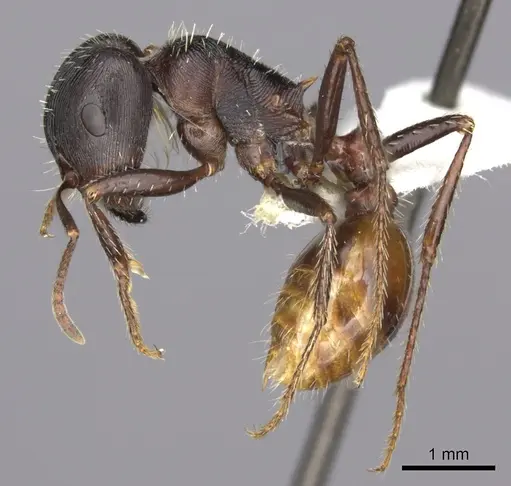
CASENT0863109
View on AntWeb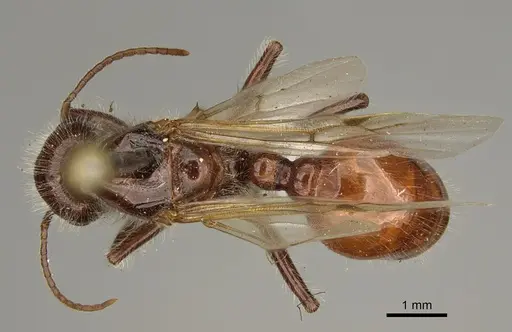
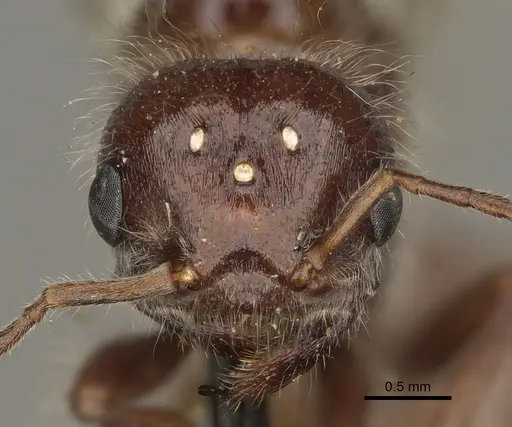
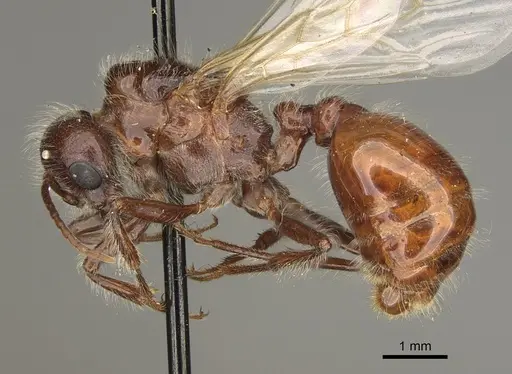
CASENT0904108
View on AntWeb
CASENT0904109
View on AntWeb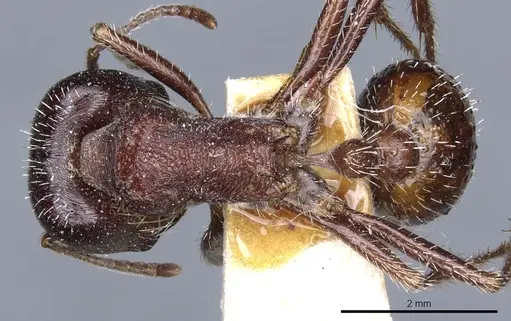
CASENT0904110
View on AntWeb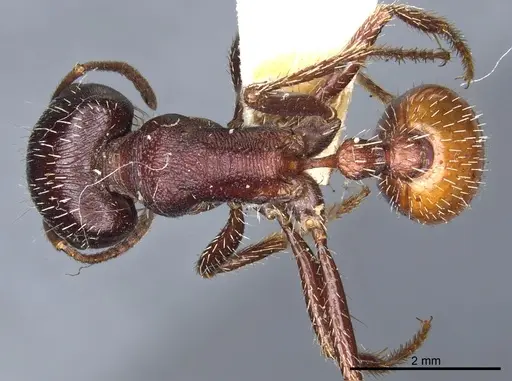
CASENT0914107
View on AntWeb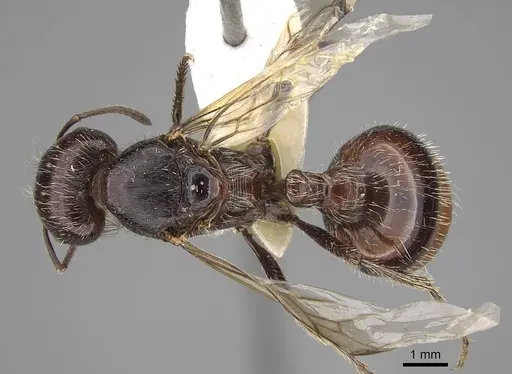
Literature
Loading distribution map...Loading products...