
Iridomyrmex obsidianus
- Nom sci.
- Iridomyrmex obsidianus
- Tribu
- Leptomyrmecini
- Sous-famille
- Dolichoderinae
- Auteur
- Emery, 1914
- Distribution
- Trouvé dans 1 pays
Introduction
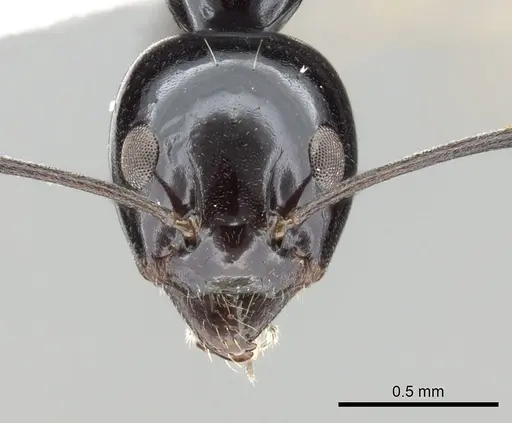
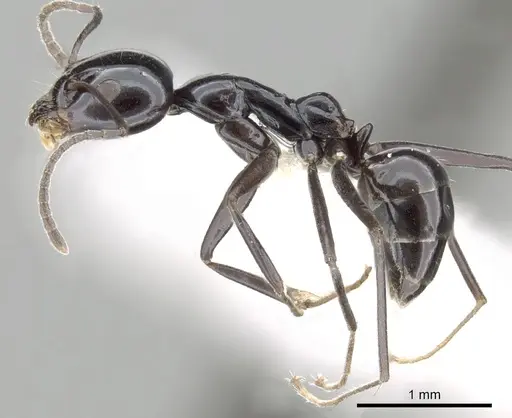
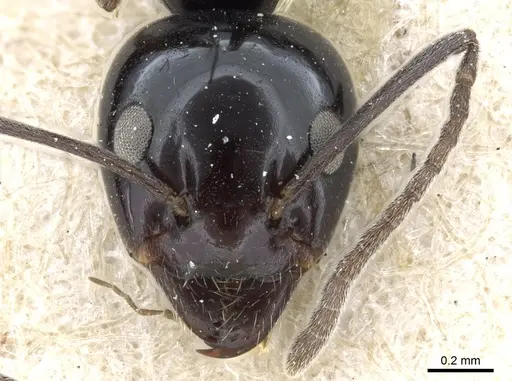
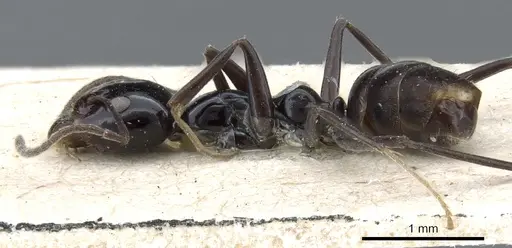
Iridomyrmex obsidianus is a small ant species native to New Caledonia, a tropical island in the South Pacific. Workers are tiny with an extremely glossy, shiny cuticle that gives them a polished, obsidian-like appearance - this distinctive feature is how they got their scientific name. The body is dark chocolate-colored with pale yellow erect hairs. The most reliable identifying feature is the long antennal scape, which extends about three times its diameter beyond the back of the head, easily separating them from the similar Iridomyrmex calvus that shares the same island . This species was first described by Emery in 1914 from specimens collected on Mount Humboldt at 1600m elevation . As a Dolichoderine ant, they lack a functional sting and rely on chemical defense instead.
Quick Summary
- Difficulty: Medium
- Origin & Habitat: New Caledonia, a tropical island in the South Pacific with humid, warm climate. Specimens collected from Mount Humboldt at 1600m elevation suggest tolerance for cooler conditions at higher altitudes [2][4].
- Colony Type: Colony structure is unconfirmed. No specific data on queen number or colony social structure exists for this species.
- Size & Growth:
- Queen: Size data unavailable, no queen measurements have been published
- Worker: Size data unavailable, the available measurements describe head dimensions only (head width 0.73-0.84mm), not total body length [1]
- Colony: Unknown, no colony size data available
- Growth: Unknown, no development data exists for this species
- Development: Unconfirmed (No direct development data exists for this species.)
- Antkeeping:
- Temperature: Aim for 22-26°C. New Caledonia has a tropical climate with year-round warmth. Provide a gentle temperature gradient.
- Humidity: Moderate to high, New Caledonia is humid (60-80%). Keep nest substrate consistently moist but not waterlogged. Provide a humidity gradient so ants can choose their preferred zone.
- Diapause: Unlikely, as a tropical species, formal hibernation is probably not required
- Nesting: No specific nesting data exists. In captivity, standard test tubes or small nests work well. Given their small size, they likely nest in soil or rotting wood in nature.
- Behavior: Behavior is undocumented in scientific literature. Most Iridomyrmex species are generalist foragers and may be moderately aggressive when defending territory. Their small size means escape prevention is critical, they can squeeze through tiny gaps. As Dolichoderinae, they lack a sting and defend by biting and secreting defensive chemicals from their abdomen. They likely forage in trails and recruit nestmates to food sources.
- Common Issues: tiny size makes escape likely without fine mesh barriers, no published care guidelines means starting points are estimates, colony structure unknown, may be single or multi-queen, development timeline unconfirmed requires observation-based adjustments, limited availability in antkeeping hobby
Appearance and Identification
Iridomyrmex obsidianus workers are tiny ants. Their most striking feature is the extremely glossy, shiny cuticle that gives them a polished appearance, this is how they got their scientific name 'obsidianus' (referring to obsidian volcanic glass). The body color is described as shining dark chocolate, with pale yellow erect hairs scattered across the body [1].
The key identifying feature is the long antennal scape, the antenna's first segment extends about three times its diameter beyond the rear margin of the head [1]. This makes them easy to distinguish from their close relative Iridomyrmex calvus, which also lives on New Caledonia but has a shorter scape. No queen or male descriptions are available in the scientific literature.
Natural History
This species is known only from New Caledonia, a tropical island in the South Pacific about 1,200km east of Australia [4]. The type specimen was collected on Mount Humboldt at approximately 1600m elevation, suggesting this species prefers higher-altitude or cooler microclimates within the island's tropical environment [2].
Beyond these basic collection records, no detailed biological studies exist for Iridomyrmex obsidianus. The genus Iridomyrmex as a whole contains species that are typically generalist foragers.
Housing and Nest Setup
Given their tiny size, you'll need excellent escape prevention. Use fine mesh on any ventilation holes and ensure all connections between outworld and nest are sealed. Test tube setups work well for founding colonies, with a water reservoir providing humidity. For established colonies, a small nest with appropriately scaled chambers works better than oversized formicaria.
Since we have no specific nesting data, provide options: a moist area for brood chambers and a slightly drier area for the queen to rest. A humidity gradient lets the ants self-regulate. Keep nesting materials dark to simulate underground conditions.
Feeding and Diet
No specific dietary studies exist for this species. Based on typical Iridomyrmex behavior, they are likely generalist foragers that collect honeydew from aphids and scale insects, hunt small insects, and will accept sugar sources. Feed a mix of sugar water or honey as a constant energy source, and protein sources like small fruit flies or other appropriately sized prey items.
Because workers are so tiny, prey items must be very small. Offer food regularly, removing uneaten prey within 24 hours to prevent mold.
Temperature and Seasonal Care
New Caledonia has a warm tropical climate with average temperatures ranging from 20-30°C depending on season and elevation. Since the type specimen came from 1600m elevation, they may tolerate slightly cooler conditions than pure lowland tropical ants. Aim for a nest temperature of 22-26°C, with a slight gradient allowing workers to move between warmer and cooler areas.
Whether they need a winter rest period is unknown. Tropical ants often slow down slightly during cooler months but don't enter true diapause. If your room temperature drops below 20°C during winter, consider mild supplemental heating.
Frequently Asked Questions
How long does it take for Iridomyrmex obsidianus to produce first workers?
The egg-to-worker timeline is unconfirmed for this species. Monitor your colony for signs of development and adjust temperature if growth seems stalled.
What do Iridomyrmex obsidianus ants eat?
No specific dietary data exists, but they likely accept sugar sources (honey, sugar water) and small protein prey like fruit flies. Feed sugar constantly and protein regularly. Remove uneaten food promptly.
Can I keep multiple queens together?
Colony structure is unconfirmed for this species. We don't have specific data for Iridomyrmex obsidianus. Start with a single queen to be safe.
What size colony does Iridomyrmex obsidianus reach?
Maximum colony size is unknown, no colony size data has been published.
What temperature do they need?
Aim for 22-26°C in the nest area. This species comes from New Caledonia's warm, humid climate with some elevation tolerance. A temperature gradient allows workers to self-regulate.
Do they need hibernation?
Tropical species typically don't require formal hibernation. A slight slowdown in winter months is natural, but a full diapause period is likely unnecessary. Keep them above 18°C year-round.
Why are my Iridomyrmex obsidianus escaping?
Their tiny size means they can squeeze through gaps too small to see. Use fine mesh, check all seams and connections, and use barrier tape or fluon on container rims. Escape prevention must be excellent.
Is Iridomyrmex obsidianus good for beginners?
Difficulty is moderate. The main challenge is that this species has no published care guidelines, so you'll need to adapt based on observation. Their tiny size also requires careful escape prevention.
When will nuptial flights occur?
Nuptial flight timing is undocumented for this species. In tropical regions like New Caledonia, mating flights can occur year-round or be triggered by seasonal rains. Watch for winged reproductives appearing in established colonies.
Report an Issue
The current care sheet is based fully on literature. See inconsistencies, or something that's incorrect? Please , it will be resolved after review from an admin. Contributing to the blogs tab also helps providing information, to make us be able to further improve the caresheets. Thank you for your support!
References

Cette fiche d'élevage est sous licence CC BY-SA 4.0 .
Blogs de la communauté
CASENT0249713
Voir sur AntWeb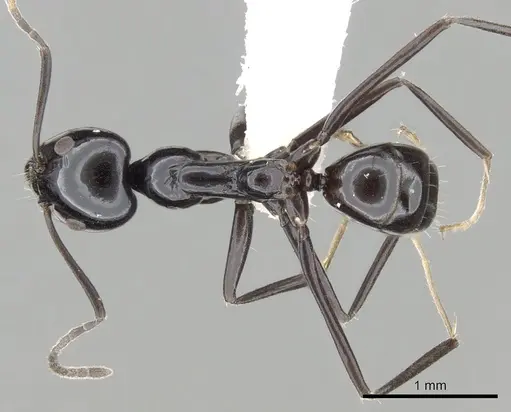
CASENT0905052
Voir sur AntWeb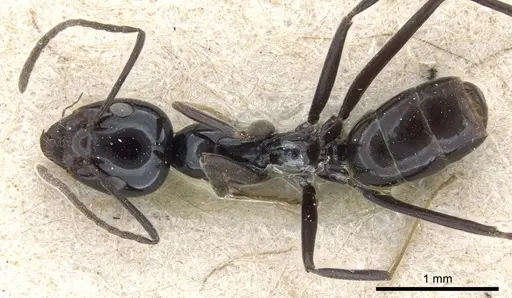
Littérature
Chargement de la carte de répartition...Chargement des produits...