
Tetramorium trafo
- Sci. Name
- Tetramorium trafo
- Tribe
- Crematogastrini
- Subfamily
- Myrmicinae
- Author
- Hita Garcia & Fisher, 2012
- Distribution
- Found in 1 countries
Introduction
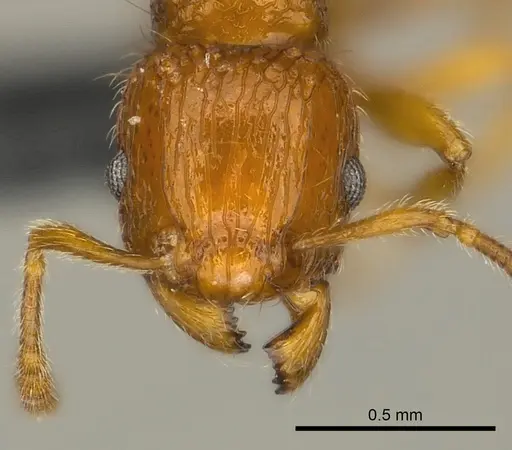
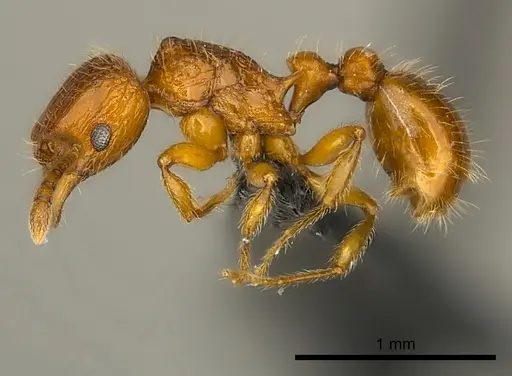
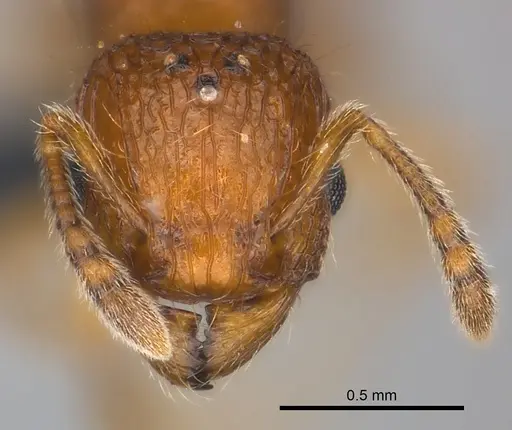
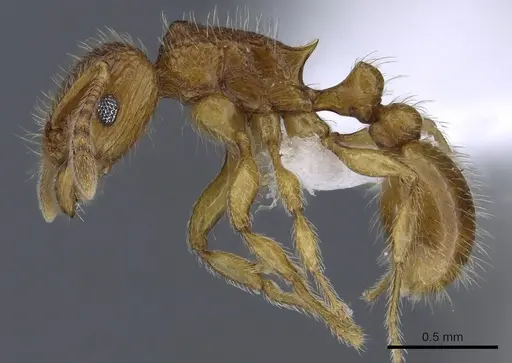
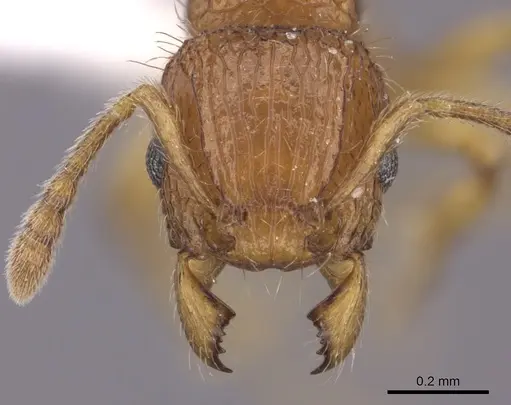
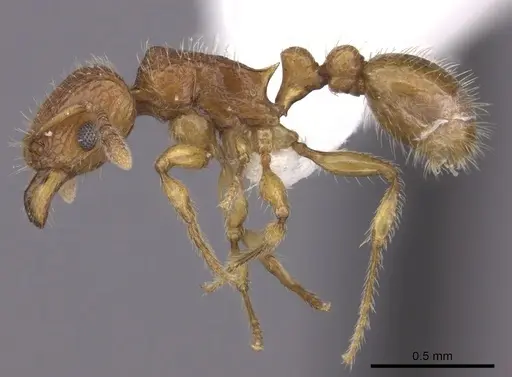
Tetramorium trafo is a very small ant found only on the northern coast of Madagascar. Workers have a head length of about 0.57 to 0.64 mm . The species gets its name from a distinctive hump-like bump on its pronotum (the front of the middle body section) - 'trafo' means 'hump of cattle' in Malagasy . They live in leaf litter in coastal rainforests and dry forests, from sea level up to 180 m . Their small size and yellow-brown color help them blend into the forest floor. This species belongs to the Tetramorium bonibony group, which is characterized by a compact, stout body and that pronotal bump. They are leaf litter specialists, foraging in the dense layer of decaying material on the forest floor. Their biology is poorly studied, so much of their captive care is inferred from related Tetramorium.
Quick Summary
- Difficulty: Medium
- Origin & Habitat: Endemic to the coastal strip at the northern tip of Madagascar, ranging from Analabe in the south to Ampombofofo in the north. They inhabit littoral rainforests and tropical dry forests at low elevations of 10 to 180 meters [1][2].
- Colony Type: Unconfirmed, likely monogyne (single queen) based on typical Tetramorium patterns, but not directly documented.
- Size & Growth:
- Queen: Not documented, estimated 5 to 7 mm based on Tetramorium genus patterns
- Worker: Not documented, inferred from Tetramorium genus, likely around 2 to 3 mm. Head length is 0.57-0.64 mm [1]
- Colony: Unknown, no colony size data available
- Growth: Unknown
- Development: Estimated 6 to 8 weeks based on typical Tetramorium development at tropical temperatures (This is an estimate, actual timing may vary depending on conditions.)
- Antkeeping:
- Temperature: 24 to 28°C, these are tropical ants from low elevation coastal Madagascar. A gentle temperature gradient allows them to self-regulate [2].
- Humidity: High humidity, keep the nest substrate consistently moist (like a wrung-out sponge) with some drier areas for the ants to choose from [2].
- Diapause: No, as a tropical species from coastal Madagascar, they do not need a winter dormancy period. Keep them warm year-round [2].
- Nesting: Leaf litter specialists that naturally nest in decaying wood and forest floor debris. In captivity, use a naturalistic setup with moist soil and leaf litter, or a Y-tong (AAC) or plaster nest with small chambers scaled to their tiny size [2].
- Behavior: These are small, ground-dwelling ants that forage through leaf litter. They are not aggressive, they typically flee from disturbance rather than engage. Their defense comes from a modified stinger that smears venom rather than pierces (typical of their subfamily). Their small size means escape prevention is important: use fine mesh and tight-fitting lids. They are likely omnivorous, feeding on small insects, honeydew, and decaying organic matter like other Tetramorium.
- Common Issues: tiny size makes escape likely without fine mesh barriers or tight seals, high humidity needs can lead to mold if ventilation is poor, tropical species may struggle in cool or dry environments, wild-caught colonies may harbor parasites specific to their native habitat, slow colony growth compared to larger ant species
Housing and Nest Setup
Because Tetramorium trafo is a leaf litter specialist, a naturalistic setup works best. Use a shallow container filled with moist substrate (a mix of soil and decaying leaf matter) that mimics a forest floor. Keep the substrate consistently damp but never waterlogged, aim for the texture of a wrung-out sponge. You can also use a Y-tong (AAC) or plaster nest with very small chambers. Regardless of nest type, escape prevention is critical: these ants are small enough to squeeze through standard test tube cotton, so use fine mesh barriers and tight-fitting lids. A small outworld for foraging lets you observe their behavior and offer food [2].
Feeding and Diet
Like most Tetramorium species, Tetramorium trafo is omnivorous. Offer small protein sources like fruit flies, pinhead crickets, or small mealworms. They will also take sugar sources such as diluted honey or sugar water, especially once workers are present. As leaf litter foragers, they likely consume small amounts of decaying organic matter in nature, so you can occasionally offer very small pieces of fruit or dead insects. Feed small amounts every 2 to 3 days and remove uneaten food to prevent mold. Because they are tiny, prey items should be appropriately sized, anything larger than their head is likely ignored.
Temperature and Humidity
Tetramorium trafo comes from coastal Madagascar at low elevations, so it needs warm, humid conditions. Keep the nest area at 24 to 28°C (75 to 82°F). Use a heating cable on one side of the nest to create a temperature gradient, allowing the ants to choose where they are most comfortable. Humidity should be high, the forest floor of littoral rainforests is consistently damp. Use a moisture-retaining substrate and consider covering part of the nest with a damp cloth or plastic wrap to keep humidity up while still allowing some ventilation. Avoid both stagnant air (which causes mold) and excessive airflow (which causes drying). Monitor for condensation, it indicates proper humidity levels [2].
Colony Development
Little is known about the specific development timeline of Tetramorium trafo. Based on typical Tetramorium patterns and tropical temperatures, expect the first workers (nanitics) to emerge about 6 to 8 weeks after the queen lays eggs. These first workers will be smaller than mature workers. Colony growth will be gradual, this is a small species with naturally modest colony sizes. Be patient and avoid disturbing the founding queen. Do not expect rapid colony expansion like with larger species. Focus on maintaining stable conditions rather than trying to speed up development.
Behavior and Temperament
Tetramorium trafo is a calm, non-aggressive species that prefers to flee rather than fight. Workers forage individually through leaf litter, searching for small prey and sweet substances. They belong to a subfamily and tribe where the primary defense is a 'smear', a modified, flattened stinger used to wipe venom onto enemies instead of piercing flesh. Their small size and ground-dwelling nature mean they are not good climbers and are unlikely to escape from smooth-walled formicariums if the lid is sealed. However, they can squeeze through tiny gaps, so seal any cracks or use appropriate barriers. They are primarily diurnal foragers, active during the day. Unlike some Tetramorium species that form large colonies, this species appears to maintain smaller, more modest colony sizes typical of leaf litter specialists [1][2].
Frequently Asked Questions
How long does it take for Tetramorium trafo to have first workers?
Based on typical Tetramorium development at tropical temperatures, expect first workers in about 6 to 8 weeks. This is an estimate, no specific development data exists for this species.
What do Tetramorium trafo ants eat?
They are omnivorous like most Tetramorium. Offer small live prey (fruit flies, pinhead crickets, small mealworms) and sugar sources (diluted honey, sugar water). Feed small amounts every 2 to 3 days.
Do Tetramorium trafo ants need hibernation?
No. As a tropical species from coastal Madagascar, they do not need a winter dormancy period. Keep them warm year-round at 24 to 28°C [2].
Can I keep Tetramorium trafo in a test tube?
Yes, test tubes can work for founding colonies, but you must ensure excellent escape prevention because of their tiny size. Use fine mesh barriers and check regularly for escapes. A naturalistic setup with moist substrate may be more appropriate long-term [2].
Are Tetramorium trafo ants aggressive?
No, they are calm and non-aggressive. They typically flee from threats rather than engage. Their defense is a 'smear', they use a modified stinger to wipe venom onto enemies instead of piercing. They pose no danger to keepers [1][2].
How big do Tetramorium trafo colonies get?
Colony size data is not available, but based on their small worker size and leaf litter habitat, colonies are likely modest, probably under a few hundred workers at maturity. Growth is relatively slow.
What temperature do Tetramorium trafo ants need?
Keep them at 24 to 28°C (75 to 82°F). As tropical lowland ants from Madagascar, they need consistently warm conditions. A temperature gradient allowing them to move between warmer and cooler areas is ideal [2].
What makes Tetramorium trafo different from other Tetramorium?
Tetramorium trafo has a distinctive hump-like bump on its pronotum (the 'trafo' in its name means 'hump of cattle' in Malagasy). It belongs to the Tetramorium bonibony species group and is endemic only to the coastal northern tip of Madagascar [1].
Why are my Tetramorium trafo dying?
Common causes include: temperatures below 24°C (they need warmth), low humidity (they need damp conditions), poor escape prevention allowing escapes, or mold from excessive moisture without ventilation. Check all three parameters [2].
Is Tetramorium trafo good for beginners?
This species is rated as medium difficulty. While not as challenging as some, their specific humidity and temperature needs require attention. They are not the best choice for a first ant but are manageable for keepers with some experience [2].
Report an Issue
The current care sheet is based fully on literature. See inconsistencies, or something that's incorrect? Please , it will be resolved after review from an admin. Contributing to the blogs tab also helps providing information, to make us be able to further improve the caresheets. Thank you for your support!
References

This caresheet is licensed under CC BY-SA 4.0 .
Community Blogs
CASENT0041076
View on AntWeb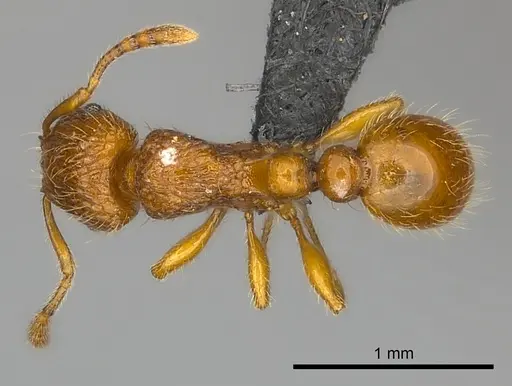
CASENT0041077
View on AntWeb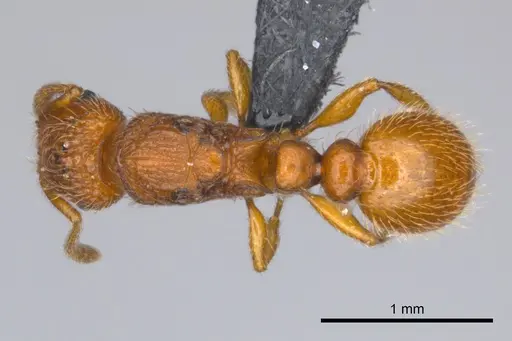
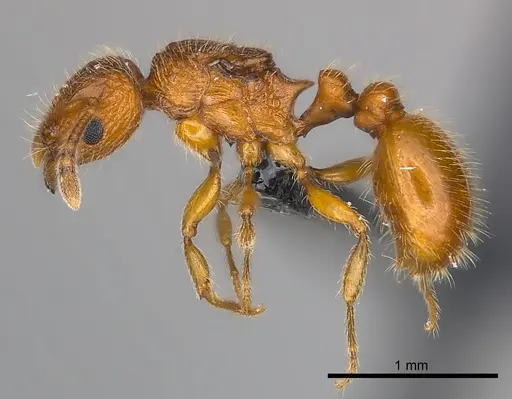
CASENT0404104
View on AntWeb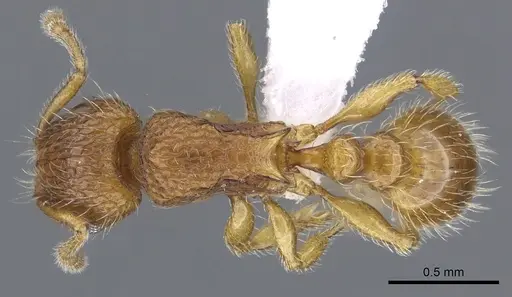
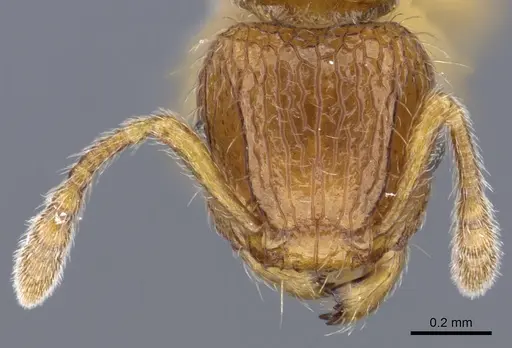
CASENT0404115
View on AntWeb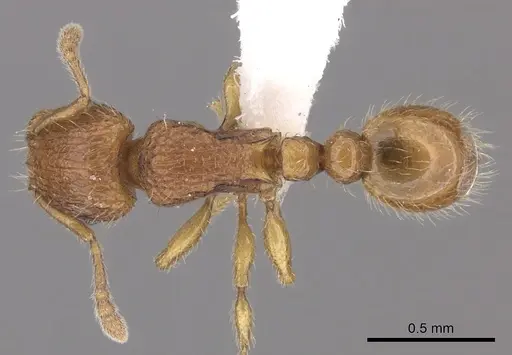
Literature
Loading distribution map...Loading products...