
Strumigenys mitis
- Sci. Name
- Strumigenys mitis
- Tribe
- Attini
- Subfamily
- Myrmicinae
- Author
- Brown, 2000
- Distribution
- Found in 7 countries
Introduction
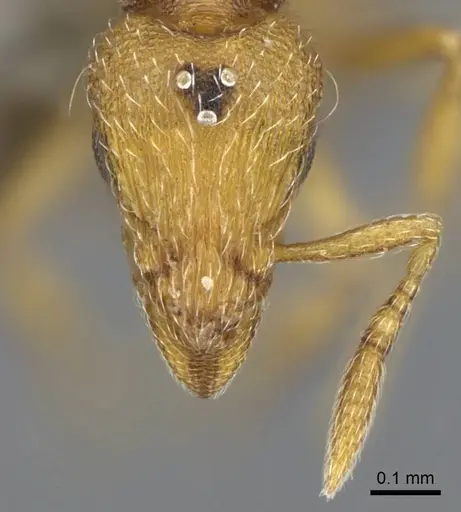
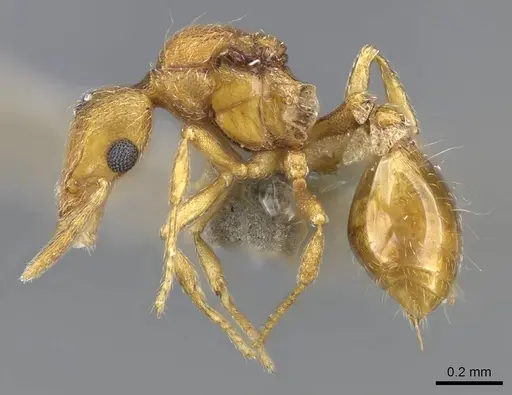
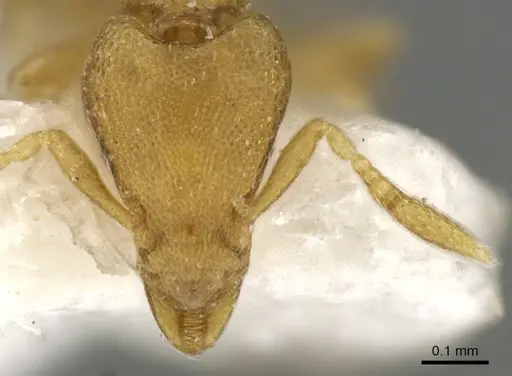
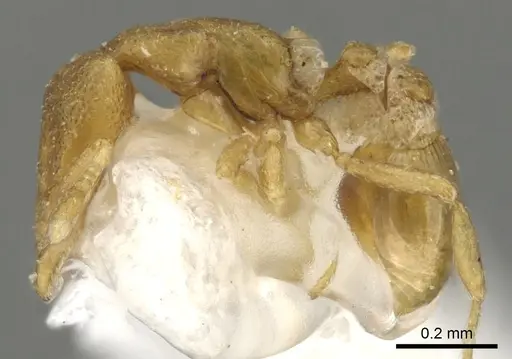
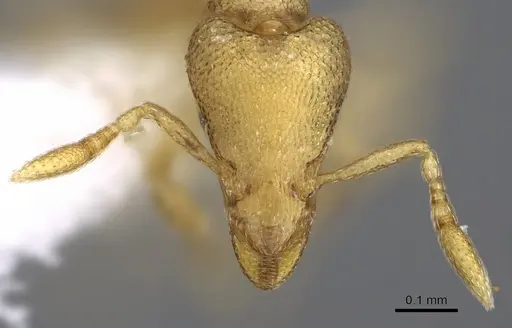
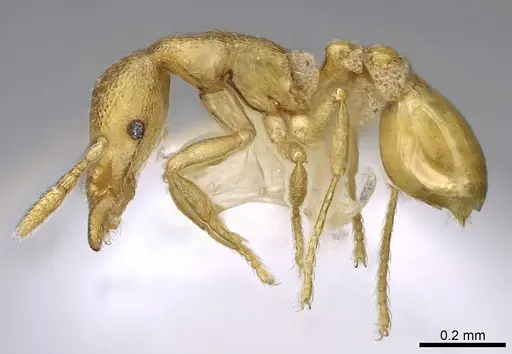
Strumigenys mitis is a tiny predatory ant found across Southeast Asia and the Oriental region. Workers measure 1.4-1.9mm in total length, making them one of the smallest ants you can keep . They have a slender body and triangular trap-jaw mandibles for catching micro-prey like springtails and mites . Colonies stay small, typically with up to 50 workers . This species is widespread from India to China and down to New Guinea, living in habitats such as rainforest leaf litter, secondary forest, rubber plantations, and grasslands at elevations from 30 to 897m . What makes Strumigenys mitis particularly interesting is its occasional parabiotic association with the larger Strumigenys rotogenys, where they share the same nest . The species is also known for gyne polymorphism and suspected social parasitism .
Quick Summary
- Difficulty: Hard
- Origin & Habitat: Southeast Asia and Oriental region: China (Guangdong, Guangxi, Hainan, Hong Kong, Yunnan), India, Indonesia, Malaysia, Philippines, Singapore, Thailand, Vietnam, Brunei, Papua New Guinea. Inhabits rainforest leaf litter, secondary forest, grasslands, shrublands, and rubber plantations at elevations from 30 to 897m [5][6][4].
- Colony Type: Single-queen colonies with a small colony size of up to 50-60 workers. The species shows gyne polymorphism (at least five queen morphs) and suspected social parasitism [6]. One documented colony had only 27 workers [3].
- Size & Growth:
- Queen: ~2.2mm TL [5]
- Worker: 1.4-1.9mm TL [1]
- Colony: Up to 50-60 workers [4][7]
- Growth: Slow
- Development: Estimated 6-10 weeks at tropical temperatures, not specifically documented for this species (Timeline is inferred from typical dacetine development. Small colony size and tropical habitat suggest slow growth.)
- Antkeeping:
- Temperature: Maintain at 24-28°C year-round, these are tropical rainforest ants. A gentle gradient with a heating cable on one side works.
- Humidity: Keep the nest substrate consistently moist but not waterlogged. Aim for the feel of damp soil, avoiding standing water. These are soil-dwelling ants from humid forest floors and will desiccate quickly in dry air.
- Diapause: No, this tropical species does not require hibernation. Keep warm all year.
- Nesting: In the wild, they nest in soil attached to small saplings about 10cm above the ground [3]. They are also considered subterranean, with short triangular mandibles adapted for soil living [8]. In captivity, use a naturalistic setup with moist soil/plaster nest, Y-tong, or a tight plaster nest with chambers scaled to their tiny size. Provide a layer of moist substrate for foraging.
- Behavior: Strumigenys mitis are specialized predators of micro-arthropods, hunting in topsoil and soil rather than leaf litter [3]. They have a relatively slow walking speed (4.2mm/s) [3]. They are generally not aggressive toward threats they cannot handle, but when encountered by other ants like Hypoponera or Pheidole, they will attack and chase them away from their nest area [7]. They can form mixed colonies with Strumigenys rotogenys in the wild [7]. Escape prevention is critical due to their extremely small size, they can squeeze through standard mesh. They are easily outcompeted by larger ants and should be kept in species-only setups.
- Common Issues: escape prevention is critical, standard ant mesh may not stop them, specialized diet of live micro-prey (springtails) is required and can be hard to maintain, very slow growth and tiny colony size make them less exciting for keepers wanting large colonies, cannot coexist with larger or more aggressive ants, humidity and temperature fluctuations can quickly kill them due to their small size
Housing and Nest Setup
Housing Strumigenys mitis requires careful escape prevention because workers are only 1.4-1.9mm long [1]. Use fine mesh (at least 0.5mm openings) on all ventilation holes. A test tube setup with a water reservoir can work for founding, but pack the cotton tightly to block all gaps. For established colonies, a naturalistic formicarium with a moist soil chamber or a Y-tong/plaster nest with very small chambers is ideal. The species naturally nests in soil attached to small saplings about 10cm above ground [3] and is also considered subterranean [8], so a substrate layer for tunneling is recommended. Keep the substrate damp but not waterlogged.
Feeding and Diet
Strumigenys mitis is a specialized predator that only eats live micro-prey. Their diet in the wild consists of springtails, mites, and other tiny soil arthropods [3]. You will need a steady culture of springtails (Collembola) to feed them. They are unlikely to accept sugar water, dead insects, or commercial ant food. Offer small prey items no larger than 1mm every few days. Remove any uneaten prey to prevent mold. Because colonies are tiny, feed very small amounts, a few springtails per feeding may be enough for a small colony.
Temperature and Humidity
As a tropical species from Southeast Asia, Strumigenys mitis requires warm, stable temperatures year-round. Keep the nest at 24-28°C. Use a heating cable on one side to create a gradient, allowing ants to choose their preferred spot. They do not tolerate cool conditions and do not need hibernation [5]. Humidity must be high, keep the nest substrate consistently moist to the touch, but avoid standing water. Mist the foraging area lightly if needed. These ants are very vulnerable to drying out due to their small size.
Colony Dynamics and Growth
Strumigenys mitis colonies are small throughout their life, typically reaching no more than 50-60 workers [4][7]. One recorded colony had only 27 workers [3]. Growth is very slow, and it may take many months to reach even a dozen workers. The species shows gyne polymorphism, at least five distinct queen morphs have been described [1]. There is also suspected social parasitism in this species group, which could affect colony development [6]. Patience is key with this species.
Behavior and Temperament
These ants are calm and not aggressive toward humans, but they will defend their nest against other ants. When faced with larger intruders like Hypoponera or Pheidole, they attack and chase them away [7]. They move relatively slowly (4.2mm/s) compared to other dacetines [3]. They forage mainly in topsoil rather than on the surface [3]. They have been found living parabiotically with Strumigenys rotogenys in the same nest [7]. In captivity, keep them alone, they cannot compete with larger ant species.
Legal and Ethical Considerations
Strumigenys mitis is not known to be invasive outside its native range, but always practice responsible antkeeping. Never release ants into a non-native environment. If you can no longer keep your colony, offer it to another experienced keeper rather than releasing it.
Frequently Asked Questions
How long does it take for Strumigenys mitis to produce first workers?
The exact time is not documented for this species, but based on typical dacetine development and their small size, expect around 6-10 weeks from egg to worker at optimal temperatures (24-28°C). Colonies are very slow-growing.
Can I keep Strumigenys mitis in a test tube setup?
Yes, a test tube setup can work for founding, but you must ensure excellent escape prevention. Use tight cotton plugs and consider additional fine mesh. These ants are 1.4-1.9mm and can squeeze through tiny gaps. The test tube should have a water reservoir to keep humidity high.
What do Strumigenys mitis eat?
They are specialized predators of live micro-prey. They eat springtails, tiny mites, and other small soil arthropods [3]. You must culture springtails to feed them. They will not accept sugar water, dead insects, or ant food.
Are Strumigenys mitis good for beginners?
No, this is an expert-level species. Their tiny size makes escape prevention difficult, they require a constant supply of live springtails, and they need very stable high humidity and warm temperatures. Their slow growth and small colony size can be unrewarding for beginners. Only experienced keepers should attempt them.
Do Strumigenys mitis need hibernation?
No, they are tropical and active year-round. Keep them at 24-28°C all year. They will not survive cold conditions.
How big do Strumigenys mitis colonies get?
Colonies are small, reaching a maximum of around 50-60 workers [4][7]. One colony had only 27 workers [3]. Do not expect a large, active colony.
Can I keep multiple queens together?
It is not recommended. The species shows gyne polymorphism and suspected social parasitism [6], which suggests complex queen dynamics. Wild colonies appear to have a single queen. Do not combine unrelated queens.
Why are my Strumigenys mitis dying?
Common causes: escape (check all gaps), low humidity (keep substrate moist), temperature too low (must be 24-28°C), lack of live prey (they need springtails), or stress from disturbance. These tiny ants are very sensitive. Double-check your setup before troubleshooting food.
When should I move my colony to a formicarium?
Move only when the colony reaches 20-30 workers and the test tube becomes too crowded. Given their small size and slow growth, you may be able to keep them in a well-sealed test tube setup long-term. If you move them, use a nest with very small chambers, like a Y-tong or plaster nest.
Report an Issue
The current care sheet is based fully on literature. See inconsistencies, or something that's incorrect? Please , it will be resolved after review from an admin. Contributing to the blogs tab also helps providing information, to make us be able to further improve the caresheets. Thank you for your support!
References

This caresheet is licensed under CC BY-SA 4.0 .
Community Blogs
CASENT0001581
View on AntWeb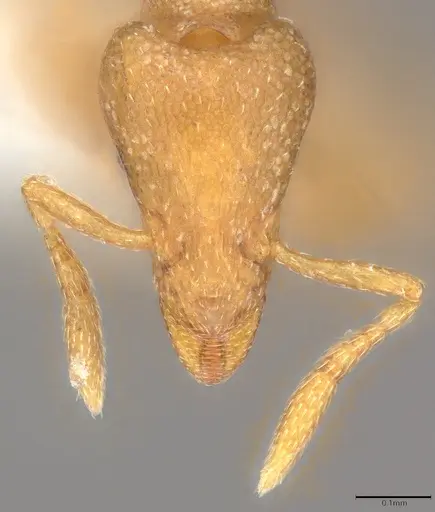
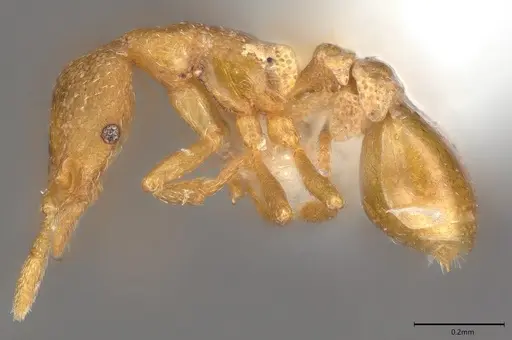
CASENT0700061
View on AntWeb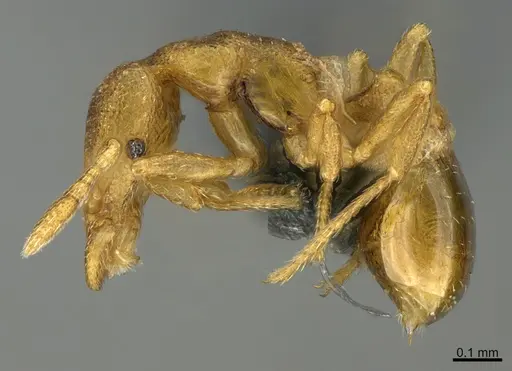
CASENT0734531
View on AntWeb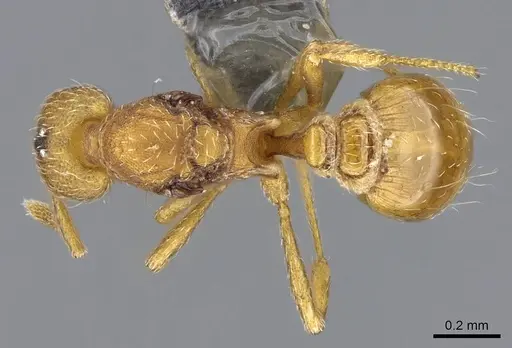
CASENT0900120
View on AntWeb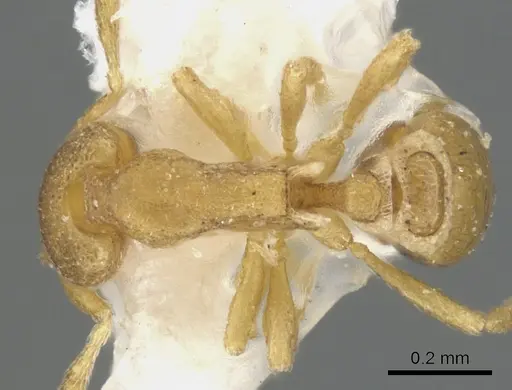
CASENT0914627
View on AntWeb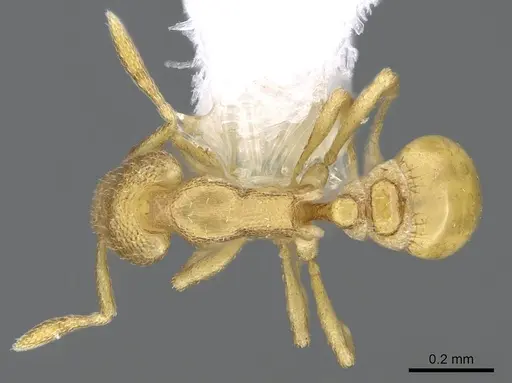
Literature
Loading distribution map...Loading products...