
Pseudomyrmex opaciceps
- Sci. Name
- Pseudomyrmex opaciceps
- Tribe
- Pseudomyrmecini
- Subfamily
- Pseudomyrmecinae
- Author
- Ward, 1993
- Distribution
- Found in 1 countries
Introduction
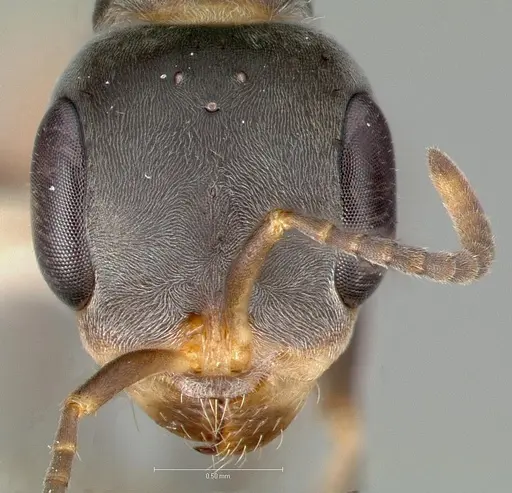
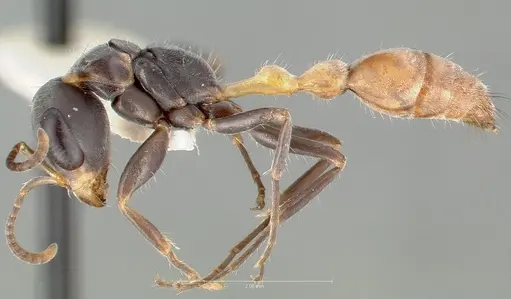
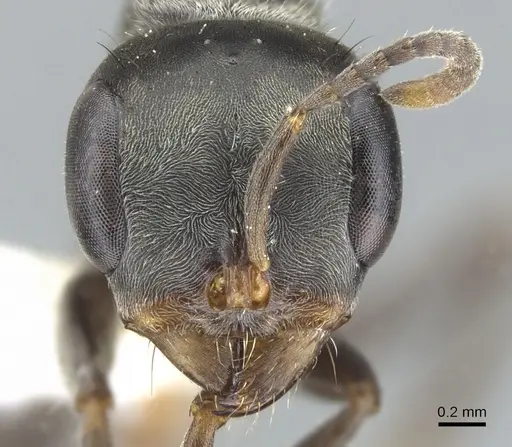
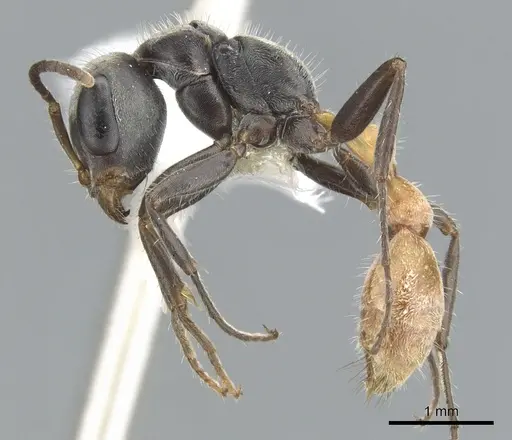
Pseudomyrmex opaciceps is a slender, long-legged ant in the subfamily Pseudomyrmecinae . Workers have a distinctive matte head appearance caused by dense punctulate-coriarious sculpture, unlike the related Pseudomyrmex gracilis which has a shining head . The head and mesosoma are dark brown to black, contrasting with a pale luteous brown or orange-brown petiole, postpetiole, and gaster . They are generalist twig-nesters, colonizing hollow twigs, branches, and stems rather than specializing on acacia plants . Found across southern Mexico (Chiapas), Guatemala, and El Salvador . This species is closely related to Pseudomyrmex gracilis but can be distinguished by its matte head surface, smaller average size, and more slender petiole. As a twig-nesting ant, they require hollow spaces in wood or plant stems for nesting, which influences their care requirements in captivity.
Quick Summary
- Difficulty: Medium
- Origin & Habitat: Native to the Neotropical region, specifically found in southern Mexico (Chiapas state), Guatemala, and El Salvador. This is a generalist twig-nesting species that colonizes hollow twigs, branches, and stems in tropical and subtropical habitats [2][3][1].
- Colony Type: Not well-documented. Likely single-queen (monogyne) based on typical Pseudomyrmex patterns, but this requires confirmation [1].
- Size & Growth:
- Queen: Exact body length not documented. Queens are slightly larger than workers with typical queen morphology [1].
- Worker: Exact body length not documented. They are small and slender ants [1].
- Colony: Unknown but likely up to several hundred workers based on related Pseudomyrmex species [1].
- Growth: Moderate, inferred from genus patterns [1].
- Development: Estimated 6-8 weeks at optimal temperatures, based on genus-level patterns [1]. (Direct development data for this species is not available. Timeline inferred from related Pseudomyrmex species.)
- Antkeeping:
- Temperature: Tropical species, maintain 24-28°C (75-82°F). Room temperature is suitable. Avoid prolonged exposure below 20°C. Provide a temperature gradient. [1]
- Humidity: Moderate to high (60-80%), mimicking humid twig-nesting habitat. Keep nest substrate moist but well-ventilated to prevent mold. [1]
- Diapause: No hibernation required as a tropical species. Can be kept active year-round. [1]
- Nesting: Twig-nesting specialists. Require narrow, horizontal chambers that mimic hollow twigs. Natural hollow twigs, bamboo sections, or Y-tong nests with tight chambers work well. Avoid large open spaces. [1]
- Behavior: Active, diurnal foragers with alert, quick movements. Defensive, can sting if disturbed, but small size makes sting mild. Escape prevention is critical due to small, slender bodies that can squeeze through tiny gaps. [1]
- Common Issues: escape prevention is critical, their small, slender bodies can squeeze through gaps smaller than 1mm., colony establishment may be slow initially, patience required., requires specialized twig-nesting setup rather than standard test tubes., humidity must be balanced to avoid desiccation or mold., limited availability in hobby, colonies may be hard to find.
Housing and Nest Preferences
Pseudomyrmex opaciceps is a twig-nesting species, which means they naturally colonize hollow twigs, branches, and stems [1]. In captivity, you should provide nesting chambers that mimic these conditions. Y-tong (AAC) nests with narrow, horizontal chambers work well, the chambers should be snug around the ants' bodies rather than spacious. Naturalistic setups using actual hollow twigs or bamboo sections are also excellent options and more closely match their natural environment.
The key requirement is horizontal rather than vertical chambers. These ants don't dig tunnels like soil-nesting species, instead, they occupy pre-existing hollow spaces. If using a formicarium, choose one designed for twig-nesting ants with tight-fitting chambers. Test tubes can work for founding colonies if laid horizontally, but the ants may prefer moving to more natural twig-like structures once the colony grows.
Escape prevention is crucial. These are small, slender ants that can squeeze through remarkably tiny gaps. Use fine mesh on any ventilation holes, ensure all lids fit tightly, and consider barrier methods like fluon on edges. Even small gaps around tubing connections can allow escapes.
Feeding and Diet
Pseudomyrmex ants are generalist feeders that forage for multiple food sources. In nature, they collect nectar from flowers, honeydew from aphids and scale insects, and hunt small insects and other arthropods [1]. In captivity, you should provide a varied diet that mimics this natural foraging pattern.
For protein, offer small live prey such as fruit flies, small crickets, mealworms, or other appropriately sized insects. Feed protein 2-3 times per week, adjusting based on colony size and consumption. For carbohydrates, provide sugar water, honey, or diluted honey water. A constant sugar source is recommended as Pseudomyrmex workers are active foragers with high energy needs.
Fresh water should always be available. These ants are active and can desiccate quickly if water is lacking. A cotton-wick water tube works well for both drinking and humidity maintenance. Remove uneaten prey after 24-48 hours to prevent mold issues in the nest area.
Temperature and Seasonal Care
As a Neotropical species from southern Mexico and Guatemala, Pseudomyrmex opaciceps prefers warm conditions. Maintain temperatures between 24-28°C (75-82°F) for optimal colony health and activity [1]. Room temperature in most homes (around 24°C) falls within this range and is typically suitable.
Provide a temperature gradient if possible, allowing workers to move between warmer and cooler areas. This can be achieved by positioning a heating cable on one side of the nest or using a heat mat under part of the enclosure. However, avoid direct heat that could dry out the nest or cause overheating.
Unlike temperate species, P. opaciceps does not require a true hibernation or diapause period. They may show reduced activity during cooler months or if temperatures drop, but this is simply a slowdown rather than a dormant state. Maintain consistent warmth year-round for best results. Avoid exposing colonies to temperatures below 20°C for extended periods.
Behavior and Colony Dynamics
Pseudomyrmex ants are known for their alertness and quick movement. Workers have long legs relative to their body size, allowing them to run rapidly when foraging or defending the nest [1]. They are diurnal (daytime) active, which makes them enjoyable to watch as they patrol their territory and forage for food.
When it comes to temperament, Pseudomyrmex species can be defensive of their nests. Workers may sting if threatened, but the sting is mild given their small size [1]. Still, exercise caution when disturbing the nest.
Colony founding begins when a mated queen locates a suitable hollow twig or cavity. She likely seals herself inside (claustral founding) and lays eggs, raising the first brood using her stored fat reserves [1]. Once the first workers (nanitics) emerge, they take over foraging and brood care while the queen focuses on egg-laying. The colony then grows progressively as more workers are produced.
Acquisition and Availability
Pseudomyrmex opaciceps is not commonly kept in the antkeeping hobby, which means finding established colonies or queens may be challenging [1]. Unlike more common species like Pseudomyrmex gracilis or Pseudomyrmex ferrugineus, this species has limited availability in commercial ant farms.
If you wish to keep this species, your best options are: finding a specialized ant breeder who works with Pseudomyrmecinae, connecting with antkeeping communities who may have colonies, or locating wild colonies during nuptial flight season. However, nuptial flight timing for this specific species is not well-documented.
Before acquiring, ensure you have appropriate housing ready, twig-nesting setups take some preparation. Also verify that keeping this species is legal in your region, as some areas have restrictions on native and non-native ant species.
Frequently Asked Questions
How long does it take for Pseudomyrmex opaciceps to produce first workers?
Based on typical Pseudomyrmecinae development, expect first workers (nanitics) to emerge approximately 6-8 weeks after the queen lays eggs, assuming optimal temperatures around 25-28°C [1]. This timeline is inferred from related species, as specific development data for P. opaciceps is not documented.
What is the best nest type for Pseudomyrmex opaciceps?
Twig-nesting ants like P. opaciceps need horizontal chambers that mimic hollow twigs [1]. Y-tong (AAC) nests with narrow, snug chambers work well. Naturalistic setups using hollow bamboo or twigs are also excellent. Avoid large, spacious formicarium chambers, these ants prefer tight, enclosed spaces.
Do Pseudomyrmex opaciceps ants sting?
Yes, Pseudomyrmex species can sting as a defense mechanism, but P. opaciceps is not known for particularly painful stings. Their small size means any sting would be mild, comparable to a minor pinprick [1]. They are more likely to flee than attack when disturbed.
What do Pseudomyrmex opaciceps eat?
They are generalist feeders. Offer small live insects (fruit flies, small crickets, mealworms) for protein 2-3 times weekly. Provide a constant sugar source like sugar water or honey for carbohydrates. They also need fresh water at all times. Remove uneaten prey after 24-48 hours to prevent mold [1].
Are Pseudomyrmex opaciceps good for beginners?
This species is rated as Medium difficulty. While not the hardest species to keep, it requires specific twig-nesting housing that differs from standard test tube setups. Their limited availability in the hobby also makes them challenging for beginners to acquire. More common species like Lasius or Camponotus may be better choices for those new to antkeeping [1].
Do Pseudomyrmex opaciceps need hibernation?
No, hibernation is not required. As a Neotropical species from tropical Mexico and Guatemala, they do not experience cold winters that would trigger dormancy. Maintain warm temperatures (24-28°C) year-round [1]. They may show reduced activity during cooler periods but do not enter true diapause.
How big do Pseudomyrmex opaciceps colonies get?
Maximum colony size is not documented for this specific species. Based on related Pseudomyrmex species, colonies likely reach several hundred workers [1]. Growth is moderate, expect several months to a year to establish a solid colony with 50+ workers.
Why are my Pseudomyrmex opaciceps escaping?
Escape prevention is critical with this species. Their small, slender bodies allow them to squeeze through tiny gaps. Check all connections, use fine mesh on ventilation holes, and apply barrier substances like fluon to edges. Even gaps smaller than 1mm can allow escapes. Inspect your setup thoroughly and seal any potential escape routes [1].
Can I keep multiple Pseudomyrmex opaciceps queens together?
Colony structure is not well-documented for this species. Based on typical Pseudomyrmex patterns, they likely form single-queen (monogyne) colonies [1]. Combining unrelated queens has not been studied and is not recommended. If you acquire a colony, assume it is single-queen unless you observe multiple egg-laying queens.
What temperature range is ideal for Pseudomyrmex opaciceps?
Keep them at 24-28°C (75-82°F). This tropical species thrives in warm conditions. Room temperature is typically suitable. If needed, use a heating cable or heat mat on one side of the nest to create a gradient. Avoid temperatures below 20°C for extended periods [1].
Report an Issue
The current care sheet is based fully on literature. See inconsistencies, or something that's incorrect? Please , it will be resolved after review from an admin. Contributing to the blogs tab also helps providing information, to make us be able to further improve the caresheets. Thank you for your support!
References

This caresheet is licensed under CC BY-SA 4.0 .
Community Blogs
CASENT0005848
View on AntWeb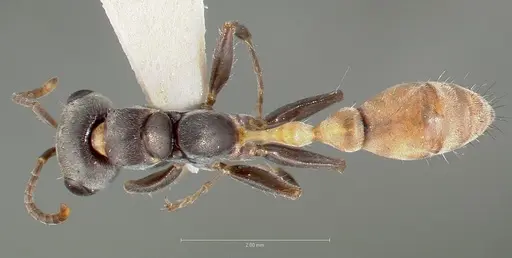
CASENT0902860
View on AntWeb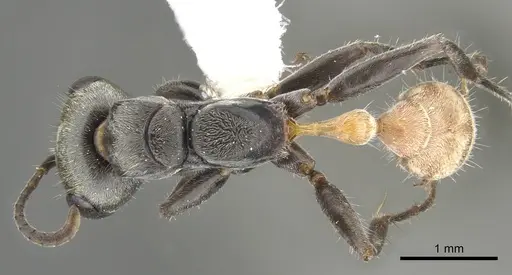
Literature
Loading distribution map...Loading products...