
Pseudomyrmex holmgreni
- Sci. Name
- Pseudomyrmex holmgreni
- Tribe
- Pseudomyrmecini
- Subfamily
- Pseudomyrmecinae
- Author
- Wheeler, 1925
- Distribution
- Found in 10 countries
Introduction
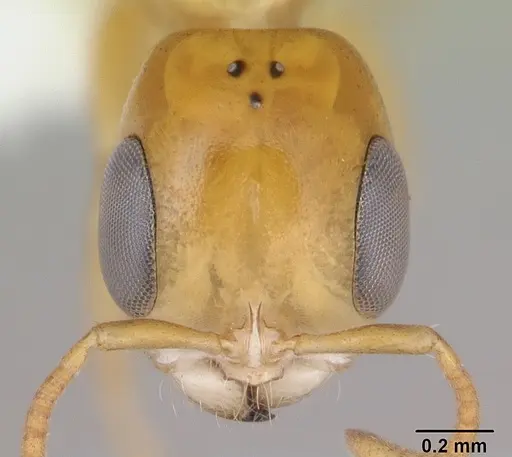
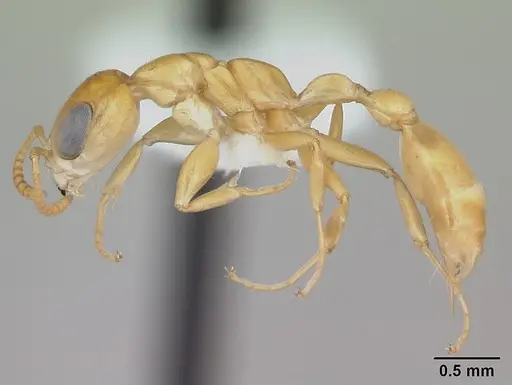
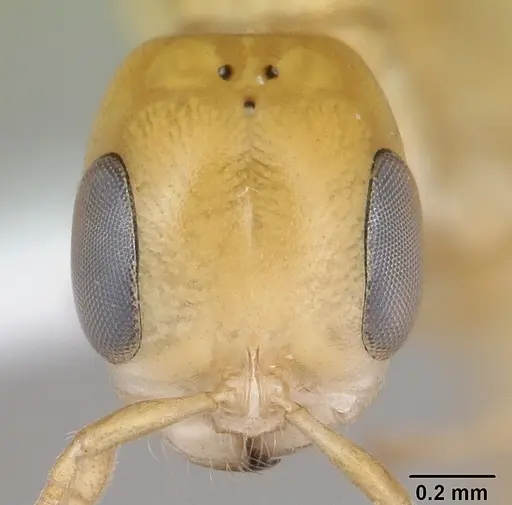
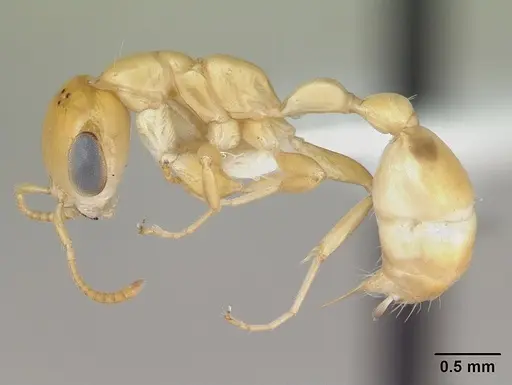
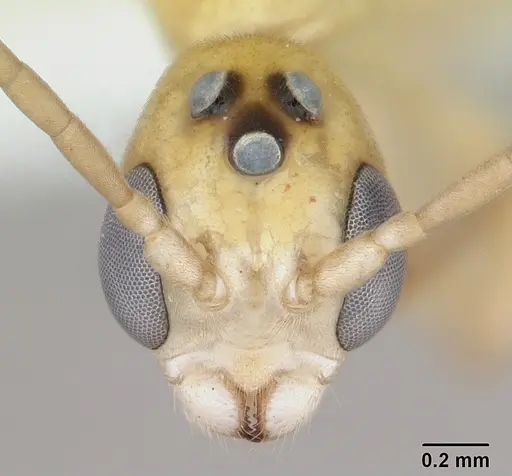
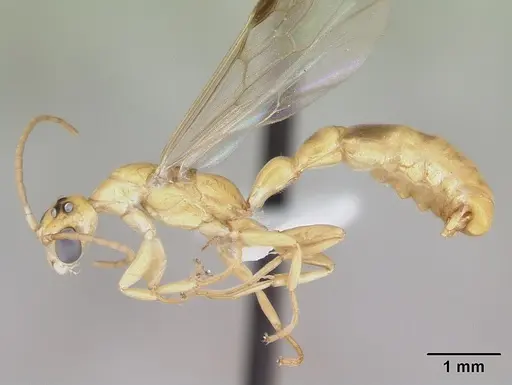
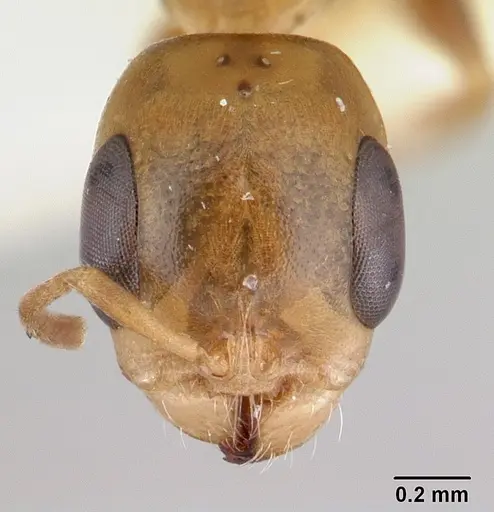
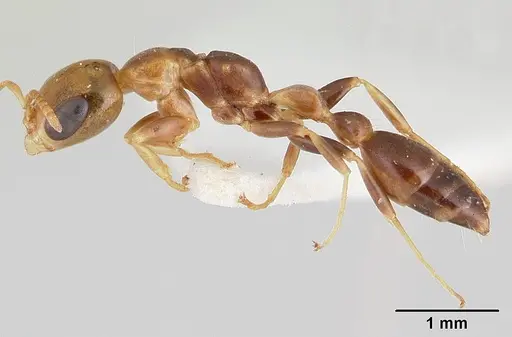
Pseudomyrmex holmgreni is a relatively large ant from the *pallidus* group of the subfamily Pseudomyrmecinae . Workers are fast-moving and alert, with big eyes and a slender body typical of arboreal ants. Their color varies a lot - from orange to dark brown, with many shades in between . The species lives across South America, including Argentina, Bolivia? (check sources), Brazil, Colombia, Paraguay, Peru, and Trinidad and Tobago . They are generalist twig-nesters, meaning they make their homes in hollow twigs and small cavities in trees . Worker size is not directly measured for this species, but based on related *Pseudomyrmex* with a head width of about 0.80-0.90 mm, total length is estimated at 5-7 mm. Queens are probably larger, around 7-9 mm (inferred from genus patterns).
Quick Summary
- Difficulty: Medium
- Origin & Habitat: Neotropical distribution across South America: Argentina, Brazil, Colombia, Paraguay, Peru, Trinidad and Tobago [4][5][6]. It lives in tropical and subtropical lowland forests, but also in drier areas like savanna (Cerrado) [7][8]. It is a generalist twig-nesting ant, often found in regenerating habitats [7].
- Colony Type: Colony structure is not well-documented for this species. Most *Pseudomyrmex* are monogyne (single queen per colony), but this is unconfirmed for *P. holmgreni*.
- Size & Growth:
- Queen: ~7-9 mm (inferred from *Pseudomyrmex* genus patterns)
- Worker: ~5-7 mm (inferred from head width measurements and related species)
- Colony: up to several hundred workers (estimated based on typical *Pseudomyrmex* colonies)
- Growth: Moderate
- Development: estimated 6-8 weeks at 24-28°C (inferred from tropical *Pseudomyrmex* species) (Development is temperature-dependent, warmer speeds it up, cooler slows it down.)
- Antkeeping:
- Temperature: Tropical species, keep warm, ideally 24-28°C. Inferred from natural range. A heating mat on one side can create a gradient. Avoid cold drafts.
- Humidity: Moderate humidity with a dry nest and humid outworld. The nest chamber should be mostly dry, but the outworld can be lightly misted. Provide a water tube.
- Diapause: No, as a Neotropical species, it does not need hibernation. Keep warm year-round.
- Nesting: Twig-nesting, use Y‑tong (AAC) or acrylic nests with narrow, enclosed chambers. Provide climbing branches or twigs in the outworld. Avoid wet nests.
- Behavior: Active, fast-moving arboreal ants. They are alert and sensitive to vibrations. Not typically aggressive, but they have a functional stinger (mild) and will defend the nest if disturbed. Escape risk is high due to small size and speed, seal all gaps. They forage during daylight, searching for honeydew, nectar, and small insects.
- Common Issues: escape risk, these ants are quick and small, use fluon on lids and check all connections, cold stress, maintain stable warmth, avoid temperatures below 20°C, overwatering, keep nest dry, too much moisture causes mold and kills brood, limited captive care data, some aspects of their biology are unstudied, so be prepared to adapt, wild‑caught colonies may carry mites or other parasites, quarantine them first
Housing and Nest Setup
Because Pseudomyrmex holmgreni nests in hollow twigs, you'll want a formicarium that mimics tight, dark spaces. Y‑tong (AAC) nests work very well, they hold moisture just enough and have narrow chambers. Acrylic nests with small compartments are also good. Avoid big open cells, these ants feel safe in snug quarters. The outworld should have climbing structures: twigs, branches, or fake plants. Use a test tube setup for a founding colony, then move to a larger nest once you have 20-30 workers. Escape prevention is critical, apply fluon or PTFE to the edges of the lid and make sure all tubes fit tightly [3].
Temperature and Heating
Like many tropical ants, this species needs steady warmth. Aim for 24-28°C in the nest area. Room temperature (22-25°C) can work if your home is that warm, but you may need a small heating cable or mat. Put the heat on the side or top of the nest so it doesn't dry out the nest too fast. Create a temperature gradient across the outworld so the ants can choose their comfort zone. Keep the colony away from air-conditioning vents, windows with cold drafts, or spots that get chilly at night. Cold stress can stop brood development and weaken the colony [2][4].
Feeding and Diet
Pseudomyrmex holmgreni is a generalist forager. Give them a constant supply of sugar water, honey, or diluted maple syrup for energy. For protein, offer small insects like fruit flies, pinhead crickets, or mealworm pieces, 2-3 times per week. Remove uneaten prey after 24-48 hours to prevent mold. They are diurnal, so put food in the outworld during the day for best results. A fresh water tube should always be available [2][3].
Humidity and Water
These ants need a balance: the nest should be relatively dry, but the outworld can have moderate humidity (around 60-80%). A water test tube with a cotton plug is a reliable water source. You can lightly mist the outworld once a day or every other day, but avoid misting the nest itself. If you see condensation inside the test tube, replace it with a fresh one, too much moisture can drown the queen or cause mold. Unlike many ground-nesting ants, this species prefers its nesting area on the dry side [3].
Behavior and Temperament
These are lively, fast ants with good vision. They will quickly inspect any disturbance in their territory. They are not normally aggressive toward humans, but they can sting if you handle them roughly or threaten the nest. The sting is mild, a short burning sensation, not dangerous to healthy people. They are diurnal: most foraging happens in daylight. They climb and explore actively. Provide enrichment like small twigs or leaves to encourage natural foraging behavior [3].
Natural History and Ecology
This species belongs to the pallidus group of Pseudomyrmex [1][2]. It is not closely related to Pseudomyrmex filiformis as once thought, but instead forms a monophyletic group with other pallidus species [3]. In the Brazilian savanna (Cerrado), it was found in areas with 3-4 years of regeneration after fire, suggesting it prefers open, recently disturbed habitats [7]. It is classified as a Tropical Climate Specialist in functional group studies [8]. The karyotype varies: two colonies from Brazil had the same chromosome number (2n=50) but different formulas (2M+48A vs. 6M+44A), indicating chromosomal polymorphism [9].
Colony Development
A founding queen will seal herself in a small chamber and lay eggs, surviving on her stored fat until the first workers come out, this is the typical claustral founding pattern seen in most Pseudomyrmecinae, though unconfirmed for this species. First workers (nanitics) are smaller than mature workers. Colony growth is moderate, expect several months before you see many workers. A healthy mature colony may reach several hundred workers. Brood development depends on temperature: warmer (within 24-28°C) speeds it up, cooler slows it. Watch worker activity and brood to judge colony health. Queens can live for years, so this can be a long-term colony with proper care [2].
Seasonal Care
Unlike temperate ants, Pseudomyrmex holmgreni does not need a hibernation period. Keep them active year-round by maintaining stable warmth. If your home gets cooler in winter (below 20°C), use a small heater or heating cable to keep the nest area warm. Place the colony away from doors, windows, and air vents that cause temperature swings. In their native range, wet and dry seasons occur, but they always have access to water. During colder months, simply keep conditions consistent [2][4].
Frequently Asked Questions
How long does it take for Pseudomyrmex holmgreni to produce first workers?
Expect the first workers (nanitics) to emerge about 6-8 weeks after the queen lays eggs, assuming temperatures of 24-28°C. This is estimated from related tropical Pseudomyrmex species. The queen stays sealed in her chamber until then, living off her fat reserves.
Can I keep this species in a test tube setup?
Yes, a test tube with a water reservoir and cotton plug works well for a founding colony. Keep the tube horizontal or tilted so the water doesn't leak into the nest area. Once the colony has 20-30 workers, move them to a larger Y‑tong or acrylic nest [3].
Do Pseudomyrmex holmgreni sting?
Yes, these ants have functional stingers, but they are not aggressive. They will only sting if handled roughly or if the nest is severely disturbed. The sting is mild and not dangerous to healthy humans, just a short burning sensation. They prefer to flee or hide [3].
What do they eat?
They accept a typical ant diet: sugar water, honey, or maple syrup for carbs, small insects like fruit flies, small crickets, or mealworms for protein. Provide sugar continuously and protein 2-3 times per week. Remove leftover prey after a day or two. They are generalist foragers, so variety helps [2][3].
Are Pseudomyrmex holmgreni good for beginners?
This species is rated medium difficulty. It needs stable warmth, good escape prevention, and a carefully balanced nest humidity (dry nest, humid outworld). If you're new to antkeeping, start with a more forgiving species first. With proper research, intermediate keepers can succeed [3].
How big do the colonies get?
Colony size isn't well documented, but Pseudomyrmex colonies typically reach several hundred workers. Growth is moderate, a healthy, years‑old colony can be substantial. The queen lives for many years, so it's a long‑term commitment [2].
Do I need to hibernate them?
No. As a Neotropical species, they do not require winter dormancy. Keep them warm (24-28°C) all year. If your home gets cool in winter, use supplemental heating. Cold stress can harm the colony [4][5].
Why are my ants escaping?
These ants are fast and small. They will find any gap in the setup. Check all lids, connections, and air holes. Apply fluon to lid edges and any potential escape points. Use fine mesh for ventilation. Also check around tubing, they slip through very tiny openings [3].
When should I move the colony to a formicarium?
Move when the colony has 20-30 workers and the test tube is getting crowded. Y‑tong (AAC) nests are ideal. Connect the new nest to the test tube and let the ants move on their own, never force them. Make sure the new nest has dry chambers and the outworld has climbing structures [3].
Can I keep multiple queens together?
Not recommended. Most Pseudomyrmex are monogyne (single queen), and while not confirmed for this species, it's safest to assume they will fight. House each founding queen alone. Pleometrosis (multiple queens founding together) is not documented for this species [3].
What temperature is best?
Keep them at 24-28°C for optimal health and brood development. They can tolerate brief periods slightly outside this range, but prolonged cold (below 20°C) stresses them and slows growth. A temperature gradient helps them regulate [2][4].
What nest type is best?
Y‑tong (AAC) nests are great because they offer narrow, dark chambers that mimic twig interiors. Acrylic nests with small compartments also work well. The key is snug chambers and a dry internal surface. Avoid large open nesting areas [2][3].
Report an Issue
The current care sheet is based fully on literature. See inconsistencies, or something that's incorrect? Please , it will be resolved after review from an admin. Contributing to the blogs tab also helps providing information, to make us be able to further improve the caresheets. Thank you for your support!
References

This caresheet is licensed under CC BY-SA 4.0 .
Community Blogs
CASENT0173756
View on AntWeb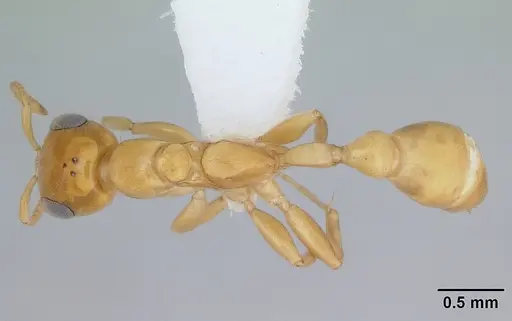
CASENT0173757
View on AntWeb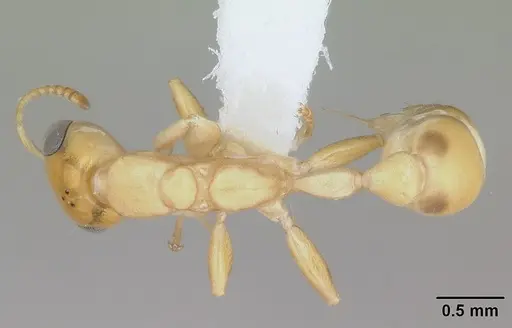
CASENT0173758
View on AntWeb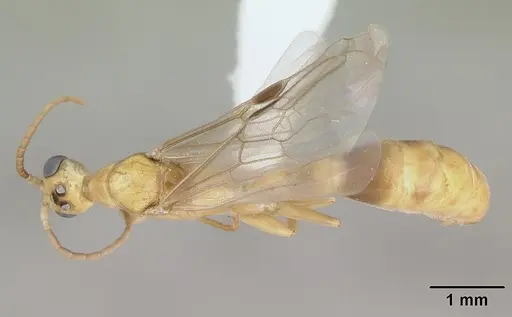
CASENT0178618
View on AntWeb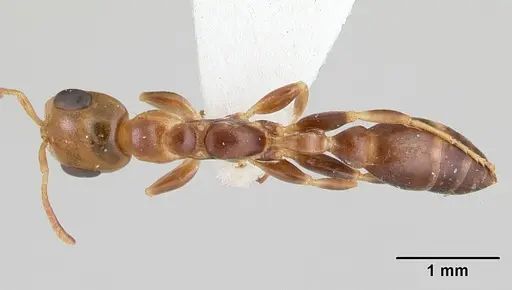
Literature
Loading distribution map...Loading products...