
Pseudomyrmex filiformis
- Sci. Name
- Pseudomyrmex filiformis
- Tribe
- Pseudomyrmecini
- Subfamily
- Pseudomyrmecinae
- Author
- Fabricius, 1804
- Distribution
- Found in 14 countries
Introduction
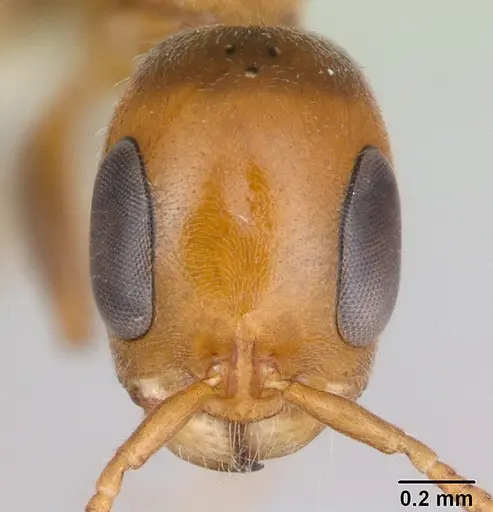
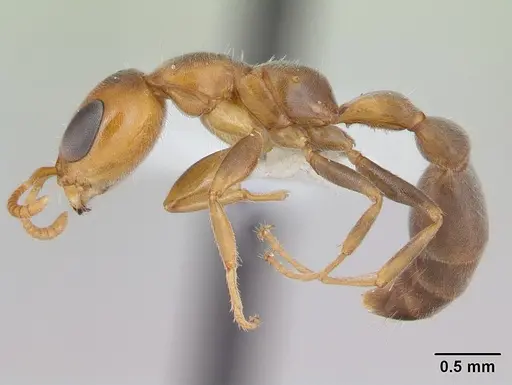
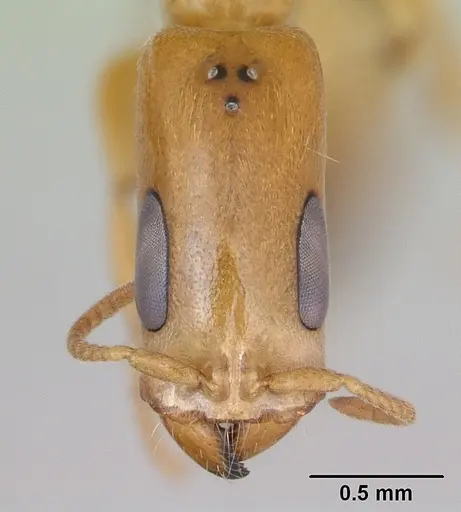
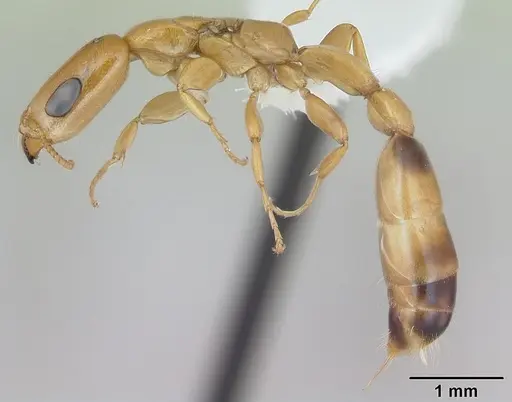
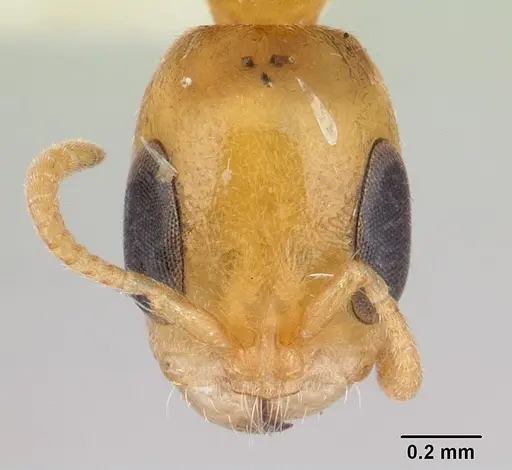
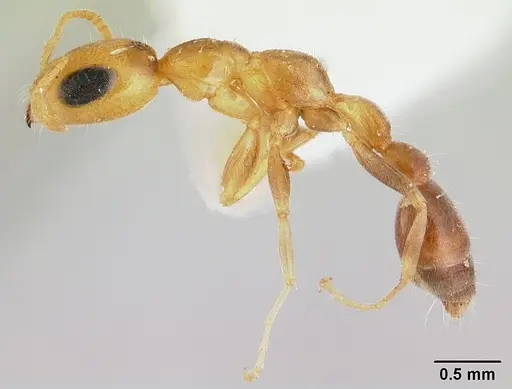
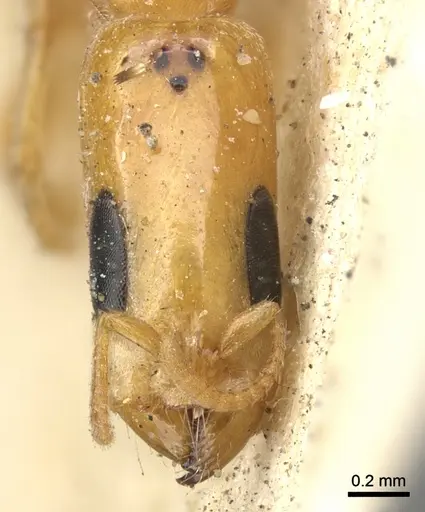
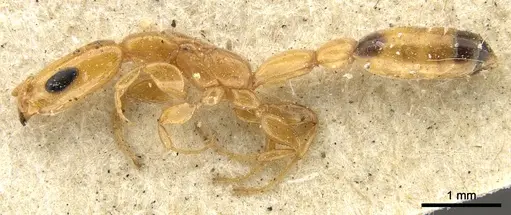
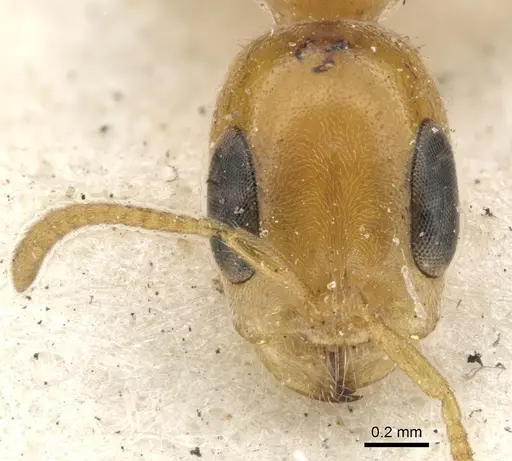
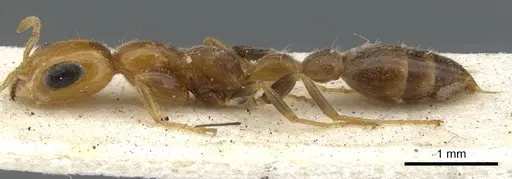
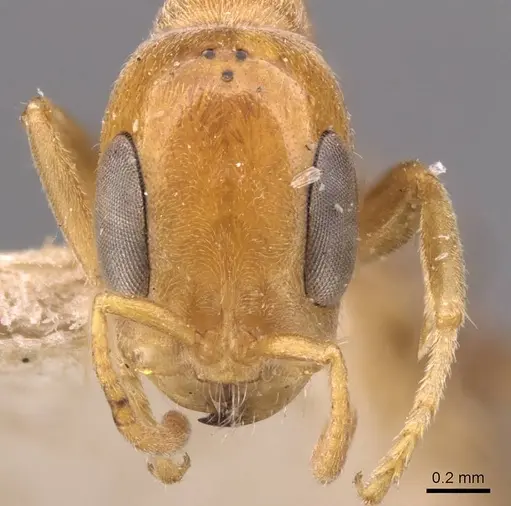
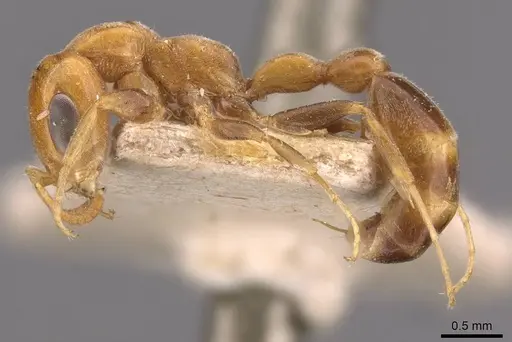
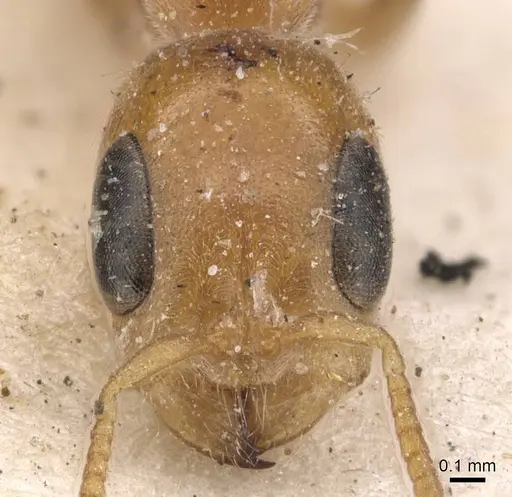
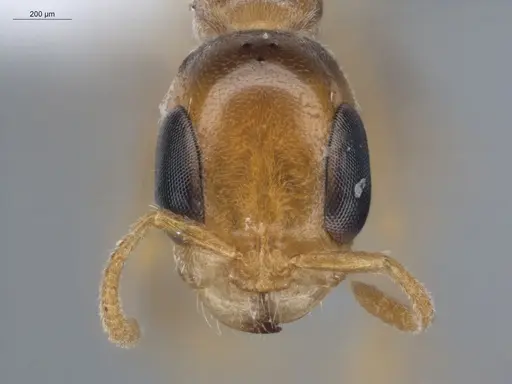
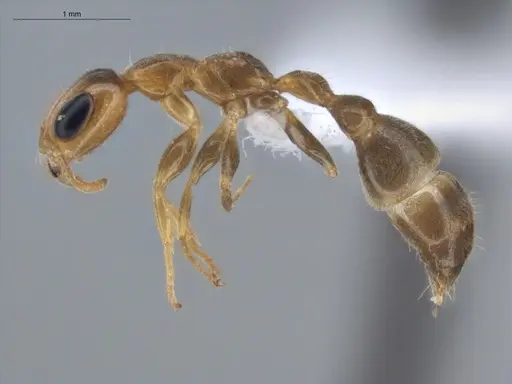
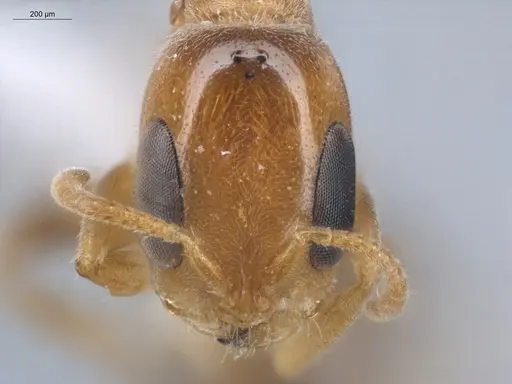
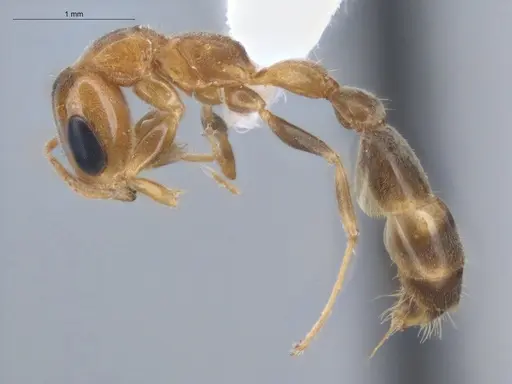
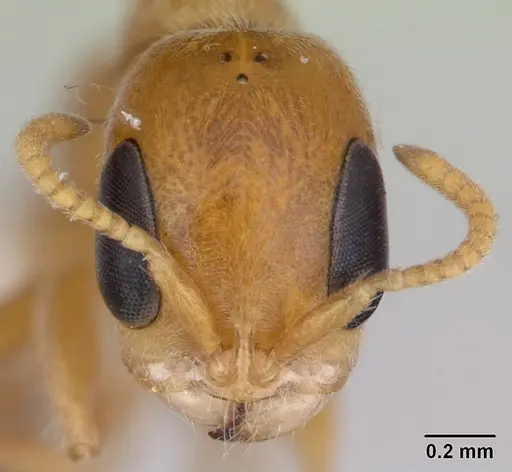
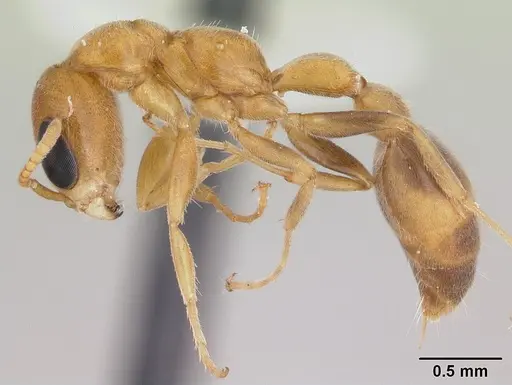
Pseudomyrmex filiformis is a slender, elongated ant from the Neotropics, ranging from Mexico down to Argentina. Workers are around 4-6mm with the characteristic long, narrow head typical of Pseudomyrmecinae ants, and they have minute discrete punctures visible under 50x magnification . They belong to the P. tenuis group . This is a twig-nesting arboreal ant that lives in small dead twigs in trees and shrubs . What makes P. filiformis particularly interesting is its temporary parasitic lifestyle - queens invade colonies of other Pseudomyrmex species, kill the host queen, and gradually replace the host workers with their own .
Quick Summary
- Difficulty: Medium
- Origin & Habitat: Neotropical region: found across Central America (Mexico, Guatemala, Costa Rica, Panama) and South America (Colombia, Ecuador, Peru, Brazil, Bolivia, Guyana, Suriname, French Guiana, Venezuela, Trinidad and Tobago, Paraguay, Argentina). Inhabits arboreal vegetation in tropical forests, coffee plantations, dry forest fragments, and savanna, usually nesting in small dead twigs below 1300m elevation [2][4][5][3].
- Colony Type: Temporary social parasite. Queens invade host Pseudomyrmex colonies, kill the host queen, and use host workers to raise their own brood until the colony becomes monospecific with a single functional queen [3].
- Size & Growth:
- Queen: size data unavailable (no documented total length for queens)
- Worker: size data unavailable (no documented total length for workers in the research context)
- Colony: Incipient colonies are very small (up to 2 workers [6]), but mature colonies can become large monospecific nests [3]
- Growth: Moderate, growth depends on successful host colony takeover
- Development: unknown, no direct development data for this species (Development timeline unconfirmed. Related Pseudomyrmex species typically develop in 6-10 weeks at tropical temperatures.)
- Antkeeping:
- Temperature: Keep at 24-28°C, these are tropical ants that need warm, stable conditions. Provide a gentle gradient with a heating cable or small heat mat on one side of the nest. Avoid prolonged drops below 20°C [3].
- Humidity: Moderate. As arboreal twig-nesters, they prefer slightly humid conditions. Keep the nest substrate lightly moist but allow some drying between waterings. Provide a humidity gradient if possible.
- Diapause: No, as a tropical species, they do not require hibernation. Keep temperatures stable year-round.
- Nesting: Twig-nesting ants need narrow chambers that mimic their natural dead twig habitat. Y-tong or 3D-printed nests with appropriately sized chambers work well. Avoid overly large, open spaces, they prefer tight, enclosed areas. Test tubes can work for founding colonies if the tube diameter matches their small size.
- Behavior: These ants are solitary hunters [7] and generalist foragers, hunting small prey in arboreal vegetation. Workers are active, agile, and quick-moving, good escape prevention is essential. They have a well-developed sting but are not particularly aggressive toward humans. Their temporary parasitic lifestyle means founding queens must be introduced to a compatible host colony, which presents unique challenges for antkeepers.
- Common Issues: temporary parasitic founding requires a host colony, difficult to establish without proper host species., small size means escape prevention must be excellent, use fine mesh barriers and tight-fitting lids., tropical temperature requirements mean room temperature may be too cold in temperate climates, heating needed., arboreal nesting means they need vertical space and climbing structures in the outworld., colonies may fail if host workers die before replacement workers develop.
Temporary Parasitic Founding
Pseudomyrmex filiformis has a fascinating temporary parasitic lifestyle. A newly mated queen does not found her own colony alone like typical claustral ants. Instead, she seeks out an established colony of another Pseudomyrmex species, infiltrates the nest, and kills the resident queen. She then uses the host workers to raise her own brood. Over time, her offspring gradually replace the host workers until the colony becomes entirely her own [3]. Incipient colonies have been observed living alongside workers of different Pseudomyrmex species, confirming this parasitic strategy [3]. This behavior creates major challenges for antkeepers, you would need a compatible host Pseudomyrmex species to establish a colony.
Nest Preferences and Housing
In the wild, P. filiformis nests exclusively in small dead twigs and branches, they are obligate twig-nesters [2]. They naturally seek out narrow, enclosed spaces that mimic the interior of dead wood. A study in Mexican coffee plantations found them more frequently nesting on T. micrantha trees [4]. For captive care, use Y-tong or 3D-printed nests with chambers scaled to the ant's small size. Chambers should be tight, these ants do not fare well in large, open spaces. Test tubes can work for founding if the diameter is small. Provide climbing structures and vertical space since they are arboreal and naturally forage on trees. Keep the nest substrate lightly moist.
Feeding and Diet
Pseudomyrmex filiformis is a generalist predator and forager. In their natural habitat, they are solitary hunters, capturing small arthropods [7]. They likely also collect honeydew from aphids and scale insects. Their liquid-feeding performance shows positive residual uptake rates, meaning they efficiently drink liquid sugars [8]. For captive care, offer a varied diet: small live prey like fruit flies, pinhead crickets, or small mealworms 2-3 times per week, and keep sugar water or honey water available constantly. As tropical ants, they have high energy needs.
Temperature and Seasonal Care
As a Neotropical species, P. filiformis needs warm, stable temperatures typical of tropical environments. Keep the nest area at 24-28°C. In temperate climates, use a heating cable or small heat mat on one side of the nest to create a temperature gradient. They are found at elevations below 1300m, confirming their preference for warm lowland conditions [3]. They do not experience cold winters in their native range and do not require diapause (hibernation). Maintain consistent warmth year-round, prolonged drops below 20°C can be harmful.
Behavior and Colony Dynamics
This species shows interesting ecological patterns. Studies in Mexican coffee landscapes found them to be a local dominant species, with high relative abundance among arboreal ants [6]. Workers are active solitary foragers, patrolling vegetation in search of prey and nectar. Unlike some aggressive Pseudomyrmex species that defend acacia plants, P. filiformis is a generalist. They are quick-moving and can escape easily, excellent escape prevention is critical. The colony structure transitions from mixed with host workers in early stages to monospecific as the queen's own workers take over [3].
Frequently Asked Questions
How do I start a Pseudomyrmex filiformis colony?
This is challenging because P. filiformis is a temporary social parasite. Unlike most ants, a founding queen cannot establish a colony alone. She must invade and take over a colony of another Pseudomyrmex species. This makes founding in captivity extremely difficult without access to a compatible host colony. If you obtain a colony, it should already contain workers [3].
What do Pseudomyrmex filiformis ants eat?
They are generalist predators and foragers. Feed small live prey like fruit flies, pinhead crickets, or small mealworms 2-3 times per week. Keep sugar water or honey water available constantly. They efficiently drink liquid sugars [8].
What temperature do Pseudomyrmex filiformis need?
Keep them warm at 24-28°C. These are tropical ants that do not tolerate cool temperatures. Use a heating cable or heat mat if your room temperature falls below this range. Do not hibernate them, they do not require diapause [3].
What size nest do Pseudomyrmex filiformis need?
They are twig-nesting ants that naturally live in small dead twigs. Use a Y-tong or 3D-printed nest with narrow chambers scaled to their small worker size. Avoid large, open formicaria, they prefer tight, enclosed spaces. Test tubes work for founding colonies if the diameter is small [2].
Do Pseudomyrmex filiformis ants sting?
Yes, as Pseudomyrmecinae ants they have a well-developed sting. However, it is typically mild due to their small size and not considered dangerous to humans. Their primary defense is escaping rather than attacking.
Are Pseudomyrmex filiformis good for beginners?
No. This species is not recommended for beginners due to its temporary parasitic founding strategy. Establishing a colony requires a host Pseudomyrmex species, which is difficult to arrange. Additionally, they have specific arboreal nesting requirements and need tropical temperatures. This species is best suited for experienced antkeepers interested in specialized husbandry [3].
How big do Pseudomyrmex filiformis colonies get?
Mature colonies are described as large and monospecific [3]. A field study found incipient (newly founded) colonies with only up to 2 workers, but once established they can grow much larger. Exact maximum colony sizes are not documented in available research [6].
Where is Pseudomyrmex filiformis found?
They range throughout the Neotropics, from Mexico through Central America (Guatemala, Costa Rica, Panama) and across South America (Colombia, Ecuador, Peru, Brazil, Bolivia, Guyana, Suriname, French Guiana, Venezuela, Trinidad and Tobago, Paraguay, Argentina). They inhabit arboreal vegetation in tropical forests, coffee plantations, and savannas, typically below 1300m elevation [2][4][5][3].
Why are my Pseudomyrmex filiformis dying?
Common causes include: temperatures below 24°C (they need tropical warmth), too dry conditions (they prefer moderate humidity), escape due to small size (use fine mesh barriers), and colony failure during the parasitic transition if host workers die before replacement workers develop. Ensure proper temperature, humidity, and escape prevention.
Can I keep multiple Pseudomyrmex filiformis queens together?
No. Mature colonies have a single functional queen [3]. While the founding strategy involves one queen invading a host colony, multiple unrelated queens should not be housed together. The colony structure becomes single-queen once established.
Report an Issue
The current care sheet is based fully on literature. See inconsistencies, or something that's incorrect? Please , it will be resolved after review from an admin. Contributing to the blogs tab also helps providing information, to make us be able to further improve the caresheets. Thank you for your support!
References

This caresheet is licensed under CC BY-SA 4.0 .
Community Blogs
CASENT0173752
View on AntWeb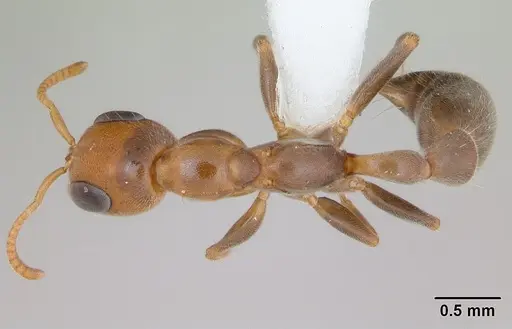
CASENT0173753
View on AntWeb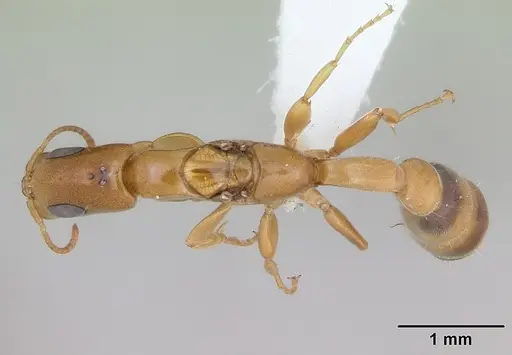
CASENT0178622
View on AntWeb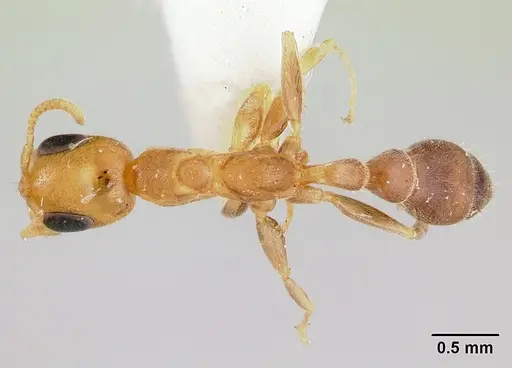
CASENT0902920
View on AntWeb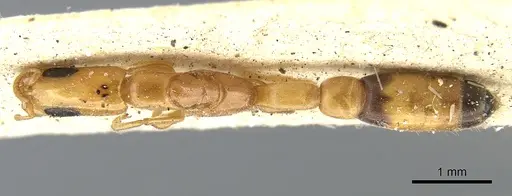
CASENT0902921
View on AntWeb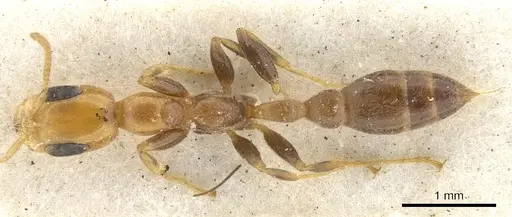
CASENT0907498
View on AntWeb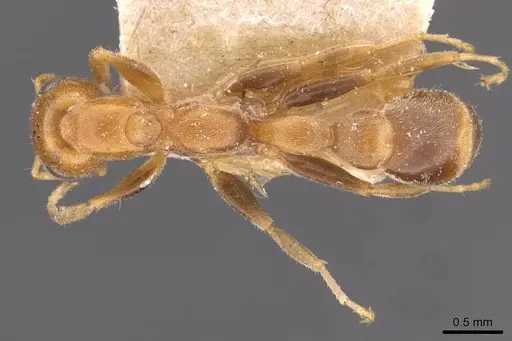
CASENT0907539
View on AntWeb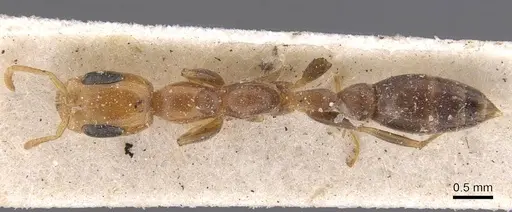
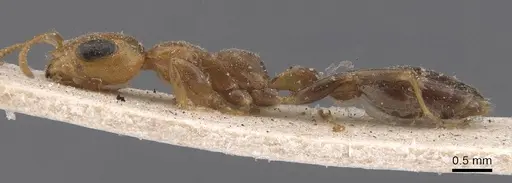
CBUMAGENT41805
View on AntWeb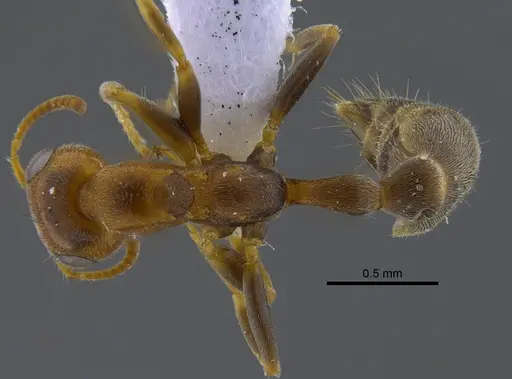
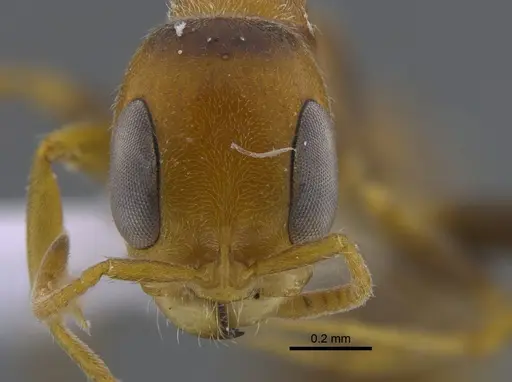
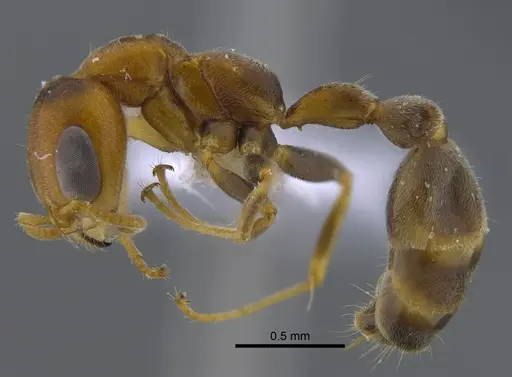
ECOFOG-BUG-1361-06
View on AntWeb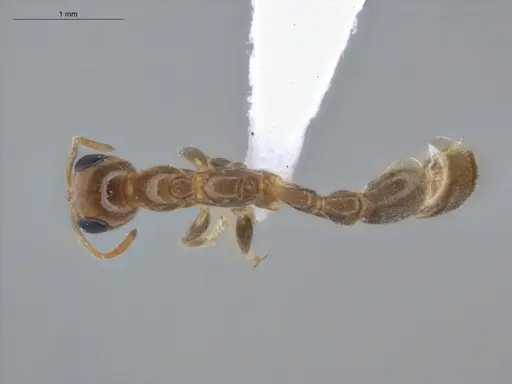
ECOFOG-BUG-1608-06
View on AntWeb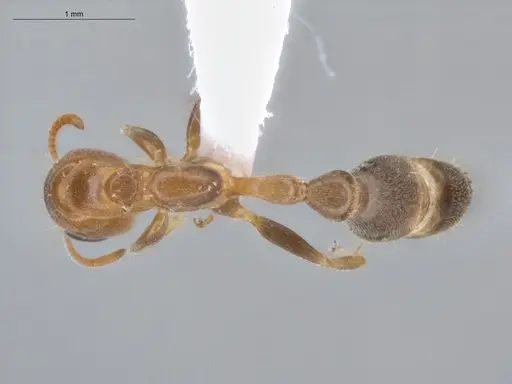
LACMENT142543
View on AntWeb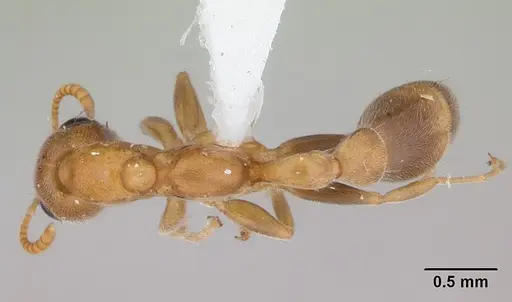
Literature
Loading distribution map...Loading products...