
Proformica nitida
- Sci. Name
- Proformica nitida
- Tribe
- Formicini
- Subfamily
- Formicinae
- Author
- Kuznetsov-Ugamsky, 1923
- Distribution
- Found in 1 countries
Introduction
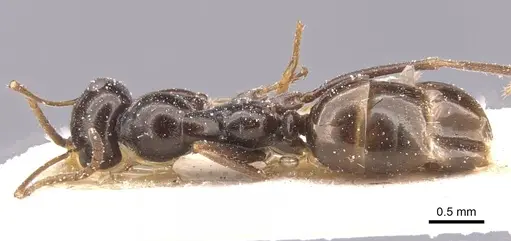
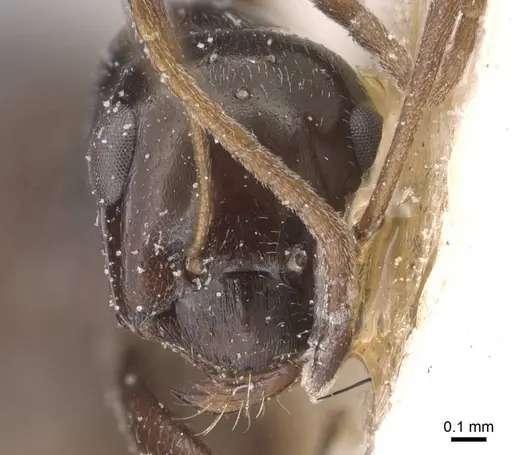
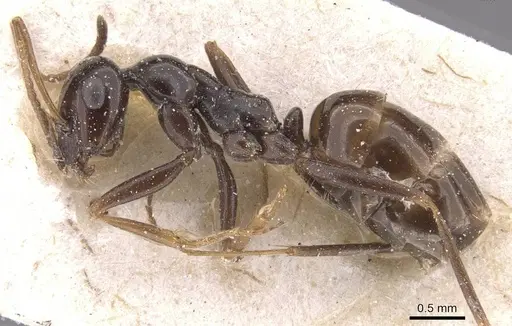
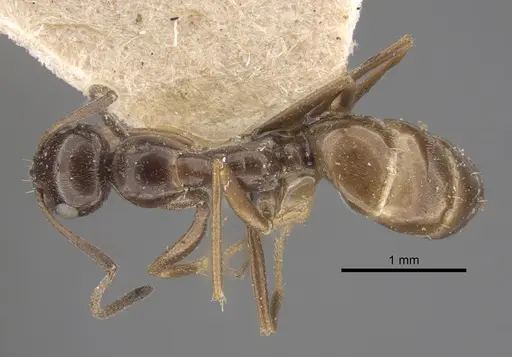
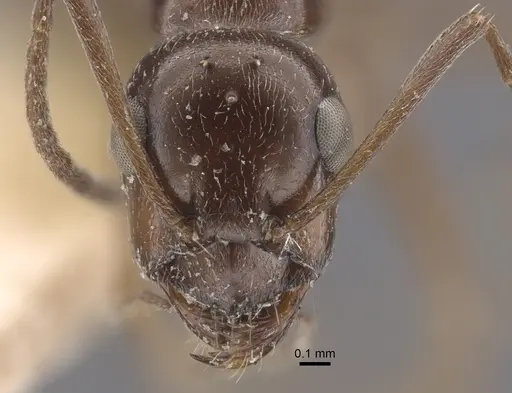
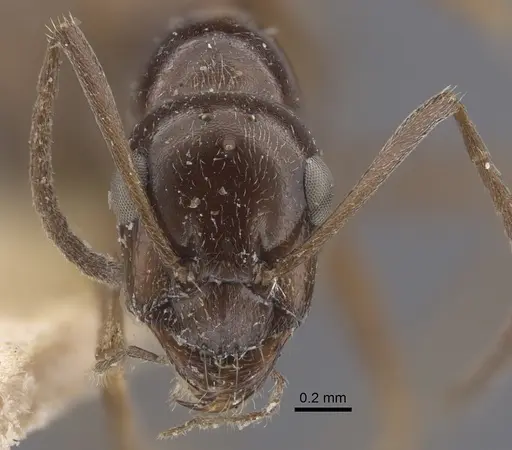
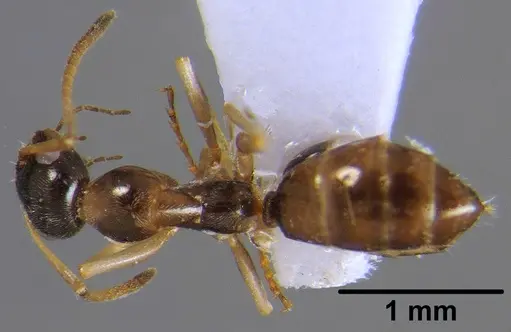
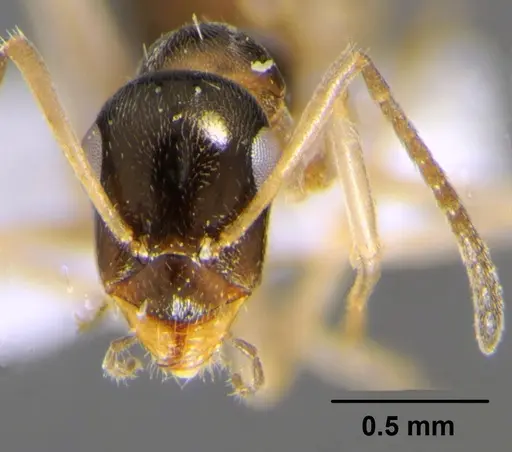
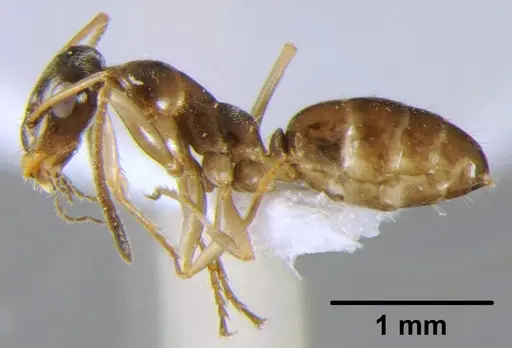
Proformica nitida is a small ant with workers measuring 3.8-4.6 mm in total length . The head is dark brown, scapes and mandibles yellow, and the body is slender and shiny . This species is native to Central Asia, with confirmed records from Kazakhstan, Kyrgyzstan, Uzbekistan, Iran, and northern China . It inhabits mountainous regions and forest steppe zones, often at elevations around 2000 m . Records from Greece and Turkey are likely misidentifications of Proformica nasuta . The genus Proformica represents a mountain group that has secondarily migrated to plains in some areas .
Quick Summary
- Difficulty: Medium
- Origin & Habitat: Central Asia, Kazakhstan, Kyrgyzstan, Uzbekistan, Iran, and northern China. Inhabits mountainous regions and forest steppe at elevations around 2000 m [1][2][3].
- Colony Type: Colony structure is unconfirmed for this species.
- Size & Growth:
- Antkeeping:
- Temperature: No species-specific temperature data available. Based on mountainous habitat, keep at moderate temperatures, roughly 22-26°C.
- Humidity: No species-specific humidity data available. Provide a humidity gradient based on forest steppe habitat.
- Diapause: Winter diapause is likely but unconfirmed. If attempted, provide 4-6 weeks at 10-15°C.
- Nesting: No species-specific nesting data available. Y-tong or plaster nests are typically used for Formicinae ants.
- Behavior: Workers are active foragers, typical of Formicinae. Escape risk is moderate due to 4mm size [1]. Temperament is generally peaceful.
- Common Issues: limited species-specific care information makes precise recommendations difficult, winter dormancy requirements are inferred rather than confirmed, monitor colony response, growth rate is unknown so keepers may need patience during founding phase, wild-caught colonies may have parasites, quarantine and observe new colonies, temperature sensitivity is unclear, start with moderate warmth and adjust based on colony behavior
Natural History and Distribution
Proformica nitida is a Central Asian species described by Kuznetsov-Ugamsky in 1923 from Kazakhstan. The type locality is in the Min-Bulak mountains in Kazakhstan, collected in May 1922 [4]. This species has been recorded across a broad geographic range including Kyrgyzstan, Uzbekistan, Iran, and northern China [1][2][3]. Specimens from Iran were collected in forest steppe habitat at 2067 m elevation in Mazandaran province [1]. The genus Proformica represents a mountain group of ants that has secondarily expanded into plains environments in some areas [3]. Records from Greece and Turkey are considered misidentifications of Proformica nasuta rather than true P. nitida [2].
Identification and Morphology
Workers measure 3.8-4.6 mm in total body length [1]. The head is dark brown with yellow scapes and mandibles. The funiculus is darker than the scape. The pronotum and propodeum are blackish brown and darker than the mesonotum. All coxae and appendages are yellow. The petiole and dorsal gaster are dark brown [1]. The body is slender with a smooth and shiny appearance, having scattered whitish hairs. The thorax is slender without noticeable sculpture. The scape is narrow and long. The transition between the basal and sloping surfaces of the epinotum is evenly moderately convex with no discernible angles [1].
Housing and Nesting
For captive care, Y-tong or plaster nests are commonly used for Formicinae ants. Chambers should be sized for approximately 4mm workers. In their natural habitat, they likely nest in soil under stones or in rotting wood. Provide a test tube setup for founding colonies, then transition to a formicarium as the colony grows. Ensure the nest has a humidity gradient with some damp areas and dry areas.
Feeding and Diet
Based on typical Formicinae behavior, these ants likely feed on honeydew and small insects. In captivity, offer sugar water or honey water as a constant carbohydrate source. For protein, provide small insects such as fruit flies or mealworms 2-3 times per week.
Temperature and Seasonal Care
Maintain temperatures around 22-26°C for optimal activity. As a species from mountainous regions, they may prefer cooler conditions. Provide a temperature gradient. During winter, a diapause period of 4-6 weeks at 10-15°C is suggested based on natural patterns, but unconfirmed.
Colony Development
Colony development timeline is unknown. Based on related Formicini ants, founding queens may remain sealed for 4-6 weeks before first workers emerge. Growth rate is likely moderate.
Frequently Asked Questions
How long does it take for Proformica nitida to produce first workers?
The exact timeline is unknown for this species. Based on related Formicini ants, expect 6-10 weeks from egg to first worker at optimal temperatures (22-26°C). The queen will remain sealed in her founding chamber during this time.
What temperature do Proformica nitida ants need?
Keep them at 22-26°C. As a Central Asian mountain species, they prefer moderate warmth rather than tropical heat. A temperature gradient allows workers to self-regulate their preferred temperature.
Do Proformica nitida ants need hibernation?
Winter diapause is likely but unconfirmed. If attempted, provide 4-6 weeks at 10-15°C during winter months to mimic natural seasonal cycles.
How big do Proformica nitida colonies get?
The maximum colony size is unknown. No species-specific data is available.
What do Proformica nitida ants eat?
They likely feed on honeydew and small insects. In captivity, offer sugar water or honey water as a constant carbohydrate source. For protein, provide small insects like fruit flies or mealworms 2-3 times per week.
Are Proformica nitida good for beginners?
This species is not well-documented in the antkeeping hobby, making it more challenging than established species. The lack of species-specific care information means keepers should have some experience with Formicinae ants before attempting this species.
Can I keep multiple Proformica nitida queens together?
Colony structure is unconfirmed for this species. Combining unrelated foundress queens is not recommended as fighting is likely.
When should I move Proformica nitida to a formicarium?
Wait until the colony has at least 30-50 workers before transitioning from a test tube setup to a formicarium. The colony should be actively foraging and the test tube showing signs of crowding.
Why is my Proformica nitida colony not growing?
Common causes include incorrect temperature, insufficient feeding, excessive disturbance during founding, or the queen may have died. Ensure stable conditions around 22-26°C, provide protein regularly, and minimize nest disturbances during the founding phase.
Report an Issue
The current care sheet is based fully on literature. See inconsistencies, or something that's incorrect? Please , it will be resolved after review from an admin. Contributing to the blogs tab also helps providing information, to make us be able to further improve the caresheets. Thank you for your support!
References

This caresheet is licensed under CC BY-SA 4.0 .
Community Blogs
Literature
Loading distribution map...Loading products...