
Proformica nasuta
- Sci. Name
- Proformica nasuta
- Tribe
- Formicini
- Subfamily
- Formicinae
- Author
- Nylander, 1856
- Distribution
- Found in 3 countries
Introduction
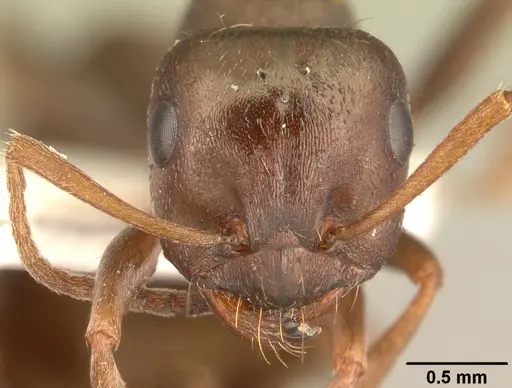
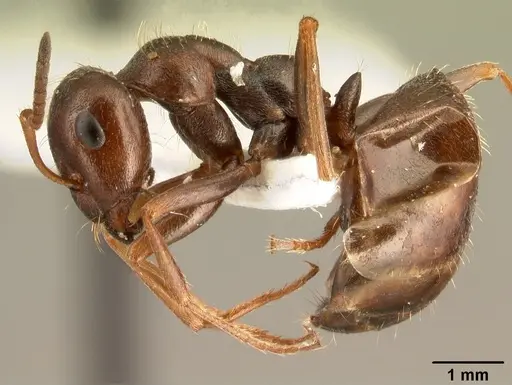
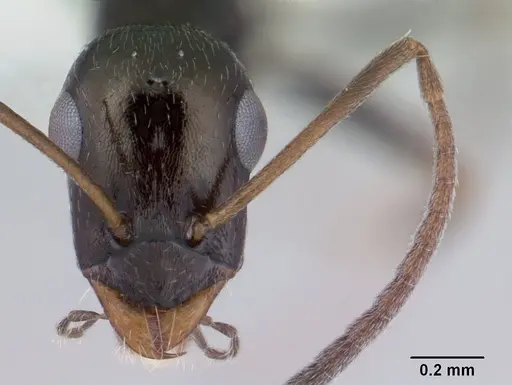
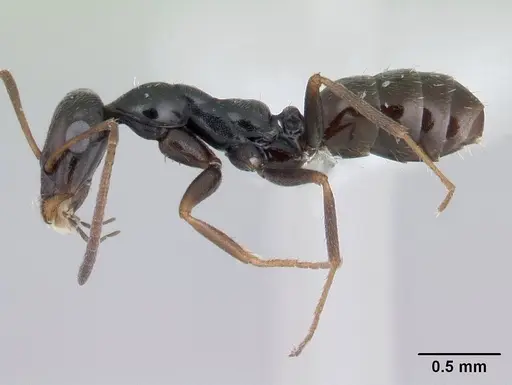
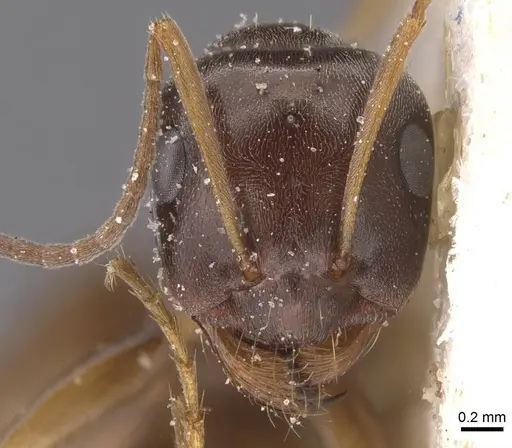
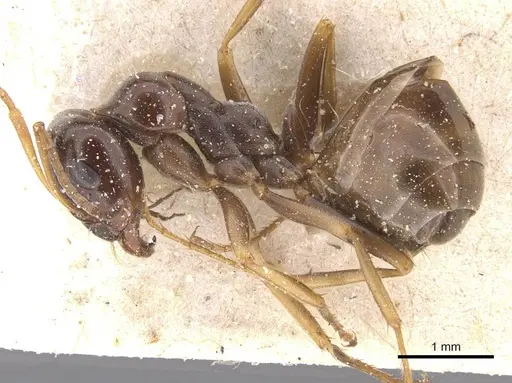
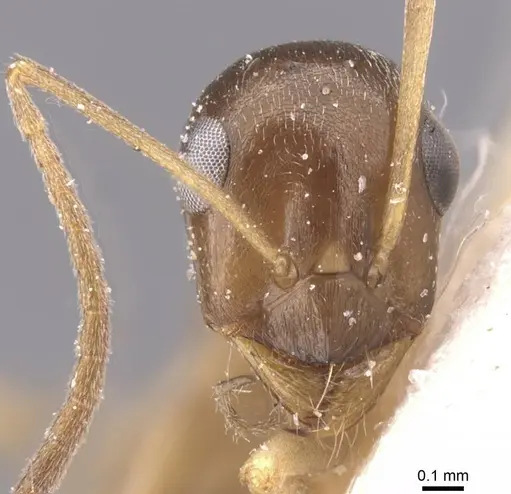
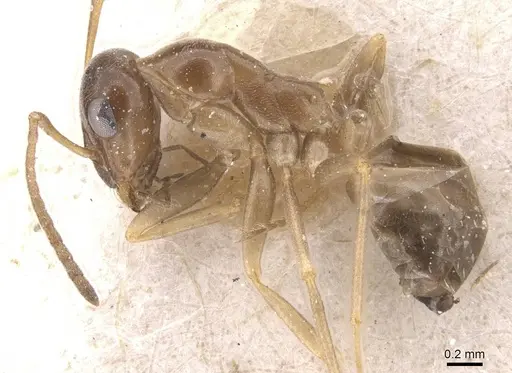
Proformica nasuta is a small ant native to the western Mediterranean region, primarily southern France. Workers are approximately 4.5 mm long , with a dark brown to black body and lighter appendages. They have dense pubescence on the gaster and, in minor workers, an elongated head. Colonies are polygynous, meaning they have multiple queens, and some workers develop into repletes, specialized individuals that store liquid food in their inflated abdomens . This species serves as a host for the slave-making ant Rossomyrmex and is a subordinate, heat-loving ant in Mediterranean communities, active during the hottest parts of the day .
Quick Summary
- Difficulty: Medium
- Origin & Habitat: Southern France and the western Mediterranean basin, nesting in ground under stones or in burrows, often below 200 m elevation but up to 800 m in mountains [3][6].
- Colony Type: Polygynous, colonies contain multiple queens. Ergatoid (wingless) queens are present, and workers can become repletes to store food [3].
- Size & Growth:
- Queen: Size data unavailable, no total length measurements provided in research [3].
- Worker: Approximately 4.5 mm [1][2].
- Colony: Up to hundreds of workers [5].
- Growth: Moderate, inferred from related Mediterranean species.
- Development: Unknown, no specific data available, estimated 6-10 weeks based on genus patterns [4]. (Development likely depends on temperature, queens have been observed laying eggs and raising larvae in captivity [4].)
- Antkeeping:
- Temperature: Keep around 22-26°C with a gentle gradient, this species tolerates high temperatures up to 46°C in the wild but prefers mid-to-high 20s°C for activity [1].
- Humidity: Moderate, provide a slightly moist nest substrate that is not waterlogged, mimicking underground chambers [3].
- Diapause: Unknown, no specific data, as a Mediterranean species, a mild winter rest may be beneficial but is not confirmed.
- Nesting: Small, shallow nests work best, in nature, they nest under stones with chambers up to 50 cm deep [3]. For captivity, use test tubes or small soil-based nests with escape-proof barriers.
- Behavior: Diurnal and heat-loving, they forage individually for insects and nectar, avoiding competition by being active at different times [5][1]. Workers are non-aggressive and do not sting, but their tiny size makes them escape-prone [3]. Repletes store liquid food for the colony [3].
- Common Issues: escape prevention is critical due to their small size, use fine mesh and barriers, slow colony growth may frustrate beginners, specific care requirements are not well-established in captivity, wild colonies may host slave-making ants like Rossomyrmex, small size increases drowning risk in water tubes, use cotton plugs properly
Housing and Nest Setup
Proformica nasuta is tiny, so scale your setup accordingly. Use test tubes for founding colonies with a water reservoir sealed by cotton plugs. For established colonies, small soil-based nests or naturalistic setups work well. Escape prevention is essential, use fine mesh (0.5 mm or smaller) on vents and apply fluon to edges [3]. Provide a shallow outworld for foraging, connected to the nest [3].
Feeding and Diet
In the wild, they scavenge insects and feed on nectar. In captivity, offer small protein sources like fruit flies or pinhead crickets, and sugar water or honey water for carbohydrates, repletes will store these liquids [5][1][7]. Feed every 2-3 days and remove uneaten prey to prevent mold.
Temperature and Seasonal Care
As a heat specialist, keep temperatures between 22-26°C with a gradient. They tolerate up to 46°C but prefer mid-20s°C for activity [1]. Diurnal with peak activity in summer, winter diapause is not documented but may be beneficial at 10-15°C for 2-3 months [1].
Colony Structure and Social Organization
Colonies are polygynous with multiple queens and ergatoid (wingless) queens [3]. Workers develop into repletes that store liquid food [3]. Colonies grow to hundreds of workers and may bud rather than have nuptial flights [4].
Behavior and Foraging
Workers forage individually, avoiding competition by being active at different times [5][1]. They are diurnal, with males emerging 30-60 minutes after worker activity to mate with multiple queens [4]. Defense is limited to the nest, using formic acid spray.
Legal and Ethical Considerations
True P. nasuta is restricted to southern France, records elsewhere are likely misidentifications [8][3]. Never release this species outside its native range to avoid ecological issues. Check local regulations before keeping [8].
Frequently Asked Questions
How long does it take for Proformica nasuta to produce first workers?
No specific data, estimated 6-10 weeks based on related species at optimal temperatures [4].
Can I keep multiple Proformica nasuta queens together?
Yes, they are naturally polygynous and queens coexist peacefully [3].
What do Proformica nasuta eat?
They scavenge insects and consume nectar, offer small prey and sugar water [5][1].
Are Proformica nasuta good for beginners?
Medium difficulty, escape prevention is challenging due to small size, but polygynous structure adds resilience.
Do Proformica nasuta need hibernation?
Unknown, as a Mediterranean species, a mild winter rest may help but is not confirmed.
Why are my Proformica nasuta escaping?
Their tiny size requires fine mesh barriers and fluon on edges [3].
What is a replete ant?
Repletes are workers that store liquid food in expanded abdomens, serving as living pantries for the colony [3].
When should I move Proformica nasuta to a formicarium?
Wait until the colony has 20-30 workers, then let them move at their own pace.
Report an Issue
The current care sheet is based fully on literature. See inconsistencies, or something that's incorrect? Please , it will be resolved after review from an admin. Contributing to the blogs tab also helps providing information, to make us be able to further improve the caresheets. Thank you for your support!
References

This caresheet is licensed under CC BY-SA 4.0 .
Community Blogs
CASENT0101912
View on AntWeb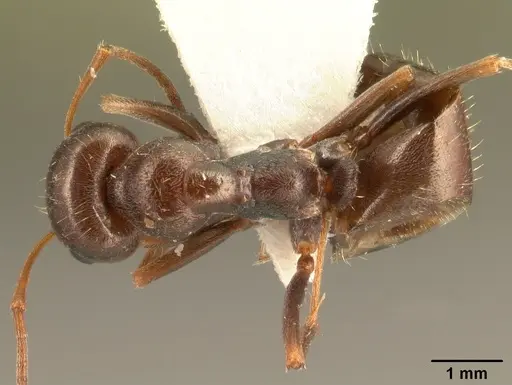
CASENT0178841
View on AntWeb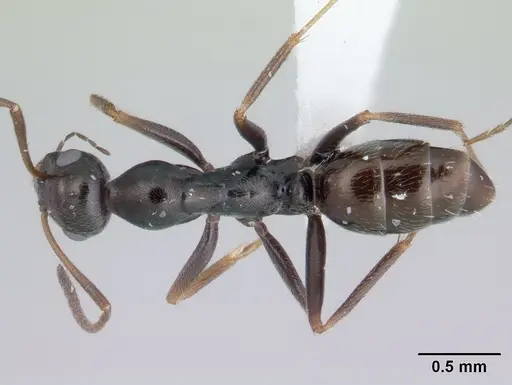
CASENT0912275
View on AntWeb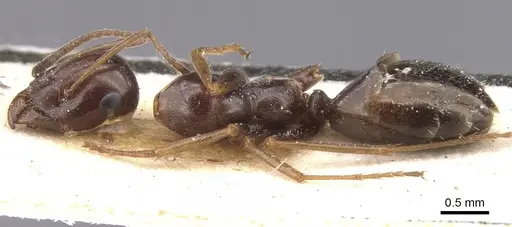
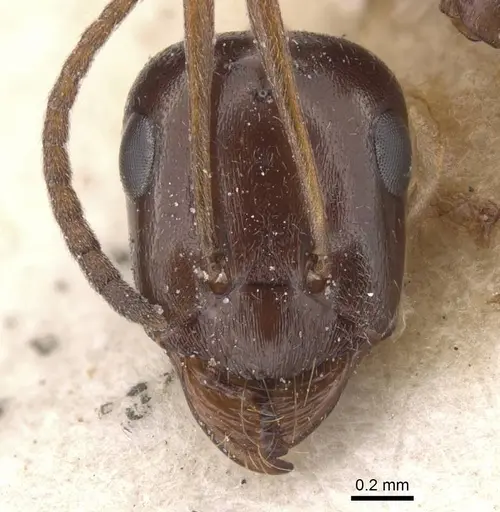
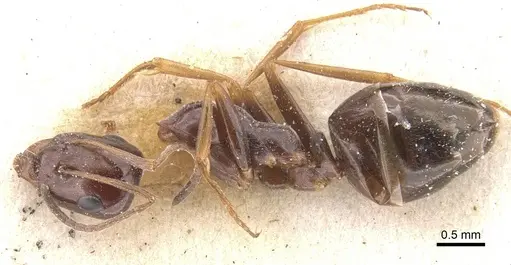
CASENT0912276
View on AntWeb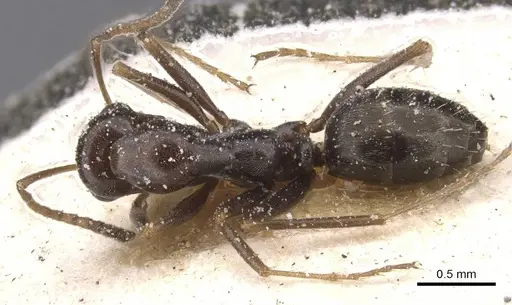
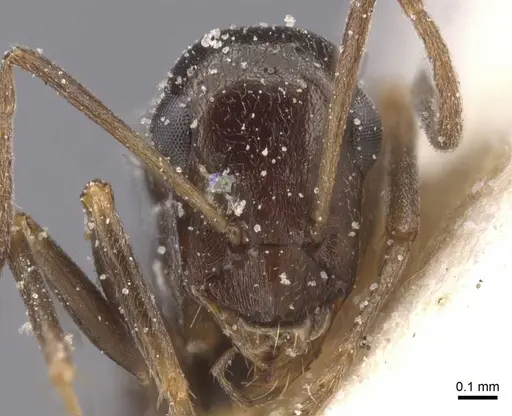
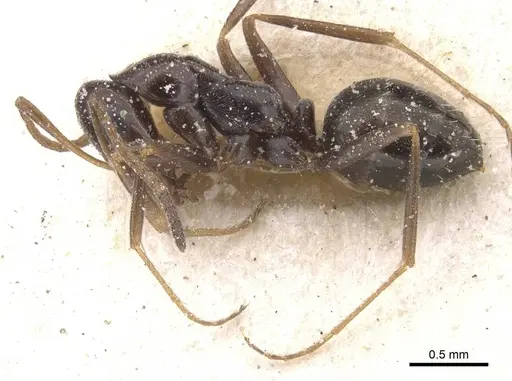
CASENT0912277
View on AntWeb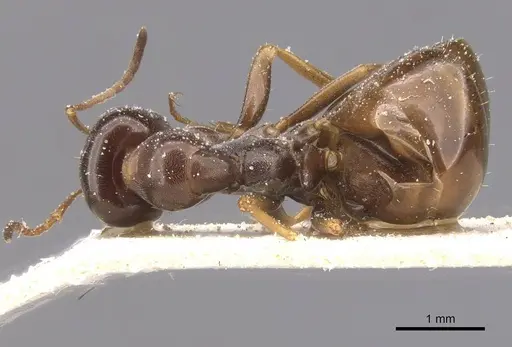
CASENT0912278
View on AntWeb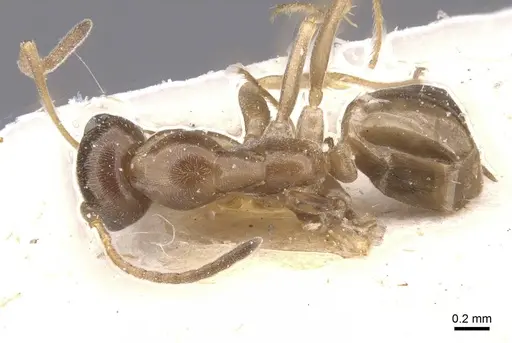
Literature
Loading distribution map...Loading products...