
Chelaner bicornis
- Sci. Name
- Chelaner bicornis
- Tribe
- Solenopsidini
- Subfamily
- Myrmicinae
- Author
- Forel, 1907
- Distribution
- Found in 1 countries
Introduction
Chelaner bicornis is a small to medium-sized ant native to temperate Australia, found throughout the southern half of the continent from Western Australia to New South Wales. Workers measure 2.74-4.26mm and display variable coloration - eastern populations are dark brown to black with chocolate or brown gasters, while western populations are black with contrasting yellow to orange gasters [AntWiki]. The species is notable for its unusual diet - it appears to be largely graminivorous, feeding primarily on grass seeds and grains rather than hunting insects, based on its close resemblance to the known graminivore Chelaner whitei [AntWiki]. Queens are chunky at 4.37-4.73mm, and colonies show considerable size variation among workers with intercastes between largest and smallest workers [AntWiki].
Quick Summary
- Difficulty: Medium
- Origin & Habitat: Native to temperate Australia, found throughout the southern half of the continent from Western Australia to New South Wales [1]. The type locality is Gooseberry Hill in the Darling Ranges near Perth, Western Australia [1].
- Colony Type: Colony structure is unconfirmed. Workers are monomorphic but variable in size with intercastes between largest and smallest workers [1]. No data on queen number in established colonies.
- Size & Growth:
- Queen: 4.37-4.73mm [1]
- Worker: 2.74-4.26mm [1]
- Colony: Unknown, no colony size data available
- Growth: Unknown, no development data available
- Development: Unknown, no direct development data for this species (Development timing is unconfirmed for this species. Based on typical Monomorium/Chelaner patterns from related species, expect several weeks at warm temperatures. More research is needed.)
- Antkeeping:
- Temperature: Keep around 22-26°C. Being from temperate Australia, they prefer warm but not extreme conditions. A gentle gradient allowing them to self-regulate is ideal.
- Humidity: Moderate humidity, these are not desert ants but not rainforest dwellers either. Keep nest substrate lightly moist with some drier areas available.
- Diapause: Unknown for this species. Temperate Australian ants may experience reduced activity during cooler months, but specific diapause requirements are unconfirmed.
- Nesting: In nature, they likely nest in soil or under stones. For captivity, a test tube setup works for founding colonies. Once established, a Y-tong or plaster nest with moderate moisture works well. Avoid overly dry conditions.
- Behavior: This species has a notable defensive capability, workers have been documented killing poultry in Western Australia, indicating they possess a potent sting [1]. They appear to be graminivorous, primarily feeding on grass seeds and grains rather than hunting insects [1]. Workers vary significantly in size within colonies. Escape risk is moderate given their small to medium size, standard barrier precautions are sufficient.
- Common Issues: no development data makes timing uncertain, keepers should be patient during founding phase, graminivorous diet means they need seed/grain offerings, not just protein, unusual for antkeepers to provide, potent sting has killed poultry, handle with care and use good escape prevention, variable worker size may confuse beginners, this is normal for the species, no diapause data means winter care is uncertain, monitor colony activity and adjust accordingly
Appearance and Identification
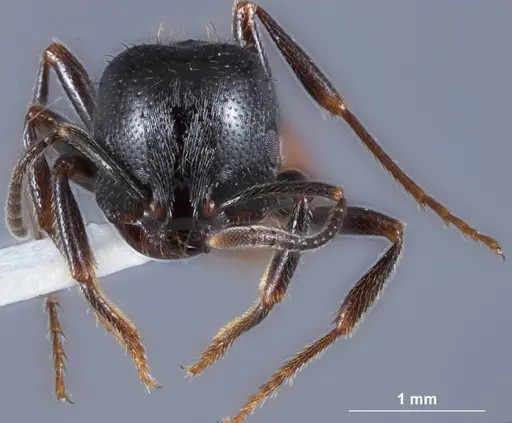
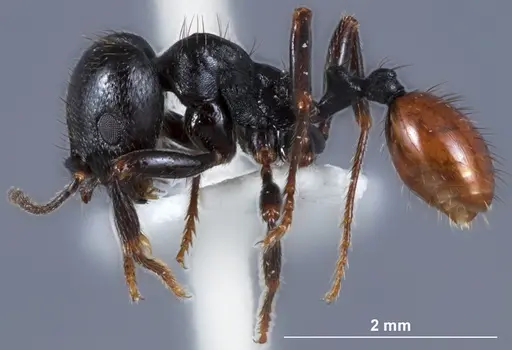
Chelaner bicornis workers measure 2.74-4.26mm and show distinctive coloration that varies by region. Eastern Australian populations are dark brown to black with chocolate or light brown gasters, while western populations in southwestern Australia are black with bright yellow to orange gasters. The species has distinctive clypeal teeth, two pronounced teeth at the front of the head plus smaller denticles on either side. Queens are larger at 4.37-4.73mm with a dark chocolate to black head, alitrunk, petiole and postpetiole, while the gaster ranges from tawny yellow to black. Workers show considerable size variation within colonies, with intercastes between the smallest and largest workers, this size polymorphism is normal for the species. [1]
Feeding and Diet
This species appears to be unusual among ants for being largely graminivorous, meaning it likely feeds primarily on grass seeds, grains, and other plant material rather than hunting insects. This diet inference comes from its close resemblance to Chelaner whitei, which is known to be graminivorous [1]. In captivity, you should offer a mix of grass seeds, millet, cracked grains, and other small seed offerings alongside occasional protein sources like small insects. Sugar water or honey may be accepted but should not be the primary food source. This diet makes them somewhat unique in antkeeping, they're more like seed-eating ants than typical omnivorous Myrmicinae.
Defense and Safety
Chelaner bicornis has a notable defensive capability that keepers should be aware of. The Western Australian Department of Agriculture has documented workers of this species causing the death of poultry in southwestern rural areas [1]. This indicates they possess a potent sting that can be medically significant, particularly for small animals. While they are small ants, you should handle them with appropriate care and use excellent escape prevention. The potent sting also suggests they may be more aggressive than typical small ants when their nest is disturbed.
Temperature and Seasonal Care
As a species from temperate Australia, Chelaner bicornis prefers warm but moderate temperatures. Keep the nest area around 22-26°C, which is typical room temperature in many homes. A heating cable on one side of the nest can create a gentle gradient allowing the colony to self-regulate. Place the heating on top of the nest, not underneath, to avoid evaporating moisture too quickly. Specific diapause requirements are unconfirmed, but being from southern Australia they likely experience cooler winters. Reduce feeding and cooling slightly during winter months if the colony shows reduced activity, but avoid true cold hibernation unless you observe the colony becoming dormant.
Nesting and Housing
In the wild, Chelaner bicornis nests in soil and under stones in temperate Australian habitats. For captive colonies, start with a standard test tube setup for the founding queen. Once the colony reaches 20-30 workers, you can transition to a Y-tong or plaster formicarium. Keep the nest substrate moderately moist, damp but not waterlogged. Provide some drier areas within the nest for the ants to self-regulate their humidity preferences. Given their small size and potent sting, ensure escape prevention is solid even though they are not extreme escape artists like some tiny species.
Colony Development
Specific development timing for Chelaner bicornis has not been documented in scientific literature. Based on typical patterns for related Monomorium and Chelaner species, expect the first workers to emerge within several weeks at optimal warm temperatures. Queens are chunky at 4.37-4.73mm with likely substantial fat reserves for claustral founding, meaning the queen seals herself in and raises the first brood without leaving to forage. Workers display significant size variation within colonies, this is normal and reflects the species' monomorphic but size-variable worker caste. Be patient during the founding phase as specific timelines are uncertain for this species.
Frequently Asked Questions
What do Chelaner bicornis ants eat?
They appear to be graminivorous, meaning they primarily eat grass seeds and grains. Offer grass seeds, millet, cracked wheat, and similar seed offerings. They may also accept occasional small insects but these should not be their primary food. Sugar water may be accepted but is not a major part of their natural diet.
How long does it take for Chelaner bicornis to produce first workers?
Exact timing is unconfirmed for this species. Based on related species patterns, expect several weeks from egg to first worker at warm temperatures. Be patient during founding as specific development data is not available.
Do Chelaner bicornis ants sting?
Yes. This species has a potent sting that has been documented killing poultry in Western Australia. While small, they can deliver a sting that is more potent than typical ants of their size. Handle with care.
What temperature do Chelaner bicornis need?
Keep them around 22-26°C. They prefer temperate conditions, warm but not hot. A gentle temperature gradient allowing self-regulation is ideal.
Are Chelaner bicornis good for beginners?
They are rated as Medium difficulty. The main challenges are their unusual graminivorous diet requiring seed offerings, lack of development data requiring patience, and their potent sting. Experienced antkeepers should have no issues, but beginners may find the diet requirements unusual.
How big do Chelaner bicornis colonies get?
Colony size data is not available. Workers range from 2.74-4.26mm and show considerable size variation within colonies. Expect moderate-sized colonies based on related species.
Do Chelaner bicornis need hibernation?
Diapause requirements are unconfirmed. As a temperate Australian species, they likely experience cooler winters but specific hibernation needs are not documented. Monitor your colony and reduce temperatures slightly in winter if activity decreases.
Can I keep multiple Chelaner bicornis queens together?
Colony structure is unconfirmed for this species. Combining unrelated queens is not recommended since this has not been documented and could result in fighting.
What size are Chelaner bicornis queens?
Queens measure 4.37-4.73mm in total length. They are chunky ants with substantial fat reserves, likely enabling claustral founding where the queen seals herself in to raise the first brood alone.
Where is Chelaner bicornis found?
They are native to temperate Australia, found throughout the southern half of the continent from Western Australia to New South Wales. The type locality is Gooseberry Hill in the Darling Ranges near Perth, Western Australia.
Report an Issue
The current care sheet is based fully on literature. See inconsistencies, or something that's incorrect? Please , it will be resolved after review from an admin. Contributing to the blogs tab also helps providing information, to make us be able to further improve the caresheets. Thank you for your support!
References

This caresheet is licensed under CC BY-SA 4.0 .
Community Blogs
JDM32-003501
View on AntWeb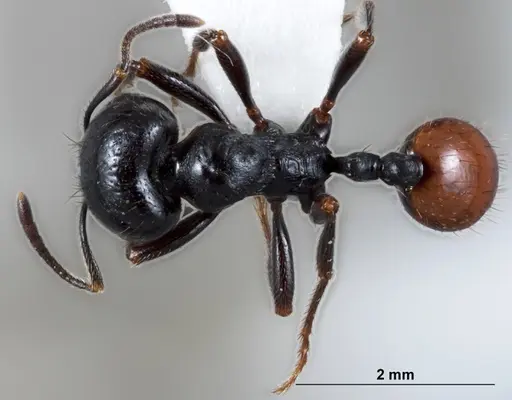
Literature
Loading distribution map...Loading products...