
Chelaner whitei
- Sci. Name
- Chelaner whitei
- Tribe
- Solenopsidini
- Subfamily
- Myrmicinae
- Author
- Wheeler, 1915
- Distribution
- Found in 1 countries
Introduction
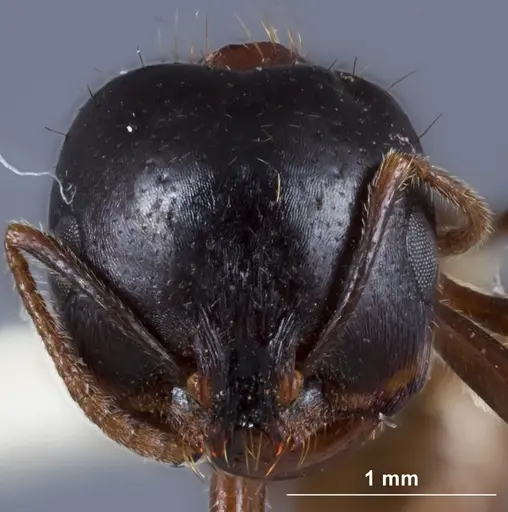
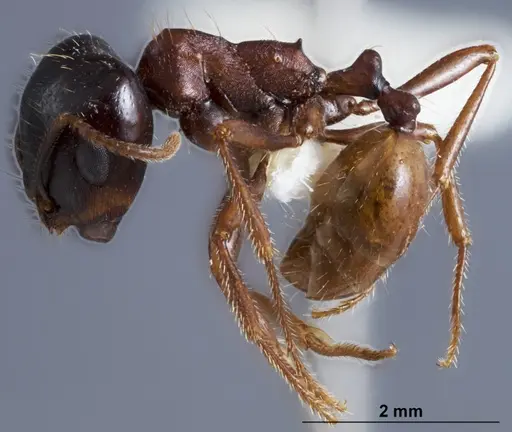
Chelaner whitei is the largest Australian species in the Chelaner genus, with workers ranging from 3.06-3.57mm and queens reaching 5.23-6.13mm [AntWiki]. These ants have a distinctive appearance: a reddish-brown head and mesosoma with a contrasting yellowish-brown gaster, though color can vary from orange to nearly black depending on the specimen . They are closely related to Chelaner bicornis but can be distinguished by their proportionately larger eyes. What makes this species interesting is their diet - they are confirmed seed harvesters, one of the few Australian ants that subsists largely or wholly on seeds [AntWiki]. They harvest seeds from at least 20 plant species, with chenopods (saltbush family plants) making up the main part of their diet [AntWiki]. This seed-based diet, combined with their arid origin, makes them a unique species for antkeepers interested in harvesting ants.
Quick Summary
- Difficulty: Medium
- Origin & Habitat: Arid and semi-arid inland Australia, found throughout the southern arid zone from southwestern Queensland to southern Western Australia [2][3]. They inhabit dry, inland regions contrasting with their relative C. bicornis which prefers wetter coastal areas [1].
- Colony Type: Single-queen colonies (monogyne). Workers are polymorphic with significant size variation, the worker caste shows monophasic allometry with a series of intercastes between the largest and smallest workers [1].
- Size & Growth:
- Antkeeping:
- Temperature: Keep at 24-28°C based on their arid Australian origin. They prefer warmer conditions typical of inland Australia. A heating cable on one side of the nest can create a suitable gradient.
- Humidity: Low to moderate, these are arid-adapted ants. Keep nest substrate relatively dry, similar to their natural habitat in semi-arid Australia. Allow areas to dry out between waterings.
- Diapause: Winter diapause requirements are unconfirmed for this species. Based on their arid Australian origin, they likely experience reduced activity during cooler months.
- Nesting: Y-tong (AAC) nests or plaster nests work well for this species. Their natural habitat is dry, so avoid overly humid setups. Provide a dry outworld area for seed storage and foraging.
- Behavior: These ants are generally peaceful and not aggressive. As seed harvesters, they are foragers that collect seeds rather than hunting live prey. Workers are polymorphic, you'll see both small minor workers and larger major workers. They have stingers but are too small to cause pain to humans. Escape risk is moderate due to their small size, use standard barrier methods.
- Common Issues: seed storage can attract mold if humidity is too high, keep the outworld dry, limited captive breeding data means colony establishment may be challenging, arid conditions must be balanced with providing enough water for the colony, polymorphic workers may cause confusion, large majors are normal, not a sign of a supercolony
Nest Preferences
In the wild, Chelaner whitei nests in soil in arid and semi-arid regions of inland Australia. For captive care, Y-tong (AAC) nests or plaster nests work well because they allow you to control humidity levels more easily than fully naturalistic setups. These ants prefer dry conditions, avoid setups that maintain high humidity. Provide a test tube water reservoir connected to the nest, but allow the nesting area to remain relatively dry. The outworld should be spacious enough for foraging and seed storage. Because workers are polymorphic (varying in size from 3-3.5mm), chambers should accommodate both small and large workers comfortably. [2][1]
Feeding and Diet
Chelaner whitei is a confirmed seed harvester, this is one of the few Australian ant species known to specialize on seeds [1]. In the wild, they harvest seeds from at least 20 plant species, with chenopods (saltbush family plants) being their primary food source [1]. For captive care, offer a variety of small seeds appropriate for their size. Grass seeds, sesame seeds, and small bird seed work well. You can also offer occasional protein sources like small insects, but seeds should form the basis of their diet. Unlike predatory ants, they do not require live prey. Sugar water or honey can be offered occasionally, but their main nutritional source should be seeds. This makes them relatively easy to feed compared to predatory species.
Temperature and Care
As an arid-adapted species from inland Australia, Chelaner whitei prefers warmer temperatures. Keep the nest area at 24-28°C for optimal activity and brood development. A heating cable placed on one side of the nest can create a temperature gradient, allowing ants to self-regulate by moving between warmer and cooler areas. During the cooler winter months, reduce temperatures to around 15-18°C to simulate their natural seasonal cycle. This winter rest period of 2-3 months helps maintain colony health. Unlike tropical species, they do not require high humidity, aim for dry to moderately dry conditions in the nesting area. [2][3]
Behavior and Temperament
Chelaner whitei is a relatively peaceful species suitable for antkeepers who prefer non-aggressive ants. Workers are polymorphic, you'll observe both smaller minor workers and larger major workers in the same colony [1]. The majors help with seed processing and colony defense. They are foragers rather than active hunters, spending time collecting seeds in the outworld. While they have stingers, these are too small to penetrate human skin, making them safe to handle. Their moderate size (3-3.5mm workers) means standard escape prevention measures work well.
Frequently Asked Questions
What do Chelaner whitei ants eat?
Chelaner whitei is a seed-harvesting species. In captivity, offer small seeds like grass seeds, sesame seeds, or bird seed. Seeds should form the main part of their diet. You can occasionally offer small insects or sugar water, but seeds are their primary food source in the wild.
How long does it take for Chelaner whitei to develop from egg to worker?
The exact development timeline has not been directly studied for this species. No data is available.
What temperature do Chelaner whitei ants need?
Keep them at 24-28°C. As an arid Australian species, they prefer warmer conditions. A heating cable on one side of the nest creates a gradient. In winter, reduce to 15-18°C for a rest period.
Are Chelaner whitei good for beginners?
They are rated as medium difficulty. While their seed-based diet is straightforward, limited captive breeding information means they may be more challenging than common species. They require warm, dry conditions typical of arid-region ants.
How big do Chelaner whitei colonies get?
Colony size is not well documented. They are polymorphic, so you'll see size variation among workers.
What humidity do Chelaner whitei need?
Low to moderate humidity. These are arid-adapted ants from inland Australia. Keep the nesting area relatively dry, with only a small water reservoir. Allow the substrate to dry out between waterings.
Do Chelaner whitei need hibernation?
Winter diapause requirements are unconfirmed. Based on their arid Australian origin, they likely benefit from a winter rest period with reduced temperatures.
What size are Chelaner whitei queens?
Queens are 5.23-6.13mm in total length, making them significantly larger than workers (3.06-3.57mm). They are among the largest Australian Chelaner species.
Can I keep multiple Chelaner whitei queens together?
No, this species is monogyne (single-queen colonies). Multiple unrelated queens will likely fight. Only keep one queen per colony.
What type of nest is best for Chelaner whitei?
Y-tong (AAC) nests or plaster nests work well. These allow you to maintain dry conditions more easily than fully naturalistic setups. Avoid setups that retain high humidity.
Why are my Chelaner whitei workers different sizes?
This is normal, Chelaner whitei has polymorphic workers. The worker caste shows significant size variation with intercastes between the largest and smallest workers. Large major workers are normal.
Report an Issue
The current care sheet is based fully on literature. See inconsistencies, or something that's incorrect? Please , it will be resolved after review from an admin. Contributing to the blogs tab also helps providing information, to make us be able to further improve the caresheets. Thank you for your support!
References

This caresheet is licensed under CC BY-SA 4.0 .
Community Blogs
ANTWEB1041389
View on AntWeb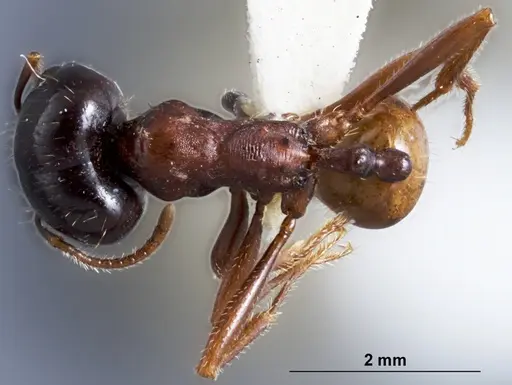
Literature
Loading distribution map...Loading products...