
Deep South Collared Ant
Aphaenogaster miamiana
- Sci. Name
- Aphaenogaster miamiana
- Tribe
- Stenammini
- Subfamily
- Myrmicinae
- Author
- Wheeler, 1932
- Common Name
- Deep South Collared Ant
- Distribution
- Found in 1 countries
Introduction
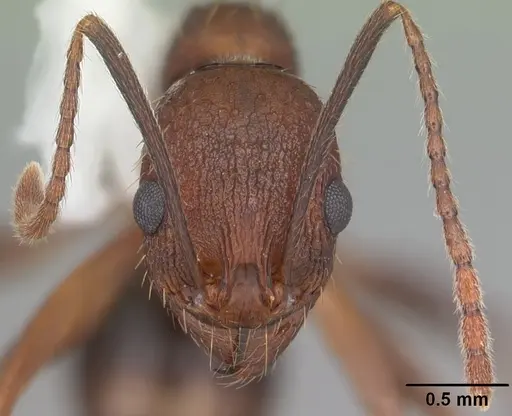
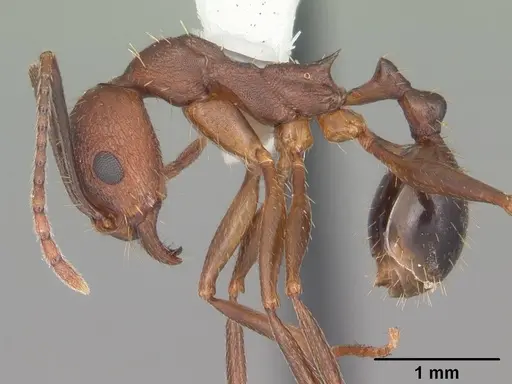
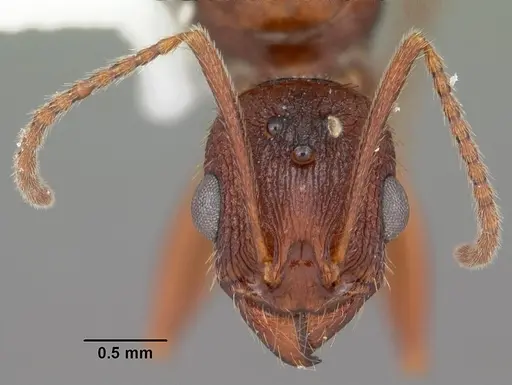
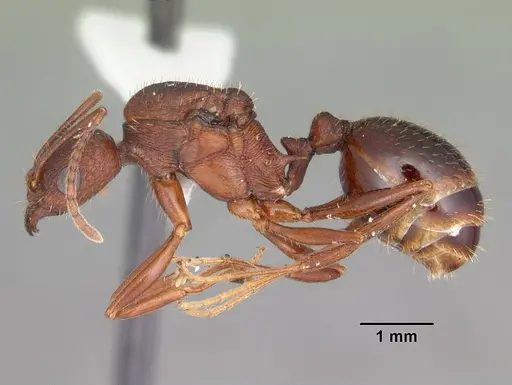
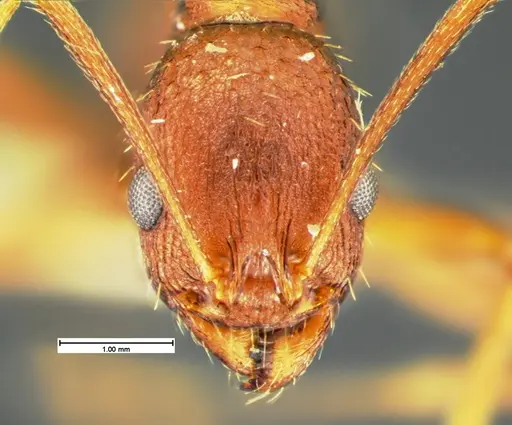
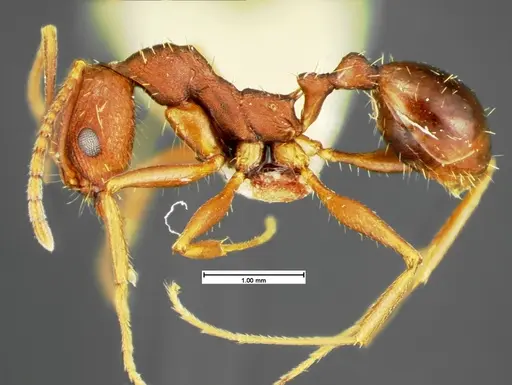
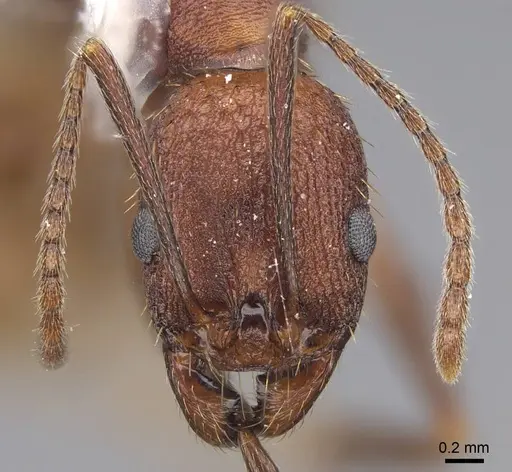
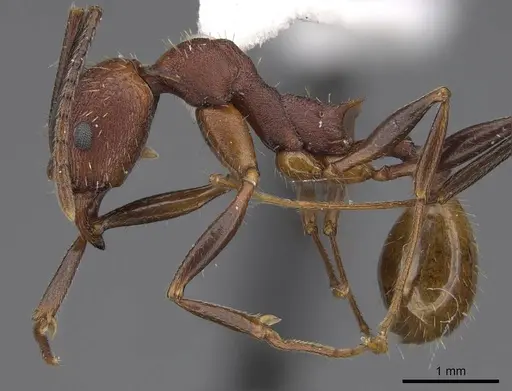
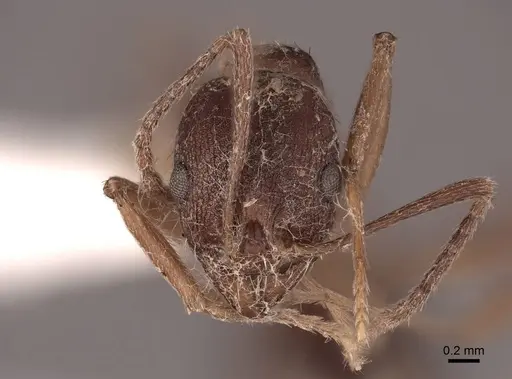
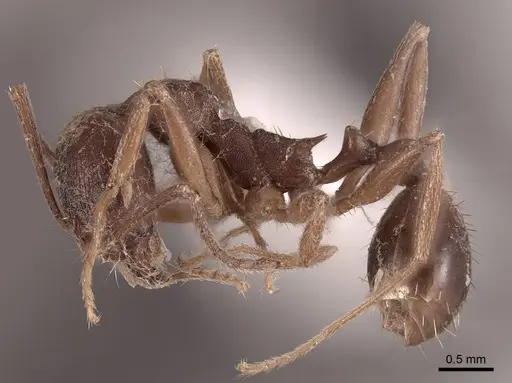
Aphaenogaster miamiana is a medium-sized ant with workers measuring about 5 mm and queens around 7 mm in total length [AntWiki]. Workers display a rich ferruginous red coloration with a dark brown gaster and yellow-brown legs, while some populations (particularly outside southern Florida) appear much darker brown [AntWiki]. This species belongs to the Aphaenogaster rudis complex but can be distinguished by rougher sculpturing on the head and mesosoma, and by longer propodeal spines [AntWiki]. These ants are native to the southeastern United States coastal plain and Mexico, where they inhabit forest floor leaf litter and soil . A unique defensive trait is the presence of anabasine in their poison glands, a compound also found in tobacco plants .
Quick Summary
- Difficulty: Medium
- Origin & Habitat: Southeastern USA coastal plain and Mexico, forest floor and leaf litter habitats [4][8]
- Colony Type: Colony structure is unconfirmed for this species
- Size & Growth:
- Antkeeping:
- Temperature: 20-26°C during active season, winter rest at 10-15°C based on natural climate range of 5.9-32.8°C [9]
- Humidity: Moderate to high, keep nest substrate damp like forest floor leaf litter, with good ventilation to prevent mold
- Diapause: Yes, requires winter rest of 2-3 months at 10-15°C based on climate data from native range [9]
- Nesting: Soil and leaf litter nests, use Y-tong (AAC), plaster, or naturalistic setups with organic material
- Behavior: Slow-moving, ground-dwelling scavengers, native species with no invasive risk, not attacked by phorid flies that target fire ants [10][11][12][13]. Workers are about 5 mm so standard escape prevention is adequate.
- Common Issues: slow growth requires patience, beginners often overfeed or disturb the colony expecting faster development., humidity balance is critical, forest floor species need damp substrate but waterlogged conditions cause mold and fungus outbreaks., winter rest is necessary, failure to provide diapause at 10-15°C for 2-3 months may cause colony decline or queen death., identification confusion, often mistaken for other Aphaenogaster species in the rudis complex without close examination of sculpturing.
Nest Preferences and Setup
In nature, Aphaenogaster miamiana nests in forest floor leaf litter and soil [4]. Provide a nest that mimics these damp, organic conditions. Y-tong (AAC) nests, plaster nests, or naturalistic setups with soil and leaf litter all work well. These ants need moderate to high humidity but require good ventilation to prevent mold growth in their organic-rich environment. Avoid completely sealed setups, instead use a formicarium with a water tower or hydration chamber that keeps the substrate damp but not waterlogged. A thin layer of leaf litter in the outworld encourages natural foraging behaviors.
Temperature and Seasonal Care
Climate data from their Florida habitat shows these ants naturally experience a wide temperature range, from minimums of 5.9°C to maximums of 32.8°C [9]. During the active season (spring through fall), keep your colony at 20-26°C. They absolutely require a winter rest period (diapause) to remain healthy. Cool them gradually to 10-15°C for 2-3 months during winter, then warm them back up slowly in spring. This mimics their natural cycle and triggers proper brood development timing.
Feeding and Diet
While specific diet studies are lacking for this species, related Aphaenogaster are generalist scavengers and seed collectors. Offer small insects such as fruit flies, pinhead crickets, or pieces of larger prey. They likely accept sugar water or honey water as well. Feed small amounts 2-3 times per week, removing uneaten food within 24 hours to prevent mold in their humid environment. If you provide seeds, try small seeds like millet or chia and observe if they store them.
Behavior and Temperament
These are slow-moving, deliberate ants that spend much of their time foraging on the ground. They are native to the southeastern United States and pose no invasive risk to other regions [12][13]. Interestingly, they are not attacked by phorid flies (Pseudacteon) that parasitize fire ants, suggesting they have different chemical defenses or behaviors that make them unattractive to these parasites [10][11]. They are not aggressive toward humans and their small size means they cannot sting effectively through human skin.
Identification and Similar Species
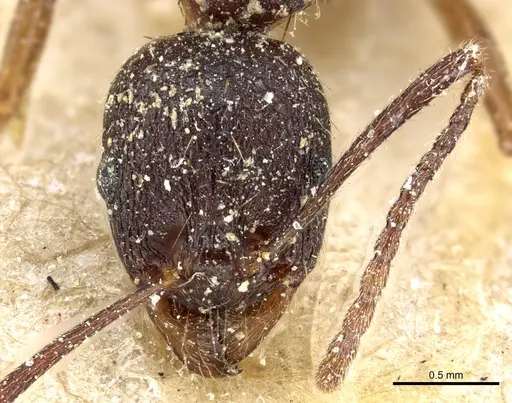
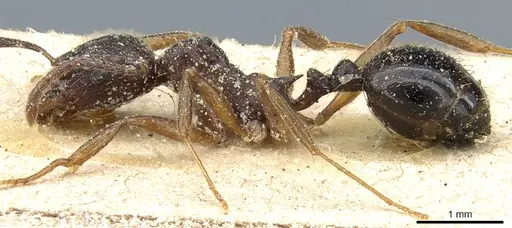
Aphaenogaster miamiana belongs to the Aphaenogaster rudis complex and can be confused with Aphaenogaster texana or Aphaenogaster rudis. You can distinguish them by their rougher sculpturing on the head and mesosoma [1]. Workers from southern Florida tend to be lighter reddish brown, while those from outside this region are darker brown [2]. The propodeal spines are often relatively long compared to similar species [2]. If you collected your colony in Florida, Georgia, or the coastal Carolinas, and notice the rough sculpturing and long spines, you likely have A. miamiana.
Frequently Asked Questions
Can I keep Aphaenogaster miamiana in a test tube?
Yes, standard test tube setups work well for founding queens and small colonies. Provide a water reservoir blocked with cotton, and keep the tube in a dark, quiet place at room temperature during the founding phase.
Do Aphaenogaster miamiana need hibernation?
Yes. Based on climate data from their native Florida habitat where temperatures drop to 5.9°C in winter, you should provide a winter rest period at 10-15°C for 2-3 months [9].
How long until Aphaenogaster miamiana get their first workers?
The exact timeline is unknown for this species. Based on related temperate Aphaenogaster species, expect approximately 8-12 weeks at 25°C, though this may vary with temperature and individual colony health.
Can I keep multiple Aphaenogaster miamiana queens together?
Not recommended. The exact colony structure is unconfirmed for this species. Combining unrelated queens will likely result in fighting and death.
Are Aphaenogaster miamiana good for beginners?
They are medium difficulty. While hardy and native to the US, they grow slowly and require proper humidity management and a winter diapause period, which adds complexity for absolute beginners.
Do Aphaenogaster miamiana ants sting?
Like most Aphaenogaster, they possess a stinger, but at about 5 mm they are too small to penetrate human skin effectively. They are not dangerous to humans.
What do Aphaenogaster miamiana eat?
They are generalist scavengers. Feed small insects like fruit flies, cricket pieces, or mealworm segments, along with sugar water or honey water. They may also collect small seeds.
How can I tell Aphaenogaster miamiana apart from similar ants?
Look for rough sculpturing on the head and mesosoma, relatively long propodeal spines, and coloration that ranges from rich ferruginous red in southern Florida to darker brown in other regions [1][2].
Report an Issue
The current care sheet is based fully on literature. See inconsistencies, or something that's incorrect? Please , it will be resolved after review from an admin. Contributing to the blogs tab also helps providing information, to make us be able to further improve the caresheets. Thank you for your support!
References

This caresheet is licensed under CC BY-SA 4.0 .
Community Blogs
CASENT0103595
View on AntWeb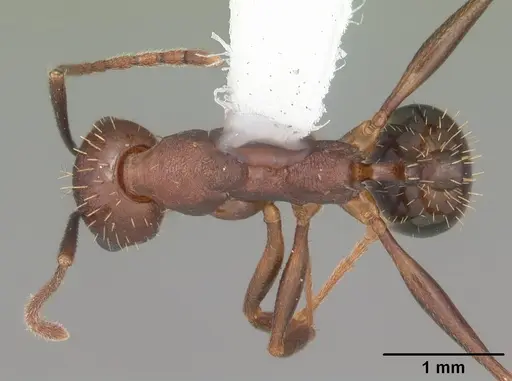
CASENT0103598
View on AntWeb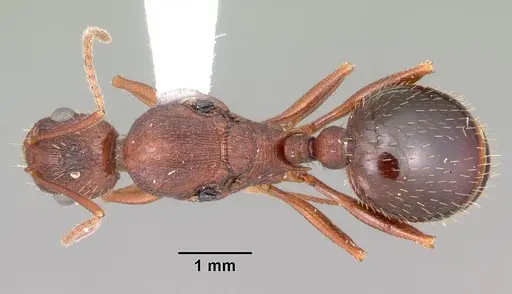
CASENT0105579
View on AntWeb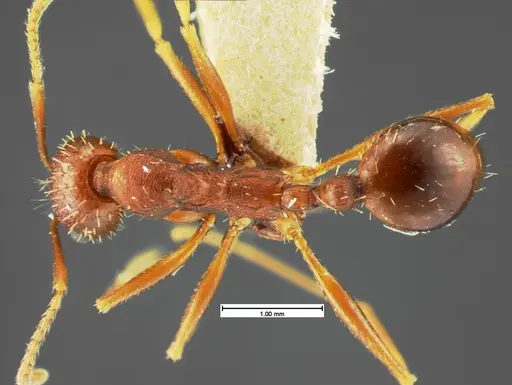
CASENT0904168
View on AntWeb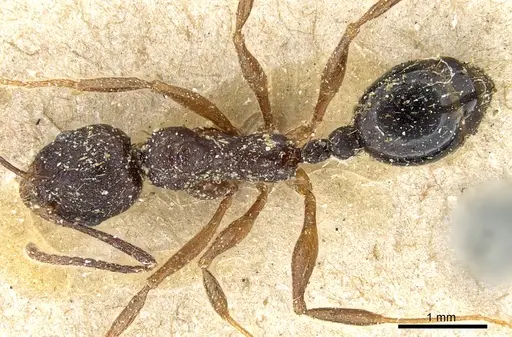
CASENT0914472
View on AntWeb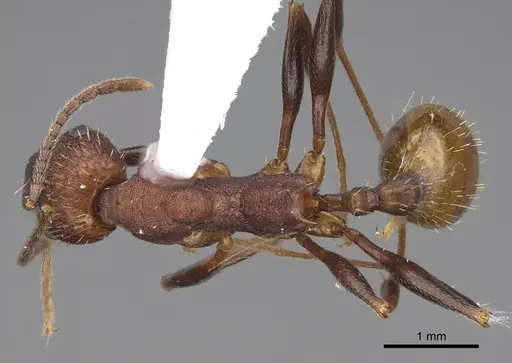
CASENT0923572
View on AntWeb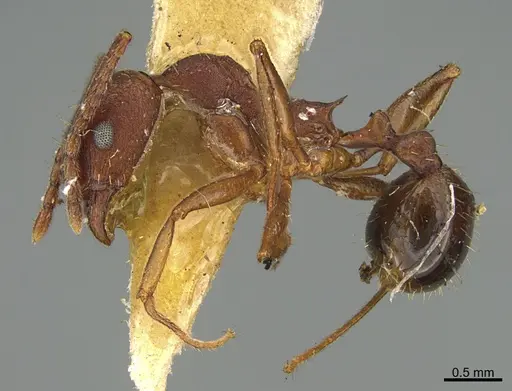
FMNHINS0000062947
View on AntWeb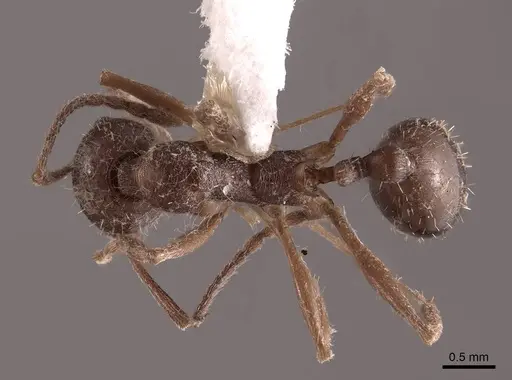
Literature
Loading distribution map...Loading products...