Aphaenogaster rudis shows a March to August flight window. Peak activity occurs in April, with nuptial flights distributed across 6 months. This extended season suggests multiple flight events or varying conditions across its range.
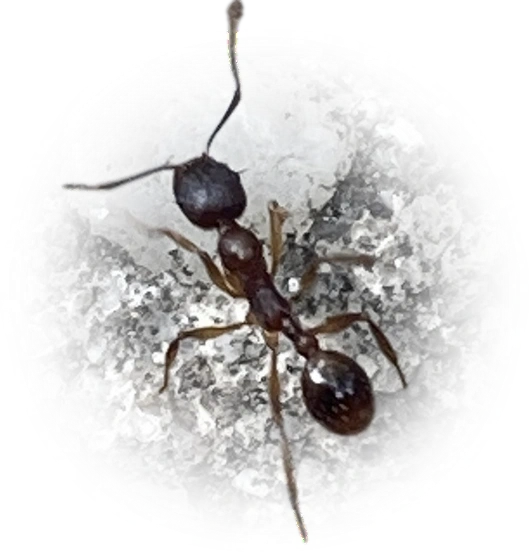
Winnow Ant
Aphaenogaster rudis
- Sci. Name
- Aphaenogaster rudis
- Tribe
- Stenammini
- Subfamily
- Myrmicinae
- Author
- Wesson & Wesson, 1940
- Common Name
- Winnow Ant
- Distribution
- Found in 2 countries
- Nuptial Flight
- From March to August
- Peak flight Time
- 17:00
AI Identifiable
try →
Introduction
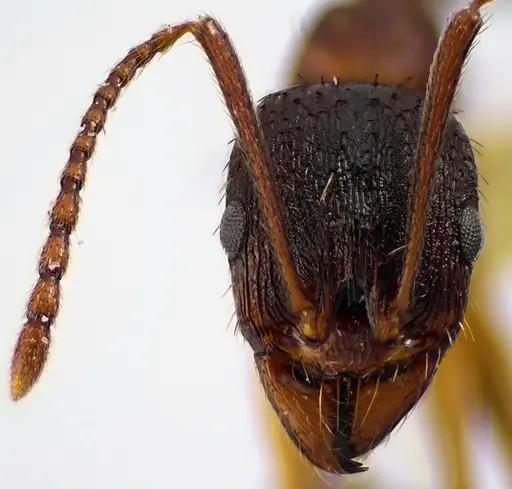
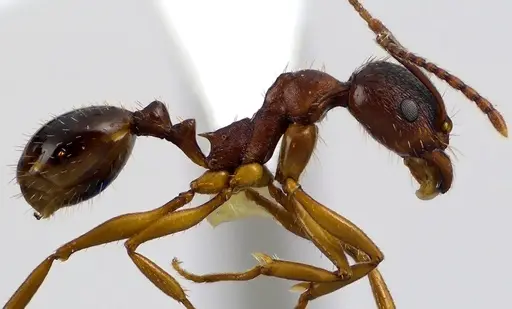
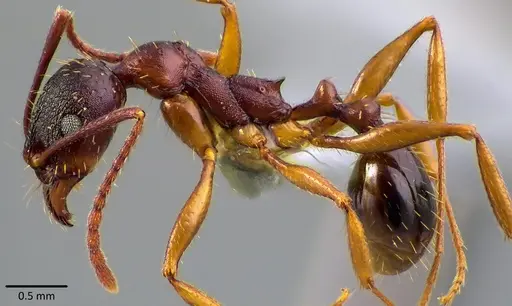
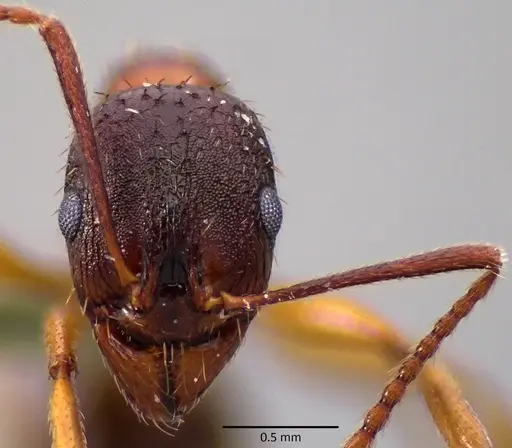
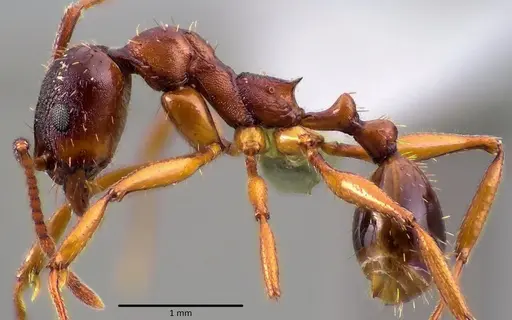
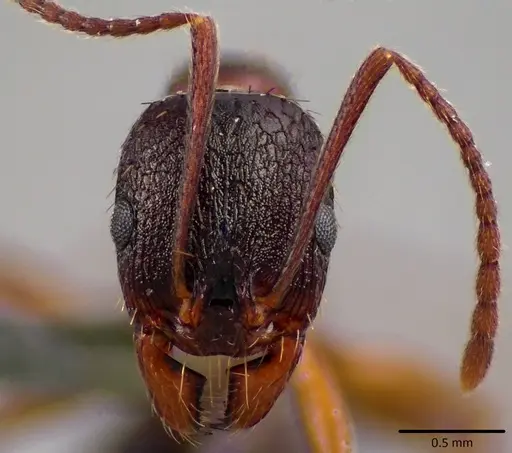
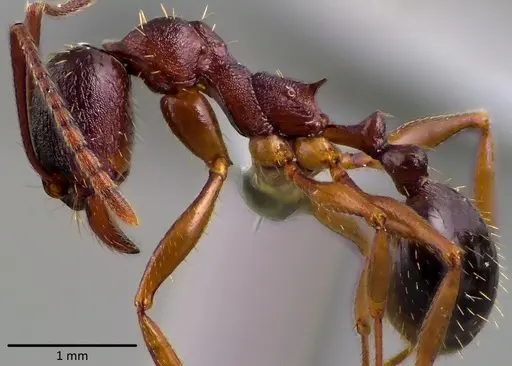
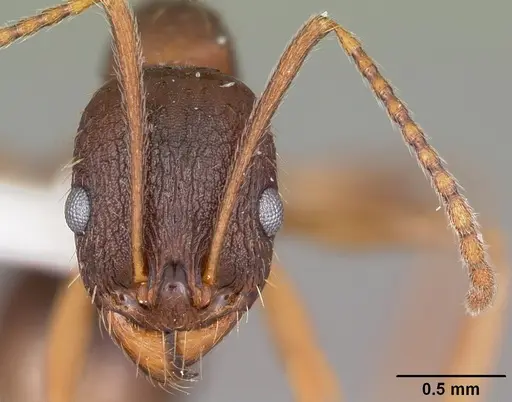
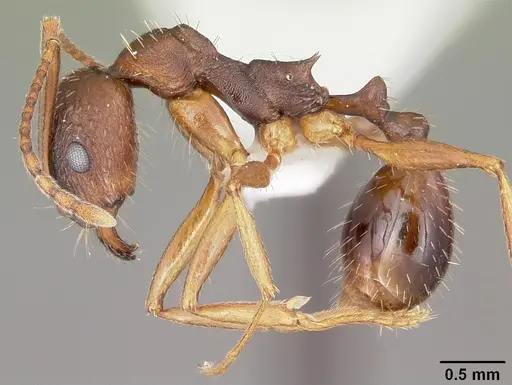
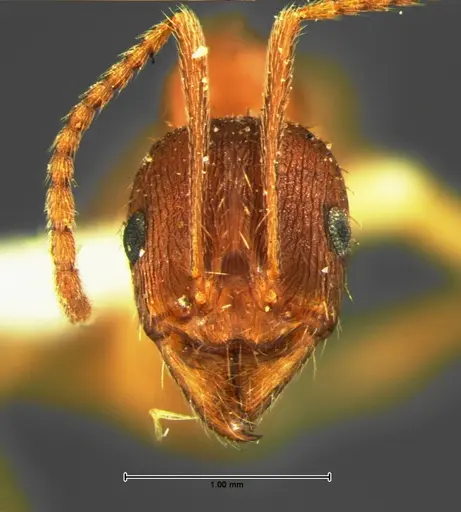
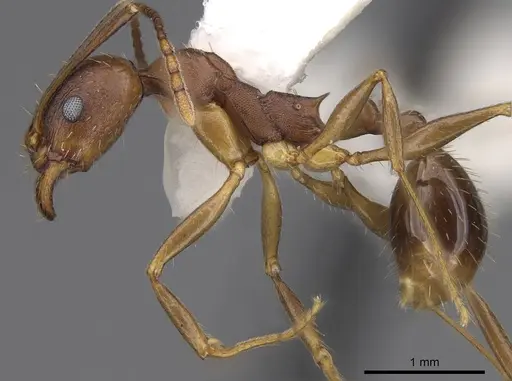
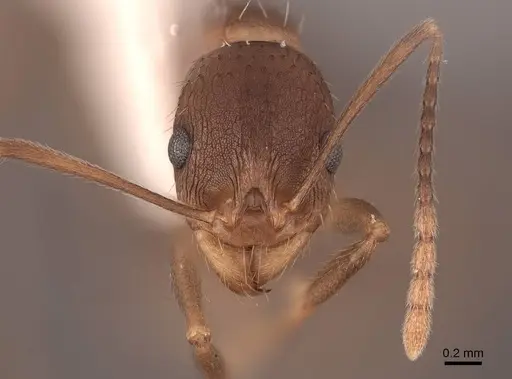
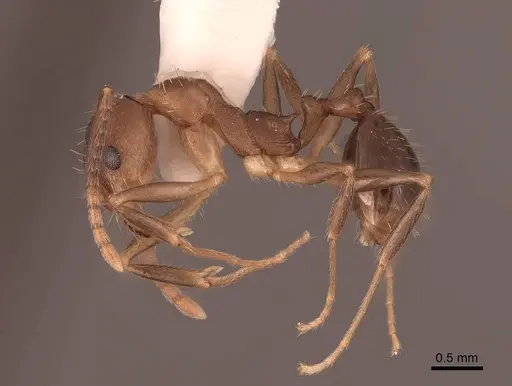
Aphaenogaster rudis is a medium-sized woodland ant with workers measuring 4.1 to 6.2 mm in total length, sporting a reddish-brown to dark brown body with slightly paler legs and antennae . They are among the most abundant ants in the deciduous forests of eastern North America, found from Massachusetts south to Alabama and west to Ohio, Indiana, and Missouri [AntWiki]. These ants are famous among myrmecologists as "gypsy ants" because they frequently move their entire colonies, relocating every few weeks during the warmer months . Beyond their nomadic lifestyle, they serve as keystone seed dispersers in their ecosystems, responsible for moving up to 70% of the seeds from certain woodland plants and transporting them an average of half a meter from source . They are also one of the few ant species documented using tools, with specific workers dropping debris into liquid food to soak it up for transport back to the nest . Note that A. rudis is currently understood to be a complex of multiple cryptic species rather than a single species [AntWiki].
Quick Summary
- Difficulty: Easy
- Origin & Habitat: Eastern North American deciduous woodlands, from Massachusetts south to Alabama and west to Ohio, Indiana, and Missouri, nests in soil, rotting wood, under stones, and leaf litter [3][5].
- Colony Type: Single-queen (monogyne) colonies, queens found nests independently and seal themselves in during founding [5][9].
- Size & Growth:
- Queen: ~7-9 mm, inferred from Aphaenogaster genus patterns (no specific measurement available) [5].
- Worker: 4.1-6.2 mm [1][2].
- Colony: Up to 2000 workers in mature field colonies, typically averaging 266-613 workers [5][10].
- Growth: Moderate
- Development: Approximately 9-10 weeks (64 days total: 19.5 days egg, 28.5 days larva, 16 days pupa) at 25°C [5]. (Development stalls below 15°C, no workers produced even after 150 days at 15°C in laboratory conditions [5].)
- Antkeeping:
- Temperature: Keep at 20-25°C during the active season, provide a gradient if possible. They require temperatures above 10°C for consistent foraging activity [11][5].
- Humidity: Maintain moist substrate conditions similar to a damp forest floor, water one side of the nest to create a moisture gradient [5].
- Diapause: Yes, required. Colonies need a winter rest period at 10-15°C or cooler for 3-4 months to maintain normal annual cycles [5].
- Nesting: Test tubes work well for founding and small colonies. For mature colonies, use naturalistic setups with soil, rotting wood, or plaster nests that allow for excavation, expect them to move frequently [5][1].
- Behavior: Subordinate and non-aggressive, they discover food quickly but retreat from confrontation with other ant species [5][12]. They exhibit frequent nest relocation (every 19-37 days in nature) and use tools for liquid feeding [4][7]. Workers are active above ground when temperatures exceed 15°C and are among the first ants to emerge in spring [5][11].
- Common Issues: frequent nest relocation means colonies may move away from food or water sources in captivity if given the opportunity., higher worker mortality occurs at temperatures above 30°C, so avoid overheating [5]., sensitive to urbanization and disturbance, wild colonies near developed areas may be stressed or displaced by invasive ants [9766][9270]., colonies require consistent hibernation, skipping winter rest disrupts the annual cycle and brood production [5]., they are subordinate and may be bullied by more aggressive ant species if housed nearby., in some areas, they are being displaced by the invasive Asian needle ant (Brachyponera chinensis) [9270][1398].
Nuptial Flight Activity Analysis 69 observations
Flight Activity by Hour 69 observations
Aphaenogaster rudis nuptial flight activity peaks around 17:00 during the afternoon. Activity is spread across a 21-hour window (00:00–20:00). A secondary activity peak occurs around 12:00. Times may be influenced by human observation patterns.
Nest Preferences and the Gypsy Lifestyle
In nature, Aphaenogaster rudis colonies are constantly on the move. They relocate their nests every 19 to 37 days during the active season, earning them the nickname "gypsy ants" [4][1]. This behavior means you should not be alarmed if your captive colony frequently moves into new chambers or seems restless. In the wild, they nest in soil, under stones or logs, in decaying wood, and in leaf litter [3][5]. Their nests are typically shallow in summer (less than 15 cm deep) but move deeper in autumn to overwinter at depths of 25-50 cm or more [5]. A typical soil nest contains 2 to 17 chambers (averaging 6.5) connected by central shafts, with chambers roughly 12 mm high and 12 cm wide [5]. For captive housing, provide a nest that allows for excavation and movement, such as a naturalistic soil setup, a plaster nest, or a test tube setup for smaller colonies. Because they move frequently, avoid overly elaborate permanent structures that cannot be easily modified.
Feeding Ecology and Tool Use
Aphaenogaster rudis are generalist scavengers and predators. Their diet includes small invertebrates, insect parts, termites, and the elaiosomes (fatty appendages) of seeds [5][10]. They are famous as keystone seed dispersers in eastern forests, moving up to 70% of the seeds they encounter and carrying them an average of 50 cm from the source [6][4]. In captivity, they accept a variety of protein sources including mealworms, crickets, and termites, as well as sugar water or honey water for carbohydrates [5]. Uniquely, they are one of the few ant species documented using tools. Specific workers (not the entire colony) drop bits of debris, leaves, or sand into liquid food to soak it up, then carry the tool back to the nest to share the liquid with nestmates [1][7]. You may observe this behavior if you provide liquid food in a shallow dish.
Thermal Biology and Seasonal Care
These ants follow a strict seasonal rhythm tied to temperature. In spring, they become active when ambient temperatures reach approximately 15°C, often making them the first ants foraging on the forest floor after winter [5]. However, they require temperatures above 10°C for consistent foraging activity, unlike their more cold-tolerant relatives [11]. During summer, they prefer warm but not hot conditions, laboratory studies show higher worker mortality at 30°C compared to 15°C, and brood development is optimal around 25°C [5]. You will need to provide a hibernation period for your colony. In autumn, colonies move to deeper underground chambers and enter diapause (winter rest) where brood development stops and worker activity slows dramatically [5]. Keep them at 10-15°C or cooler for 3-4 months during winter to maintain their natural cycle.
Colony Founding and Development
New colonies are founded claustrally, meaning the queen seals herself in a chamber and raises her first workers entirely on stored body fat reserves without leaving to forage [5]. Genetic studies confirm that each nest typically contains workers from a single queen who has mated with just one male [5][13]. Incipient colonies found in mid-summer usually contain a single queen with 25 to 35 tiny first workers (nanitics) [5]. Development from egg to worker takes approximately 64 days at 25°C: eggs hatch in about 19 days, larvae develop for roughly 28 days, and pupation lasts about 16 days [5]. Queens are long-lived, with documented lifespans of 8 to 13 years in captivity [5]. Workers can live 2-3 years in the wild, though their lifespan in captivity can exceed a year [5][14].
Temperament and Social Structure
Aphaenogaster rudis are behaviorally subordinate, meaning they are not aggressive and do not defend exclusive foraging territories [5][15]. When they encounter other ant species at food sources, they typically retreat rather than fight [5]. However, they are excellent at discovering food quickly, often being the first to find baits in competitive environments [12]. They recruit nestmates to food using trail pheromones from their venom gland, but they rarely maintain more than eight workers at a food item at once [5]. Workers show little division of labor and can perform up to 41 different behaviors, though they spend about 75% of their time inactive [5]. In queenless colonies, workers can develop functional ovaries and lay eggs, but in normal queenright colonies, the queen suppresses worker reproduction [5][9].
Frequently Asked Questions
Can I keep Aphaenogaster rudis in a test tube?
Yes, test tubes work well for founding colonies and small colonies. Provide a water reservoir blocked with cotton and keep them at room temperature (20-25°C) during the active season. Move them to a larger nest when they have 20-50 workers.
How long until first workers for Aphaenogaster rudis?
Expect first workers approximately 9 to 10 weeks (64 days) after the queen lays eggs at 25°C. Development is temperature-dependent, at cooler temperatures it takes longer, and below 15°C development may stall entirely.
Do Aphaenogaster rudis need hibernation?
Yes. These ants require a winter diapause period of 3-4 months at 10-15°C or cooler. Without hibernation, their annual cycle is disrupted and colony health declines.
What do Aphaenogaster rudis eat?
They are generalist scavengers. Feed them small insects (mealworms, crickets, termites), sugar water or honey water, and occasionally seeds with elaiosomes (fatty attachments) if available. They also use tools to collect liquid food.
How big do Aphaenogaster rudis colonies get?
In captivity, colonies typically reach a few hundred workers (300-600), though in nature they can grow up to 2000 workers. They are moderately sized colonies that grow at a medium pace.
Why do my Aphaenogaster rudis keep moving nests?
This is natural behavior. In the wild, they relocate every 19-37 days. In captivity, provide multiple nest options or accept that they will move between test tubes or chambers frequently. This makes them fascinating but slightly challenging to observe in one fixed location.
Are Aphaenogaster rudis good for beginners?
Yes, they are suitable for beginners who can provide hibernation. They are hardy, accept a variety of foods, and have moderate space requirements. However, their frequent moving behavior and need for winter rest require some experience.
Can I keep multiple Aphaenogaster rudis queens together?
No, this species is monogyne (single-queen). While rare multi-queen colonies have been found in nature, combining unrelated queens in captivity will likely result in fighting and death. Start colonies with a single queen only.
Do Aphaenogaster rudis ants sting?
They possess a venom gland used for trail pheromones and subduing small prey like termites, but they are not aggressive toward humans and do not pose a stinging hazard to keepers.
What temperature for Aphaenogaster rudis?
Keep them at 20-25°C during the active season. They need temperatures above 10°C to forage consistently. Avoid temperatures above 30°C as this increases worker mortality. Hibernation should be at 10-15°C or cooler.
When is the nuptial flight of Aphaenogaster rudis?
The nuptial flight of Aphaenogaster rudis typically occurs From March to August.
What time of day does Aphaenogaster rudis fly?
The nuptial flight of Aphaenogaster rudis peaks around 17:00 during the afternoon, with most activity between 00:00 and 20:00. Times may be influenced by human observation patterns.
Report an Issue
The current care sheet is based fully on literature. See inconsistencies, or something that's incorrect? Please , it will be resolved after review from an admin. Contributing to the blogs tab also helps providing information, to make us be able to further improve the caresheets. Thank you for your support!
References

This caresheet is licensed under CC BY-SA 4.0 .
Community Blogs
ANTWEB1041623
View on AntWeb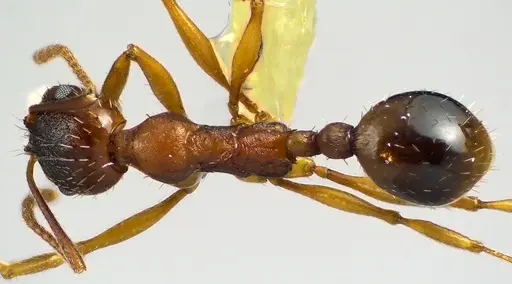
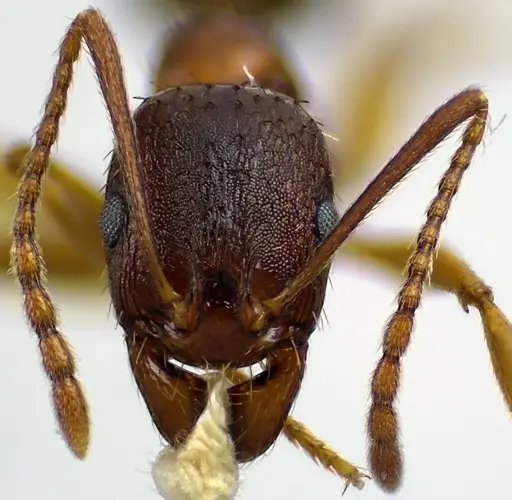
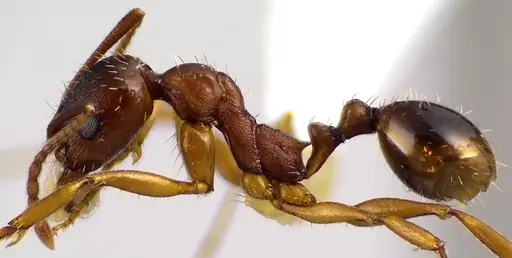
ANTWEB1041624
View on AntWeb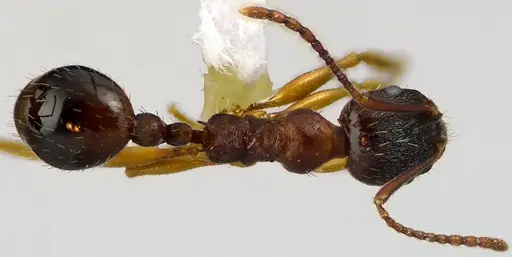
ANTWEB1041756
View on AntWeb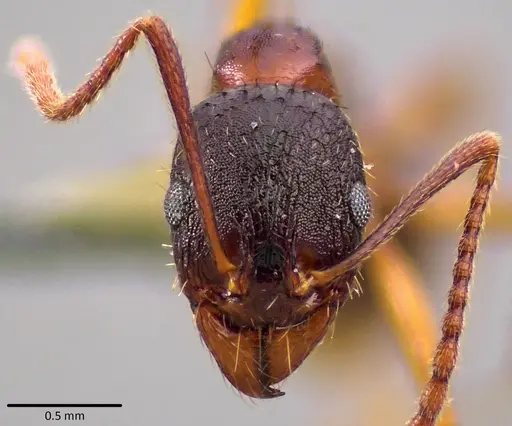
ANTWEB1041757
View on AntWeb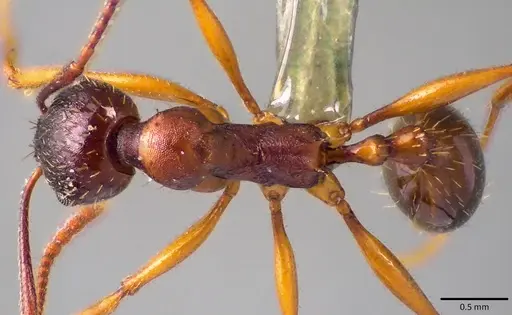
ANTWEB1041761
View on AntWeb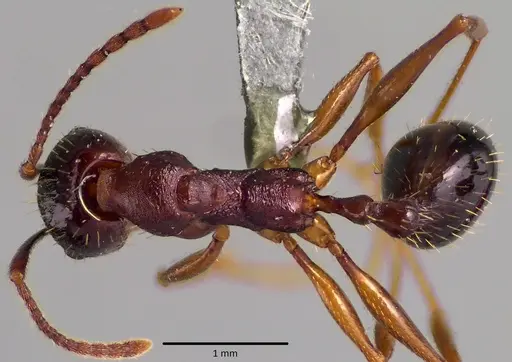
CASENT0104843
View on AntWeb
CASENT0105671
View on AntWeb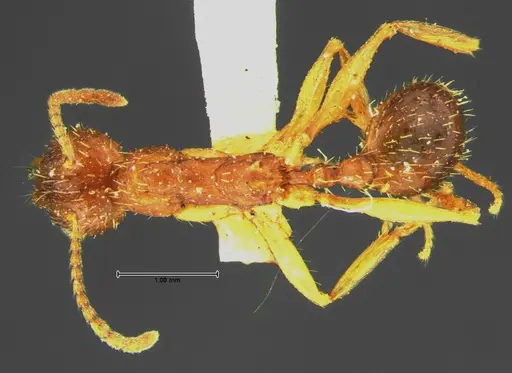
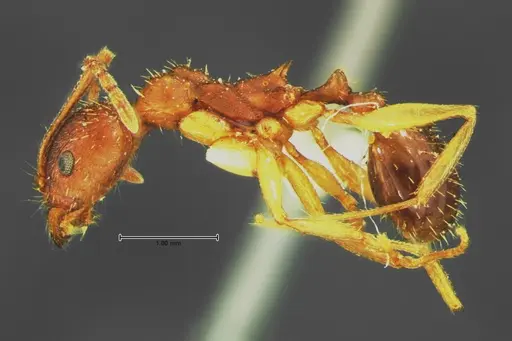
CASENT0752241
View on AntWeb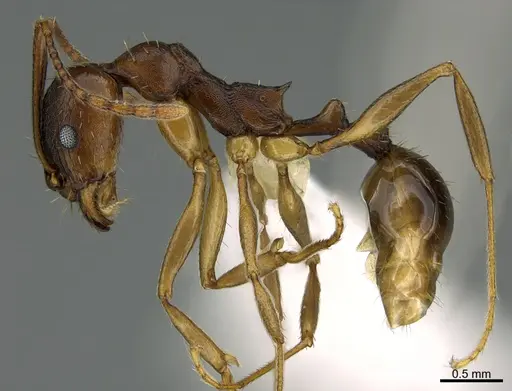
CASENT0914476
View on AntWeb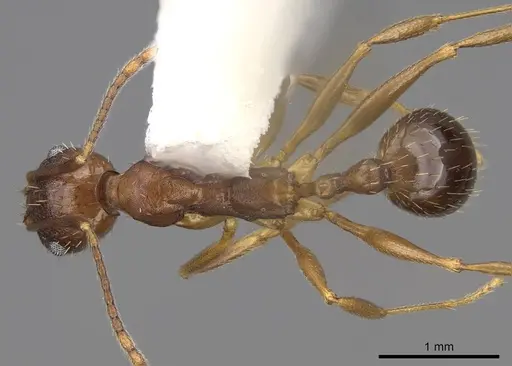
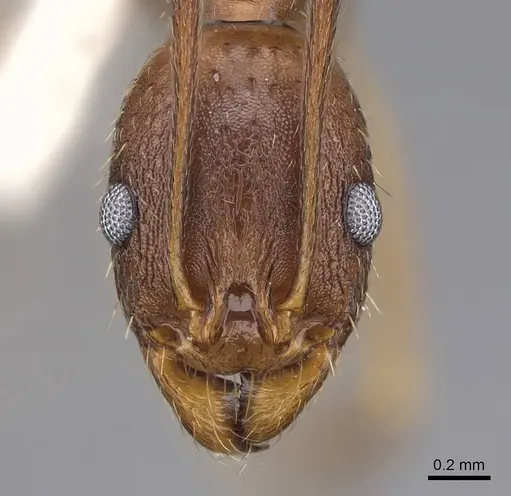
FMNHINS0000062941
View on AntWeb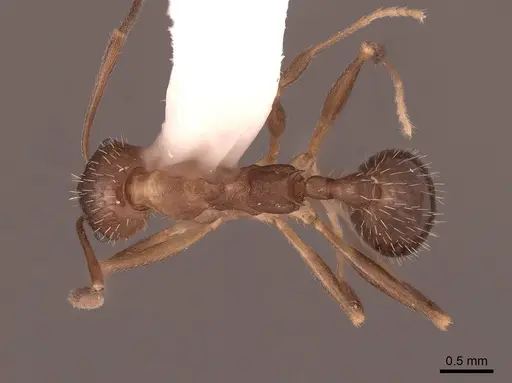
Literature
Loading distribution map...Loading products...