
Trichomyrmex rogeri
- 学名
- Trichomyrmex rogeri
- 族
- Crematogastrini
- 亚科
- Myrmicinae
- 命名者
- Mayr, 1865
- 地理分布
- 分布于 0 个国家/地区
物种引言
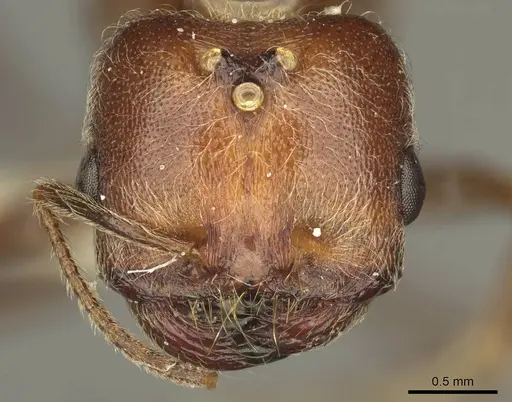
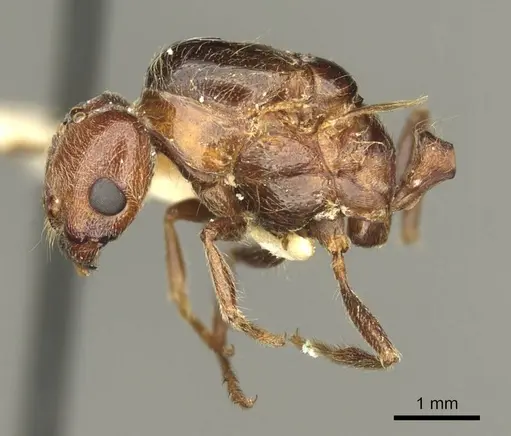
Trichomyrmex rogeri is a small ant from the Myrmicinae subfamily, originally described from Sri Lanka (Ceylon) in 1865 . It was previously classified as Monomorium rogeri before phylogenetic research moved it to the resurrected genus Trichomyrmex in the scabriceps species group . Workers are tiny, about 2-3 mm, and queens are larger at around 5-6 mm (inferred from related species in the Trichomyrmex genus). This species is found in Sri Lanka and Nepal, in tropical and subtropical areas of the Indomalaya region . Little is documented about its specific biology. As a Myrmicinae, it uses a smear defense, a modified stinger wipes venom onto attackers instead of piercing. They likely share general traits with other small Myrmicinae, such as ground-nesting and an omnivorous diet, but keepers should expect to experiment due to the lack of species-specific data.
Quick Summary
- Difficulty: Medium
- Origin & Habitat: Sri Lanka and Nepal in the Indomalaya region. It inhabits tropical and subtropical environments, likely forested areas at various elevations [1].
- Colony Type: Unconfirmed, no published data on queen number or social structure.
- Size & Growth:
- Queen: Size unknown, inferred from Trichomyrmex genus (~5-6 mm). No direct measurements available.
- Worker: Size unknown, inferred from Trichomyrmex genus (~2-3 mm). No direct measurements available.
- Colony: Unknown, no colony size data in scientific literature.
- Growth: Moderate, estimated from related small Myrmicinae.
- Development: Estimated 6-8 weeks at optimal tropical temperatures (24-28°C) based on genus-level patterns. (No species-specific data exists. Related Monomorium species complete development in 6-8 weeks under warm conditions.)
- Antkeeping:
- Temperature: Keep warm and stable, roughly 24-28°C based on tropical origin. Avoid drops below 20°C for extended periods. Use a heating cable on one side of the nest to create a gradient.
- Humidity: Moderate to high. Keep nest substrate consistently moist but not waterlogged. Provide a moisture gradient so ants can choose their preferred conditions.
- Diapause: Unconfirmed. Tropical ants from Sri Lanka likely do not require a true diapause, but cooler winter temperatures may slow activity.
- Nesting: Likely ground-nesting. A Y-tong (AAC) or plaster nest works well, both hold humidity and provide dark cavities. Test tubes for founding.
- Behavior: Behavior is not well-documented. As a Myrmicinae, this species uses a smear defense: a modified stinger wipes venom onto enemies rather than stabbing. They are probably generalist foragers with moderate activity. Escape risk is high due to tiny size, use fine mesh (0.5 mm or smaller) on all openings. Aggression is likely low to moderate, they will defend the nest if threatened.
- Common Issues: limited documented care information, some experimentation will be needed, small size creates escape risk, fine mesh barriers are essential, humidity control is important, too dry and colonies may fail, tropical species needs consistent warmth, avoid cold drafts, no specific data on founding behavior, claustral vs semi-claustral is unknown
Temperature and Heating
Trichomyrmex rogeri comes from the warm tropical and subtropical regions of Sri Lanka and Nepal, so they need consistently warm temperatures to thrive. Keep the nest area at 24-28°C, this range supports normal colony activity and brood development. A heating cable placed on one side of the nest creates a gentle temperature gradient, allowing ants to self-regulate. Avoid placing the heating element directly under water reservoirs, as this can cause excessive condensation. Room temperature may be sufficient if your home stays in the low-to-mid 20s°C, but monitor colony behavior, if workers seem sluggish or cluster together tightly, consider adding gentle warmth. Temperature drops below 20°C for extended periods may stress colonies.
Humidity and Water
These ants prefer moderate to high humidity, reflecting their origin in humid tropical environments. Keep the nest substrate consistently moist, it should feel damp to the touch but not have standing water. A moisture gradient works well, with some areas slightly damper than others so ants can choose their preferred conditions. For test tube setups, ensure the water reservoir is appropriately sized, too much water can flood the colony, while too little dries out too quickly. For Y-tong or plaster nests, check substrate moisture every few days and add water as needed. Misting can help but is less controlled than direct substrate moisture management. Poor humidity leads to desiccation and colony failure, especially for small ants.
Feeding and Diet
Like other Trichomyrmex and Monomorium species, T. rogeri is likely an omnivorous generalist. Offer a varied diet including sugar sources (honey water, sugar water, or diluted maple syrup) and protein sources (small insects like fruit flies, pinhead crickets, or mealworms). They will likely accept sweet liquids readily. Feed small amounts initially and remove uneaten food after 24-48 hours to prevent mold. For founding colonies, a small drop of honey water and occasional tiny prey items are sufficient. Once the colony grows to 10+ workers, offer protein 2-3 times per week and keep sugar water available constantly. Their small size means prey items should be appropriately sized, fruit flies and springtails are ideal for smaller colonies.
Nesting and Housing
For a newly caught queen or small colony, a test tube setup works well for the founding stage. Ensure the tube has a cotton plug creating a water reservoir that keeps the cotton consistently moist but not flooded. Cover the tube with a dark sleeve for the first few weeks until workers emerge. As the colony grows (20+ workers), consider moving to a more permanent setup like a Y-tong (AAC) nest or plaster formicarium. These materials hold humidity well and provide the dark cavities these ants prefer. Whatever nest type you choose, ensure it has chambers appropriately sized for their small worker size, overly large spaces can stress small colonies. Escape prevention is critical due to their tiny size, use fine mesh (0.5mm or smaller) on any ventilation holes.
Colony Development
Founding behavior is unconfirmed for this species. In related small Myrmicinae, queens often seal themselves in a small chamber and rely on stored reserves until the first workers emerge, but do not assume this for T. rogeri. The first workers (nanitics) are typically smaller than mature workers and begin foraging once the colony has 5-10 workers. Colony growth is likely moderate, expect several months to reach 30-50 workers, with larger colonies developing over a year or more. No specific data exists on maximum colony size, but related small Myrmicinae typically reach several hundred workers. Be patient with founding colonies, disturbing the queen during founding can cause her to abandon or eat her brood.
Behavior and Defense
As a member of the Myrmicinae subfamily and Crematogastrini tribe, Trichomyrmex rogeri uses a smear defense mechanism. The stinger is modified into a flattened, spatulate shape used to wipe or smear venom onto enemies rather than piercing flesh. This is common knowledge for the tribe, and no species-specific studies are available. In captivity, these ants are not particularly aggressive but will defend the nest if disturbed. Their small size makes them skittish, and they may try to escape through tiny gaps. Use fine mesh barriers and avoid sudden vibrations or bright lights near the nest.
Seasonal Care
As a tropical species from Sri Lanka and Nepal, T. rogeri does not experience harsh winters in its natural range. A true diapause (hibernation) is likely not required, but you may notice reduced activity during cooler months if your room temperature drops. If keeping in a temperate climate, maintain warm temperatures year-round (24-28°C) for optimal colony growth. Do not expose colonies to temperatures below 15°C for extended periods. During winter, if your home cools significantly, consider using a small heating mat to maintain warmth. The key is consistency, avoid sudden temperature swings and drafts. If the colony becomes less active in winter, reduce feeding frequency but maintain humidity.
Frequently Asked Questions
How long does it take for Trichomyrmex rogeri to have first workers?
First workers (nanitics) typically emerge after 6-8 weeks at optimal temperatures (24-28°C). This is an estimate based on related species, as no species-specific development data exists. Cooler temperatures will slow development significantly.
What do Trichomyrmex rogeri ants eat?
They are omnivorous generalists. Offer sugar water, honey, or maple syrup as a constant carbohydrate source. For protein, provide small insects like fruit flies, pinhead crickets, or mealworms. Remove uneaten food after 24-48 hours to prevent mold.
Can I keep Trichomyrmex rogeri in a test tube?
Yes, test tubes work well for founding colonies. Use a tube with a water reservoir and cotton plug, keeping the cotton moist but not flooded. Cover with a dark sleeve until workers emerge. Move to a larger nest (Y-tong or plaster) once the colony reaches 20+ workers.
Do Trichomyrmex rogeri ants sting?
They have a functional stinger but use it in a smear fashion, wiping venom onto enemies rather than piercing. As very small ants, any sting would be mild. They are not dangerous to humans and are unlikely to sting unless handled roughly or the nest is directly threatened.
What temperature do Trichomyrmex rogeri need?
Keep them at 24-28°C. This tropical species prefers warm, stable temperatures. A heating cable on one side of the nest can create a suitable gradient. Avoid temperatures below 20°C for extended periods.
Are Trichomyrmex rogeri good for beginners?
They are moderate difficulty, not the easiest but also not challenging. The main difficulties are their small size (escape prevention is critical) and the lack of species-specific care documentation, meaning some experimentation may be needed. Start with a well-established colony if possible.
How big do Trichomyrmex rogeri colonies get?
The maximum colony size is not documented in scientific literature. Based on related species, they likely reach several hundred workers over time. Growth is moderate, expect several months to a year to reach moderate colony sizes.
Do Trichomyrmex rogeri need hibernation?
Unlikely, being a tropical species from Sri Lanka, they probably do not require a true diapause. Maintain warm temperatures year-round (24-28°C) for optimal growth. Cooler winter temperatures may slow activity but are not necessary for colony health.
Why are my Trichomyrmex rogeri escaping?
Their small size means they can squeeze through tiny gaps. Use fine mesh (0.5mm or smaller) on all ventilation holes, ensure lid seals are tight, and check for any gaps where workers could escape. Apply fluon or similar barrier tape to smooth surfaces.
When should I move my colony to a formicarium?
Move from test tube to a larger nest (Y-tong, plaster, or acrylic) once the colony reaches 15-25 workers or the test tube becomes crowded. The nest should have chambers appropriately sized for their small worker size.
Report an Issue
The current care sheet is based fully on literature. See inconsistencies, or something that's incorrect? Please , it will be resolved after review from an admin. Contributing to the blogs tab also helps providing information, to make us be able to further improve the caresheets. Thank you for your support!
References

此饲养指南授权协议为 CC BY-SA 4.0 .
社区博客
CASENT0916015
在 AntWeb 上查看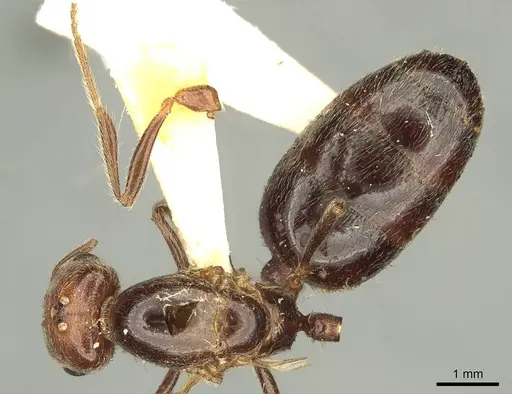
科学文献
正在加载分布地图...正在加载商品...