
Thaumatomyrmex zeteki
- 学名
- Thaumatomyrmex zeteki
- 族
- Ponerini
- 亚科
- Ponerinae
- 命名者
- Smith, 1944
- 地理分布
- 分布于 0 个国家/地区
物种引言
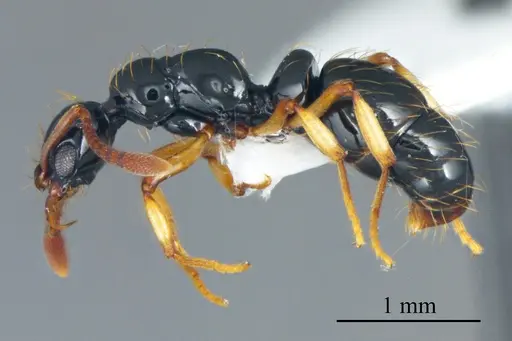
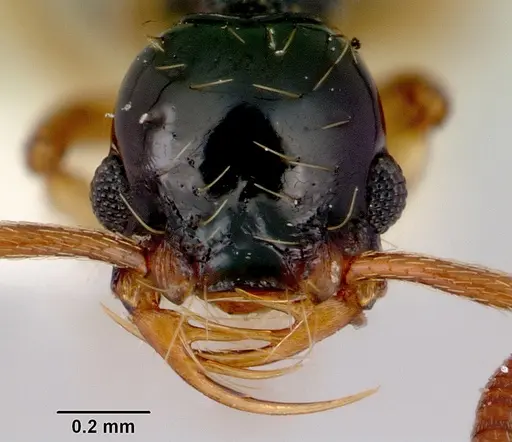
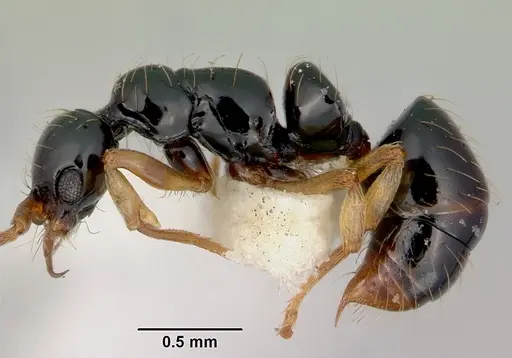
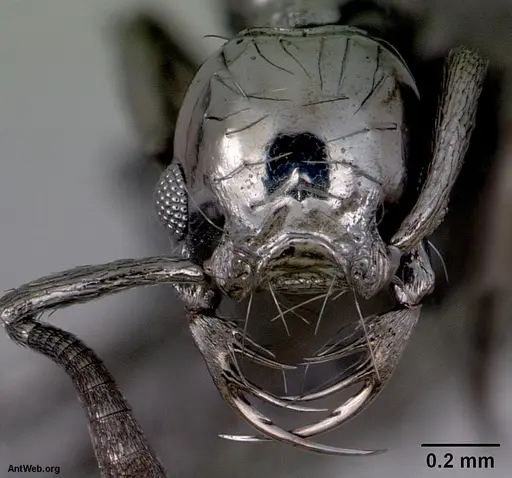
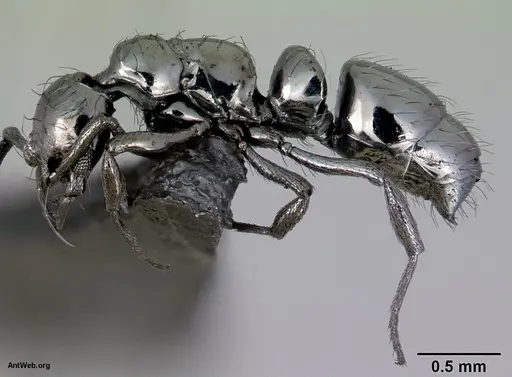
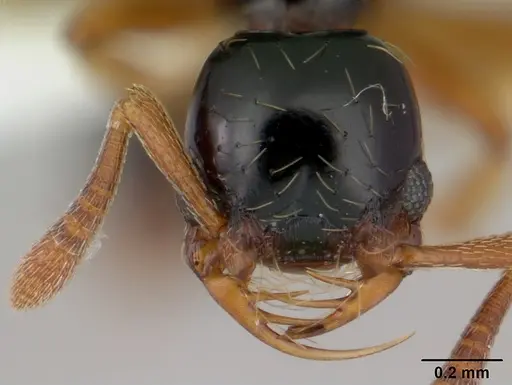
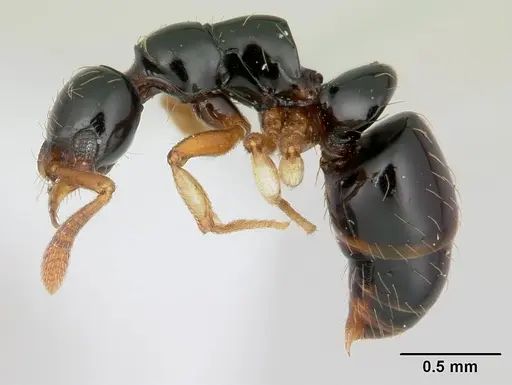
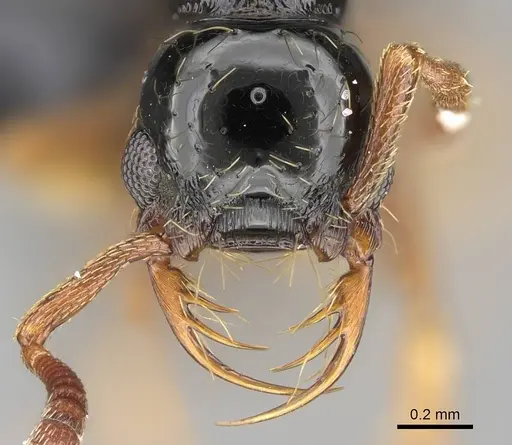
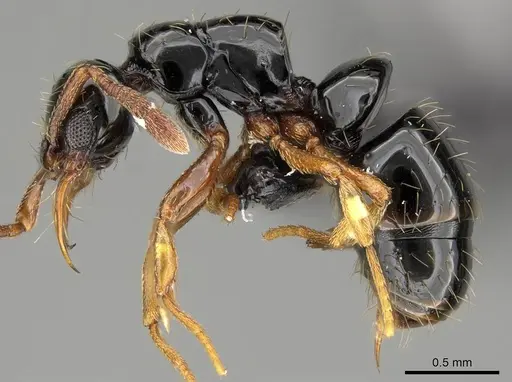
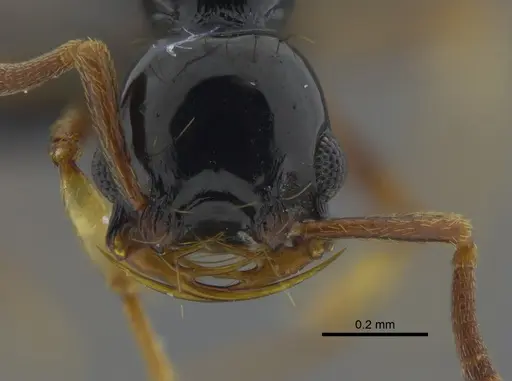
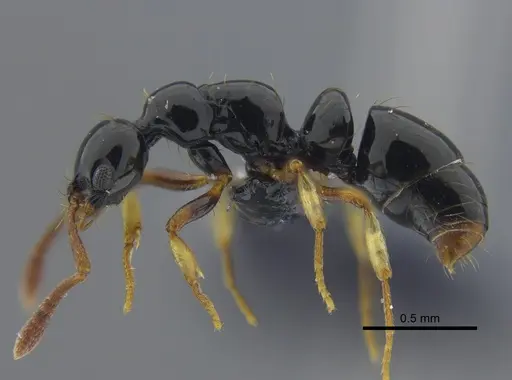
Thaumatomyrmex zeteki is a tiny predatory ant measuring 3.3mm in total length, native to the Neotropical regions of Panama and Colombia . Workers have a nearly square head and distinctive mandibles with three spiniform teeth plus a small basal tooth . The body is black with yellowish-brown to ferruginous legs, mandibles, antennae, and gaster tip . This species belongs to the ferox group, subgroup 1,and was originally described from Panama's Barro Colorado Island in 1944 . Note: Longino (1988) synonymized T. zeteki with T. atrox, so you may encounter it under either name in the hobby . What makes Thaumatomyrmex unusual is their extreme dietary specialization. They are specialist predators feeding almost exclusively on millipedes (Diplopoda Penicillata) – one of the most specialized diets known in ants. Combined with their high-altitude Colombian distribution (found above 2000m in the Cordilleras), these ants have very specific care requirements that differ from typical tropical ants .
Quick Summary
- Difficulty: Expert
- Origin & Habitat: Panama and Colombia – found in tropical forests at elevations over 2000m in the Cordilleras mountain ranges [1][6]
- Colony Type: Likely monogyne (single queen) based on genus patterns, though colony structure is unconfirmed for this species
- Size & Growth:
- Queen: Undocumented – size data unavailable
- Worker: 3.3mm total length [1][2][4]
- Colony: Unknown – likely small based on specialized predator patterns
- Growth: Slow
- Development: Unconfirmed – estimated 2-3 months based on typical Ponerinae development (Development time has not been directly studied for this species.)
- Antkeeping:
- Temperature: Based on their high-altitude habitat, keep at 20-24°C, avoid overheating above 26°C [1]
- Humidity: High humidity – maintain consistently moist substrate typical of cloud forest leaf litter, with good ventilation to prevent mold
- Diapause: Unknown – likely reduced activity during dry seasons rather than true hibernation, given their tropical mountain habitat
- Nesting: Leaf-litter dwelling – nest in small chambers within rotting wood or soil. In captivity, use Y-tong or plaster nests with chambers scaled to their tiny size. Provide fine mesh on openings to prevent escape.
- Behavior: Shy, secretive, and non-aggressive. Workers are slow-moving and rely on stealth to capture prey. They possess a functional stinger (Ponerinae) but rarely use it defensively. Escape risk is high due to their small size – use fine mesh barriers.
- Common Issues: specialized diet makes feeding difficult – they require live millipedes which are hard to source and culture, high humidity requirements can lead to mold problems if ventilation is poor, slow growth and small colony sizes make them vulnerable to stress, limited availability in the hobby – established colonies are rare, high-altitude origin means they may not tolerate typical tropical ant temperatures
Housing and Nest Setup
Thaumatomyrmex zeteki is a leaf-litter dwelling ant that requires a naturalistic setup with small, tight chambers. In the wild, they nest in rotting wood or soil within the forest floor layer. For captivity, use a Y-tong (AAC) nest or plaster nest with chambers scaled to their tiny size (3mm). Avoid tall, open spaces – these ants feel safest in compact spaces. The outworld should be simple with hiding places. Use fine mesh on any openings because their small size allows them to squeeze through standard barriers. A small water test tube connected to the nest provides humidity. Keep the nest substrate consistently moist but not waterlogged – think damp forest floor, not swamp [1].
Feeding and Diet
This is the most critical and challenging aspect of keeping Thaumatomyrmex. The genus is a specialist predator of millipedes (Diplopoda Penicillata) – one of the most specialized diets known in ants [2]. In captivity, you will need to culture or collect tiny live millipedes, springtails, or other very small arthropods. They are unlikely to accept standard ant foods like sugar water or protein pellets. Offer small live prey items that match their tiny size. The hunting method involves slow, stealthy approach rather than aggressive attacks – their mandibles are specialized for grasping millipedes [2]. Expect high prey mortality and be prepared to source cultures of appropriate live food.
Temperature and Humidity
Unlike typical tropical ants, T. zeteki comes from high-altitude cloud forests in Colombia where temperatures are cooler. Keep them at 20-24°C – avoid overheating above 26°C [1]. A slight temperature gradient allows the colony to choose their preferred zone. Humidity should be high to match their cloud forest origin. The substrate should feel damp to the touch. Mist occasionally but ensure good ventilation to prevent mold. A small water reservoir connected to the nest helps maintain humidity without over-wetting. Monitor for condensation – some is good, but standing water is problematic.
Behavior and Temperament
These are cryptic, non-aggressive ants that avoid confrontation. Workers are slow-moving and spend most of their time hunting in the leaf litter layer. They do not swarm or defend their nests aggressively – their defense strategy is concealment rather than attack. As Ponerinae, they possess a functional stinger but rarely use it defensively. Colonies are small and grow slowly. Workers may be solitary foragers, hunting individually rather than in groups. Their specialized millipede predation means they have evolved unique hunting techniques – they likely use their distinctive mandibles to grasp and immobilize prey [2]. Handle with care as stress can cause colony abandonment of brood.
Colony Establishment
Queen founding behavior has not been directly documented for this species. Based on typical Ponerinae patterns, the queen likely seals herself in a small chamber and raises the first workers alone (claustral founding). However, this is speculative. The first workers (nanitics) will be smaller than mature workers. Growth is slow – expect several months before the first workers emerge, and years to reach significant colony size. Given their specialized diet and limited availability, establishing a colony requires patience and dedication. Wild-caught colonies may carry parasites or face adaptation challenges to captive conditions. If you obtain a colony, minimize disturbances during the founding and early growth phases.
Legal and Ethical Considerations
Thaumatomyrmex zeteki is native to Panama and Colombia. Before acquiring this species, verify that it is legal to keep in your jurisdiction and that the source is ethical. Due to their specialized requirements and limited distribution, they are rarely available in the ant-keeping hobby. If you encounter them for sale, ask about the source – wild-caught colonies from protected areas should be avoided. Captive breeding is extremely difficult due to their specialized diet. Do not release any ants outside their native range – they are not established in the pet trade and could become invasive or spread diseases to native ant populations.
Frequently Asked Questions
What do Thaumatomyrmex zeteki ants eat?
They are specialist predators of millipedes (Diplopoda Penicillata) [2]. In captivity, you will need to provide tiny live millipedes, springtails, or other small arthropods. They are unlikely to accept commercial ant foods, sugar water, or standard protein sources. This is one of the most specialized diets in the ant-keeping hobby.
How long does it take for Thaumatomyrmex zeteki to develop from egg to worker?
The exact development timeline is unconfirmed for this species. Based on typical Ponerinae development, expect 2-3 months from egg to first worker, but this is an estimate. Growth is slow, and colonies remain small even when established.
Are Thaumatomyrmex zeteki good for beginners?
No – this is an expert-level species due to their extremely specialized diet (requiring live millipedes or springtails), high humidity needs, and specific temperature requirements from their high-altitude habitat. They are also rarely available in the hobby.
How big do Thaumatomyrmex zeteki colonies get?
Colony size is not well documented. Based on patterns for specialized predators, colonies likely remain small – probably under 100 workers even in mature colonies. They are not large colony ants.
What temperature do Thaumatomyrmex zeteki need?
Keep them at 20-24°C – they come from high-altitude Colombian cloud forests which are cooler than typical tropical lowlands [1]. Avoid temperatures above 26°C.
Can I keep multiple Thaumatomyrmex zeteki queens together?
Colony structure is unconfirmed for this species. Based on typical Ponerinae patterns, they likely form single-queen colonies. Combining unrelated queens is not recommended and has not been documented.
What humidity level do Thaumatomyrmex zeteki need?
They need high humidity to match their cloud forest origin. Keep the substrate consistently moist but not waterlogged. A naturalistic setup with damp soil works well. Avoid precise percentages – aim for damp but not dripping.
Is Thaumatomyrmex zeteki the same as Thaumatomyrmex atrox?
Longino (1988) synonymized T. zeteki with T. atrox [5]. However, some sources still treat them as separate species. You may encounter this ant under either name in the hobby.
Why are my Thaumatomyrmex zeteki dying?
Common causes include: stress from disturbance during founding, inappropriate prey (they need live millipedes or springtails), wrong temperature (too hot or too cold), low humidity, or mold from poor ventilation. Their specialized requirements make them vulnerable to common ant-keeping mistakes.
Report an Issue
The current care sheet is based fully on literature. See inconsistencies, or something that's incorrect? Please , it will be resolved after review from an admin. Contributing to the blogs tab also helps providing information, to make us be able to further improve the caresheets. Thank you for your support!
References

此饲养指南授权协议为 CC BY-SA 4.0 .
社区博客
ANTWEB1041419
在 AntWeb 上查看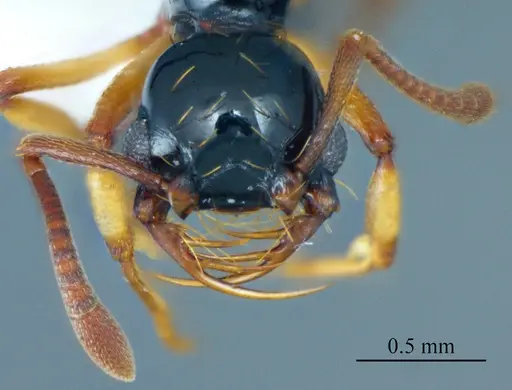
CASENT0172074
在 AntWeb 上查看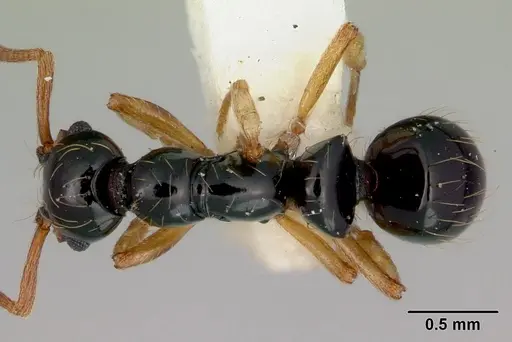
CASENT0172487
在 AntWeb 上查看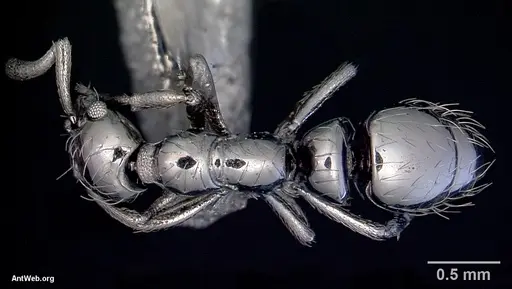
CASENT0178702
在 AntWeb 上查看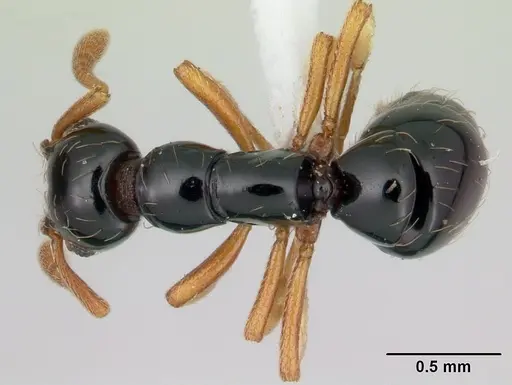
CASENT0318451
在 AntWeb 上查看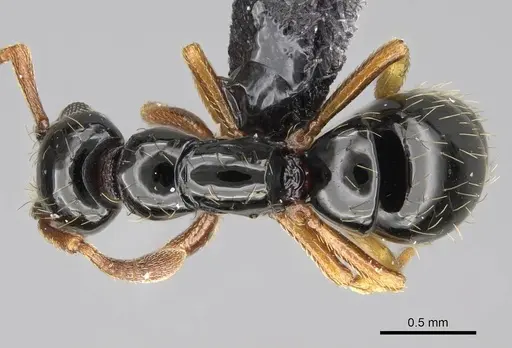
CASENT0318452
在 AntWeb 上查看
CBUMAGENT41672
在 AntWeb 上查看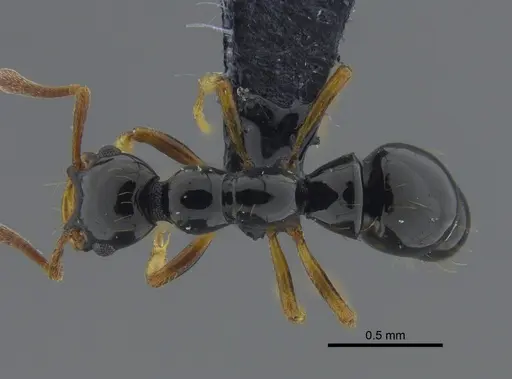
科学文献
正在加载分布地图...正在加载商品...