
Tetramorium rossi
- 学名
- Tetramorium rossi
- 族
- Crematogastrini
- 亚科
- Myrmicinae
- 命名者
- Bolton, 1976
- 地理分布
- 分布于 0 个国家/地区
物种引言
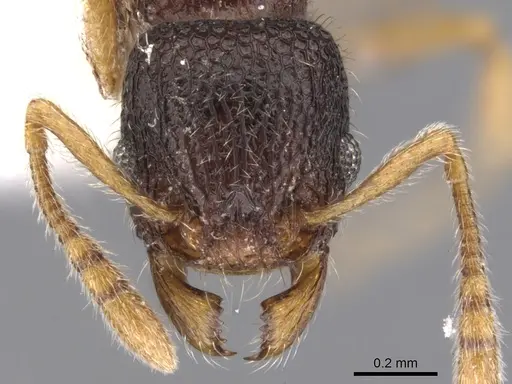
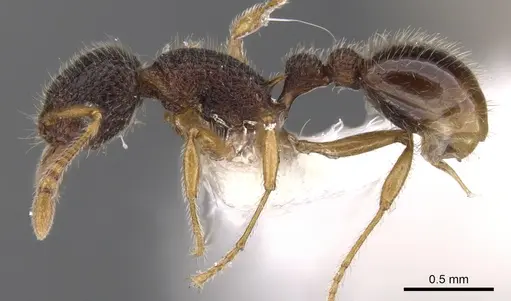
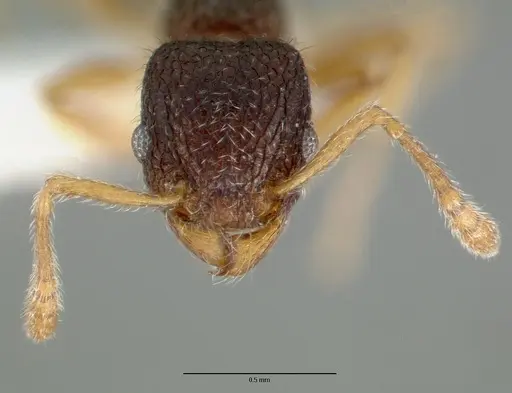
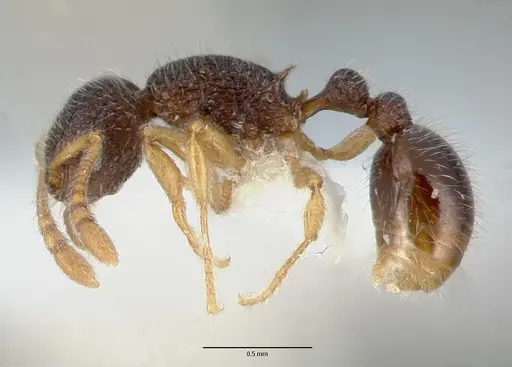
Tetramorium rossi is a small ant species native to India, first described by Bolton in 1976 . Workers are tiny ants measuring around 3-4mm (inferred from genus), characterized by their distinctly branched hairs (bifid, trifid, or occasionally quadrifid) - a trait that sets them apart within the genus . They belong to the Tetramorium obesum species group . The queen was also described in the original 1976 description , though specific measurements are not readily available. These ants are endemic to India, with confirmed records from Karnataka state in the Western Ghats region .
Quick Summary
- Difficulty: Medium
- Origin & Habitat: Endemic to India, recorded from Karnataka in the Western Ghats region [3]. Habitat details are not specifically documented, but based on the genus they likely inhabit forest edges, rocky areas, or disturbed habitats with leaf litter.
- Colony Type: Likely monogyne (single queen) based on typical Tetramorium patterns, though this is not directly confirmed.
- Size & Growth:
- Queen: ~5-7mm, inferred from genus Tetramorium (no species-specific data available)
- Worker: ~3-4mm, inferred from genus Tetramorium (no species-specific data available)
- Colony: Probably reaches several hundred workers, inferred from related species in the obesum group
- Growth: Moderate (inferred from genus)
- Development: Estimated 6-10 weeks at 24-28°C based on genus-level data for Tetramorium (Specific development time for T. rossi is not documented.)
- Antkeeping:
- Temperature: 24-28°C (inferred from tropical Indian climate)
- Humidity: Moderate, around 50-70%. Provide a gradient with one moist area.
- Diapause: Likely not required due to tropical origin. A brief cool period (15-18°C for 2-3 months) may be beneficial but is not mandatory.
- Nesting: Likely nests in soil, under stones, or in shallow burrows. Test tube for founding, then Y-tong or plaster nest with appropriately sized chambers.
- Behavior: As a member of Myrmicinae (tribe Crematogastrini), T. rossi uses a smear-type venom defense: it wipes venom onto enemies with a modified stinger rather than stinging. Workers are generally not aggressive toward keepers but will defend the nest if disturbed. They are active foragers, likely diurnal. Escape risk: moderate due to small size, use fluon or other barriers.
- Common Issues: limited availability in the antkeeping hobby due to being less commonly collected., specific care requirements are not well-documented since this is not a commonly kept species., escape prevention should be taken seriously due to their small size., wild-caught colonies may carry parasites specific to Indian ant fauna., their small size makes them prone to escaping through standard mesh, use fine mesh or barrier methods.
Housing and Nest Setup
For founding colonies, a standard test tube setup works well. Fill the tube one-third with water, plug with cotton, and place the queen in the open end. Cover with a dark cloth for the first few weeks to reduce stress. Once the colony has grown sufficiently, consider moving them to a more permanent nest. Y-tong or plaster nests work well for Tetramorium species. The chambers should be appropriately sized for their small worker size, avoid large, open spaces. A small outworld for foraging allows you to observe their hunting and feeding behaviors. Ensure tight seals to prevent escapes.
Feeding and Diet
Like most Tetramorium species, T. rossi likely accepts a varied diet. Offer small protein sources such as fruit flies, small crickets, or mealworm pieces. They also likely consume honeydew or sugar water, offer a small drop of sugar water periodically and observe if workers recruit to it. In the wild, these ants probably forage for small insects and tend aphids for honeydew. Feed protein regularly and ensure sugar sources are available continuously once the colony establishes. Remove uneaten prey after 24 hours to prevent mold.
Temperature and Seasonal Care
Maintain temperatures between 24-28°C for optimal colony development. This range reflects their origin in Karnataka, India, which has a warm tropical climate. A slight temperature gradient across the nest allows ants to self-regulate. During winter months, you can reduce temperatures to around 18-20°C for a rest period, but this is not strictly required given their tropical origin. Avoid temperatures below 15°C for extended periods. Heating cables or mats can be used on one side of the nest to create a gradient if room temperature is insufficient.
Behavior and Observation
Workers are active foragers that will readily hunt small prey. You may observe them establishing foraging trails and recruiting nestmates to food sources through chemical signaling. They are not particularly aggressive but will defend their nest if disturbed. Their defense mechanism is a smear-type: they wipe venom onto enemies with a modified stinger. The distinctly branched hairs visible under magnification are a key identification feature, this is characteristic of the obesum species group [2]. These hairs are bifid, trifid, or rarely quadrifid.
Frequently Asked Questions
How long does it take for Tetramorium rossi to produce first workers?
Based on typical Tetramorium development, expect first workers (nanitics) around 6-10 weeks after the queen lays eggs, assuming temperatures around 24-28°C. The exact timeline for T. rossi specifically is not documented, so this is an estimate from related species.
Can I keep multiple Tetramorium rossi queens together?
Not recommended without specific evidence for polygyny in this species. Most Tetramorium are monogyne (single queen), and combining unrelated queens typically results in fighting. If you obtain multiple foundresses, house them separately.
What do Tetramorium rossi ants eat?
They likely accept small insects (fruit flies, small crickets, mealworms), sugar water or honey, and possibly honeydew from aphids. This is based on typical Tetramorium diet preferences rather than species-specific studies.
Are Tetramorium rossi ants good for beginners?
This species is rated as medium difficulty. While not the most challenging ant to keep, there is limited species-specific care information available, which may make troubleshooting more difficult. Beginners may want to start with more commonly kept species like Tetramorium caespitum or Lasius niger.
Do Tetramorium rossi ants sting?
As Myrmicinae, they have a functional stinger. However, their defense mechanism is a smear-type: they wipe venom onto enemies rather than piercing. The sting (if used) is typically mild and not dangerous to humans due to their small size. Most keepers report minimal defensive behavior.
How big do Tetramorium rossi colonies get?
Based on related species in the obesum group, colonies likely reach several hundred workers. Exact maximum size is not documented, but they are not considered to form supercolonies.
What temperature should I keep Tetramorium rossi at?
Keep them at 24-28°C for optimal development. This reflects their native habitat in Karnataka, India. A slight gradient allowing cooler areas is beneficial.
Do Tetramorium rossi need hibernation?
Probably not. Their native India has mild winters, so a true diapause is likely not required. A brief cool period (15-18°C for 2-3 months) may be beneficial but is not mandatory.
When should I move Tetramorium rossi to a formicarium?
Wait until the colony has grown significantly (e.g.,20-30 workers or more) and the test tube is becoming crowded. Moving too early can stress the colony. Ensure the new nest has appropriately sized chambers for their small workers.
Why are my Tetramorium rossi dying?
Common causes include: temperature extremes (too cold or too hot), improper humidity (too dry or waterlogged), mold from uneaten food, or stress from excessive disturbance. Review your setup and ensure conditions match their tropical preferences.
Report an Issue
The current care sheet is based fully on literature. See inconsistencies, or something that's incorrect? Please , it will be resolved after review from an admin. Contributing to the blogs tab also helps providing information, to make us be able to further improve the caresheets. Thank you for your support!
References

此饲养指南授权协议为 CC BY-SA 4.0 .
社区博客
CASENT0901054
在 AntWeb 上查看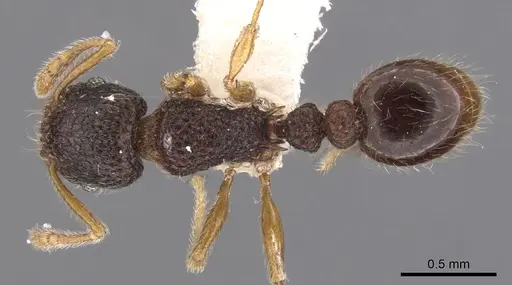
CASTYPE12543
在 AntWeb 上查看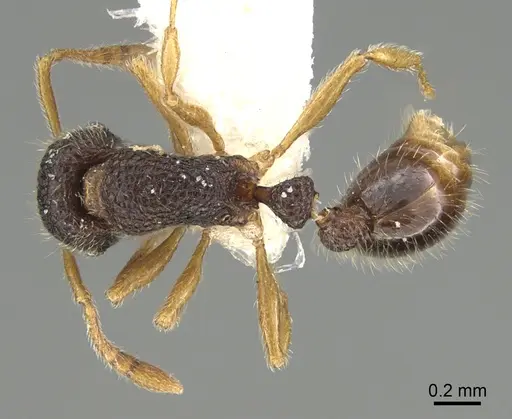
科学文献
正在加载分布地图...正在加载商品...