
Tetramorium difficile
- 学名
- Tetramorium difficile
- 族
- Crematogastrini
- 亚科
- Myrmicinae
- 命名者
- Bolton, 1977
- 地理分布
- 分布于 0 个国家/地区
物种引言
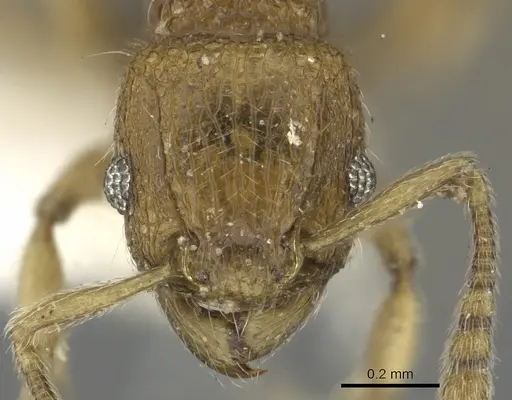
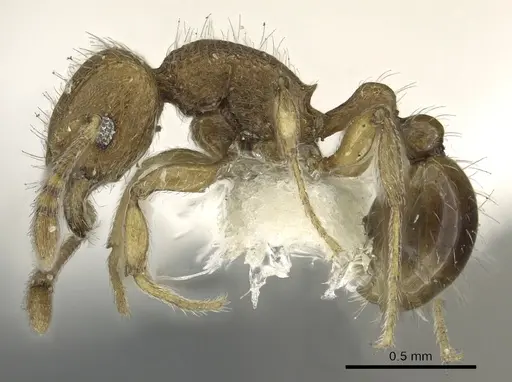
Tetramorium difficile is a tiny ant species with workers measuring about 2.4 mm in total length and uniform yellowish-brown coloration . It belongs to the Tetramorium tonganum species group and was first described from Nepal (Tamur River, Dobhan) . This species inhabits forest floor environments across Nepal, Bhutan, southern China, northern India, and Vietnam, where it lives in leaf litter and soil in both primary and secondary forests . It is morphologically very similar to Tetramorium tonganum, and researchers suspect they may be the same species . These ants are forest-floor specialists that require humid, shaded microhabitats with plenty of organic matter. Their tiny size and secretive lifestyle make them a challenging species that demands careful escape prevention and stable moisture conditions.
Quick Summary
- Difficulty: Medium
- Origin & Habitat: Native to Nepal, Bhutan, southern China (Yunnan), northern India, and Vietnam. Found in forest floor leaf litter and soil in both primary and secondary forests at elevations around 400–552 m [3][2]. Not recorded from rubber plantations, suggesting they require intact forest habitat [4].
- Colony Type: Colony structure is not documented in scientific literature. Based on typical Tetramorium patterns, colonies likely have a single queen (monogyne) and may produce ergatoid replacement queens. Maximum colony size is unknown but likely modest.
- Size & Growth:
- Antkeeping:
- Temperature: 22–26°C. Comes from warm subtropical forests, so moderate warmth is beneficial. Avoid temperatures below 18°C or above 30°C.
- Humidity: High humidity – keep the substrate consistently moist but not waterlogged, mimicking damp leaf litter conditions. Provide a slight gradient with drier areas.
- Diapause: Unknown – given subtropical origin, diapause may not be required. A mild rest period (12–15°C for 6–8 weeks) might be beneficial but is not documented.
- Nesting: Prefers naturalistic setups with fine substrate (soil/sand mix) that holds moisture well. Y‑tong (AAC) nests can work if kept humid, but escape is a major concern due to tiny size. Test tube setups are recommended for founding colonies.
- Behavior: Workers are small, active, and non‑aggressive. As members of the tribe Crematogastrini, they defend by smearing venom using a modified stinger. Escape prevention is critical due to their tiny size (≈2.4 mm). Colonies are secretive and prefer dark, humid spaces.
- Common Issues: escape prevention is critical – workers can squeeze through standard barrier gaps and fine mesh., high humidity requirements can lead to mold if ventilation is poor., slow colony growth may frustrate some keepers., wild-caught colonies may carry parasites or pathogens.
Housing and Nest Setup
Tetramorium difficile needs a setup that mimics its natural forest‑floor habitat. For founding colonies, a standard test tube works well – fill it one‑third with water, plug with cotton, and keep the queen in the dark. The key is maintaining high humidity without flooding.
For established colonies, a naturalistic setup with a soil/sand substrate (70 : 30 ratio) works best. The substrate should stay consistently moist – think the damp conditions under leaf litter in a forest. Add pieces of leaf litter, small stones, or cork bark to give foragers cover. A Y‑tong (AAC) nest can work if you maintain high humidity, but the tiny workers may escape through standard barrier gaps – use fluon or fine mesh as extra protection. Keep the setup dimly lit or use a nest box that blocks direct light. A humidity gradient (damp on one side, slightly drier on the other) lets ants choose their preferred microclimate. [3][4]
Feeding and Diet
No specific dietary data is available for Tetramorium difficile. Based on related forest‑litter Tetramorium species, workers likely hunt tiny prey such as springtails, fruit flies, and small crickets. Offer small live prey 2–3 times per week, and remove any uneaten food after 24 hours to prevent mold. A drop of honey water or sugar water can be offered occasionally, but protein‑rich prey should form the bulk of the diet. For founding colonies, the queen does not forage – she relies on stored reserves and may consume non‑viable eggs. Do not offer food until the first workers (nanitics) emerge.
Temperature and Seasonal Care
Maintain temperatures between 22–26°C for optimal activity and brood development. This species comes from warm subtropical regions (Nepal, Bhutan, southern China), so it handles moderate heat well but struggles in cool conditions. A small heating cable on one side of the nest can create a beneficial gradient, but avoid direct heat that dries out the substrate.
Winter care: the need for diapause is unclear. Given the subtropical distribution, a mild rest period (10–15°C for 6–8 weeks) may be beneficial but is not proven. Monitor colony behavior – if the colony slows down naturally, you can reduce temperature gradually. Keep the substrate slightly drier during cooling to prevent mold. Good ventilation is essential at all times. [3]
Colony Founding
Founding behavior is unconfirmed for Tetramorium difficile, but based on typical myrmicine patterns, the queen likely founds claustrally. She would seal herself into a small chamber and rely on stored fat reserves and non‑viable eggs to survive until the first workers emerge. The queen will not forage – any workers she produces will initially be smaller nanitics.
Founding is expected to take 6–8 weeks before the first nanitic workers appear. Keep the setup completely dark and undisturbed during this period. Vibrations and light can cause the queen to abandon or eat her brood. Check only after 6–8 weeks, looking for workers rather than disturbing the setup. Once nanitics are present, you can begin offering small prey near the nest entrance.
Behavior and Temperament
Tetramorium difficile workers are small, active, and generally non‑aggressive. They belong to the tribe Crematogastrini and defend by smearing venom using a modified stinger – they do not sting by piercing. Their tiny size (≈2.4 mm) means they pose no threat to humans.
Workers are secretive and spend most of their time in dark, humid areas. They become more active at night or when the colony is established. The biggest behavioral concern is escape risk – always use multiple barrier methods (fluon on nest edges, fine mesh on outworld openings) and check for any gaps regularly. Even a small crack can become an escape route. [1]
Growth and Development
Colony growth is moderate rather than rapid. A well‑established colony may reach several hundred workers over 2–3 years under optimal conditions. The small colony size reflects the species' niche as a litter‑dwelling ant – they do not form large supercolonies.
Brood development takes approximately 6–8 weeks from egg to worker at optimal temperature (24–26°C), based on estimates from related Tetramorium species. Development is temperature‑dependent – cooler temperatures slow growth significantly. Mature colonies may produce reproductive alates (winged queens and males) seasonally, but specific timing is undocumented.
Frequently Asked Questions
How long does it take for Tetramorium difficile to produce first workers?
First workers (nanitics) typically appear 6–8 weeks after the queen lays her first eggs, assuming optimal temperatures of 24–26°C. This timeline is estimated based on related Tetramorium species since specific development data for T. difficile is not available.
What size colony does Tetramorium difficile reach?
Maximum colony size is not documented in scientific literature, but based on similar Tetramorium species, colonies likely reach a few hundred workers at maturity. They are not large colony producers.
Do Tetramorium difficile ants sting?
They belong to the tribe Crematogastrini and use a modified stinger to smear venom, rather than piercing and injecting. Their sting is barely noticeable to humans due to their tiny size and they rarely employ it unless roughly handled.
Can I keep multiple Tetramorium difficile queens together?
Not recommended. While colony structure is undocumented, combining unrelated queens of this species has not been studied and likely results in fighting. Start with a single founding queen for best success.
What temperature do Tetramorium difficile ants need?
Keep them at 22–26°C. This species comes from warm subtropical forests in Nepal, Bhutan, and southern China, so they prefer moderate warmth. A slight gradient allowing cooler areas (around 20°C) is beneficial.
Do Tetramorium difficile ants need hibernation?
The need for diapause is unclear. Given their subtropical distribution, a mild rest period (10–15°C for 6–8 weeks) may be beneficial but is not proven. Monitor colony activity and reduce temperature if natural slowdown occurs.
Why are my Tetramorium difficile escaping?
Their tiny size (≈2.4 mm) means they can squeeze through standard barrier gaps. Use multiple escape prevention methods: fluon on nest edges, fine mesh on outworlds, and check for any gaps. Even seemingly sealed containers may have tiny cracks.
Are Tetramorium difficile good for beginners?
No, this species is not ideal for beginners. Their tiny size creates significant escape prevention challenges, they require high humidity that promotes mold, and their slow growth can be frustrating. They are better suited for experienced antkeepers.
What do Tetramorium difficile eat?
No specific dietary data exists. Based on related litter‑dwelling Tetramorium, they likely prey on tiny invertebrates – springtails, micro‑arthropods, small insects. In captivity, offer small live prey (springtails, fruit flies) and occasionally sugar sources. Protein‑rich food should be the primary diet.
When should I move Tetramorium difficile to a formicarium?
Wait until the colony has at least 50–100 workers before moving from a test tube to a larger setup. Moving too early can stress the colony. Ensure the new setup maintains the high humidity these ants require.
How often should I feed Tetramorium difficile?
Offer small amounts of prey 2–3 times per week. Remove any uneaten food after 24 hours to prevent mold. Sugar sources can be offered constantly but are not a primary food source for this predatory species.
What humidity do Tetramorium difficile need?
High humidity – keep the substrate consistently moist but not waterlogged, like damp leaf litter in a forest. Allow some variation with slightly drier areas for workers to escape overly wet conditions. Good ventilation is essential to prevent mold.
Report an Issue
The current care sheet is based fully on literature. See inconsistencies, or something that's incorrect? Please , it will be resolved after review from an admin. Contributing to the blogs tab also helps providing information, to make us be able to further improve the caresheets. Thank you for your support!
References

此饲养指南授权协议为 CC BY-SA 4.0 .
社区博客
CASENT0901089
在 AntWeb 上查看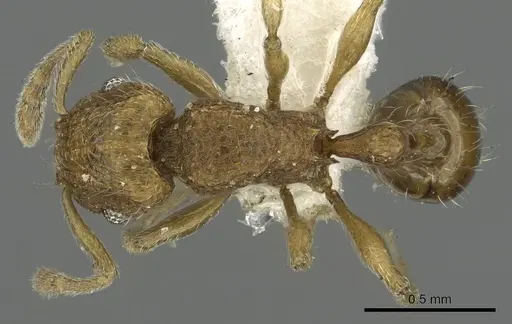
科学文献
正在加载分布地图...正在加载商品...