
Temnothorax tianschanicus
- 学名
- Temnothorax tianschanicus
- 族
- Crematogastrini
- 亚科
- Myrmicinae
- 命名者
- Tarbinsky, 1976
- 地理分布
- 分布于 0 个国家/地区
物种引言
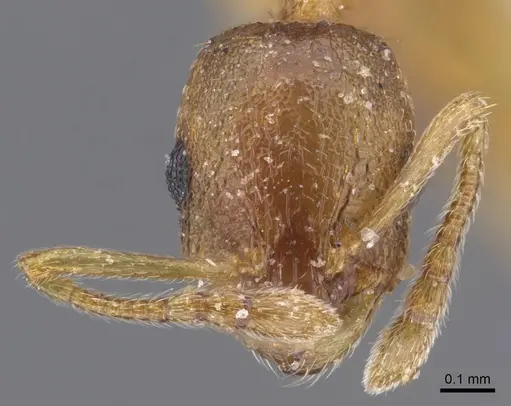
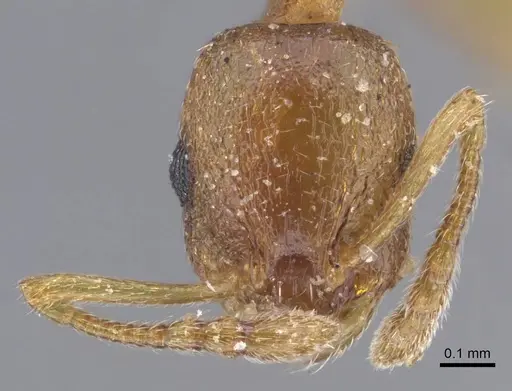
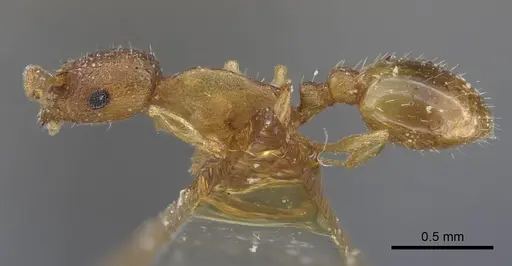
Temnothorax tianschanicus is a tiny, pale-colored ant from the Tianshan mountains of Kyrgyzstan in Central Asia . Originally described as *Leptothorax tianschanicus* in 1976,it was later moved to the genus *Temnothorax* . These ants are part of the Myrmicinae subfamily and tribe Crematogastrini. In the wild, they likely nest in small cavities under stones or in rotting wood, typical for their genus. Workers are extremely small, and precise size measurements are not documented.
Quick Summary
- Difficulty: Easy
- Origin & Habitat: Tianshan mountains of Kyrgyzstan (Palaearctic region) [1]. They inhabit alpine and semi-arid mountain habitats with cold winters and warm summers.
- Colony Type: Probably single-queen (monogyne), but unconfirmed – this is inferred from the typical social structure of *Temnothorax* species.
- Size & Growth:
- Queen: Size data unavailable – estimated ~4–5 mm based on genus patterns.
- Worker: Size data unavailable – estimated ~2–4 mm based on genus patterns.
- Colony: Unknown, likely up to 500 workers (inferred from related cavity-nesting *Temnothorax*).
- Growth: Moderate (inferred from genus patterns)
- Development: Estimated 6–10 weeks at room temperature, based on related *Temnothorax* species. (Specific data for *T. tianschanicus* is not available, these are inferences from related species.)
- Antkeeping:
- Temperature: Keep at room temperature (18–22°C). They come from a temperate mountain region and tolerate cooler conditions better than heat. Avoid sustained temperatures above 25°C.
- Humidity: Provide moderate humidity – keep the nest substrate slightly moist but not waterlogged. A humidity gradient (one dry area, one moist area) works well.
- Diapause: Yes, they need a winter rest period. Reduce temperature to 5–10°C for 2–3 months during winter (typically November–February). Skipping diapause can weaken the colony.
- Nesting: Start with a test tube setup for founding. For established colonies, use a Y-tong (AAC) nest with narrow chambers, or a naturalistic setup with a layer of soil and flat stones. Mirror their natural preference for tight, dark cavities.
- Behavior: Docile and non-aggressive. Workers use a modified, flattened stinger to smear venom onto enemies rather than piercing flesh (smear defense). They can’t sting humans and rarely bite. Escape prevention is critical due to their tiny size – they can squeeze through gaps under 1 mm. Foragers are active but slow-moving.
- Common Issues: tiny size makes escape likely without fine mesh or very tight seals, limited species-specific data means care is based on genus patterns rather than confirmed research, winter diapause is essential – skipping it can lead to colony decline or death, slow initial growth may test patience, colonies take a few years to reach moderate size, test tube flooding can drown the queen if the water plug is not properly secured
Housing and Nest Setup
Start with a test tube for the founding stage. Fill a test tube one-third with water, plug it with a cotton ball, and place the queen inside. Cover the tube with a dark cloth until workers appear. For established colonies, build a Y-tong (AAC) formicarium with narrow chambers – these ants feel secure in tight spaces. You can also create a naturalistic setup with a thin layer of soil and flat stones on top, mimicking their natural under-stone nests. No matter what nest you choose, seal every seam with fine mesh or tight-fitting lids. Their tiny size means they can squeeze through cracks as small as 1 mm, so inspect your setup carefully [2].
Feeding and Diet
Offer a drop of sugar water or honey for carbohydrates – these ants readily take sweet liquids. For protein, provide small insects like fruit flies, pinhead crickets, or tiny pieces of mealworm. They are not aggressive hunters, so prey must be small and easy to subdue. In the wild, they likely forage for honeydew from aphids and scavenge small dead insects. Give small amounts every 2–3 days, and remove any uneaten prey after 24 hours to prevent mold. Variety keeps the colony healthy.
Temperature and Seasonal Care
Keep them at normal room temperature (18–22°C). They come from the cool Tianshan mountains, so they do best at the lower end of that range and can handle brief drops. Avoid heating above 25°C. During winter, give them a cold rest period: reduce temperature to 5–10°C for 2–3 months. Place the test tube or nest in an unheated garage, basement, or refrigerator. Do not feed during this time – the colony will be mostly dormant. Skipping hibernation can shorten the queen’s lifespan and weaken the whole colony.
Behavior and Colony Dynamics
Temnothorax tianschanicus is a gentle species. Workers lack a functional piercing stinger, instead they have a modified, flattened stinger used to smear venom onto attackers (smear defense). This poses no danger to you – they may only give a weak bite if handled. Colonies grow moderately, reaching a few hundred workers over several years. Founding is probably claustral, with the queen raising the first nanitic workers without leaving the nest. No special behaviors like slave-making or tandem running have been reported for this species. The colony is calm and easy to observe once settled.
Frequently Asked Questions
How long does it take for Temnothorax tianschanicus to have first workers?
Expect first workers (nanitics) in about 6–10 weeks after the queen lays her first eggs. This is based on typical Temnothorax development – specific data for T. tianschanicus hasn’t been published. Warmer temperatures speed up development within the safe range (18–22°C).
Do Temnothorax tianschanicus ants sting?
No, they can’t sting you. They have a modified stinger used to smear venom onto prey or enemies (smear defense), but it does not pierce human skin. At worst, they might give a tiny pinch with their mandibles.
Can I keep multiple queens together?
It’s not recommended. Most Temnothorax species are monogyne (single queen), and while the colony type is unconfirmed for T. tianschanicus, it’s safest to keep queens separate. Combining unrelated queens usually leads to fighting.
What temperature do Temnothorax tianschanicus need?
Room temperature (18–22°C) works great. They come from a mountain environment and prefer cooler conditions. Avoid prolonged temperatures above 25°C, as heat stress can harm them.
Do they need hibernation?
Yes, they require a winter diapause. Reduce temperature to 5–10°C for 2–3 months (e.g., November–February). This rest period is crucial for colony health and queen longevity. Skipping it can weaken or eventually kill the colony.
How big do Temnothorax tianschanicus colonies get?
Colonies likely max out around a few hundred workers. This is typical for small, cavity-nesting Temnothorax species. They won’t become a huge colony like some Camponotus or Formica species.
Are Temnothorax tianschanicus good for beginners?
Yes, they are a good beginner species. They are docile, don’t sting, and have simple care requirements. The main challenges are their tiny size (escape prevention is critical) and the need for winter hibernation. If you can manage those, they are easy to keep.
What do I feed Temnothorax tianschanicus?
Provide sugar water or honey for carbohydrates, and small insects (fruit flies, small crickets, mealworm pieces) for protein. Offer food every few days and remove leftovers after 24 hours to prevent mold.
When should I move from test tube to formicarium?
Wait until the colony has at least 20–30 workers. Then connect a small Y-tong nest or a naturalistic setup with narrow chambers. Moving too early can stress the queen and slow growth. These ants like tight spaces, so don’t give them a huge nest too soon.
Why are my ants escaping?
Their tiny size is the main reason – they can squeeze through gaps under 1 mm. Apply fine mesh (e.g.,0.5 mm mesh) over all ventilation holes, seal lid seams with tape or silicone, and check for cracks in your formicarium. A tight fit is essential.
Report an Issue
The current care sheet is based fully on literature. See inconsistencies, or something that's incorrect? Please , it will be resolved after review from an admin. Contributing to the blogs tab also helps providing information, to make us be able to further improve the caresheets. Thank you for your support!
References

此饲养指南授权协议为 CC BY-SA 4.0 .
社区博客
CASENT0917438
在 AntWeb 上查看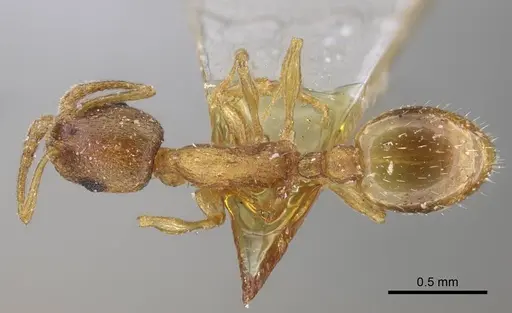
科学文献
正在加载分布地图...正在加载商品...