
Temnothorax senectutis
- 学名
- Temnothorax senectutis
- 族
- Crematogastrini
- 亚科
- Myrmicinae
- 命名者
- Baroni Urbani, 1978
- 地理分布
- 分布于 0 个国家/地区
物种引言
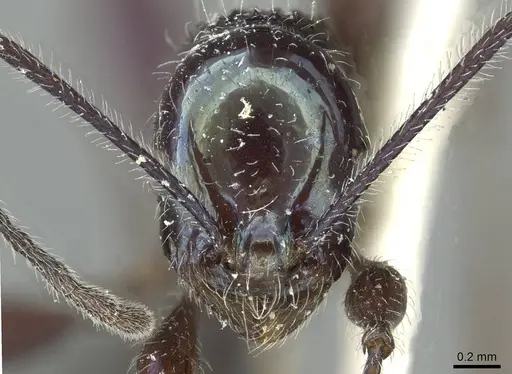
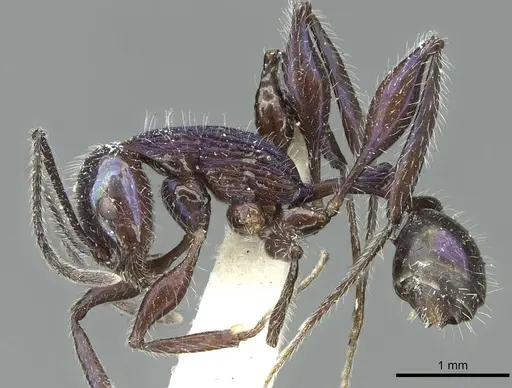
Temnothorax senectutis is a tiny ant species endemic to Cuba, originally described as Leptothorax senectutis before taxonomic revision placed it in the genus Temnothorax . It belongs to the petricolous lineage within the iris group, meaning it naturally nests in rock crevices and small cavities in rocky habitats . Workers are small (size data unavailable, but typical Temnothorax workers are 2-3mm). The species remains poorly studied, with only basic taxonomic and distributional data available. As an endemic Cuban species, it is found only within Cuba .
Quick Summary
- Difficulty: Medium
- Origin & Habitat: Endemic to Cuba [1]. This species inhabits rocky environments, nesting in crevices and small cavities among stones (petricolous lineage) [2].
- Colony Type: Unconfirmed. Based on typical Temnothorax patterns, likely single-queen (monogyne) with claustral founding. However, no species-specific data exists.
- Size & Growth:
- Queen: size data unavailable, estimated ~4-5mm based on Temnothorax genus patterns
- Worker: size data unavailable, estimated ~2-3mm based on Temnothorax genus patterns
- Colony: Unknown, estimated up to 200-300 workers based on typical Temnothorax colony sizes
- Growth: Moderate (estimated based on genus patterns)
- Development: Estimated 8-12 weeks at warm temperatures (22-26°C), based on typical Temnothorax development (Specific data for this species unavailable. Development likely slower at cooler temperatures.)
- Antkeeping:
- Temperature: Keep nest area at 22-26°C. As a tropical Cuban species, they tolerate warmth but avoid temperatures above 30°C. A gradient from 20-26°C is beneficial.
- Humidity: Keep nest substrate dry to slightly moist. As a rock-dwelling species, they prefer drier conditions than soil-nesters. Provide a small water source but avoid condensation or waterlogging. A humidity gradient is recommended.
- Diapause: Likely no true diapause required as a tropical species. They may slow down in cooler months but do not need extended cold periods. A brief cool period (15-18°C for 4-6 weeks) may be offered but is not mandatory.
- Nesting: Best kept in test tubes for founding, then Y-tong or plaster nests with narrow chambers (2-3mm gap). Their small size and rock-dwelling nature means they prefer tight, enclosed spaces. Avoid large, open formicaria.
- Behavior: Temnothorax senectutis is likely a peaceful, non-aggressive species, typical of the genus. Workers are small and may be active foragers. Escape prevention is critical due to their tiny size. Defense: This species belongs to Crematogastrini tribe, which uses a smearing venom mechanism with a modified flattened stinger, rather than piercing, they wipe venom onto enemies. They are not known to sting keepers in a painful way.
- Common Issues: escape prevention is critical due to tiny worker size, standard mesh barriers may not suffice, use fine mesh (≤0.5mm) and fluon on all edges, limited species-specific data means colony care is largely based on genus-level assumptions, slow founding phase, if claustral, queen may take 2-4 months before first workers appear, wild-caught colonies may carry parasites, quarantine new colonies, overheating is a risk, keep nest away from direct heat sources, temperatures above 30°C may be fatal
Housing and Nest Setup
Start colonies in test tubes with a water reservoir at the back and a cotton plug. The queen will settle into the darker end. Once the colony has 20-30 workers, move them to a small Y-tong or plaster nest with narrow chambers (2-3mm gap height) to mimic natural rock crevices. Avoid open or spacious formicaria, as these tiny ants may feel exposed and stressed [2]. Provide a water source (test tube or water chamber) but keep the nest substrate dry to slightly moist. A gradient from dry to slightly humid is ideal.
Feeding and Diet
They are omnivorous with a preference for protein-rich foods. Offer small live prey such as fruit flies, springtails, or pinhead crickets. They will also accept sugar water or honey water. Feed small amounts 2-3 times per week, removing uneaten prey after 24 hours to prevent mold. Once workers are established, provide a constant sugar source. Due to their tiny size, prey must be appropriately small.
Temperature and Seasonal Care
Maintain nest temperatures between 22-26°C for optimal brood development. As a Cuban endemic, they prefer warmth but not extreme heat. A heating cable on one side can create a gentle gradient if room temperature drops below 22°C. Place heat on top of the nest, not underneath, to avoid drying moisture too fast. During temperate winters, a brief cool period (15-18°C for 4-6 weeks) may be offered but is not required. Avoid extended cold.
Escape Prevention
This is the most critical aspect of keeping this species. Workers are tiny (approximately 2-3mm) and can squeeze through gaps as small as 0.5mm. Use fluon on all rims of test tubes and formicaria. Cover ventilation holes with fine mesh (≤0.5mm). When opening the nest, work over a white tray to spot escapees. Never leave the colony unattended with any gap larger than 1mm. Even a small oversight can lead to mass escape.
Colony Development and Patience
Founding queens (if claustral) seal themselves in and do not forage, they rely on stored reserves to produce the first nanitic workers. This process typically takes 2-4 months. Do not disturb the queen during this phase. Signs of a healthy founding colony: queen remains sealed, presence of brood (eggs, larvae, pupae), and eventual emergence of tiny workers. Once workers appear, the colony enters a growth phase. Reaching 50+ workers may take 6-12 months under good conditions.
Frequently Asked Questions
How long does it take for Temnothorax senectutis to produce first workers?
First workers (nanitics) typically appear 8-12 weeks after the queen lays eggs, assuming warm temperatures (22-26°C). This timeline is estimated based on typical Temnothorax development since species-specific data is unavailable. Some colonies may take up to 4 months.
What do Temnothorax senectutis ants eat?
They are omnivorous. Offer small live prey (fruit flies, springtails, tiny crickets) for protein, plus sugar sources (honey water, sugar water). Feed small amounts 2-3 times weekly, removing uneaten prey within 24 hours. Provide a constant sugar source once workers are active.
Do Temnothorax senectutis ants sting?
This species belongs to the Crematogastrini tribe, which uses a smearing venom mechanism, they have a modified stinger that wipes venom onto enemies rather than piercing. They are not known to sting keepers in a painful way and are considered harmless.
Can I keep multiple queens together?
Polygyny (multiple queens) has not been documented for this species. Based on typical Temnothorax behavior, queens are likely intolerant of each other. It is not recommended to keep multiple queens together, start with a single founding queen.
What temperature is ideal for Temnothorax senectutis?
Keep nest areas at 22-26°C. A gradient from 20°C to 26°C allows the ants to choose their preferred zone. Avoid temperatures above 30°C, which can be lethal.
Do they need hibernation or diapause?
As a Cuban tropical species, they do not require true diapause. A brief cool period (15-18°C for 4-6 weeks) may be offered during winter but is not mandatory. Avoid extended cold exposure below 15°C.
Why are my ants escaping?
Workers are tiny and can escape through gaps as small as 0.5mm. Ensure all edges are coated with fluon, ventilation holes are covered with fine mesh (≤0.5mm), and there are no cracks. Always inspect the setup thoroughly before leaving it unattended.
Is this species good for beginners?
Rated Medium difficulty. While docile and not requiring special equipment, the critical escape prevention and slow founding phase make some prior experience helpful. Beginners can succeed with careful attention to escape-proofing and patience.
How big do colonies get?
Colony size is unconfirmed for this species. Based on typical Temnothorax patterns, colonies likely reach up to 200-300 workers at maturity (estimated). Growth is moderate, taking 6-12 months to reach 50 workers under good conditions.
When should I move them to a formicarium?
Wait until the colony has at least 30-50 workers and is actively foraging before moving to a permanent nest. Test tubes can support colonies up to 100 workers. Use gentle transfer methods (e.g., connecting tubing) to avoid stress. Ensure the new nest has tight, enclosed chambers.
Report an Issue
The current care sheet is based fully on literature. See inconsistencies, or something that's incorrect? Please , it will be resolved after review from an admin. Contributing to the blogs tab also helps providing information, to make us be able to further improve the caresheets. Thank you for your support!
References

此饲养指南授权协议为 CC BY-SA 4.0 .
社区博客
CASENT0912998
在 AntWeb 上查看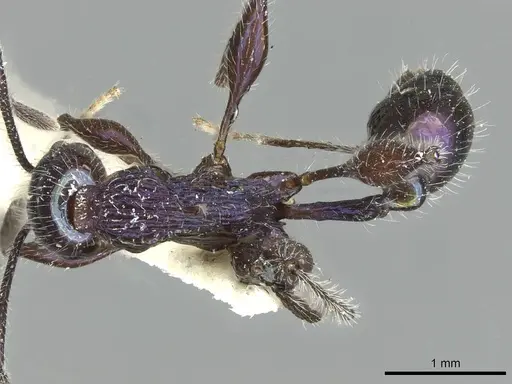
科学文献
正在加载分布地图...正在加载商品...