
Temnothorax gibbifer
- 学名
- Temnothorax gibbifer
- 族
- Crematogastrini
- 亚科
- Myrmicinae
- 命名者
- Baroni Urbani, 1978
- 地理分布
- 分布于 0 个国家/地区
物种引言
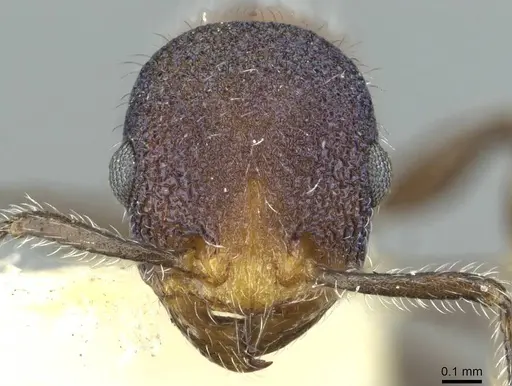
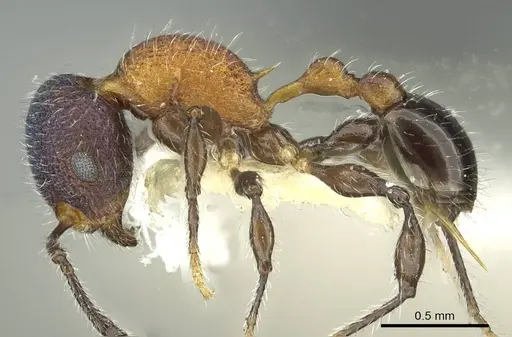
Temnothorax gibbifer is a tiny ant species endemic to Cuba, belonging to the gibbifer group which is characterized by an arboreal lifestyle . Workers are estimated to be around 2-4 mm based on genus patterns, with the genus known for its delicate build and often pale to reddish-brown coloration. This species is part of the Macromischa lineage, a group of ants specialized to life in Cuban forests . As an endemic species found primarily in the Sierra Maestra region, these ants represent a unique keeping challenge since they are rarely available in the antkeeping hobby and have specific habitat requirements tied to Cuba's tropical forest environments.
Quick Summary
- Difficulty: Medium
- Origin & Habitat: Endemic to Cuba, specifically the Sierra Maestra region. Part of the arboreal gibbifer lineage adapted to tropical forest habitats [1][2].
- Colony Type: Likely single-queen colonies (monogyne), which is typical for the genus Temnothorax.
- Size & Growth:
- Queen: Estimated 4-5 mm based on genus patterns
- Worker: Estimated 2-4 mm based on genus patterns
- Colony: Estimated up to 500 workers at maturity, but exact maximum unknown
- Growth: Moderate
- Development: Estimated 6-10 weeks at optimal temperature based on related species (Development time inferred from typical Temnothorax patterns, species-specific data unavailable.)
- Antkeeping:
- Temperature: Keep at 22-26°C. These are tropical ants from Cuba, so they prefer warm conditions. A gentle temperature gradient allows them to regulate.
- Humidity: High humidity, keep nest substrate damp but not waterlogged. Provide good ventilation to prevent mold. Exact humidity ranges are not documented but inferred from tropical origin.
- Diapause: Likely minimal or no true diapause given their tropical origin. Some reduced activity during cooler months may occur.
- Nesting: Arboreal nesting preference suggests they do well in Y-tong (AAC) nests or plaster nests with small chambers. Provide small cavities and narrow passages scaled to their tiny size. Naturalistic setups with small rotting wood pieces work well.
- Behavior: Generally peaceful and non-aggressive. As a member of the Crematogastrini tribe, their defense mechanism is believed to be 'smearing', applying venom onto attackers using a flattened stinger, rather than stinging. This is not dangerous to humans. They are active foragers but due to their tiny size, escape prevention is critical, they can squeeze through very small gaps. They likely form small colonies and are skittish rather than defensive.
- Common Issues: escape prevention is critical due to their very small size, use fine mesh and tight-fitting lids, limited availability as an endemic Cuban species makes obtaining colonies difficult, tropical humidity requirements can lead to mold if ventilation is poor, small colony size means they are sensitive to disturbance, wild-caught colonies may carry parasites from their native habitat
Origin and Natural History
Temnothorax gibbifer is a rare ant species endemic to Cuba, belonging to the gibbifer group which represents an arboreal lineage within the genus Temnothorax [1]. The species has been documented in the Sierra Maestra mountain range, Cuba's highest and most biologically diverse region [1]. This ant is part of the Macromischa complex, a group of ants that have adapted specifically to Cuba's unique island environment [1]. The species was originally described under the genus Leptothorax before taxonomic revisions placed it in Temnothorax [1][2].
In their natural habitat, these ants likely nest in small cavities in trees, under bark, or in rotting wood branches, typical of arboreal Temnothorax species. The tropical Cuban environment provides consistent warmth and humidity year-round. Being endemic to a limited geographic area makes wild populations vulnerable and contributes to the species' rarity in the hobby. Because direct research data on this species' captive care is extremely limited, most care recommendations below are inferred from related Temnothorax species and general arboreal ant husbandry.
Housing and Nest Preferences
For captive care, Y-tong (AAC) nests likely work well due to their small chamber sizes that match the tiny ant's scale. Plaster nests also provide good humidity control. The key is providing appropriately sized chambers, too large and the ants will feel insecure, too small and they won't have room to develop. Pass-through holes should be small since these are tiny ants.
Because they are arboreal in origin, they appreciate some elevated spaces and may use vertical surfaces within the nest. A test tube setup works for founding colonies, but monitor humidity carefully as test tubes can develop mold issues. When moving to a formicarium, ensure the transition is gradual and the new space isn't overwhelming. Many keepers find success with naturalistic setups incorporating small pieces of rotting wood or cork bark.
Temperature and Humidity
Maintain temperatures in the 22-26°C range, reflecting their tropical Cuban origin. A slight gradient allowing the colony to choose their preferred temperature is ideal. Heating cables or mats on one side of the nest can create this gradient, but always place heating on top of the nest rather than underneath to avoid evaporating moisture too quickly.
Humidity should be high, the nest substrate should feel damp but never waterlogged. These ants come from a humid tropical environment, so drying out is a greater risk than being too wet. However, good ventilation is essential to prevent mold. Mist the nest occasionally and provide a water tube, but allow the substrate to partially dry between mistings to avoid stagnant conditions. These requirements are based on typical arboreal Temnothorax preferences, as species-specific data is lacking.
Feeding and Diet
Like other Temnothorax species, T. gibbifer likely feeds on small insects, aphids, and honeydew in the wild. In captivity, offer small protein sources such as fruit flies, small mealworms, pinhead crickets, and other appropriately sized live prey. Sugar water or diluted honey can be offered as an energy source, though protein should form the majority of their diet.
Feed small amounts 2-3 times per week, adjusting based on colony size and consumption. Remove uneaten prey after 24-48 hours to prevent mold. For colonies under 50 workers, offer prey items that can be easily overwhelmed, tiny insects or pre-killed portions work well.
Colony Development
Colony growth follows typical Temnothorax patterns. The queen likely starts the colony independently, the exact founding method is unconfirmed, but based on the genus, she probably seals herself in a small chamber and raises the first workers (nanitics) on stored fat reserves. First broods are typically smaller than subsequent ones. A mature colony likely reaches up to 500 workers over time, though exact maximums are unknown for this species. All timeline figures are estimates derived from related species.
Development from egg to worker likely takes 6-10 weeks at optimal temperature, similar to related Temnothorax species. Growth is moderate, faster than some slow-growing Camponotus species but not as rapid as tropical ants. Patience is key, as small colonies develop gradually over months to years.
Behavior and Temperament
Temnothorax gibbifer is a peaceful species that poses no real threat to keepers. They are not aggressive and their defense mechanism (typical of the Crematogastrini tribe) involves smearing venom onto attackers using a modified, flattened stinger, rather than piercing skin. This is harmless to humans. Workers are active and forage throughout their enclosure, though their tiny size makes them less conspicuous than larger ant species.
The main behavioral concern is escape risk. Due to their very small size, they can squeeze through gaps that would contain larger ants. Excellent escape prevention is essential, use fluon on rim edges, fine mesh for any ventilation, and ensure all lids fit tightly. Despite their small size, they are active and interesting to observe, with typical Temnothorax behaviors including tandem-running recruitment to food sources.
Frequently Asked Questions
How long does it take for Temnothorax gibbifer to produce first workers?
First workers typically appear within 6-10 weeks after the queen lays eggs, assuming temperatures around 24°C. This timeline is based on typical Temnothorax development patterns since species-specific data is not available.
What do Temnothorax gibbifer ants eat?
They feed on small insects like fruit flies, tiny mealworms, and other appropriately sized live prey. Sugar water or diluted honey can be offered as an occasional supplement. Protein-rich foods should form the primary diet.
Do Temnothorax gibbifer ants have a dangerous sting?
No, Temnothorax ants are not known for stinging. Their defense mechanism (smearing venom) is harmless to humans. They are peaceful ants that rely on avoidance rather than defense.
Can I keep Temnothorax gibbifer in a test tube?
Yes, test tubes work well for founding colonies. Ensure proper humidity by using a water reservoir, but monitor for mold. Once the colony reaches 20-30 workers, consider transitioning to a small formicarium.
Are Temnothorax gibbifer ants good for beginners?
They are moderate in difficulty. While not aggressive and relatively compact, their small size requires excellent escape prevention and they have specific humidity needs. Some prior antkeeping experience is helpful.
How big do Temnothorax gibbifer colonies get?
Based on typical Temnothorax colony sizes, they likely reach up to 500 workers at maturity. Exact maximums are unknown for this species due to limited data.
Do Temnothorax gibbifer ants need hibernation?
Likely no true hibernation is required due to their tropical Cuban origin. They may show reduced activity during cooler months but should be kept warm year-round (22-26°C).
Why are my Temnothorax gibbifer escaping?
Their tiny size allows them to squeeze through very small gaps. Use fine mesh for ventilation, apply fluon to rim edges, and ensure all lids fit tightly. Check for any cracks or gaps larger than 1mm.
When should I move my colony to a formicarium?
Transition once the colony reaches 20-40 workers and the test tube is becoming cramped. Make the new space appropriately sized, too large and the ants may feel insecure. A Y-tong or plaster nest with small chambers works well.
Can I keep multiple queens together?
Not recommended. Temnothorax gibbifer is likely a single-queen (monogyne) species. Combining unrelated queens typically results in fighting rather than cooperative founding.
Report an Issue
The current care sheet is based fully on literature. See inconsistencies, or something that's incorrect? Please , it will be resolved after review from an admin. Contributing to the blogs tab also helps providing information, to make us be able to further improve the caresheets. Thank you for your support!
References

此饲养指南授权协议为 CC BY-SA 4.0 .
社区博客
CASENT0912942
在 AntWeb 上查看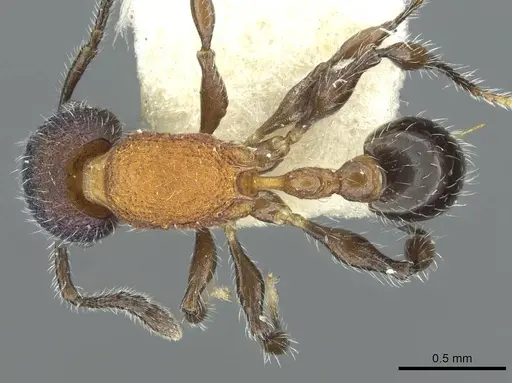
科学文献
正在加载分布地图...正在加载商品...