
Tapinoma rectinotum
- 学名
- Tapinoma rectinotum
- 族
- Tapinomini
- 亚科
- Dolichoderinae
- 命名者
- Wheeler, 1927
- 地理分布
- 分布于 0 个国家/地区
物种引言
Tapinoma rectinotum is a small ant species native to China, described by Wheeler in 1927. Workers are small, dark-bodied ants typical of the Tapinoma genus, they are fast-moving and produce a distinctive odor when disturbed. This species has been recorded in northern Shaanxi Province (Shenmu County) and Shanghai, at elevations between 1400-2220m in grassland and desert grassland environments .
Quick Summary
- Difficulty: Medium
- Origin & Habitat: Native to China, recorded in northern Shaanxi Province (Shenmu County) and Shanghai. Found at elevations of 1400-2220m in typical grassland and desert grassland habitats [1][2][3].
- Colony Type: Unconfirmed, specific colony structure data for this species is not available.
- Size & Growth:
- Queen: Size data unavailable
- Worker: Size data unavailable
- Colony: Not documented for this species
- Growth: Unknown
- Development: Unknown, estimate 6-8 weeks based on typical Tapinoma development, but unconfirmed for this species (Development time is not confirmed for Tapinoma rectinotum.)
- Antkeeping:
- Temperature: Keep at 22-26°C based on their grassland habitat in temperate China. A heating cable on one side creates a gradient [1].
- Humidity: Dry to semi-dry conditions matching grassland habitat. Keep nest substrate mostly dry with occasional light moisture. Avoid dampness [1].
- Diapause: Yes, based on distribution in northern China, likely requires winter rest. Reduce temperature to around 10-15°C for a few months during winter [1].
- Nesting: In nature they likely nest in soil under stones in grassland. In captivity, use a Y-tong (AAC) nest or test tube setup. Provide compact chambers.
- Behavior: Workers are fast-moving and nervous. When threatened, they raise their abdomen and release a pungent odor (defense mechanism: smear). They are not aggressive but will flee. Escape prevention is critical due to small size. Omnivorous, accept sugars and small protein.
- Common Issues: small size means escapes are likely without fine mesh barriers, wild-caught colonies may have parasites, unknown founding behavior, may need to offer food to founding queen if she is not claustral, colonies are sensitive to damp conditions, keep substrate mostly dry, fast movement makes transfers challenging
Temperature and Care
Keep your Tapinoma rectinotum colony at 22-26°C during the active season. This matches their natural habitat in temperate China where they experience warm summers. A heating cable placed on one side of the nest creates a temperature gradient that lets ants choose their preferred spot. During winter, reduce temperatures to around 10-15°C for a few months to simulate their natural seasonal cycle. This winter rest period is important for colony health and may trigger reproductive behavior in spring [1]. Avoid temperatures above 30°C or below 15°C for extended periods.
Feeding and Diet
Tapinoma ants are omnivorous and accept a wide variety of foods. Offer sugar water, honey, or diluted maple syrup as a constant carbohydrate source. For protein, provide small insects like fruit flies, small mealworms, or cricket pieces. They also eat honeydew in nature, so they are well-suited to sugar-based diets. Feed protein 2-3 times per week and keep sugar water available at all times. Remove uneaten prey after 24 hours to prevent mold. Young colonies should be fed small amounts more frequently, a few fruit flies or a tiny drop of honey is enough for a founding queen.
Nesting Preferences
In the wild, Tapinoma rectinotum likely nests in soil under stones or in small ground cavities in grassland environments at elevations of 1400-2220m [1]. For captivity, a Y-tong (AAC) nest works well because it provides compact chambers that match their natural nesting preferences. A test tube setup is also suitable for founding colonies, simply keep it in a dark place and offer food via a separate outworld. Avoid naturalistic setups with large open spaces, these ants prefer tight, enclosed spaces. The nest material should hold some moisture but dry out relatively quickly between waterings.
Behavior and Temperament
Workers are small, fast-moving, and nervous. When threatened, they raise their abdomen in a defensive posture and release a distinctive pungent odor, this is their primary defense (smear mechanism). They are not particularly aggressive and will typically flee rather than fight, but their speed makes them excellent escape artists. Use fluon on nest rims and fine mesh on outworlds to prevent escapes. They forage actively and will recruit nestmates to food sources quickly. Colonies tend to be moderate in size, though colony structure for this species is unconfirmed.
Seasonal Care and Overwintering
Given their distribution in northern China, Tapinoma rectinotum experiences cold winters and requires a diapause period. In captivity, simulate this by reducing temperatures to around 10-15°C for a few months during winter. You can accomplish this by moving the colony to a cool basement, garage, or refrigerator (if using a test tube setup). Do not feed during diapause, but keep a small water source available. Return to normal temperatures gradually in spring. This winter rest helps maintain colony health and may trigger nuptial flight behavior [1]. If your colony appears active throughout winter without cooling, reproductive development may be suppressed.
Colony Founding
Founding behavior has not been documented for this species. It is unclear whether queens are claustral or semi-claustral. If you catch a queen, provide a test tube setup with a dark entrance and observe her behavior. If she seals herself in, do not disturb, she is likely relying on stored reserves. If she forages or leaves the tube, she may need to be fed small prey (e.g., fruit flies) and sugar water. Do not assume she is claustral without evidence. Once nanitics appear, you can begin offering tiny food items near the nest entrance.
Frequently Asked Questions
How long does it take for Tapinoma rectinotum to produce first workers?
This is not documented for this species. Based on typical Tapinoma genus development patterns, you might expect 6-8 weeks from egg to first worker at optimal temperature (22-26°C), but this is an estimate. Founding behavior is unconfirmed, so the timeline may vary.
What temperature do Tapinoma rectinotum need?
Keep them at 22-26°C during the active season. They also require a winter diapause period, reduce temperatures to around 10-15°C for a few months. This matches their natural habitat in temperate China [1].
Are Tapinoma rectinotum good for beginners?
They are moderate difficulty. The main challenges are their small size (escape prevention is critical), the need for a winter diapause, and the fact that founding behavior is unconfirmed. They are omnivorous and not picky eaters, which helps.
Can I keep multiple queens together in Tapinoma rectinotum?
The colony structure for this specific species is unconfirmed. Many Tapinoma species are polygynous, but we do not have data for T. rectinotum. It is not recommended to attempt pleometrosis without more information.
What do Tapinoma rectinotum eat?
They are omnivorous. Offer sugar water, honey, or maple syrup constantly as a carbohydrate source. For protein, provide small insects like fruit flies, small mealworms, or cricket pieces 2-3 times per week. They readily accept both sugar and protein foods.
Do Tapinoma rectinotum need hibernation?
Yes. Based on their distribution in northern China, they require a winter rest period. Reduce temperatures to around 10-15°C for a few months during winter. This diapause is important for colony health and may trigger reproductive behavior in spring [1].
Why are my Tapinoma rectinotum escaping?
Their small size makes them excellent escape artists. Use fine mesh (at least 0.5mm) on all openings and apply fluon or another barrier gel to nest rims. Check for tiny gaps around water tubes and outworld connections. Small ants can squeeze through gaps you might not notice.
How big do Tapinoma rectinotum colonies get?
Colony size is not documented for this specific species. Typical Tapinoma colonies can reach several hundred to a few thousand workers, but this is unconfirmed for T. rectinotum.
When should I move my colony to a formicarium?
Wait until the colony has at least 50-100 workers and is actively using an outworld for foraging. Tapinoma prefer compact nests, so a Y-tong works well even for smaller colonies. Moving too early can stress the colony. If using a test tube, you can add a connected outworld for foraging before fully transitioning.
Report an Issue
The current care sheet is based fully on literature. See inconsistencies, or something that's incorrect? Please , it will be resolved after review from an admin. Contributing to the blogs tab also helps providing information, to make us be able to further improve the caresheets. Thank you for your support!
References

此饲养指南授权协议为 CC BY-SA 4.0 .
社区博客
CASENT0917262
在 AntWeb 上查看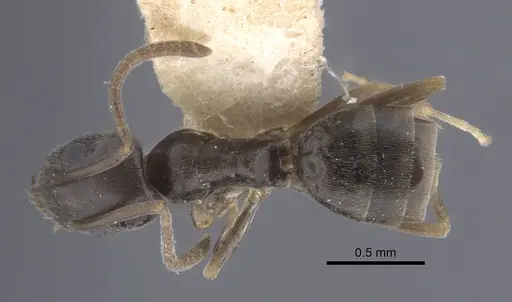
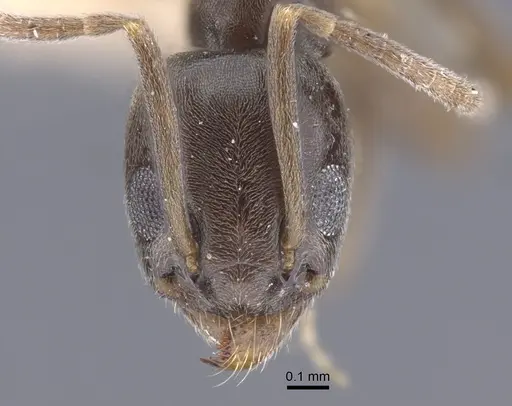
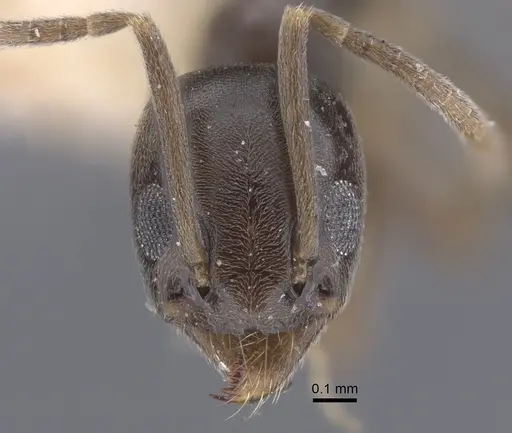
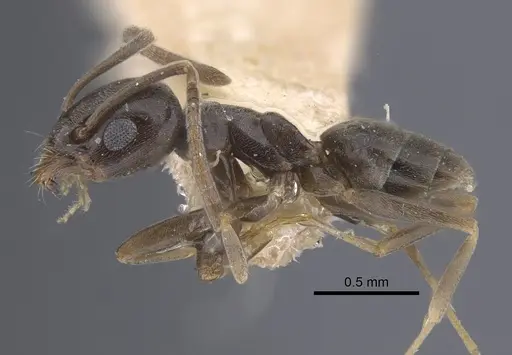
科学文献
正在加载分布地图...正在加载商品...