
Strumigenys virgila
- 学名
- Strumigenys virgila
- 族
- Attini
- 亚科
- Myrmicinae
- 命名者
- Bolton, 2000
- 地理分布
- 分布于 0 个国家/地区
物种引言
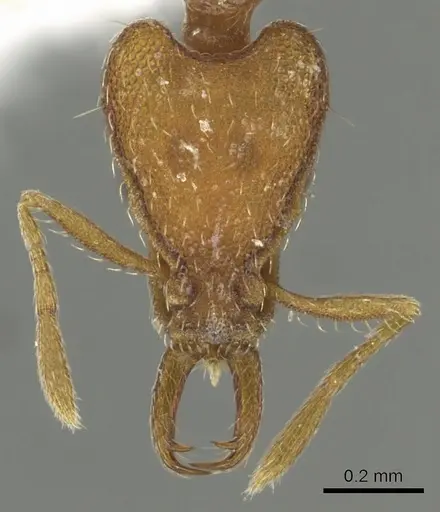
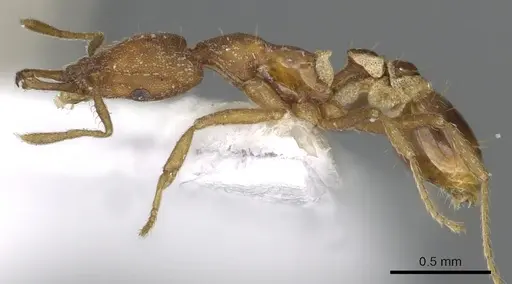
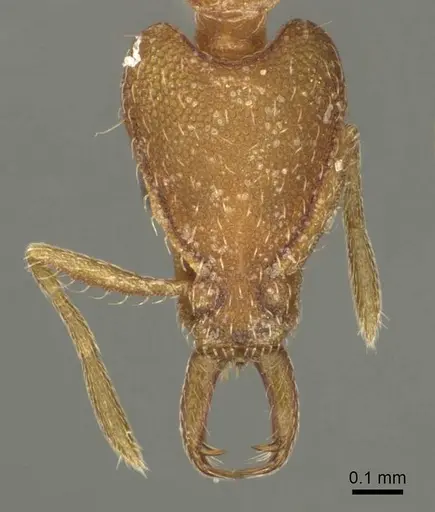
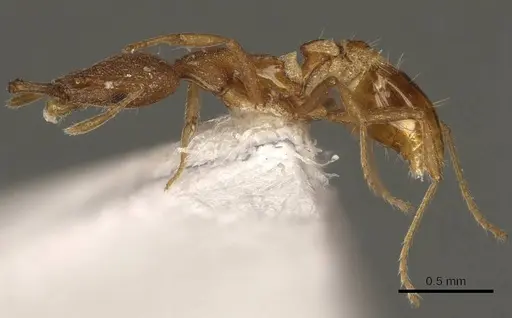
Strumigenys virgila is a tiny ant measuring 2.5-2.6mm in total length . It belongs to the signeae-complex within the Strumigenys godeffroyi group. Workers have a dark brown to black body with a smooth, glassy postpetiole disc and a very large lateral spongiform lobe on the petiole that extends the entire length of the node . The mandible has a unique intercalary tooth with small denticles, a feature not seen in other species of the signeae-complex . Bolton described this species in 2000 from specimens collected in the Himalayan region of India . Almost nothing is known about the biology of this species in the wild or in captivity . It is known only from two type collections in India and Bhutan, making it a rare and poorly understood ant . For advanced keepers who want to pioneer care of an obscure species, this is a challenging choice.
Quick Summary
- Difficulty: Expert
- Origin & Habitat: Native to the Himalayan region of South Asia. Recorded in India (Himachal Pradesh, Uttar Pradesh, Arunachal Pradesh, Assam, Sikkim, West Bengal) and Bhutan [4][3]. The type specimens were collected in the Shivalik Hills at elevations between 600-900 meters [1]. This suggests they live in cool, mountainous forest habitats with moist leaf litter.
- Colony Type: Colony structure is unconfirmed, this species has never been observed in colony context. Based on related Strumigenys species, they likely form small colonies with a single queen.
- Size & Growth:
- Queen: Unknown, the queen has not been described [1]
- Worker: 2.5-2.6mm [1]
- Colony: Unknown, no colony data exists. Probably under 100 workers based on related species.
- Growth: Unknown, no development data available. Likely slow given specialized feeding.
- Development: Unknown, no direct observations. A rough guess based on related Strumigenys is 8-12 weeks, but this is unverified. (Nothing is known about development. Related Strumigenys are slow-growing because they need live micro-prey.)
- Antkeeping:
- Temperature: Unconfirmed, the collection sites at 600-900m in the Himalayas suggest cool conditions [1]. Start around 18-22°C and watch the ants. Avoid overheating above 25°C. Adjust based on behavior, if workers are sluggish, try slightly warmer, if they avoid heat, cool down.
- Humidity: High humidity is likely essential for such tiny ants to prevent desiccation. Keep the nest substrate consistently moist but not waterlogged. Aim for a damp feel, condensation on nest walls is okay.
- Diapause: Probably required, because the species comes from a temperate Himalayan region. If the colony slows down in winter, provide a cool period of about 2-3 months at 10-15°C. This has not been tested.
- Nesting: Use a small test tube setup or Y-tong nest with very narrow chambers. Their tiny size (under 3mm) means they can slip through standard barriers, fine mesh (≤0.3mm) is essential. Keep the nest snug, too much open space can stress them.
- Behavior: Very shy and non-aggressive. They are specialized predators that use their trap-jaw mandibles to grab tiny prey. Like all myrmicine ants, they have a sting, but it is not known to be medically significant and they rarely sting humans. Escape prevention is critical due to their minute size, they can squeeze through gaps invisible to the naked eye. They move slowly and spend most of their time hunting in the substrate.
- Common Issues: escape prevention is critical, they are among the smallest ants in the hobby and can slip through standard barriers, no captive husbandry data exists, you will be figuring out care through trial and error, specialized diet of live micro-prey (springtails, etc.) can lead to starvation if supply runs out, high humidity needs may cause mold problems if ventilation is poor, wild-caught specimens may carry unknown parasites, and this species is rarely collected
Housing and Escape Prevention
Strumigenys virgila are among the smallest ants you can keep, which creates unique housing challenges. Standard test tube setups often have gaps that these ants can slip through. Use fine mesh barriers (at least 0.3mm or smaller) on all openings. Many keepers use multiple layers of barrier material for these tiny species. A Y-tong (AAC) nest with very narrow chambers works well, or you can use small test tubes with custom-fitted cotton plugs. Keep the nest chamber small and snug, too much open space stresses these tiny ants. Keep the outworld small as well, since they rarely venture far from the nest. Cover all ventilation holes with fine mesh and check connections regularly for gaps. [1]
Feeding and Diet
Nothing is known about the specific diet of Strumigenys virgila, but the genus Strumigenys consists of specialized predators that hunt tiny arthropods in leaf litter and soil. In captivity, you should focus on providing small live prey. Springtails are the ideal staple food, as they are the natural prey of these ants in the wild. Other micro-arthropods like booklice, dust mites, and fruit fly larvae may be accepted. Do not offer large prey items, these ants have tiny mandibles and can only tackle prey a fraction of their size. Sugar sources are unlikely to be accepted because Strumigenys are not honeydew feeders. Feed small amounts of live prey every 2-3 days and remove any uneaten prey to prevent mold. The specialized diet is one reason this species is considered expert-level. [1]
Temperature and Seasonal Care
Based on the Himalayan origin of this species (collected at 600-900m elevation in the Shivalik Hills), they come from a cool climate [1]. Keep the nest at 18-22°C, room temperature is often too warm. A slight temperature gradient lets the ants choose their preferred zone. During winter, if the colony shows signs of slowing down, provide a diapause period of 2-3 months at 10-15°C to simulate natural seasonal conditions. This species has never been kept in captivity before, so you need to adjust based on colony behavior. If workers are sluggish and cluster together, try slightly warmer, if they avoid the heated area, reduce temperature. Never exceed 25°C, as this species comes from cool mountain habitats.
Humidity and Substrate
These tiny ants require high humidity to prevent desiccation. Keep the nest substrate consistently moist, it should feel damp to the touch but not have standing water. The small test tube or Y-tong nest should have a water reservoir to maintain humidity over time. Monitor for condensation on the nest walls, some condensation is good, but excessive moisture leads to mold. If mold appears, reduce feeding and improve ventilation slightly. The substrate can be a simple mixture of soil and sand, kept consistently moist. Because the ants are so small, even brief drying out can be fatal, check moisture levels daily. [1]
Why This Species is Expert-Only
Strumigenys virgila is not for beginners for several reasons. First, no captive husbandry information exists, you are pioneering the care of this species with no guidance. Second, their extreme tiny size makes housing and escape prevention very challenging. Third, their specialized predatory diet requires a constant supply of live micro-prey, which is hard to maintain. Fourth, the species likely has specific temperature and humidity requirements linked to its Himalayan habitat, which differ from common ant species. Finally, obtaining this species is difficult since it is rarely collected and not available in the antkeeping hobby. Only experienced antkeepers who can experiment and adapt should attempt this species [2][1].
Frequently Asked Questions
How long does it take for Strumigenys virgila to develop from egg to worker?
This is completely unknown, no one has ever documented the development of this species. A rough guess based on related Strumigenys is 8-12 weeks at optimal temperature, but this is unverified. The actual time could be faster or slower depending on conditions [1].
Can I keep Strumigenys virgila in a standard test tube?
Standard test tubes may not work well due to their extremely small size. These ants (2.5-2.6mm) can escape through gaps in standard cotton plugs. You need fine mesh barriers and may need to modify test tubes or use a Y-tong nest with very tight chambers. This species requires excellent escape prevention [1].
What do Strumigenys virgila eat?
Like all Strumigenys, they are specialized predators of tiny arthropods. The ideal food is live springtails, these are their natural prey. You can also try small fruit fly larvae, booklice, and dust mites. They likely do not accept sugar or honey. Offer small live prey items every 2-3 days [1].
How big do Strumigenys virgila colonies get?
No one knows, colonies have never been observed in the wild or captivity. Based on related Strumigenys species, they likely stay small, probably under 100 workers. This is not a species that produces large colonies [1].
Do Strumigenys virgila need hibernation?
Probably yes, they come from the Himalayan region where winters are cold. If the colony slows down in winter, provide 2-3 months at 10-15°C to simulate their natural seasonal cycle. This is unconfirmed but likely important for long-term health [1][4].
Are Strumigenys virgila good for beginners?
No, this species is absolutely not suitable for beginners. Nothing has ever been documented about their care in captivity, they are extremely small making housing difficult, and they require a specialized live-prey diet. This is an expert-only species for antkeepers who want to pioneer the husbandry of an unstudied species [2][1].
Where is Strumigenys virgila found?
They are native to the Himalayan region, specifically India (Himachal Pradesh, Uttar Pradesh, Arunachal Pradesh, Assam, Sikkim, West Bengal) and Bhutan. The type specimens were collected in the Shivalik Hills at 600-900m elevation [4][3].
Can I keep multiple queens together?
This has never been studied. Nothing is known about the colony structure of this species. Based on related Strumigenys, they likely have single-queen colonies, but we simply do not know. Do not attempt combining unrelated queens without more information [1].
Why is Strumigenys virgila so rarely kept?
This species is known only from two type collections, it has never been commonly collected. The lack of any biological data makes captive husbandry very challenging. They are not available in the antkeeping hobby and would be extremely difficult to acquire. This is a species for advanced collectors seeking a challenge [2][1].
Report an Issue
The current care sheet is based fully on literature. See inconsistencies, or something that's incorrect? Please , it will be resolved after review from an admin. Contributing to the blogs tab also helps providing information, to make us be able to further improve the caresheets. Thank you for your support!
References

此饲养指南授权协议为 CC BY-SA 4.0 .
社区博客
CASENT0900829
在 AntWeb 上查看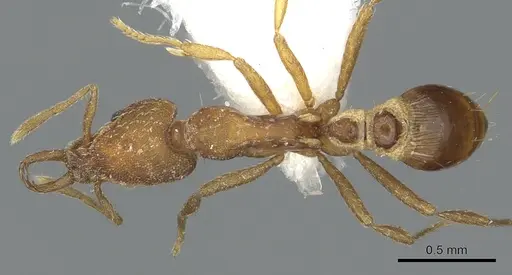
CASENT0915701
在 AntWeb 上查看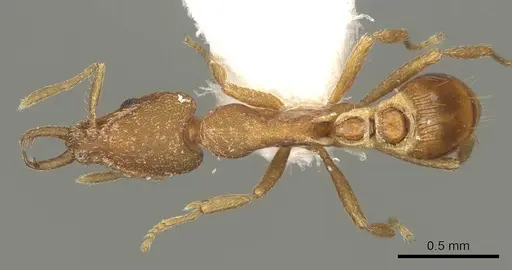
科学文献
正在加载分布地图...正在加载商品...