
Strumigenys sublonga
- 学名
- Strumigenys sublonga
- 族
- Attini
- 亚科
- Myrmicinae
- 命名者
- Brown, 1958
- 地理分布
- 分布于 0 个国家/地区
物种引言
Strumigenys sublonga is a tiny trap-jaw ant from the Myrmicinae subfamily and Attini tribe. Workers measure 3.4-3.6 mm in total length . It belongs to the Strumigenys mandibularis group, cordovensis-complex, with elongated mandibles and distinctive ridges (costulae) on the postpetiole and gaster . The species was first described from Bolivia, Lower Rio Madidi, based on workers and queens collected in March 1922 . Additional records exist from Pará, Brazil, in the Amazon Basin . Almost nothing is known about the biology of this species in the wild. It is known only from a handful of museum specimens collected decades ago. Based on genus patterns, Strumigenys are specialized predators of tiny soil arthropods like springtails, using rapid trap-jaw mandibles. They likely nest in moist forest floor litter. The combination of tiny size, unknown requirements, and specialized diet makes this an expert-level species that requires careful experimentation.
Quick Summary
- Difficulty: Expert
- Origin & Habitat: Neotropical region, recorded from Bolivia and Brazil (Pará state). Found in Amazon Basin environments, presumably in forest floor leaf litter and rotting wood [3][2][1].
- Colony Type: Colony structure is unconfirmed. No field studies exist, based on genus patterns, Strumigenys typically have single-queen colonies, but this is speculative.
- Size & Growth:
- Queen: Queens are mentioned in the original description (Brown 1958) but no measurements are available, size unknown [1].
- Worker: 3.4-3.6 mm total length [1].
- Colony: Unknown, no data from wild or captive colonies.
- Growth: Unknown
- Development: Unknown, no direct development data exists for this species or closely related species in the literature. (All estimates would be pure speculation.)
- Antkeeping:
- Temperature: No specific data. As a Neotropical forest floor species, keep in the low-to-mid 20s °C (22-26 °C) and observe colony behavior. Provide a gentle heat gradient so ants can self-regulate.
- Humidity: High humidity is needed, mimic a damp forest floor. Keep nest substrate consistently moist but not waterlogged. Provide a moisture gradient with damp and slightly drier areas. Good ventilation prevents mold.
- Diapause: Unknown, Neotropical species likely do not require a true diapause, but a slight reduction in temperature during winter may be safe. No data available.
- Nesting: In captivity, use small, enclosed spaces like test tubes with cotton water reservoirs, plaster nests, or naturalistic setups with damp soil and leaf litter. Avoid tall open spaces, these ants are litter-dwellers.
- Behavior: Strumigenys sublonga is a specialized predator with trap-jaw mandibles for capturing small live prey like springtails. It possesses a functional stinger (typical of Myrmicinae Attini) but is not aggressive toward humans and will flee from threats. Their tiny size (3.4 mm) means escape prevention is critical, use fine mesh (0.5 mm or smaller) and seal all gaps. They are not a stinging risk to keepers.
- Common Issues: no biological data means husbandry is pioneering, expect to experiment and face setbacks, tiny size makes escape prevention very challenging, check for gaps constantly, specialized predatory diet requires live micro-prey (springtails), which must be cultured consistently, unknown requirements for humidity, temperature, and founding can lead to colony death without clear causes, moisture management is critical, too wet causes drowning, too dry causes desiccation
Housing and Setup
For such tiny ants, keep the nest small and enclosed. Test tubes with a cotton water reservoir work well for founding colonies, the narrow diameter mimics their natural litter-layer cavities. As the colony grows, you can move them to a plaster nest or a naturalistic setup with damp leaf litter. Avoid large open spaces, they prefer tight chambers. Escape prevention is absolutely critical, their 3.4 mm bodies can slip through gaps you wouldn't expect. Use fine mesh (at least 0.5 mm openings) on all ventilation and seal connections with fluon or petroleum jelly. Provide a humidity gradient within the nest so the ants can choose their preferred moisture level.
Feeding and Diet
Strumigenys sublonga is an obligate predator, it almost certainly requires live prey. Their trap-jaw mandibles are designed to catch fast-moving micro-arthropods. The primary food should be live springtails (Collembola), which you need to culture yourself. Other tiny live prey like micro-mites or small isopods may be accepted, but springtails are the most reliable. Do not expect them to take sugar water, honey, or dead insects, they are not generalist scavengers. Offer a few prey items every few days, and remove any uneaten prey after 24 hours. Getting them to accept prey is often the biggest challenge, especially with freshly caught colonies.
Temperature and Seasonal Care
Since the species comes from the Neotropical lowlands (Bolivia, Brazil), it likely prefers steady warmth. Aim for 22-26 °C, room temperature often works if your home is in that range. You can use a heating cable on one side of the nest to create a gradient. Avoid placing heat underneath, which dries out the substrate too quickly. Regarding seasons, Neotropical ants don't experience harsh winters, but you may reduce temperature slightly during winter months if the colony becomes less active. Avoid large fluctuations. No specific data exists, so observe your colony and adjust.
Colony Founding
Colony founding has never been documented for this species. Based on related Strumigenys, queens may be claustral, sealing themselves in a small chamber and raising the first workers on stored reserves. However, this is unconfirmed. If you have a queen, provide a small, moist, enclosed space (like a test tube) and do not disturb her. Do not offer food during founding, as a claustral queen does not forage. After the first nanitic workers appear (which may be even smaller than normal workers), you can try offering tiny live springtails. Be patient: founding can take months, and success is uncertain.
Understanding the Challenge
Let's be direct: this is one of the hardest ant species you could try to keep. We have essentially no biological data on Strumigenys sublonga, no published information on nesting, feeding, development, or colony dynamics. You are pioneering husbandry methods from scratch. Expect frequent setbacks: colonies may die from unknown causes, fail to accept prey, or suffer from improper moisture. Keep detailed records and be willing to experiment. Success with such an obscure species can be rewarding, but it will require patience, careful observation, and a willingness to lose colonies while learning.
Frequently Asked Questions
How long does it take for Strumigenys sublonga to produce first workers?
This has never been documented for this species. Based on related small Myrmicinae, it might take 6-10 weeks at optimal temperatures, but that is pure speculation. Do not rely on any timeline, just wait and watch without disturbing the queen.
What do Strumigenys sublonga ants eat?
They are obligate predators of live micro-arthropods. Their primary food is springtails (Collembola). They may also accept other tiny live prey like mites or small isopods. Do not offer sugar water or dead insects, these will be ignored and may foul the nest. Culture a steady supply of springtails before acquiring the colony.
Can I keep Strumigenys sublonga in a test tube?
Yes, test tubes work well for founding colonies. Use a small-diameter tube (about 1 cm) to match their tiny size. Keep the cotton moist but not flooded. For larger colonies, a plaster nest or naturalistic setup with damp substrate is better. Regardless, escape-proofing is essential, use fine mesh on any openings.
Are Strumigenys sublonga ants dangerous?
They possess a functional stinger (typical of Myrmicinae Attini), but they are tiny and not aggressive toward humans. Their sting is unlikely to be medically significant. They prefer to flee rather than attack. No danger to keepers, but handle with care if moving the colony.
Do Strumigenys sublonga need hibernation?
Unknown. As a Neotropical species, they likely do not require a true hibernation. A slight seasonal temperature drop (e.g., to 18-20 °C in winter) might be safe, but no data exists. Monitor activity levels and adjust based on the colony's response.
How big do Strumigenys sublonga colonies get?
Colony size is completely unknown. Based on related Strumigenys species, colonies are typically small (under a few hundred workers), but this is speculation. No wild or captive colonies have been documented.
Why are my Strumigenys sublonga dying?
Without documented biology, causes are speculative. Common issues likely include: failure to accept live prey, improper humidity (too dry or too wet), temperature stress, or escape-related losses. Wild-caught colonies may also carry parasites. Document conditions carefully and adjust variables one at a time.
Can I keep multiple queens together?
This has not been studied. Based on genus patterns, single-queen colonies are most likely. Pleometrosis (co-founding) has not been observed. If you have multiple queens, house them separately to avoid cannibalism.
What humidity do Strumigenys sublonga need?
High humidity is required. The substrate should feel damp to the touch with no standing water. Provide a moisture gradient so ants can choose. Condensation on nest walls is a good sign. Good ventilation prevents mold.
Is Strumigenys sublonga good for beginners?
No. This species is not suitable for beginners. We have almost no biological data, making care a research project. Their tiny size, specialized live-prey diet, and unknown requirements demand experience and patience. Choose a well-documented species for your first colony.
Report an Issue
The current care sheet is based fully on literature. See inconsistencies, or something that's incorrect? Please , it will be resolved after review from an admin. Contributing to the blogs tab also helps providing information, to make us be able to further improve the caresheets. Thank you for your support!
References

此饲养指南授权协议为 CC BY-SA 4.0 .
社区博客
CASENT0900433
在 AntWeb 上查看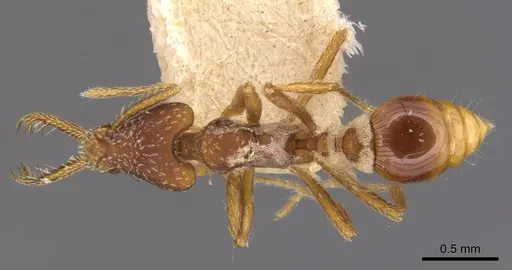
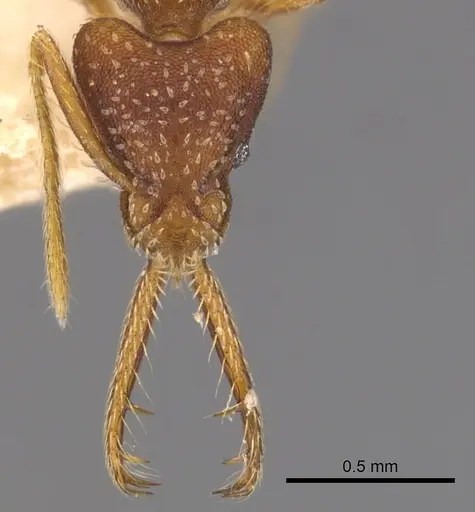
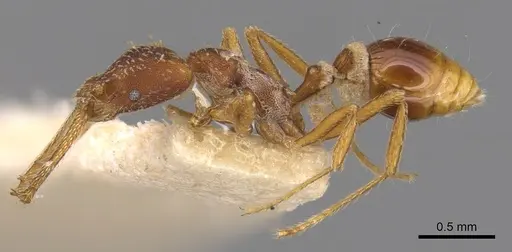
科学文献
正在加载分布地图...正在加载商品...