
Strumigenys browni
- 学名
- Strumigenys browni
- 族
- Attini
- 亚科
- Myrmicinae
- 命名者
- Bolton, 2000
- 地理分布
- 分布于 0 个国家/地区
物种引言
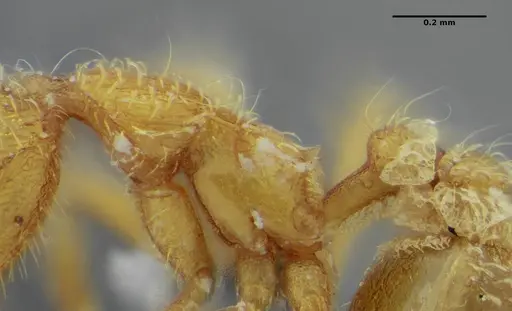
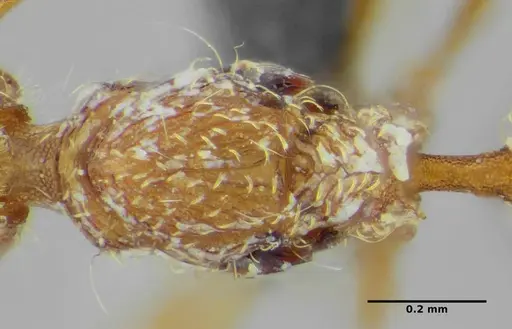
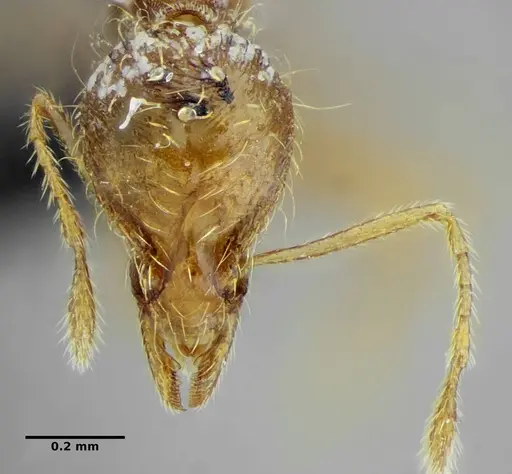
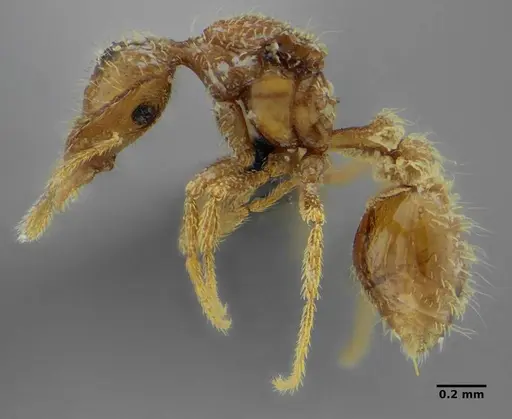
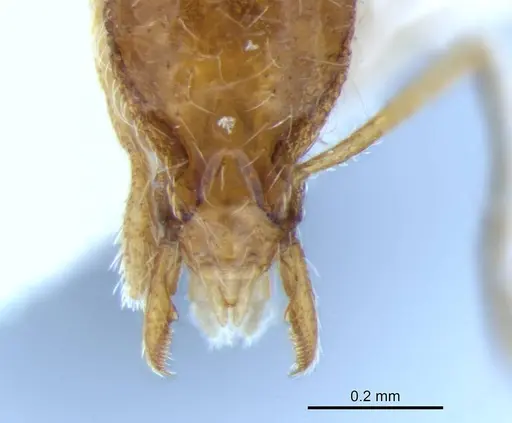
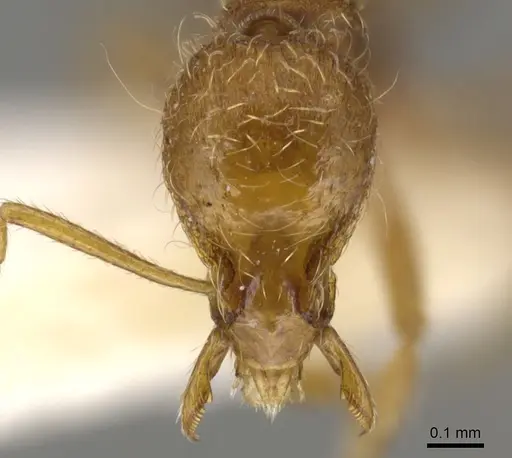
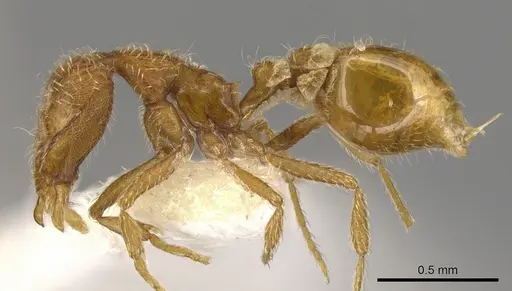
Strumigenys browni is an extremely rare ant species known only from two worker specimens collected in the Brazilian Amazon. Workers measure 2.2 mm in total length . They belong to the tribe Attini, but unlike fungus-farming relatives, Strumigenys are specialized predators that hunt small prey like springtails using their distinctive mandibles. This species represents its own unique group within Strumigenys, the Strumigenys browni group, making it quite distinct from any other known species . Its complete biology remains unstudied, and all care information must be inferred from related species.
Quick Summary
- Difficulty: Expert
- Origin & Habitat: Brazil (Amazonas region), in tropical rainforest habitats. Specimens were collected from capoeira (secondary forest) soil at depths of 0-10.5 cm [1].
- Colony Type: Unconfirmed, colony structure has never been documented. Based on related Strumigenys species, they likely form single-queen colonies, but this is unverified.
- Size & Growth:
- Queen: Unknown, no queens have been described
- Worker: 2.2 mm total length [1]
- Colony: Unknown, likely small colonies based on related Strumigenys species
- Growth: Unknown, likely slow
- Development: Unknown, estimated 6-10 weeks for related Strumigenys species, but no direct data exists for S. browni (All development and growth estimates are based on related Strumigenys species, as S. browni biology is unstudied.)
- Antkeeping:
- Temperature: Keep at 24-28°C, simulating tropical conditions. Use a heating cable on one side to create a gentle gradient if room temperature is cooler.
- Humidity: Keep high, maintain the nest substrate consistently moist but not waterlogged. Misting the outworld can help.
- Diapause: Unlikely, as a tropical species, S. browni probably does not require a diapause period. Slight temperature reductions during winter are acceptable if your room cools.
- Nesting: A test tube setup works well for starting colonies. For larger groups, use a Ytong (AAC), plaster, or soil nest with fine substrate. Escape prevention is critical: use fluon barriers and fine mesh (≤0.5 mm) on ventilation.
- Behavior: These are specialized solitary hunters that capture micro-prey (like springtails) with their long mandibles. They are not aggressive toward humans and pose no sting threat (though they do have a functional sting, it is medically insignificant). Their tiny size makes them excellent escape artists, tight barriers and fine mesh are essential. They are secretive and slow-moving.
- Common Issues: complete lack of biological data means all care advice is guesswork based on related species, tiny size makes escape likely without fine mesh and tight-fitting lids, specialized diet requires a steady supply of live micro-prey, which can be hard to maintain, slow growth and small colony size make the species challenging to keep, may be sensitive to drying out, needs consistent humidity
Species Background and Rarity
Strumigenys browni is one of the rarest ant species in the hobby, known only from two worker specimens collected in the Brazilian Amazon in 1990. It was originally described as Strumigenys browni by Barry Bolton in 2000,then moved to the genus Strumigenys in 2007 when Pyramica was synonymized [1]. This species is the sole member of the Strumigenys browni group, meaning it does not closely resemble any other known Strumigenys species. No queens have ever been collected, and its biology is completely unstudied. As a result, all care guidance is inferred from related species, anyone attempting to keep this ant is pioneering its captive care without any documented precedent [2].
Housing and Nest Setup
Because of their tiny size (just 2.2 mm), housing must be carefully designed. A test tube setup is ideal for starting colonies, use a narrow tube so the ants can easily access the water reservoir. For larger groups, use a Ytong (AAC), plaster, or soil nest with chambers scaled to their size. Avoid large formicaria designed for bigger ants, which can make feeding and observation difficult. The substrate should hold moisture well. Cover the nest with an opaque wrapper for the first few weeks to reduce stress [1]. Escape prevention is critical: apply fluon to all container rims and use fine mesh (0.5 mm or smaller) on any ventilation holes. Check daily for gaps, these ants can squeeze through tiny openings.
Feeding and Diet
Strumigenys ants are specialized predators, and S. browni is no exception. In the wild they hunt small arthropods, primarily springtails (Collembola) and other micro-prey in leaf litter and soil. Their long mandibles are adapted for capturing such tiny, fast prey. In captivity, offer live springtails as the main food source, you can culture your own colony to ensure a steady supply. Other live prey like booklice (psocids) or fruit fly larvae may be accepted experimentally. They rarely take carbohydrate sources like honey or sugar water. Feed small prey every 2-3 days, remove uneaten items after 24 hours to prevent mold. A healthy colony will have workers with full, glossy gasters.
Temperature and Humidity Requirements
As a species from the Amazon rainforest, S. browni needs warm, humid conditions year-round. Maintain temperatures between 24-28°C (75-82°F). Use a small heating cable on one side of the nest to create a gentle gradient, this lets the ants choose their preferred spot. Never let the temperature drop below 20°C for extended periods. Humidity should be high: keep the test tube water reservoir full, or if using a soil nest, mist the area around (not directly on) the nest. The substrate should feel damp but not waterlogged. A small water dish in the outworld helps keep ambient humidity up. Unlike temperate ants, S. browni likely does not need a winter diapause, though a slight seasonal cooling is acceptable if your room cools naturally.
Behavior and Colony Dynamics
Workers are solitary hunters rather than group foragers. They move slowly and deliberately, twitching their antennae as they search for prey vibrations, you may see them stalking and striking springtails with their long mandibles. Colony size for related Strumigenys species is usually under a few hundred workers, and S. browni likely follows this pattern. They are not aggressive toward humans, they have a functional sting but it is too weak to harm people. Their main defense is hiding and avoiding confrontation. Because they are so small and secretive, they are easy to lose track of, always close the outworld carefully after feeding.
Frequently Asked Questions
How long does it take for Strumigenys browni to produce first workers?
This is unknown for S. browni. Based on related Strumigenys species, expect roughly 6-10 weeks from egg to worker at 24-28°C. Growth is likely slow.
Can I keep Strumigenys browni in a test tube?
Yes, a test tube with a water reservoir is ideal for this tiny species. Use a narrow tube and cover it with an opaque wrapper for the first few weeks. Escape prevention is essential: use fluon on the rim and ensure no gaps.
What do Strumigenys browni eat?
They are specialized predators that need live micro-prey. Their main food should be live springtails, which you can culture yourself. Other small prey like booklice may be accepted. They typically reject sugar sources like honey.
Are Strumigenys browni good for beginners?
No. This species is not recommended for beginners. Its care is entirely unstudied, all advice is guesswork, and it requires specialized live prey, excellent escape prevention, and stable tropical conditions [2].
How big do Strumigenys browni colonies get?
Colony size is unknown for this specific species. Based on related Strumigenys species, colonies likely stay small, probably under a few hundred workers.
Do Strumigenys browni need hibernation?
Unlikely. Being from the Brazilian Amazon, they are adapted to year-round warm conditions and probably do not require a diapause period. A slight winter cooling is acceptable but not necessary.
Why is Strumigenys browni so rare in the hobby?
This species is known from only two worker specimens collected in 1990 in the Brazilian Amazon. It has never been found again, so wild collection is essentially impossible. Any specimens in captivity would be extremely rare [2][1].
Can I keep multiple queens together?
This has never been documented for this species. Based on related Strumigenys species, they likely form single-queen colonies. Combining unrelated queens is not recommended.
What temperature is best for Strumigenys browni?
Keep them at 24-28°C (75-82°F). Use a heating cable on one side of the nest to create a gradient. Never let temperatures drop below 20°C for long. Consistent warmth matters more than exact numbers.
How do I prevent Strumigenys browni from escaping?
Excellent escape prevention is critical. Use fluon on all container rims, fine mesh (0.5 mm or smaller) on ventilation, and check daily for any gaps. Their tiny size means they can squeeze through openings that larger ants cannot.
Is Strumigenys browni aggressive?
No, these ants are not aggressive toward humans. They are cryptic, slow-moving predators that avoid confrontation. Their sting is too weak to harm people, and they pose no threat.
Report an Issue
The current care sheet is based fully on literature. See inconsistencies, or something that's incorrect? Please , it will be resolved after review from an admin. Contributing to the blogs tab also helps providing information, to make us be able to further improve the caresheets. Thank you for your support!
References

此饲养指南授权协议为 CC BY-SA 4.0 .
社区博客
ANTWEB1032477
在 AntWeb 上查看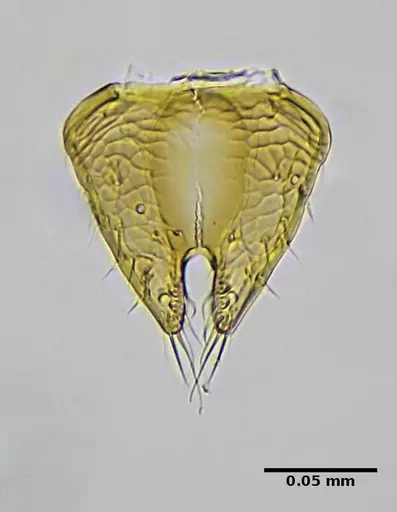
ANTWEB1032488
在 AntWeb 上查看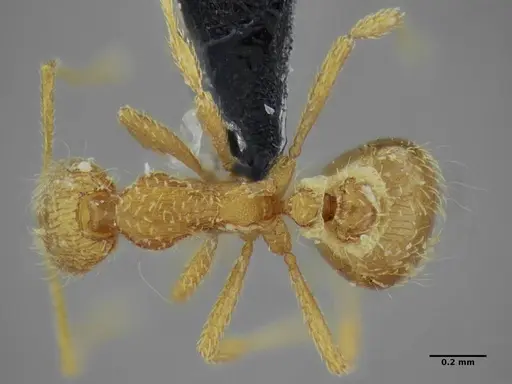
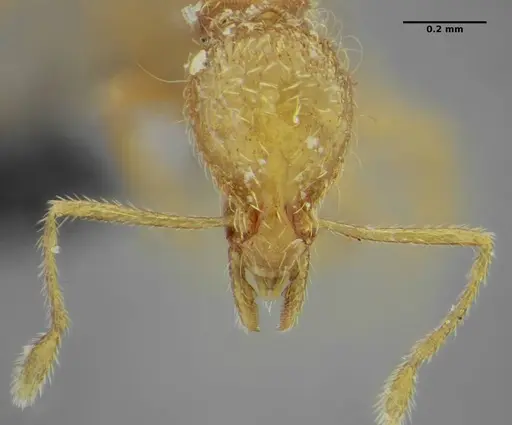
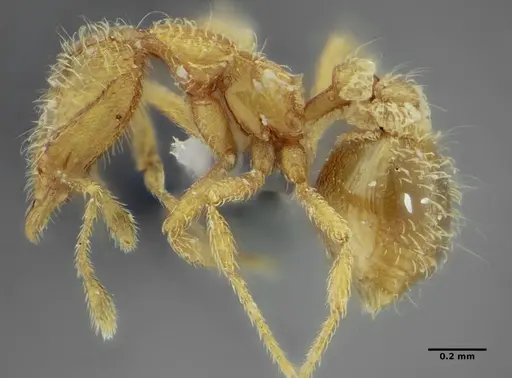
ANTWEB1041091
在 AntWeb 上查看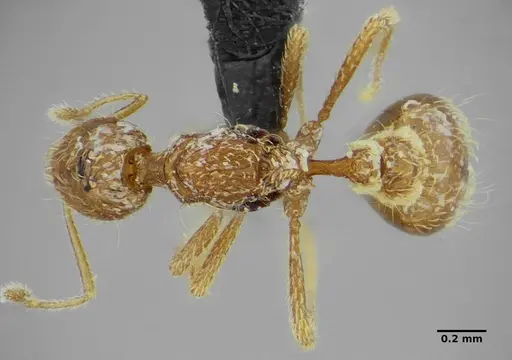
ANTWEB1041237
在 AntWeb 上查看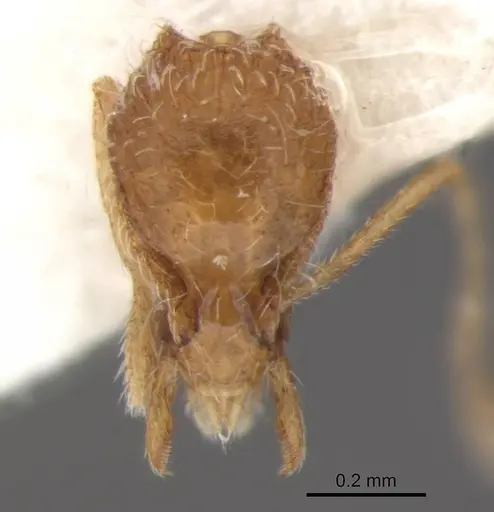
CASENT0900196
在 AntWeb 上查看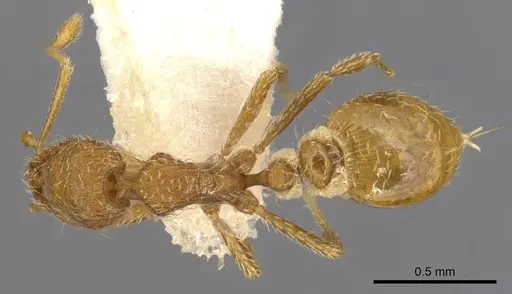
科学文献
正在加载分布地图...正在加载商品...