
Strumigenys alessandrae
- 学名
- Strumigenys alessandrae
- 族
- Attini
- 亚科
- Myrmicinae
- 命名者
- Rigato, 2006
- 地理分布
- 分布于 0 个国家/地区
物种引言
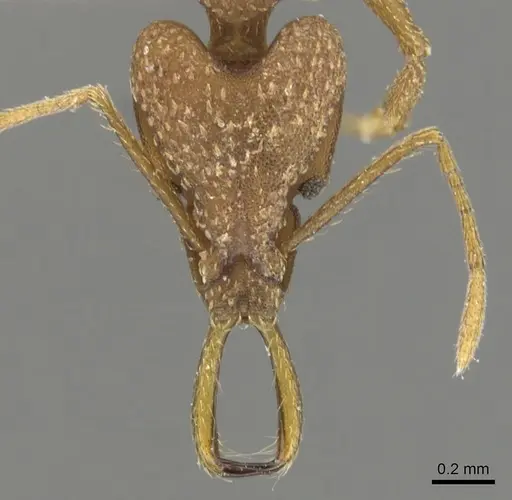
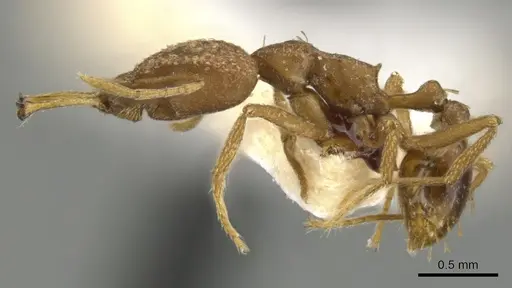
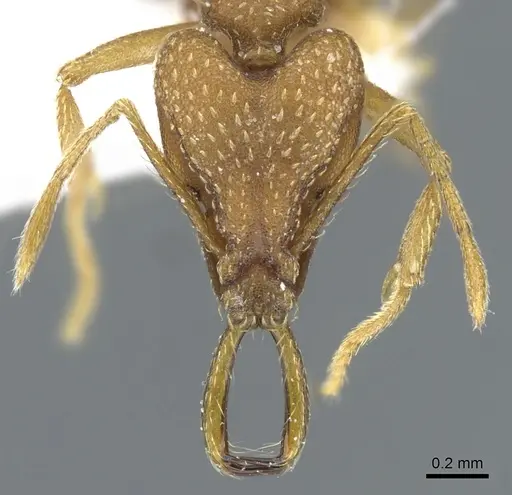
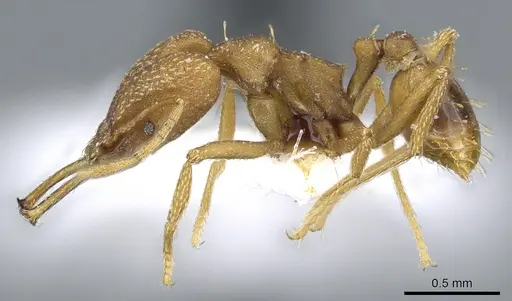
Strumigenys alessandrae is a small predatory ant from the highlands of Ethiopia, living in leaf litter at around 2000 m elevation . Workers measure 3.6 mm (total length) and have a slender body, unusually shaped mandibles (the left one has no preapical teeth, unique among Afrotropical Strumigenys), and a matte, finely sculptured exoskeleton . It is so distinct it may belong to its own species group . Described from just three workers collected in 2002 . Like most Strumigenys, it is a specialist predator of springtails and other tiny soil arthropods. Its slow, deliberate movements and unusual mandibles are adapted to precise strikes. Based on related species, this ant is cryptic and stays within the upper layers of the forest floor. It carries a functional stinger (typical of its subfamily) but is harmless to humans.
Quick Summary
- Difficulty: Expert
- Origin & Habitat: Ethiopia, Ilubador Region near Bedele (approx. 8°27′N 36°21′E), around 2000 m elevation, from leaf litter in secondary forest [1][2].
- Colony Type: Unknown. Colony structure has not been documented. Most Strumigenys are monogyne (single queen), but this is not confirmed for S. alessandrae.
- Size & Growth:
- Queen: Unknown, only workers have been described [1].
- Worker: 3.6 mm total length [1].
- Colony: Unknown, only three specimens known [1].
- Growth: Unknown, no development data exists.
- Development: Unknown, no breeding documented. (No data. Based on related Strumigenys, egg-to-worker might take 2-4 months at warm temperatures, but this is speculative.)
- Antkeeping:
- Temperature: Cooler conditions recommended, from 2000 m in Ethiopian highlands. Start around 20-22°C and observe. Avoid overheating.
- Humidity: High humidity required, leaf litter inhabitant from humid forest floor. Keep substrate moist but not waterlogged.
- Diapause: Likely required, highland species probably experiences seasonal cool periods. Expect a winter rest at 15-18°C for 2-3 months.
- Nesting: Naturalistic forest-floor setups with leaf litter and shallow substrate. Test tubes may work if fitted with moist substrate chambers.
- Behavior: Very cryptic and slow-moving. As a specialized springtail predator, they are not aggressive toward humans but will defend the nest. They have a functional stinger (like other Myrmicinae) but it is small and not medically significant. Escape risk is moderate, small enough to slip through gaps, so good escape prevention is needed.
- Common Issues: no biological data exists, captive care is entirely experimental, specialized diet (live springtails or similar micro-arthropods) is hard to maintain, colony growth is expected to be very slow, high humidity can cause mold if ventilation is poor, wild-caught colonies may carry parasites or fail to adapt
Housing and Nest Setup
Strumigenys alessandrae needs cool, humid conditions similar to Ethiopian highland forest floors. The best setup is a naturalistic terrarium with a shallow container of moist substrate (a mix of soil and rotting leaves). These ants likely nest in the top layers of leaf litter rather than digging deep chambers. If you use a formicarium, pick one with small chambers and add abundant moist substrate. A test tube can work if you modify it with a moist cotton chamber and maybe a small container of damp leaf litter. Avoid heating the whole enclosure, provide a gentle thermal gradient so the ants can pick their preferred temperature zone [1][2].
Feeding and Diet
This ant is a specialized predator. It will only eat live springtails (collembola) and other tiny soil arthropods like booklice, soil mites, or small fruit fly larvae. It cannot survive on sugar, honey, or dead insects. You must culture a steady supply of live springtails to keep the colony alive. Offer fresh prey every few days and remove any leftovers to prevent mold [2]. There is no research on exact feeding frequency, so observe your colony's hunger levels.
Temperature and Seasonal Care
Keep temperatures moderate, around 20-22°C is ideal, based on the highland collection site at 2000 m elevation. Avoid temperatures above 25°C, which can stress the ants. A seasonal cool period (winter rest) is likely beneficial. During winter you can lower temperatures to 15-18°C for 2-3 months. Since no experimental data exists, watch your colony's behavior: if workers become sluggish, it may be too cold, if they avoid heated areas, it may be too warm [1].
Behavior and Observation
Strumigenys alessandrae is extremely cryptic. Workers move slowly and deliberately, often staying motionless before snapping at prey. They have a functional stinger (like other Myrmicinae), but it is small and not a threat to humans. Though they are shy, you may see more activity in the evening. Checking for brood indicates the colony is healthy. Because they are so small and reclusive, try to disturb them as little as possible. Their sluggish movements make them unlikely to escape, but their size means they could slip through small gaps, so seal all openings [1][2].
Frequently Asked Questions
Can I keep Strumigenys alessandrae in a test tube?
Possibly, but a naturalistic terrarium with leaf litter is better. If using a test tube, provide a moist cotton chamber and consider adding a small dish of damp soil and leaves. Long-term success is more likely with a setup that mimics the forest floor [2].
What do Strumigenys alessandrae eat?
Only live springtails (collembola) and other tiny soil arthropods. They cannot eat sugar, honey, or dead insects. You must culture a constant supply of live springtails to keep them alive [2].
How long until first workers in Strumigenys alessandrae?
Unknown, no breeding has been documented. Based on related Strumigenys, egg-to-worker might take 2-4 months at optimal temperatures, but this is a guess.
Are Strumigenys alessandrae good for beginners?
No. This is an expert species due to its specialized diet (live springtails), high humidity needs, moderate temperature preference, and complete lack of documented captive breeding. Beginners should start with easier species like Lasius, Camponotus, or Messor.
How big do Strumigenys alessandrae colonies get?
Unknown, only three workers have ever been found [1]. Based on related Strumigenys, mature colonies probably stay under 100 workers.
Do Strumigenys alessandrae need hibernation?
Likely yes, the Ethiopian highland origin suggests seasonal temperature changes. A cool period (15-18°C for 2-3 months) during winter is probably beneficial, but this has not been confirmed [1].
Why is my Strumigenys alessandrae colony dying?
Most often: wrong food (anything other than live springtails), low humidity, temperatures above 25°C, or too much disturbance. Ensure a steady supply of live springtails and keep conditions humid and cool [2].
Can I keep multiple queens together?
Unknown, colony structure has not been documented. Do not combine unrelated queens until more is known.
When should I move them to a formicarium?
If you use a naturalistic setup, they may never need moving. If you must transfer, wait until the colony has at least 20-30 workers and is actively foraging. Always use a setup that allows humid leaf litter conditions [2].
Report an Issue
The current care sheet is based fully on literature. See inconsistencies, or something that's incorrect? Please , it will be resolved after review from an admin. Contributing to the blogs tab also helps providing information, to make us be able to further improve the caresheets. Thank you for your support!
References

此饲养指南授权协议为 CC BY-SA 4.0 .
社区博客
CASENT0900637
在 AntWeb 上查看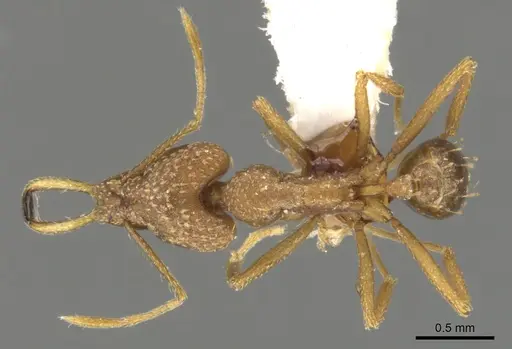
CASENT0904566
在 AntWeb 上查看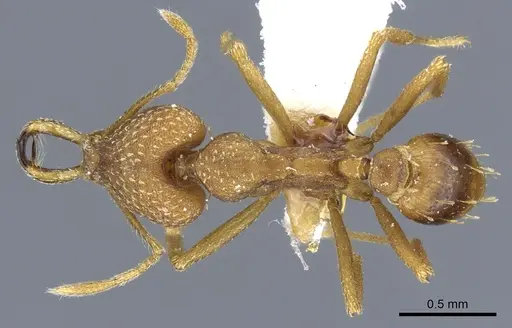
科学文献
正在加载分布地图...正在加载商品...