
Pseudoneoponera insularis
- 学名
- Pseudoneoponera insularis
- 族
- Ponerini
- 亚科
- Ponerinae
- 命名者
- Emery, 1889
- 地理分布
- 分布于 0 个国家/地区
物种引言
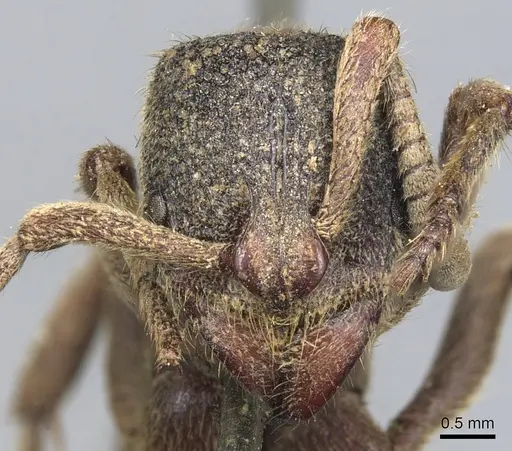
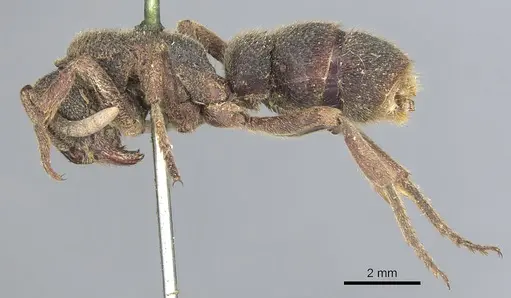
Pseudoneoponera insularis is a small ponerine ant native to the Indomalaya region, found across Borneo, Indonesia, Malaysia, Singapore, Sri Lanka, Vietnam, and also recorded from New Caledonia . Workers have the typical slender, elongated body form of Ponerinae and carry a powerful stinger. The species was originally described from Java, Indonesia, and has been reclassified several times between the genera *Bothroponera*, *Pachycondyla*, and finally *Pseudoneoponera* . What really sets *P. insularis* apart is its unusual social system. Most colonies do not have a traditional queen - instead, a single worker called a gamergate takes over reproduction. Winged queens can appear occasionally, but the vast majority of colonies rely on a gamergate. With only about 10 workers per colony, they are one of the smallest ant colonies known. New colonies are formed by fission (splitting), not by nuptial flights .
Quick Summary
- Difficulty: Hard
- Origin & Habitat: Tropical forests of the Indomalaya region: Borneo, Indonesia, Malaysia, Singapore, Sri Lanka, Vietnam [1]. Also recorded from New Caledonia [2]. In their native range they live in moist leaf litter and rotting wood.
- Colony Type: Mostly queenless colony with gamergates (reproductive workers). Most colonies have a single gamergate that reproduces, though winged queens exist in some colonies [1]. Colonies multiply through fission.
- Size & Growth:
- Queen: Unknown, winged queens exist but are rare, no size data available [1].
- Worker: Estimated ~5-7 mm total length based on related Ponerinae species (inferred from Pseudoneoponera genus).
- Colony: Extremely small, colonies reach only about 10 workers [1].
- Growth: Slow
- Development: Unknown, no specific data for this species, based on related Ponerinae, estimate 6-10 weeks at optimal temperature. (Development is likely slow given the tiny colony size and tropical distribution. The gamergate system may affect development patterns compared to queen‑right species.)
- Antkeeping:
- Temperature: Keep at 24-28 °C, these are tropical ants requiring warm, stable conditions. A heating cable on one side of the nest creates a gentle gradient.
- Humidity: Keep the nest substrate consistently moist but not waterlogged. High humidity is essential, aim for the substrate to feel damp to the touch. These ants naturally live in humid leaf‑litter environments.
- Diapause: No, as a tropical species, they do not need hibernation. Maintain warm conditions year‑round.
- Nesting: A naturalistic setup works best: shallow containers with moist soil/leaf litter, or a small plaster nest, soil nest, or 3D‑printed nest with tight chambers. Their tiny colony size means they need appropriately small spaces.
- Behavior: Ponerine ants are active predators with a functional stinger that can deliver a painful sting if threatened, though they are not aggressive toward keepers. Workers actively hunt small prey through the substrate. Their tiny colony size and cryptic lifestyle make them less visible than larger ants. Escape risk is moderate, they are not strong climbers but still need secure enclosures.
- Common Issues: tiny colony size makes them extremely vulnerable, even minor stress can wipe out a 10‑worker colony., no queen means colony recovery is impossible if the gamergate dies., high humidity requirements can lead to mold if ventilation is poor., slow growth tests keeper patience, colonies may stay at 5-10 workers for many months., difficult to establish wild‑caught colonies due to their specialized social structure.
Understanding the Gamergate System
Pseudoneoponera insularis is one of the few ant species where traditional queens are mostly replaced by gamergates, workers that become reproductive and take over egg‑laying [1]. Most colonies contain just one gamergate, but occasionally a winged queen can appear and found a colony normally [1]. Colonies multiply by fission (splitting), which makes the gamergate system efficient for establishing new groups without nuptial flights. For keepers, this means your colony has no obvious queen, the largest worker is likely the gamergate. If she dies, the colony cannot recover, making long‑term maintenance harder than with queen‑right species [1].
Housing and Nest Setup
Because colonies max out at around 10 workers, you need appropriately small housing [1]. A test tube setup works well for starting a colony, or you can use a small plaster nest, soil nest, or 3D‑printed nest with tight, narrow chambers. The nest must hold high humidity, these ants naturally live in moist leaf litter and rotting wood. Use a substrate that holds moisture, like a mix of soil and coco fiber. Provide a small outworld for foraging. Avoid large formicaria that make it hard for workers to find food and tend brood. A naturalistic setup with leaf litter on moist substrate mimics their habitat well.
Feeding and Diet
As a Ponerinae ant, P. insularis is predatory and needs live food [1]. Offer small prey like fruit flies, pinhead crickets, small mealworms, or other tiny arthropods. They actively hunt moving prey. Feed small amounts every few days and remove uneaten prey within 24 hours to prevent mold. They may occasionally accept protein gels or honey, but live prey should be the main diet. Their tiny colony means they need very little food, overfeeding is a common mistake that causes mold.
Temperature and Humidity Requirements
These tropical ants need warm, humid conditions year‑round. Keep temperatures at 24-28 °C, a heating cable on one side of the nest creates a gradient so ants can thermoregulate. Humidity should be high: keep the nest substrate consistently moist but not waterlogged. In dry conditions the colony will decline quickly. Mist the nest regularly and consider covering it with a damp cloth or using a humid setup. Unlike temperate species, P. insularis does not need diapause, maintain stable warmth all year [1].
Colony Maintenance and Challenges
The biggest challenge is the tiny colony size, with only about 10 workers, even minor problems can be catastrophic [1]. A colony this small has no buffer against losses. Stress from transport, poor humidity, or inadequate food can wipe them out quickly. Unlike queen‑right species, a gamergate colony cannot recover if the reproductive worker dies. Expect very slow growth, colonies may stay at 5-10 workers for many months. Patience is essential. Watch for mold, since the high humidity they need can encourage fungal growth.
Frequently Asked Questions
How long do Pseudoneoponera insularis live?
Colony lifespan is not well documented, but gamergate colonies can potentially live for several years if the gamergate stays healthy. Individual workers live several months. The colony’s life is tied to the gamergate, if she dies, the colony cannot replace her.
Can I keep multiple Pseudoneoponera insularis colonies together?
No, each colony is independent and would treat the other as foreign. In the wild, colonies reproduce by fission (splitting), not by merging. Keep colonies separate in their own enclosures.
Why is my Pseudoneoponera insularis colony not growing?
Extremely slow growth is normal, colonies max out at around 10 workers [1]. If your colony is declining, check humidity (should be high, substrate moist), temperature (24-28 °C), and food (live prey needed). Tiny colonies are very sensitive to environmental stress.
What makes Pseudoneoponera insularis different from other ants?
Most colonies are queenless, reproduction is handled by gamergates (reproductive workers) rather than a dedicated queen caste. Winged queens can occur occasionally, but the norm is a single gamergate per colony [1]. Their colonies are also extremely small, with only about 10 workers, making them one of the smallest ant colonies known.
How do I start a Pseudoneoponera insularis colony?
Wild‑caught colonies are the only option since they use gamergate reproduction. Look for colonies in leaf litter or rotting wood in their native range. Due to their tiny size and specialized needs, they are challenging to establish in captivity. Expect a colony to stay very small.
Are Pseudoneoponera insularis good for beginners?
No, they are considered difficult to keep. Their tiny colony size, need for high humidity, predatory diet, and the fact that they are mostly queenless (gamergate system) makes them challenging even for experienced antkeepers. Not recommended for beginners.
What do I do if my gamergate dies?
Unfortunately, if the gamergate dies, the colony cannot recover, gamergates cannot be replaced like queens in queen‑right species. The colony will gradually decline as existing workers age and die. This is a fundamental challenge of keeping gamergate species.
How often should I feed Pseudoneoponera insularis?
Feed small amounts of live prey every 2-3 days. Remove uneaten prey within 24 hours to prevent mold. Their tiny colony size means they need very little food, one small fruit fly or a tiny cricket fragment is often enough. Overfeeding is a common mistake.
Report an Issue
The current care sheet is based fully on literature. See inconsistencies, or something that's incorrect? Please , it will be resolved after review from an admin. Contributing to the blogs tab also helps providing information, to make us be able to further improve the caresheets. Thank you for your support!
References

此饲养指南授权协议为 CC BY-SA 4.0 .
社区博客
CASENT0903889
在 AntWeb 上查看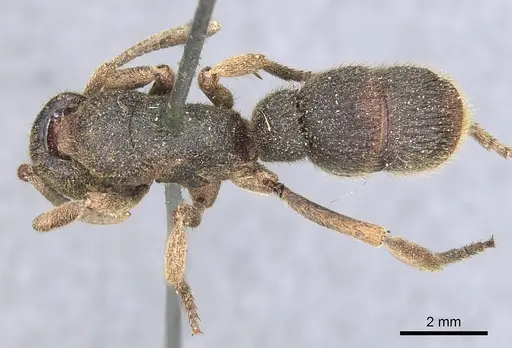
科学文献
正在加载分布地图...正在加载商品...