
Pseudolasius sauteri
- 学名
- Pseudolasius sauteri
- 族
- Lasiini
- 亚科
- Formicinae
- 命名者
- Forel, 1913
- 地理分布
- 分布于 0 个国家/地区
物种引言
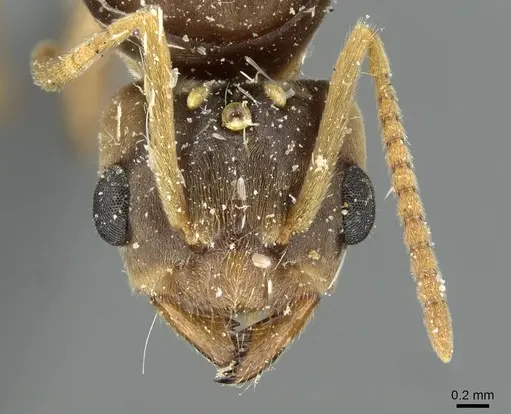
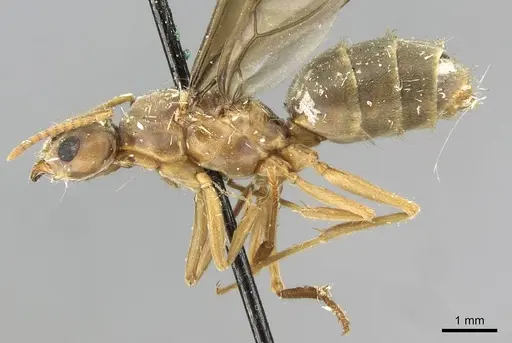
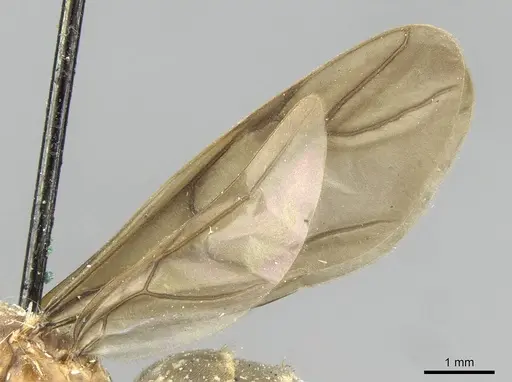
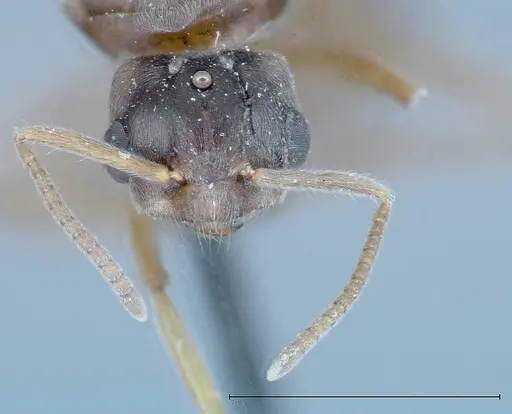
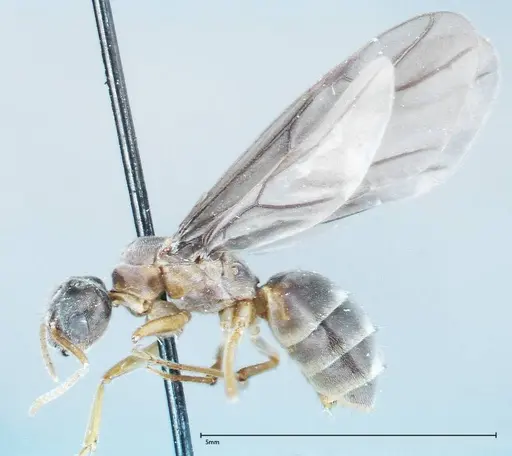
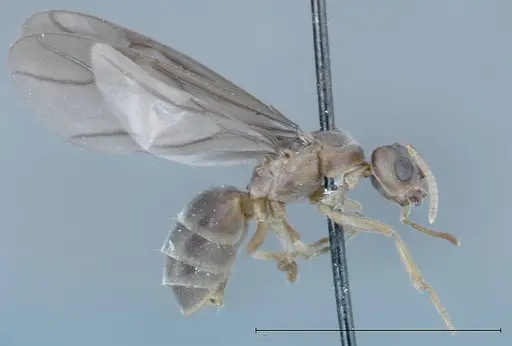
Pseudolasius sauteri is an ant species known only from Taiwan, described by Forel in 1913 based on a single queen . The queen measures 6.5-8.8 mm, has a brown body with reddish-yellow mandibles and antennae, and large convex eyes. Workers have never been described, and the species' taxonomic status remains unconfirmed . This species belongs to the Formicinae subfamily and Lasiini tribe, making it a relative of the common Lasius ants. The wings of the queen are dark brown, with matching veins and stigma . Despite being over a century since its description, virtually nothing is known about its natural history, colony structure, or behavior.
Quick Summary
- Difficulty: Unknown
- Origin & Habitat: Taiwan (Indomalaya Region), specific habitat preferences unconfirmed [2][3]
- Colony Type: Unconfirmed, only queen described, no colony structure data available
- Size & Growth:
- Queen: 6.5-8.8 mm [1]
- Worker: Unknown, workers have not been described
- Colony: Unknown, no colony data exists
- Growth: Unknown
- Development: Unknown, no development data exists for this species (Based on related Lasiini genera, expect around 6-10 weeks at optimal temperature, but this is an estimate.)
- Antkeeping:
- Temperature: Unconfirmed, start around 22-26°C and adjust based on colony activity. Related Lasiini species typically do well in moderate warmth.
- Humidity: Unconfirmed, Taiwan has a subtropical climate, so moderate to high humidity is likely appropriate. Keep nest substrate moist but not waterlogged.
- Diapause: Unknown, no seasonal data available for this species
- Nesting: Unconfirmed, no natural nesting observations exist. Related Pseudolasius species are typically subterranean, so a moist test tube or plaster nest with good humidity retention would be a reasonable starting point.
- Behavior: Behavior is unstudied in captivity. Based on genus placement in Lasiini, they are likely docile and non-aggressive, similar to Lasius species. Escape risk is moderate given queen size of 6.5-8.8 mm, standard test tube barriers should be adequate, but monitor for escapes.
- Common Issues: species identification uncertainty, this species was described from a single queen and its status remains to be confirmed, no captive breeding records exist, this is an extremely rare species in the antkeeping hobby, virtually no information on worker morphology or colony structure, diet preferences unknown, must be determined through trial and error, hibernation requirements unconfirmed, if kept, you'll need to observe seasonal behavior
Species Status and Identification
Pseudolasius sauteri was described by Dr. A. Forel in 1913 based on a queen collected from Taihorin in Taiwan [1]. The species was described from a female only, and its taxonomic status remains to be confirmed [2]. The queen measures 6.5-8.8 mm and has distinctive morphological features including very large convex eyes (nearly twice as long as the distance from the anterior margin of the head), a rectangular head that is narrower anteriorly than posteriorly, and a low wedge-shaped petiole [1]. The body is brown with reddish-yellow antennae and legs, covered in dense fine punctation and yellowish pubescence. This species bears some resemblance to Lasius brunneus but differs in pilosity, pubescence, mandible shape, and eye size [1]. Workers have never been described, making captive identification impossible.
Distribution and Habitat
Pseudolasius sauteri is known only from Taiwan in the Indomalaya Region [2][3]. The type locality is Taihorin, Taiwan, where the original queen was collected by H. Sauter [1]. No specific habitat information exists for this species. Taiwan has a subtropical climate with moderate temperatures and high humidity across most of the island. Based on related Pseudolasius species and the general biology of Lasiini ants, this species is likely subterranean, nesting in soil or under stones in shaded, moist areas. The lack of any substantial collection records suggests this is either a very rare species, a species that is difficult to collect, or potentially a taxonomic synonym that has been overlooked.
Keeping Pseudolasius sauteri
This is one of the most poorly documented ant species available for study, and there are no established captive care protocols. The queen was described in 1913,and no subsequent research has provided additional biological data. If you attempt to keep this species, treat care as experimental. Start with a standard test tube setup with a water reservoir, keeping moderate humidity. Temperature should be around 22-26°C, adjusting based on colony behavior if founding is successful. Offer sugar water and small protein sources (like fruit flies or small mealworm pieces) once workers emerge, and monitor acceptance closely. Given the complete lack of captive data, success with this species would represent a significant contribution to antkeeping knowledge. Document any founding attempts thoroughly.
Challenges and Considerations
Prospective keepers should understand the significant uncertainties involved with this species. The queen was described over 110 years ago, and no additional specimens or studies have been published. The species status itself remains unconfirmed, meaning the queen described by Forel may actually represent another known species or a new taxonomic entity. There are no established protocols, no known captive colonies, and no morphological descriptions of workers for comparison. This species is unsuitable for beginners, and even experienced keepers should approach with realistic expectations. If you successfully found a colony, documenting the process would be scientifically valuable. The primary value of this species is in contributing to biological knowledge rather than as a display species. [2][1]
Frequently Asked Questions
How do I care for Pseudolasius sauteri ants?
Care protocols are unestablished since this is an extremely rare species with no documented captive colonies. Start with standard test tube founding setup at 22-26°C with moderate humidity. Offer sugar water and small protein sources once workers emerge. This is experimental husbandry, expect to learn through trial and error.
What does Pseudolasius sauteri look like?
Queens measure 6.5-8.8 mm with brown body coloration, reddish-yellow antennae and legs, and large convex eyes. The head is rectangular with pointed posterior corners. Workers have never been described. The species resembles Lasius brunneus but differs in eye size, mandible shape, and pilosity [1].
Where is Pseudolasius sauteri found?
This species is known only from Taiwan, specifically the Taihorin region. It was collected by H. Sauter in 1913,and no additional specimens have been documented since [1][2].
Is Pseudolasius sauteri good for beginners?
No. This species is completely unestablished in captivity, with no care protocols, no worker descriptions, and no documented captive colonies. It is not suitable for beginners, and even experienced keepers should expect significant challenges.
How long do Pseudolasius sauteri queens live?
Unknown, no captive data exists for this species. Related Lasiini species typically live several years, but specific lifespan data does not exist for Pseudolasius sauteri.
What do Pseudolasius sauteri eat?
Diet is unconfirmed. Based on related Lasiini genus (Lasius), they likely accept sugar sources (honey, sugar water) and protein (insects). Start with these basics and observe acceptance.
Can I keep multiple Pseudolasius sauteri queens together?
Unknown, colony structure has never been documented for this species. Do not attempt combining unrelated queens without evidence they can found pleometrotically.
Does Pseudolasius sauteri need hibernation?
Unknown, no seasonal data exists. Taiwan has mild winters, so any dormancy requirement would likely be minimal if present. Monitor colony behavior for signs of seasonal slowing.
Why is there so little information about Pseudolasius sauteri?
The species was described from a single queen in 1913 and has rarely been collected since. Its taxonomic status remains unconfirmed [2]. This combination of factors has resulted in over a century of minimal research attention.
Report an Issue
The current care sheet is based fully on literature. See inconsistencies, or something that's incorrect? Please , it will be resolved after review from an admin. Contributing to the blogs tab also helps providing information, to make us be able to further improve the caresheets. Thank you for your support!
References

此饲养指南授权协议为 CC BY-SA 4.0 .
社区博客
CASENT0910991
在 AntWeb 上查看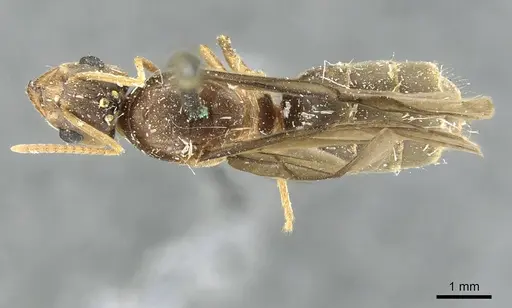
FOCOL0134
在 AntWeb 上查看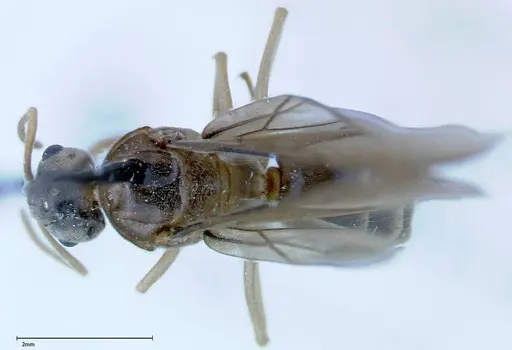
科学文献
正在加载分布地图...正在加载商品...