
Proformica dolichocephala
- 学名
- Proformica dolichocephala
- 族
- Formicini
- 亚科
- Formicinae
- 命名者
- Kuznetsov-Ugamsky, 1927
- 地理分布
- 分布于 0 个国家/地区
物种引言
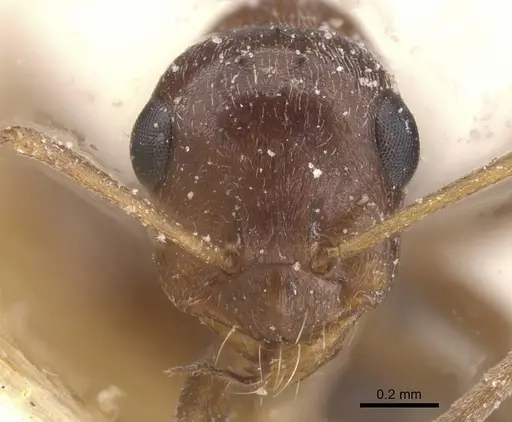
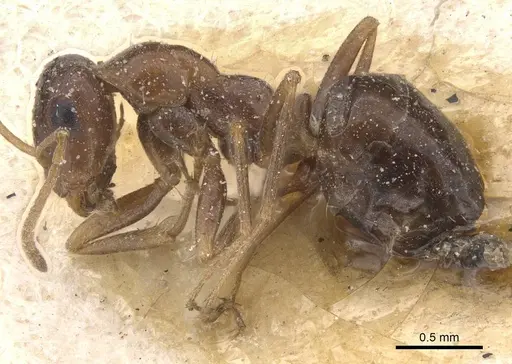
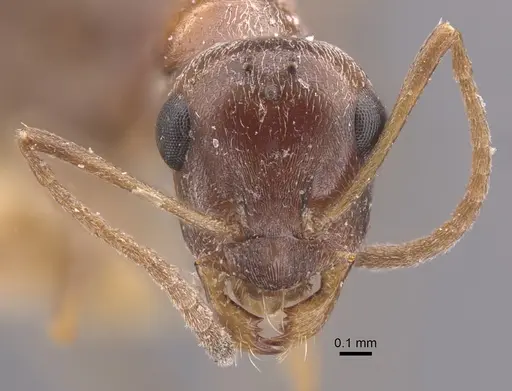
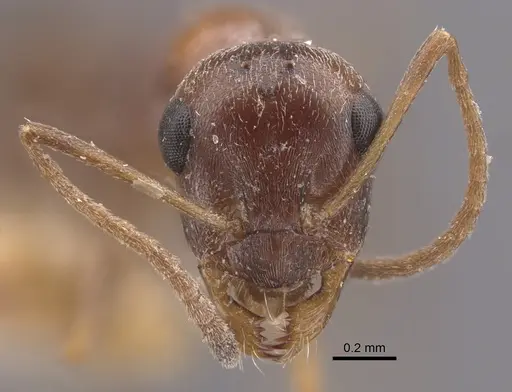
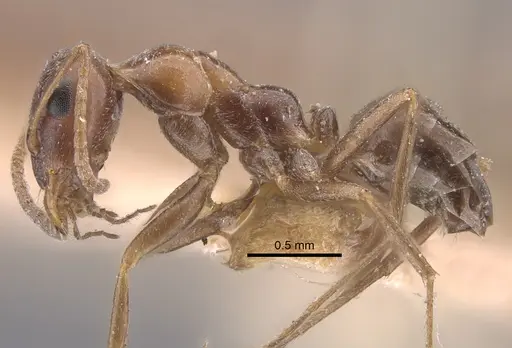
Proformica dolichocephala is a small to medium-sized ant species with a distinctive reddish alitrunk that contrasts sharply with its dark head and gaster . It is found in the Palaearctic region, specifically northwestern China and Kazakhstan, inhabiting loess desert and steppe environments with loose, well-drained soils . Size data is unavailable as no total length measurements are provided in the research. This species is notable for its adaptation to dry, open habitats and its recognition by coloration contrast, making it a unique choice for antkeepers interested in Palaearctic ants.
Quick Summary
- Difficulty: Medium
- Origin & Habitat: Palaearctic region, northwestern China and Kazakhstan, in loess desert/steppe habitats with loose soils [1][2].
- Colony Type: Unconfirmed colony structure. No specific research documents queen number or social structure for this species.
- Size & Growth:
- Queen: size data unavailable
- Worker: size data unavailable
- Colony: Unknown, no colony size data available
- Growth: Unknown, no growth rate data available
- Development: Estimated 6-10 weeks based on typical Formicinae development patterns (Development time is inferred from genus-level patterns, actual time may vary with temperature.)
- Antkeeping:
- Temperature: Based on the loess desert habitat [2], keep at 22-26°C with a temperature gradient for self-regulation.
- Humidity: Based on the dry habitat [2], keep humidity low to moderate, allow substrate to dry between waterings and provide a small water source.
- Diapause: Yes, based on geographic range [1][2], likely requires winter diapause for 3-4 months at 5-10°C.
- Nesting: Based on habitat [2], natural nesting in soil, in captivity, use well-drained nests like Y-tong (AAC) or sandy substrates to mimic steppe conditions.
- Behavior: Workers are active foragers. As Formicinae, they lack a sting and defend by spraying formic acid. Escape risk is moderate, use standard barrier techniques.
- Common Issues: colonies may fail if kept too humid, this species is adapted to dry conditions, hibernation failure can occur, ensure proper cold period during winter, slow growth may frustrate keepers, be patient with this species, wild-caught colonies may have parasites, quarantine new colonies, founding can be challenging, claustral founding is typical for Formicinae but unconfirmed for this species
Housing and Nest Setup
Proformica dolichocephala naturally nests in soil in open, sunny desert and steppe habitats [2]. In captivity, provide a well-drained setup like a Y-tong (AAC) nest or a naturalistic terrarium with sandy substrate to mimic loess conditions. Keep nest chambers relatively dry, as this species is adapted to dry environments. Provide a shallow water tube or cotton ball for drinking. The outworld should be simple with minimal decorations for ground-nesting foragers.
Feeding and Diet
Like most Formicinae, these ants are likely omnivorous. Offer small insects like fruit flies or mealworms for protein 2-3 times per week, and provide a constant sugar source such as sugar water or honey. Remove uneaten prey after 24 hours to prevent mold.
Temperature and Seasonal Care
Maintain temperatures around 22-26°C during the active season, with a gradient for self-regulation. During winter, provide a 3-4 month diapause at 5-10°C, as this species originates from regions with cold winters [1][2]. Skipping hibernation can harm colony health.
Behavior and Defense
Workers are active foragers. As Formicinae, they spray formic acid for defense instead of stinging. They may show moderate aggression when defending the nest but are not typically aggressive toward humans. Handle with care and wash hands after maintenance.
Colony Development
Little is known about specific development. Based on typical Formicinae patterns, first workers may emerge 6-10 weeks after founding at optimal temperatures. Initial colonies grow slowly, and patience is key during founding.
Frequently Asked Questions
How long does it take for Proformica dolichocephala to produce first workers?
Based on typical Formicinae development, first workers may emerge 6-10 weeks after founding at around 24°C. This is an estimate since specific data is unavailable.
What temperature do Proformica dolichocephala need?
Keep them at 22-26°C during the active season with a temperature gradient. Based on their habitat [2], they require a winter diapause at 5-10°C for 3-4 months.
Can I keep multiple queens together?
Not recommended without more information. The colony structure is unconfirmed for this species, so keep one queen per colony until data is available.
What do Proformica dolichocephala eat?
They are omnivorous. Offer small insects for protein and a constant sugar source like sugar water or honey.
Do they need hibernation?
Yes, based on their geographic range in Kazakhstan and northern China [1][2], they likely require 3-4 months of cold diapause at 5-10°C during winter.
Are Proformica dolichocephala good for beginners?
This species is rated medium difficulty due to limited specific care information and the need for proper hibernation. Beginners should ensure they can provide the required cold period.
How big do colonies get?
The maximum colony size is unknown as no research documents it. Based on related species, colonies may grow to several hundred workers over time.
What humidity level do they need?
Keep humidity low to moderate, as this species is adapted to dry loess desert habitats [2]. Allow substrate to dry between waterings and provide a water source without constant moisture.
When should I move them to a formicarium?
Wait until the colony has at least 20-30 workers or outgrows the test tube. A Y-tong nest is suitable for this ground-nesting species.
Report an Issue
The current care sheet is based fully on literature. See inconsistencies, or something that's incorrect? Please , it will be resolved after review from an admin. Contributing to the blogs tab also helps providing information, to make us be able to further improve the caresheets. Thank you for your support!
References

此饲养指南授权协议为 CC BY-SA 4.0 .
社区博客
CASENT0912271
在 AntWeb 上查看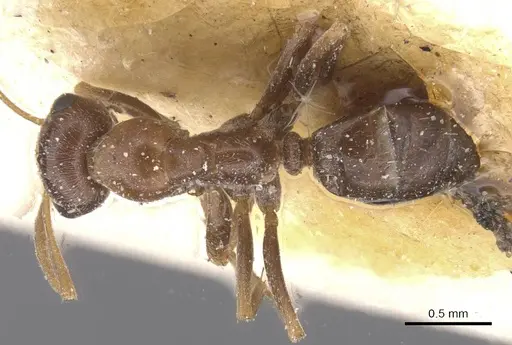
CASENT0917330
在 AntWeb 上查看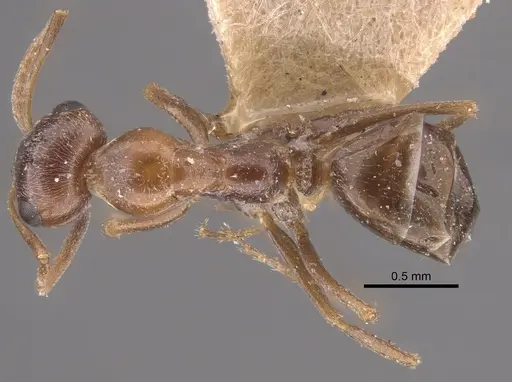
科学文献
正在加载分布地图...正在加载商品...