
Proformica coriacea
- 学名
- Proformica coriacea
- 族
- Formicini
- 亚科
- Formicinae
- 命名者
- Kuznetsov-Ugamsky, 1927
- 地理分布
- 分布于 0 个国家/地区
物种引言
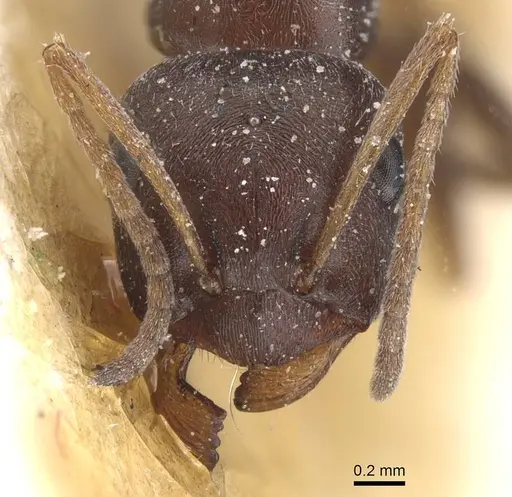
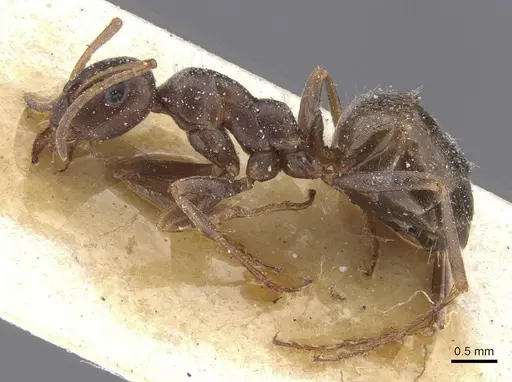
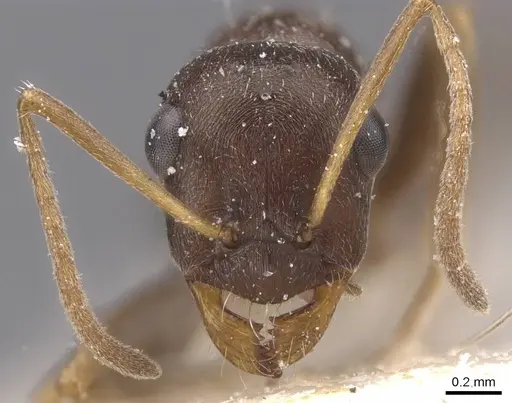
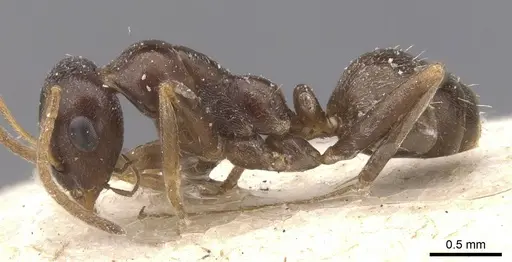
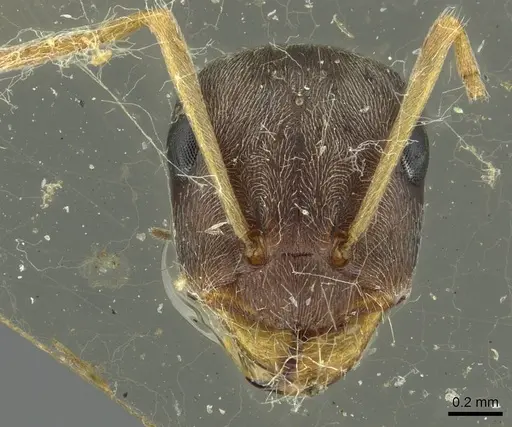
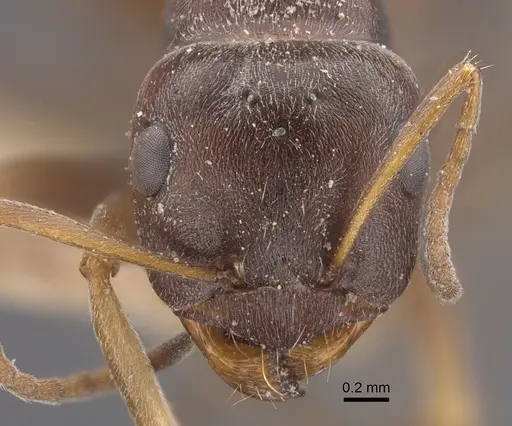
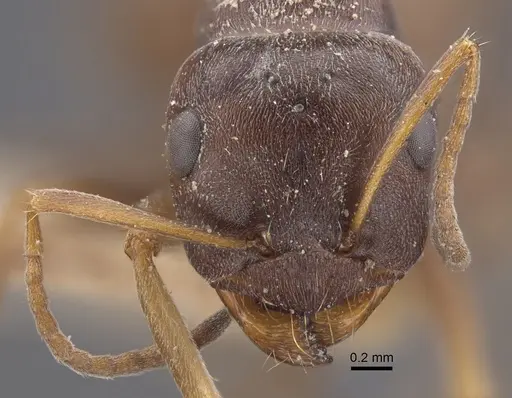
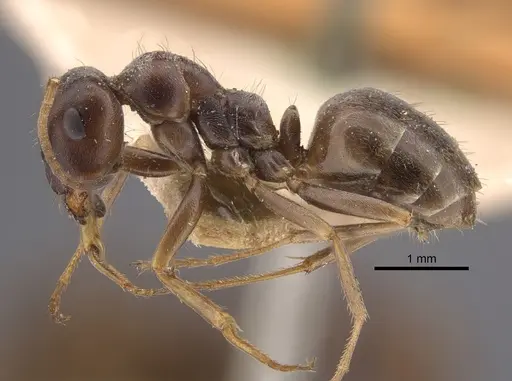
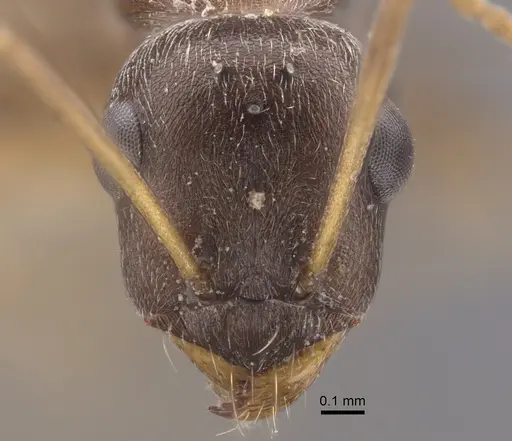
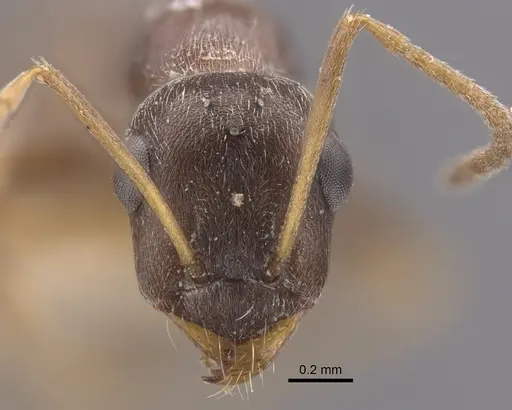
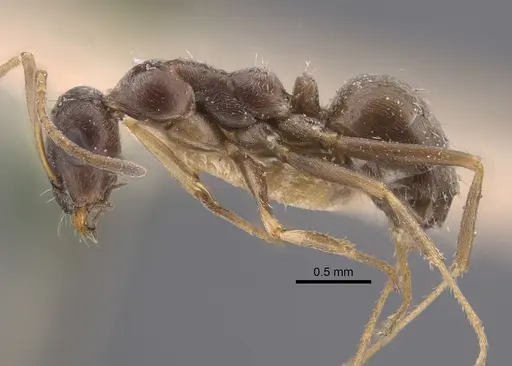
Proformica coriacea is a small to medium-sized ant native to Central Asia, found in Kazakhstan, Kyrgyzstan, Mongolia, northern China, and Russia . Workers are dark brown to black, but precise measurements are not documented. This species belongs to the Formicinae subfamily, making them relatives of the well-known Formica ants. What makes Proformica coriacea stand out is its unusual habitat flexibility. In northwestern China, it was found only in disturbed human-associated sites like sheep farms and not in any natural habitats . It also occupies low-altitude desert and steppe regions in Mongolia, specifically the Depression of Great Lakes and Alashan Gobi at 600–800 m . This ability to thrive in both arid natural zones and human-altered landscapes suggests a resilient, adaptable species.
Quick Summary
- Difficulty: Hard
- Origin & Habitat: Central Asia – Kazakhstan, Kyrgyzstan, Mongolia, northern China, and Russia [1][2][3]. Inhabits desert and steppe at low altitudes (600–800 m) in the Depression of Great Lakes and Alashan Gobi regions of Mongolia [5][6]. Also recorded from disturbed areas like sheep farms in China [4]. Biogeographically categorized as Central Asian and Iran-Turanian [5].
- Colony Type: Colony structure is unconfirmed – no scientific data available on queen number or social organization.
- Size & Growth:
- Queen: Unknown – not documented.
- Worker: Unknown – not documented.
- Colony: Unknown – no colony size data available.
- Growth: Unknown – no data.
- Development: Unknown – no direct measurements. Estimate 6–10 weeks at warm temperatures based on related Formicini, but this is highly uncertain. (Development timeline is unconfirmed. No research exists for this species.)
- Antkeeping:
- Temperature: Based on their desert/steppe habitat [5], they likely prefer warm conditions. Keep the nest at 22–26 °C during the active season, with a gradient for self-regulation. Reduce to 15–18 °C during winter rest. No direct research available.
- Humidity: Their arid origins suggest low to moderate humidity. Keep the nest substrate mostly dry with one small moist area. Provide a water tube as the primary moisture source. Avoid any waterlogging.
- Diapause: Likely required – Central Asian latitudes imply a winter dormancy. Expect a 3–4 month diapause at 5–10 °C. Inferred from geographic range, not directly studied.
- Nesting: In nature they likely nest in soil under stones or in compact ground. In captivity, a Y‑tong (AAC) or plaster nest with low humidity works well. Provide narrow chambers scaled to their unknown size.
- Behavior: Behavior is poorly documented. As a Formicini, they defend with formic acid spray (no sting). Proformica species are generally less aggressive than Formica. Escape risk can’t be assessed without worker size – assume standard precautions. Their presence in disturbed habitats suggests tolerance to environmental variation.
- Common Issues: no development data makes timing first worker emergence difficult – patience is key, winter diapause requirements are uncertain – monitor colony for stress, humidity balance is tricky without clear data – start dry and adjust based on colony health, limited availability in the ant trade – wild-caught colonies may carry parasites, all care advice is provisional – keepers may need to experiment
Natural Habitat and Distribution
Proformica coriacea ranges across Kazakhstan, Kyrgyzstan, Mongolia, northern China, and Russia [1][2][3]. In Mongolia it is found in the Depression of Great Lakes and Alashan Gobi at altitudes of 600–800 m [5]. The type locality is the Ak‑Tasch mountains northeast of Tashkent at about 3800 ft [7]. Unusually, in northwestern China it was recorded only in a disturbed sheep farm and not in any surrounding natural habitats, suggesting it may be a specialist of human‑altered environments [4]. Biogeographically it is considered Central Asian and Iran‑Turanian [5].
Nest Preferences and Housing
No direct nesting observations are published. Based on typical Formicini behavior in arid regions, they likely nest in soil under stones or in compact ground. In captivity, a Y‑tong (AAC) or plaster nest provides the right balance of low humidity. Keep the nest mostly dry, with only a small moist area (e.g., a water tube at one end). Avoid any damp conditions. Chamber size should be scaled to the ants, but since worker size is unknown, start with narrow tunnels (approx. 3–5 mm wide) and adjust if needed.
Temperature and Seasonal Care
Their Central Asian range includes hot summers and freezing winters [5][1]. For captive colonies, keep the nest at 22–26 °C during the active season, using a heating cable on one side to create a gradient. A winter diapause of 3–4 months at 5–10 °C is likely required, though not directly studied. Place the colony in a cool room (basement, garage) and ensure some moisture remains – do not feed during this period.
Feeding and Diet
Diet has not been studied. As a member of the Formicini tribe, they are probably omnivorous – accepting sugar sources (honey water, sugar water) and protein (small insects like fruit flies, crickets). Their presence near sheep farms suggests they may scavenge human food scraps [4]. In captivity, offer a constant sugar source and provide protein prey 2–3 times per week. Remove uneaten food after 24 h to avoid mold.
Colony Development and Growth
This is the least documented aspect of Proformica coriacea. No scientific data exist on queen size, worker size, colony size, or development time. All published care information is inferred from related Formicini and must be treated as speculative. Be patient with founding queens – they may remain sealed for months before first workers appear. Growth rate is unknown but likely moderate. There are no records of colony size, estimates of “several hundred workers” are guesses.
Behavior and Temperament
Specific behavior has not been recorded. As a Formicini, Proformica coriacea defends itself by spraying formic acid – it has no sting. Proformica species are generally less aggressive than Formica. Workers are ground‑nesters and probably form foraging trails. Their association with disturbed habitats suggests they tolerate moderate disturbance. Escape risk cannot be assessed without worker size, use standard barriers (fluon, tight lid). They are not invasive.
Frequently Asked Questions
How long does it take for Proformica coriacea to produce first workers?
The egg‑to‑worker time is unknown. Based on related Formicini, estimate 6–10 weeks at 24–26 °C, but this is highly uncertain. Be patient – claustral queens may take months before nanitics appear.
What temperature do Proformica coriacea need?
During the active season, keep the nest at 22–26 °C with a gradient. For winter, provide a 3–4 month diapause at 5–10 °C. These recommendations are based on their natural habitat, not direct research.
Do Proformica coriacea need hibernation?
Yes, hibernation is likely necessary given their Central Asian distribution. Provide a 3–4 month rest period at 5–10 °C. Keep a small water source available but do not feed.
What do Proformica coriacea eat?
Specific diet is undocumented. As Formicini, they likely accept sugar water and small insects. Offer honey water or sugar water constantly, and provide protein prey (fruit flies, small mealworms) 2–3 times per week. Remove leftovers promptly.
How big do Proformica coriacea colonies get?
Maximum colony size is unknown. No research reports colony sizes for this species. Based on related Formicini, they may reach hundreds of workers over several years, but this is speculative.
Can I keep multiple Proformica coriacea queens together?
Colony structure is unconfirmed. Most Proformica are thought to be monogyne, so combining queens is not recommended. No studies document pleometrosis or polygyny in this species.
Are Proformica coriacea good for beginners?
Difficulty is rated Hard. The lack of documented care means you’ll need to experiment. Not ideal for a first ant, but manageable for intermediate keepers who are patient and willing to adapt.
What humidity level do Proformica coriacea need?
From their desert origins, they prefer low to moderate humidity. Keep the nest substrate mostly dry, with a small moist area (e.g., a water tube). Avoid any dampness.
When do Proformica coriacea have nuptial flights?
Flight timing is unknown. Based on the Central Asian climate, flights likely occur in late spring to summer (May–July), but this is speculative.
What type of nest is best for Proformica coriacea?
A Y‑tong (AAC) or plaster nest works well. They prefer low humidity, so avoid overly moist setups. Provide narrow chambers – start with tunnels about 3–5 mm wide.
Where is Proformica coriacea found in the wild?
Central Asia: Kazakhstan, Kyrgyzstan, Mongolia, northern China, and Russia. They inhabit desert and steppe at 600–800 m, and also disturbed sites like sheep farms [4][5][1].
Report an Issue
The current care sheet is based fully on literature. See inconsistencies, or something that's incorrect? Please , it will be resolved after review from an admin. Contributing to the blogs tab also helps providing information, to make us be able to further improve the caresheets. Thank you for your support!
References

此饲养指南授权协议为 CC BY-SA 4.0 .
社区博客
CASENT0912269
在 AntWeb 上查看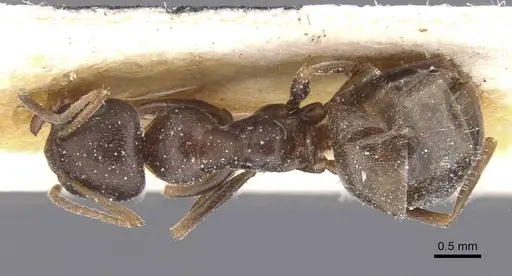
CASENT0912270
在 AntWeb 上查看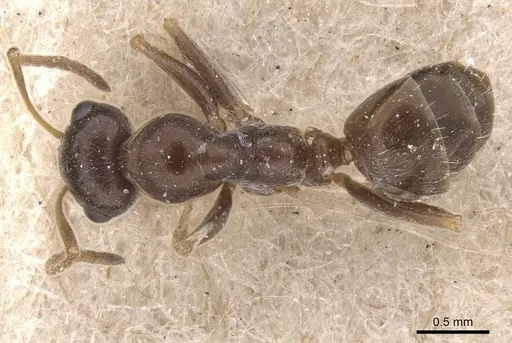
CASENT0913643
在 AntWeb 上查看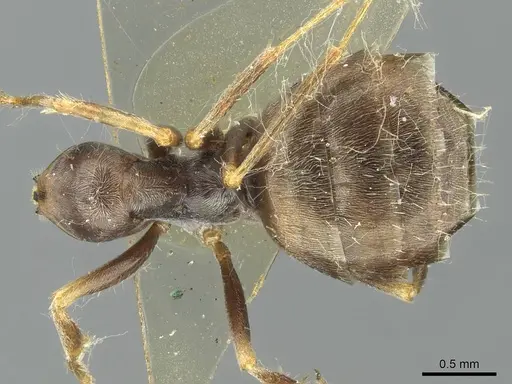
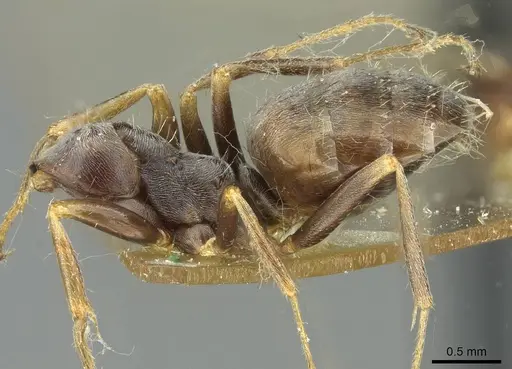
CASENT0916584
在 AntWeb 上查看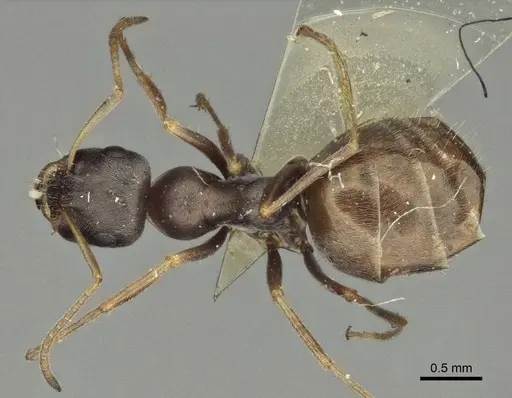
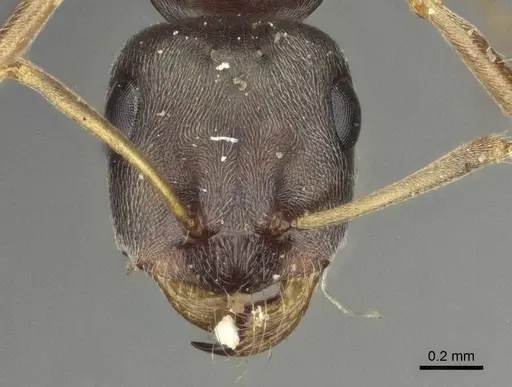
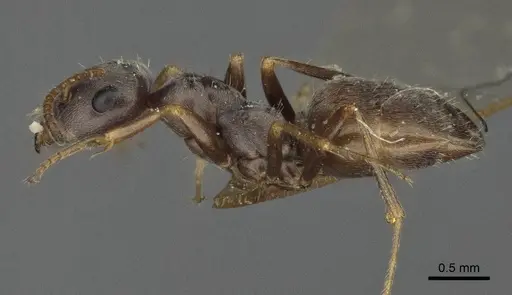
CASENT0917328
在 AntWeb 上查看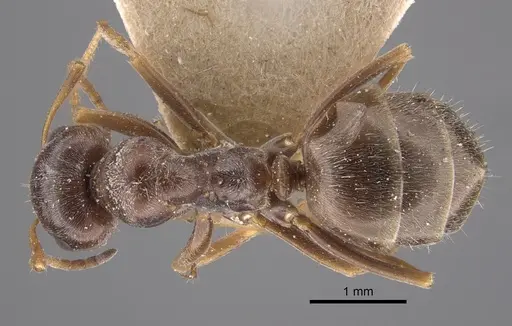
CASENT0917329
在 AntWeb 上查看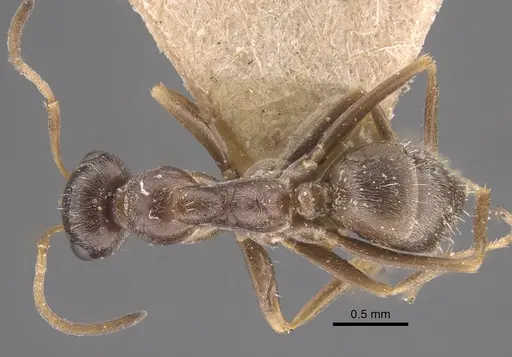
科学文献
正在加载分布地图...正在加载商品...