
Polyrhachis nitida
- 学名
- Polyrhachis nitida
- 亚属
- Myrmhopla
- 族
- Camponotini
- 亚科
- Formicinae
- 命名者
- Smith, 1857
- 地理分布
- 分布于 0 个国家/地区
物种引言
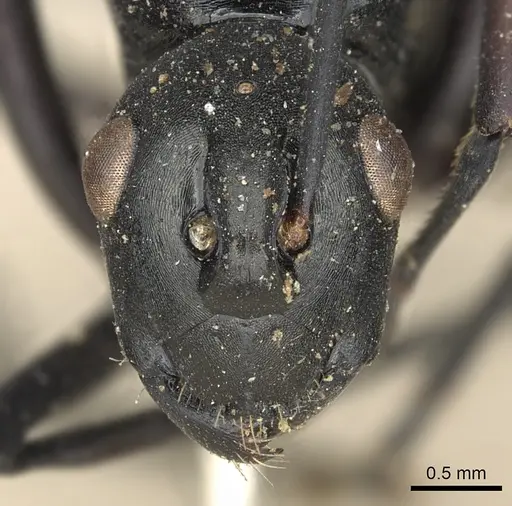
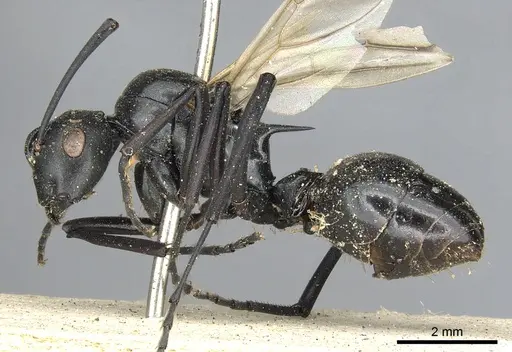
Polyrhachis nitida is a tropical ant species from the subgenus Myrmhopla, originally described by Frederick Smith in 1857 from Borneo. Queens measure approximately 8.5 mm , and workers are smaller. This species is found in tropical forests of Borneo, Malaysia, and Indonesia . Polyrhachis ants are known for their spiny appearance and arboreal habits, and they defend themselves by spraying formic acid, as typical for Formicinae. As part of the Myrmhopla subgenus, P. nitida exhibits distinctive morphology and often inhabits elevated locations in forests. They are active foragers with moderate colony sizes, though specific care data is limited.
Quick Summary
- Difficulty: Medium
- Origin & Habitat: Native to Borneo, Malaysia, and Indonesia in tropical forests [2][3].
- Colony Type: Based on Polyrhachis patterns, likely monogyne (single queen), but unconfirmed for this species [3].
- Size & Growth:
- Queen: ~8.5 mm [1]
- Worker: Size data unavailable, but inferred from Polyrhachis genus to be approximately 7 mm [3]
- Colony: Unknown, no specific data on colony size for this species.
- Growth: Moderate, inferred from related Polyrhachis species.
- Development: Estimated 6-10 weeks at optimal temperatures, based on Formicinae patterns. (Development time may vary with temperature and conditions.)
- Antkeeping:
- Temperature: Keep at 24-28°C, based on tropical habitat.
- Humidity: Maintain moderate to high humidity, keep nest substrate consistently damp but not waterlogged.
- Diapause: No, tropical species do not require diapause.
- Nesting: Prefers arboreal nesting setups, use Y-tong nests or similar with vertical space [3].
- Behavior: Polyrhachis nitida workers are active foragers with moderate aggression. They defend by spraying formic acid. Escape risk is moderate due to their size, ensure tight lids on outworld.
- Common Issues: humidity control is critical, too dry can stall colony, too wet can cause mold, temperature drops below 20°C can harm brood, limited species-specific data requires keepers to monitor colony response, wild-caught colonies may carry parasites, slow initial growth may lead to overfeeding if not monitored
Housing and Nest Setup
Use a Y-tong (AAC) nest or similar for P. nitida, as they prefer arboreal setups with vertical space. Keep the nest area dark and humid, while the outworld should be dry and accessible. Maintain consistent moisture without flooding, using a water reservoir or manual misting [3]. Avoid temperature fluctuations by placing the nest away from windows.
Feeding and Diet
Polyrhachis nitida is omnivorous. Offer constant sugar sources like honey water or diluted syrup. Provide protein foods such as fruit flies or small crickets 2-3 times per week. They are active hunters and will take live prey [3]. Remove uneaten food after 24-48 hours to prevent mold.
Temperature and Seasonal Care
Maintain temperatures between 24-28°C for optimal growth. Temperatures below 20°C can slow development and harm brood. Use a gentle heat gradient if needed, but avoid direct heat. This tropical species does not require diapause and remains active year-round.
Humidity Management
Aim for moderate to high humidity in the nest, keeping the substrate consistently damp but not waterlogged. Too much moisture causes mold, while too little stalls colony growth. Observe worker behavior to adjust humidity levels.
Colony Development and Growth
Founding behavior is unconfirmed, but queens may seal themselves in a chamber to lay eggs. First workers typically emerge within 6-10 weeks at warm temperatures. Growth is moderate, colonies may reach several hundred workers over time with proper care [3]. Patience is key, as Polyrhachis colonies often grow slowly.
Frequently Asked Questions
How long does it take for Polyrhachis nitida to produce first workers?
Expect first workers to emerge 6-10 weeks after queen lays eggs, assuming temperatures around 26°C. This is estimated from Formicinae patterns.
What do Polyrhachis nitida ants eat?
They are omnivorous. Offer sugar sources like honey water constantly, and protein foods like small insects 2-3 times per week [3].
What temperature is best for Polyrhachis nitida?
Keep them at 24-28°C. This tropical species is sensitive to cold and performs best in warm, stable conditions.
Is Polyrhachis nitida good for beginners?
This species is rated as Medium difficulty. It requires attention to humidity and temperature, so beginners should be comfortable with these conditions.
How big do Polyrhachis nitida colonies get?
Colony size is unknown, but inferred from Polyrhachis patterns to reach several hundred workers [3].
Do Polyrhachis nitida need hibernation?
No, as a tropical species, they do not require diapause and remain active year-round.
Can I keep multiple Polyrhachis nitida queens together?
Not recommended. Based on Polyrhachis patterns, they are likely monogyne, and combining queens may lead to fighting [3].
What humidity level do Polyrhachis nitida need?
Maintain moderate to high humidity, keeping the nest substrate damp but not waterlogged.
When should I move Polyrhachis nitida to a formicarium?
Wait until the colony has at least 20-30 workers and is actively foraging. Move too early can stress the colony.
Report an Issue
The current care sheet is based fully on literature. See inconsistencies, or something that's incorrect? Please , it will be resolved after review from an admin. Contributing to the blogs tab also helps providing information, to make us be able to further improve the caresheets. Thank you for your support!
References

此饲养指南授权协议为 CC BY-SA 4.0 .
社区博客
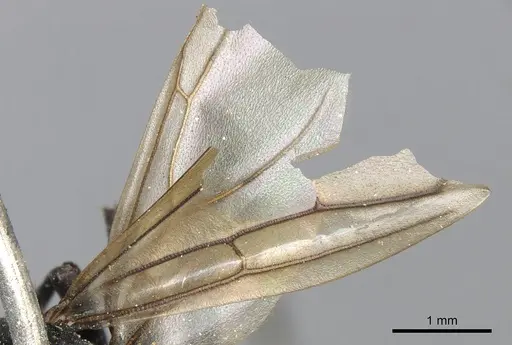
CASENT0901851
在 AntWeb 上查看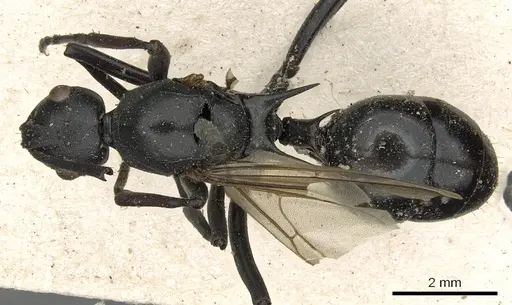
科学文献
正在加载分布地图...正在加载商品...