
Polyrhachis nigrita
- 学名
- Polyrhachis nigrita
- 亚属
- Myrma
- 族
- Camponotini
- 亚科
- Formicinae
- 命名者
- Mayr, 1895
- 地理分布
- 分布于 0 个国家/地区
物种引言
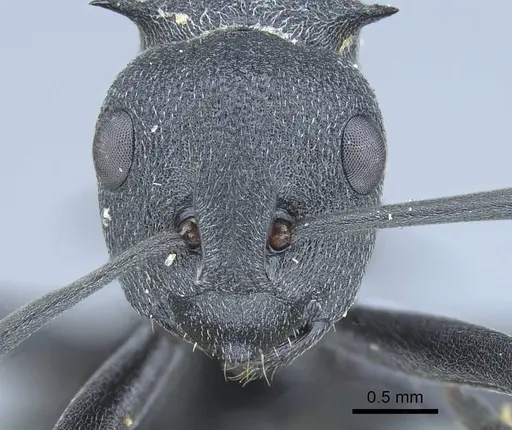
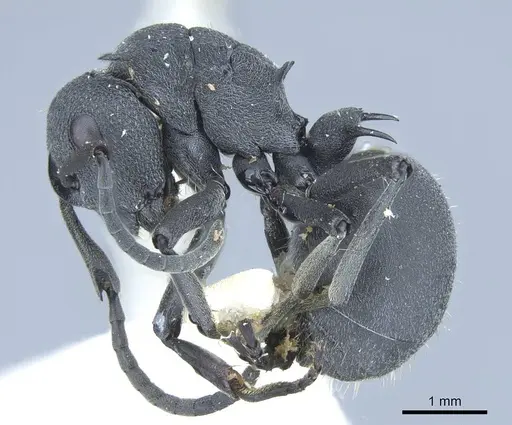
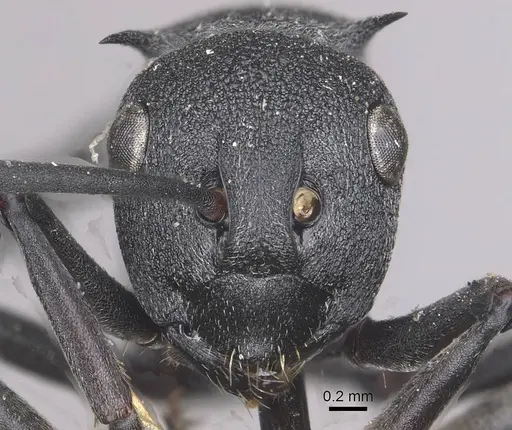
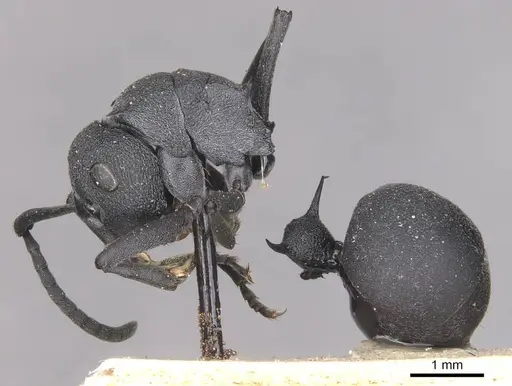
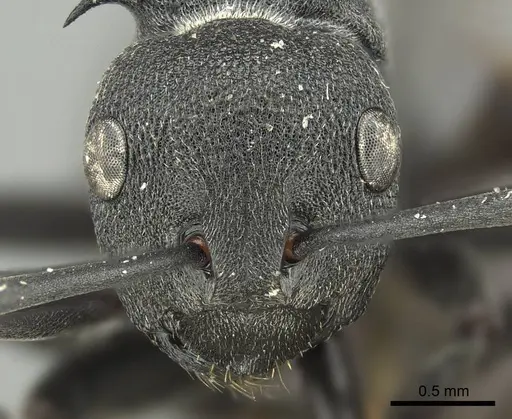
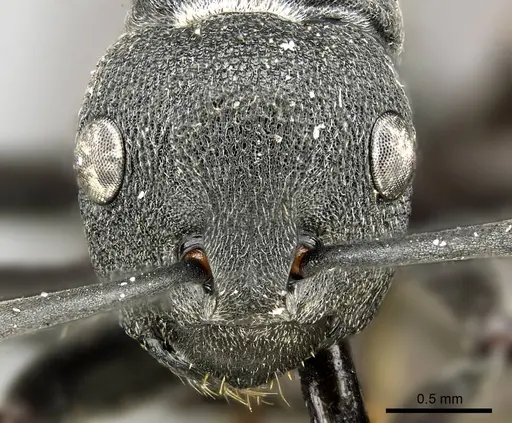
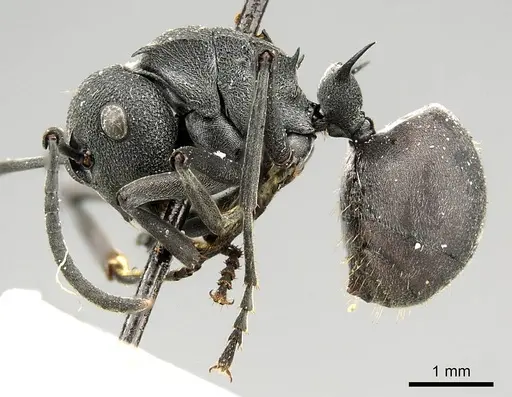
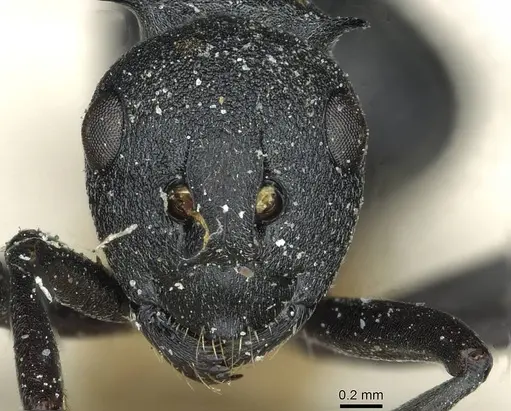
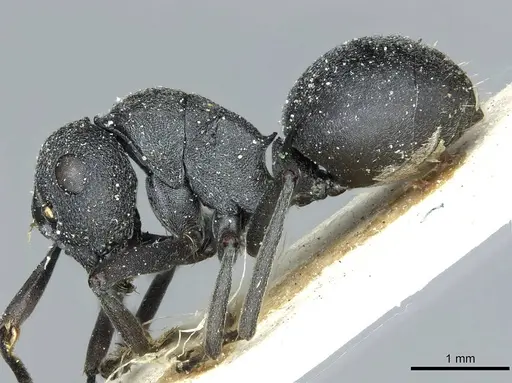
Polyrhachis nigrita is a medium-sized ant belonging to the Formicinae subfamily, with workers measuring 7.0-8.9mm in length . They belong to the viscosa species-group and are identified by their relatively long lateral petiolar spines that curve backward and the lack of a transverse ridge between the propodeal dorsum and declivity . The body is dark with sparse greyish-white pubescence, and the gaster has a finely reticulate-punctate surface. These ants are found across the Afrotropical region, including Ghana, the Democratic Republic of Congo, and Uganda, where they inhabit marshy areas and forage on low vegetation . This species shows flexibility in habitat selection, being present in both gallery forest and savannah environments in Gabon . They are ground-nesting ants that appear to prefer damp areas, as specimens have been collected by sweeping vegetation in marshlands.
Quick Summary
- Difficulty: Medium
- Origin & Habitat: Afrotropical region, Ghana, Democratic Republic of Congo, and Uganda. Found in marshy areas and low vegetation, with specimens collected by sweeping in wetlands. Present in both gallery forest and savannah habitats [1][2][3].
- Colony Type: Colony structure is unconfirmed. No specific data available on queen number.
- Size & Growth:
- Queen: Unknown, not directly measured in available literature
- Worker: 7.0-8.9mm [1]
- Colony: Unknown, no specific colony size data available
- Growth: Moderate, inferred from typical Formicinae development patterns
- Development: Estimated 6-10 weeks based on typical Formicinae development at optimal temperature (No specific development data available for this species.)
- Antkeeping:
- Temperature: Keep at 22-26°C. Based on their Afrotropical distribution [1], they prefer warm conditions. A heating cable on one side of the nest creates a suitable gradient.
- Humidity: Moderate to high, they are found in marshy areas [1], so keep substrate consistently moist but not waterlogged. Provide a gradient from damp to slightly drier areas.
- Diapause: Unknown, Afrotropical species may have reduced activity during cooler months but true hibernation is unlikely
- Nesting: Ground-nesting species [1]. A naturalistic setup with soil or a Y-tong/plaster nest works well. They likely prefer tighter chambers scaled to their medium-large size. Keep substrate moist.
- Behavior: Polyrhachis nigrita is a ground-nesting species that forages on low vegetation. Workers are moderately active and likely generalist foragers. They have well-developed spines on the petiole which serve as defense. Escape risk is moderate due to their size, standard barriers should be sufficient but ensure lids fit tightly. As a Formicinae, they lack a sting and may spray formic acid for defense.
- Common Issues: humidity management is critical, being from marsh habitats, they need moisture but avoid waterlogging which can kill colonies., temperature must be kept warm year-round, Afrotropical species may not tolerate cool temperatures., escape prevention, ensure lids fit tightly to prevent escapes., wild-caught colonies may have parasites or pathogens that can cause captive failures., no hibernation needed, keep warm consistently.
Natural History and Distribution
Polyrhachis nigrita is an Afrotropical species found in central and west Africa, including Ghana, the Democratic Republic of Congo, and Uganda [1][2]. They belong to the viscosa species-group within the subgenus Myrma. These ants are ground-nesting and appear to prefer damp habitats, as specimens have been collected by sweeping vegetation in marshy areas [1]. Their distribution includes both gallery forests and savannah environments, showing some habitat flexibility [3]. Workers are relatively large at 7.0-8.9mm and possess distinctive spines on the petiole, the lateral pair are long and curve backward around the base of the gaster.
Housing and Nesting
As a ground-nesting species from marshy habitats [1], Polyrhachis nigrita needs a nest setup that maintains moisture while providing good drainage. A naturalistic setup with a soil chamber works well, or you can use a Y-tong/plaster nest which holds humidity consistently. The chambers should be appropriately sized for their medium-large worker size. Keep the nest substrate consistently moist but not waterlogged, the ants should be able to move between damp and slightly drier areas within the nest. Given their marsh habitat, they need higher humidity than typical dry-nesting ants. Ensure excellent escape prevention as these ants are active and moderately large, standard formicarium barriers work well but check fit regularly.
Temperature and Heating
Based on their Afrotropical distribution [1], Polyrhachis nigrita prefers warm conditions. Keep the nest area at 22-26°C, with a gentle gradient allowing workers to thermoregulate. A heating cable placed on one side of the nest works well, always place heating on top of the nest rather than underneath to avoid evaporating moisture too quickly. Room temperature may be sufficient if your home stays in this range, but monitor colony activity. If workers consistently cluster near the warm side, the temperature is appropriate. Avoid temperatures below 18°C as this species is not adapted to cool conditions. Maintain warmth year-round since they do not undergo true hibernation.
Feeding and Diet
Like other Formicinae, Polyrhachis nigrita is likely a generalist forager [1]. Feed a balanced diet of protein sources (small insects like fruit flies, small crickets, mealworms) and sugar sources (honey water, sugar water). In the wild, they forage on low vegetation in marshy areas, likely collecting honeydew from aphids and hunting small invertebrates. Offer protein 2-3 times per week and keep sugar water available constantly. Remove uneaten prey after 24-48 hours to prevent mold. Observe your colony's preferences, some individuals may favor one food type over others. Fresh water should always be available.
Colony Development
Specific development data for Polyrhachis nigrita is not available, but based on typical Formicinae patterns [1], expect 6-10 weeks from egg to first worker at optimal temperature (around 24-26°C). The first workers (nanitics) will likely be smaller than mature workers. Growth rate is moderate, not as fast as tropical species but faster than some temperate ants. Colony size in the wild is unknown, but related Polyrhachis species can reach several hundred workers. Be patient during the founding phase, queen-less colonies or newly established colonies may take time to produce their first workers. Ensure consistent warmth and humidity to support brood development.
Frequently Asked Questions
How long does it take for Polyrhachis nigrita to produce first workers?
Specific data is not available, but based on typical Formicinae development [1], expect 6-10 weeks from egg to first worker at optimal temperature (22-26°C). Be patient during founding as the colony establishes.
What temperature do Polyrhachis nigrita ants need?
Keep them at 22-26°C. This Afrotropical species prefers warm conditions [1]. A heating cable on one side of the nest creates a suitable gradient.
What do Polyrhachis nigrita ants eat?
Like other Formicinae, they are generalists [1]. Offer protein (small insects like fruit flies, mealworms) 2-3 times weekly and keep sugar water (honey water) available constantly. They likely forage for honeydew and small invertebrates in the wild.
Are Polyrhachis nigrita good for beginners?
This species is rated Medium difficulty. While not the most challenging, the lack of specific care data means you may need to adjust conditions based on colony behavior. Their marsh habitat requirements for humidity are the main consideration.
How big do Polyrhachis nigrita colonies get?
Colony size is unknown, no specific data is available. Based on related Polyrhachis species, colonies likely reach several hundred workers over time.
Do Polyrhachis nigrita need hibernation?
True hibernation is unlikely as this is an Afrotropical species. They may show reduced activity during cooler months but should be kept warm year-round (22-26°C).
What humidity level do Polyrhachis nigrita need?
They need moderate to high humidity to match their marsh habitat [1]. Keep substrate consistently moist but not waterlogged. Provide a gradient from damp to slightly drier areas for the ants to choose from.
Can I keep multiple Polyrhachis nigrita queens together?
Colony structure is unconfirmed for this species. Based on related Polyrhachis, they are likely monogyne (single queen). Combining unrelated queens is not recommended without specific documentation.
When should I move Polyrhachis nigrita to a formicarium?
Keep newly caught colonies in a test tube setup until they have 20-30 workers and the colony is established. Then you can move them to a naturalistic setup or Y-tong nest with appropriate humidity control.
Report an Issue
The current care sheet is based fully on literature. See inconsistencies, or something that's incorrect? Please , it will be resolved after review from an admin. Contributing to the blogs tab also helps providing information, to make us be able to further improve the caresheets. Thank you for your support!
References

此饲养指南授权协议为 CC BY-SA 4.0 .
社区博客
CASENT0906838
在 AntWeb 上查看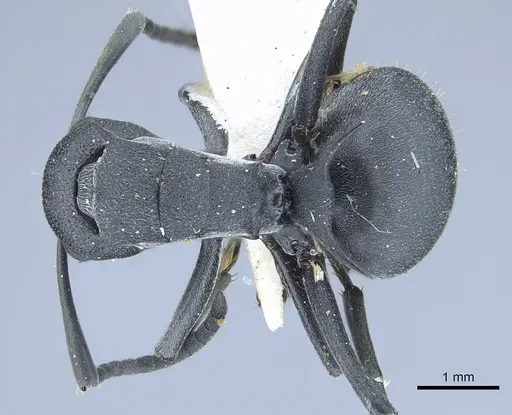
CASENT0910949
在 AntWeb 上查看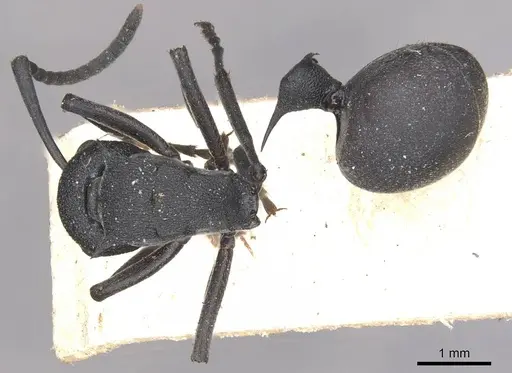
CASENT0915813
在 AntWeb 上查看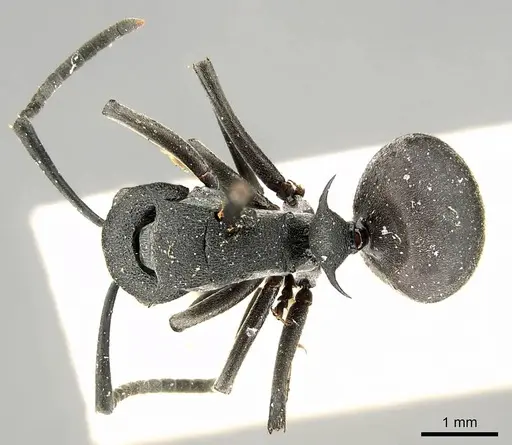
RMCAENT000017825
在 AntWeb 上查看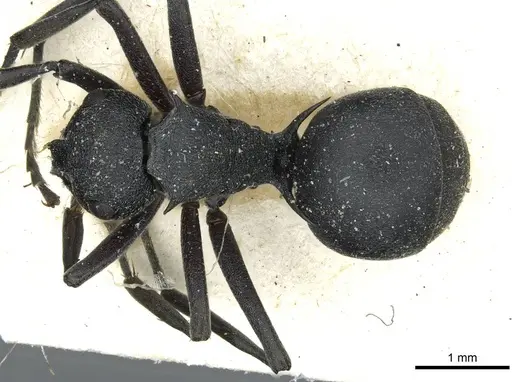
科学文献
正在加载分布地图...正在加载商品...