
Polyrhachis hastata
- 学名
- Polyrhachis hastata
- 亚属
- Myrma
- 族
- Camponotini
- 亚科
- Formicinae
- 命名者
- Latreille, 1802
- 地理分布
- 分布于 0 个国家/地区
物种引言
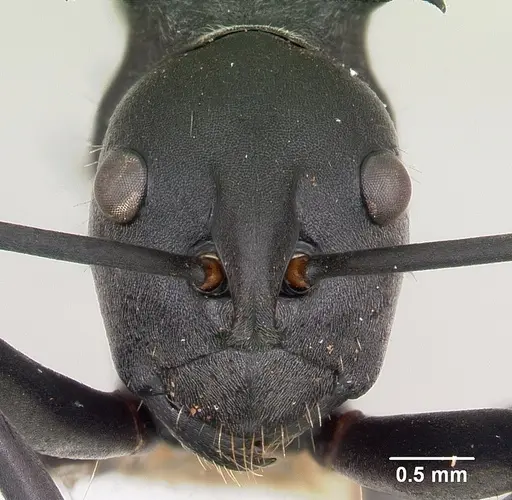
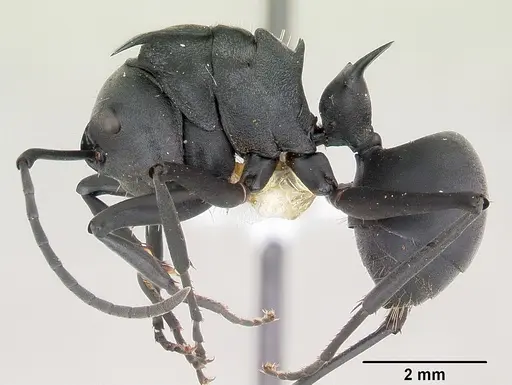
Polyrhachis hastata is a species in the genus Polyrhachis, belonging to the relucens species-group . Workers have been recorded in Indonesia, particularly Sulawesi, with historical records from the East Indies and India . The type specimen is lost, but recent specimens from Sulawesi match the original description . Size data is unavailable for this species. This species is poorly studied, with only scattered worker specimens captured in malaise traps. Polyrhachis ants are known for their spiny promesonotum and arboreal nesting habits.
Quick Summary
- Difficulty: Medium
- Origin & Habitat: Native to Indonesia, including Sulawesi, and historically recorded in India and the East Indies [1][2][3]. Inhabits tropical forest environments.
- Colony Type: Colony structure is unconfirmed, but based on Polyrhachis patterns, likely monogyne (single queen).
- Size & Growth:
- Queen: Size data unavailable, inferred from Polyrhachis genus (~8-12 mm)
- Worker: Size data unavailable, inferred from Polyrhachis genus (~5-8 mm)
- Colony: Up to several hundred workers, inferred from Polyrhachis genus patterns
- Growth: Moderate
- Development: Estimated 6-10 weeks at optimal temperature, based on related species [1]. (Development time is estimated, tropical species typically develop faster.)
- Antkeeping:
- Temperature: Keep warm, roughly 24-28°C, based on tropical species needs [1].
- Humidity: Keep nest substrate consistently moist but not waterlogged [1].
- Diapause: No, tropical species do not require diapause [1].
- Nesting: Likely arboreal or semi-arboreal. Provide vertical surfaces or enclosed nests such as Y-tong or plaster with narrow chambers [1].
- Behavior: Polyrhachis ants are generally less aggressive and may flee when threatened. Workers can spray formic acid as defense, typical of Formicinae. Escape prevention should be moderate due to their climbing ability.
- Common Issues: limited availability in the antkeeping hobby, lack of species-specific care data requires reliance on genus-level guidance, tropical humidity requirements can be challenging to maintain, slow colony growth may test patience, wild-caught colonies may have parasites difficult to treat
Nest Preferences
Polyrhachis ants are primarily arboreal or semi-arboreal, nesting in tree hollows, under bark, or in vegetation [1]. In captivity, provide a naturalistic setup with cork bark, twigs, or vertical surfaces. Y-tong or plaster nests with narrow chambers are suitable [1]. Keep the nest substrate moist but not waterlogged [1].
Feeding and Diet
Polyrhachis species are omnivorous, feeding on small insects and honeydew [1]. Offer protein sources like fruit flies or pinhead crickets 2-3 times per week, and keep sugar water available [1]. Remove uneaten prey to prevent mold.
Temperature and Care
Maintain temperatures around 24-28°C for optimal health [1]. Use a heating cable to create a gradient. Humidity should be high, keep substrate moist [1]. No diapause needed for tropical species [1].
Behavior and Temperament
Workers are active foragers, likely hunting small prey and collecting honeydew. They are less aggressive and may flee when threatened. As Formicinae, they can spray formic acid for defense. Use standard escape prevention due to climbing ability [1].
Frequently Asked Questions
How long does it take for Polyrhachis hastata to produce first workers?
Estimated 6-10 weeks from egg to first worker at optimal temperature (24-28°C), based on typical Polyrhachis development patterns [1].
What do Polyrhachis hastata ants eat?
They are omnivorous. Offer small live insects like fruit flies or pinhead crickets 2-3 times weekly, and keep sugar water available [1].
Can I keep Polyrhachis hastata in a test tube?
A test tube can work for founding colonies, but these ants prefer higher humidity. Monitor moisture carefully. Once the colony grows, transfer to a naturalistic setup or Y-tong nest with better humidity control [1].
Are Polyrhachis hastata good for beginners?
This species is not ideal for complete beginners due to limited care information and specific humidity requirements. Intermediate antkeepers comfortable with tropical species may find it manageable.
What temperature do Polyrhachis hastata need?
Keep them at 24-28°C. This tropical species requires warm conditions year-round [1].
How big do Polyrhachis hastata colonies get?
Up to several hundred workers, inferred from Polyrhachis genus patterns. The exact maximum is unknown.
Do Polyrhachis hastata need hibernation?
No. As a tropical species from Indonesia, they do not require hibernation or diapause [1].
Where is Polyrhachis hastata found?
Indonesia, particularly Sulawesi, with historical records from India and the East Indies region [2][3][1].
Why is Polyrhachis hastata so rarely available?
This species is among the less commonly collected Polyrhachis. Very few specimens have been documented, and the type specimen is lost [1].
Report an Issue
The current care sheet is based fully on literature. See inconsistencies, or something that's incorrect? Please , it will be resolved after review from an admin. Contributing to the blogs tab also helps providing information, to make us be able to further improve the caresheets. Thank you for your support!
References

此饲养指南授权协议为 CC BY-SA 4.0 .
社区博客
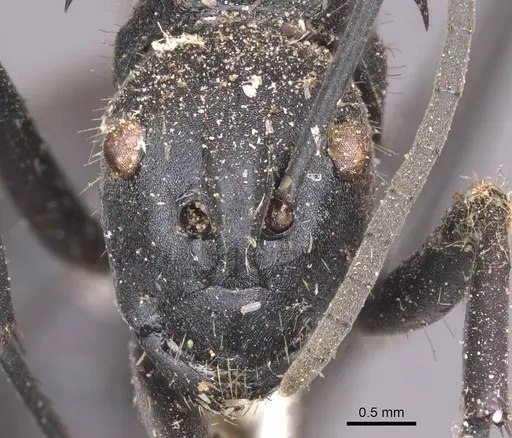
CASENT0103191
在 AntWeb 上查看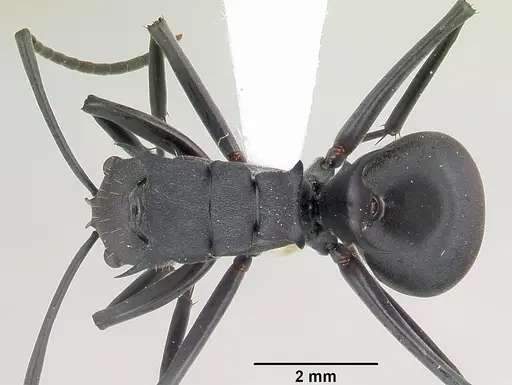
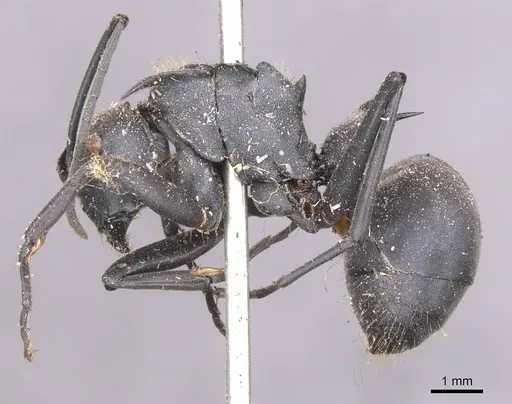
CASENT0913679
在 AntWeb 上查看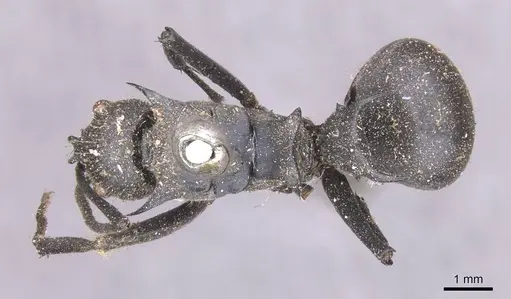
科学文献
正在加载分布地图...正在加载商品...